Habari, Hamjambo? Mimi ni mzuri sana.
Hello, how are you all? I’m doing very well!
For all subscribers: I have decided to post every blog in German and English. Since I now have quite a few English-speaking friends, you will always receive the same information twice, but you can choose which version you prefer. 🙂
There’s a lot to tell today:
Well, three weeks ago there were only two days left until departure, and now I can say: I had a great arrival in Tanzania, mastered the 10-day language course very well, thoroughly enjoyed the 17 days in Dar es Salaam and the three days in Mwanza as well. Now I feel very strengthened, well prepared and am starting to settle into my work in Rulenge!
The start in Dar es Salaam was very good, as it allowed us to slowly settle into Tanzania. In Dar es Salaam, I was with Philippa, four others from the Diocese of Würzburg (we had the seminars together) and two from the Diocese of Paderborn, whom we met at the gate in Frankfurt. It’s really cool to have everyone here, to experience everything together and to be able to exchange ideas. And above all, to support each other, e.g. when someone is feeling unwell because we have stomach ache from the food, don’t understand any Kiswahili or are simply exhausted at 7:15 a.m. sitting at breakfast.
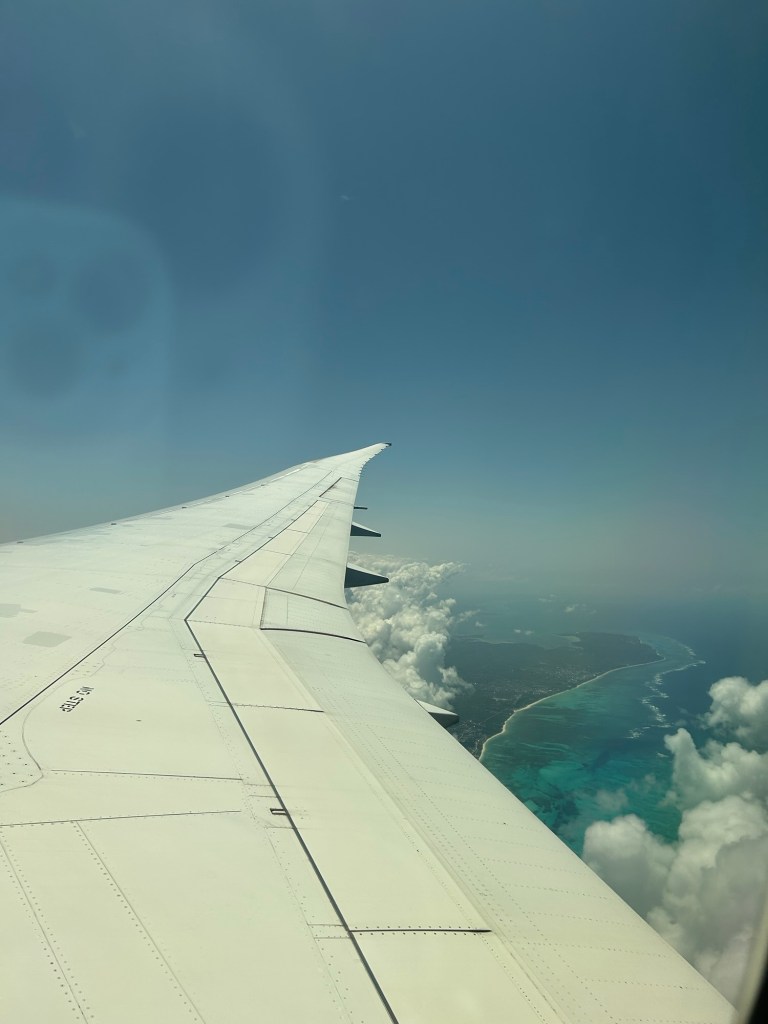
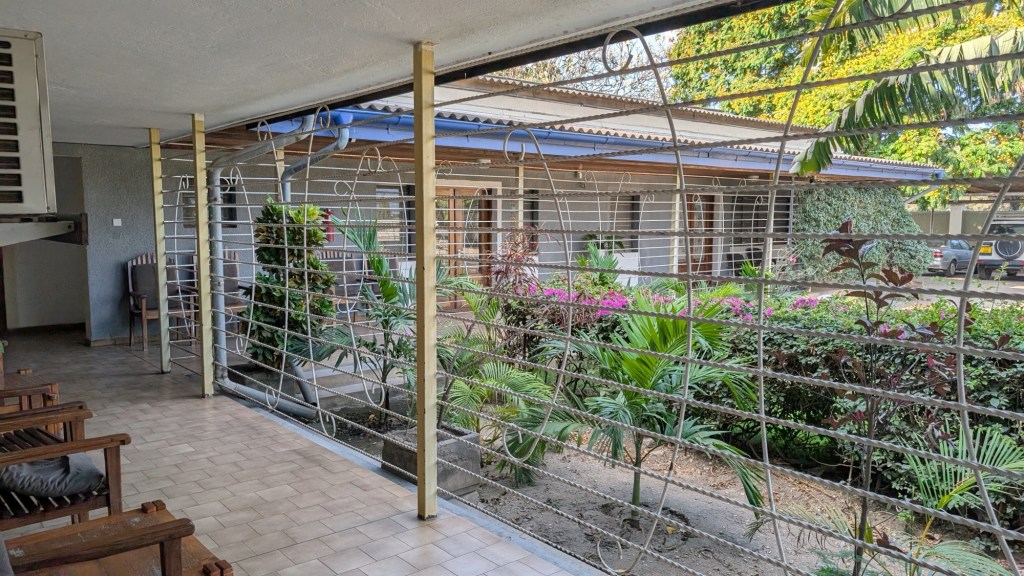
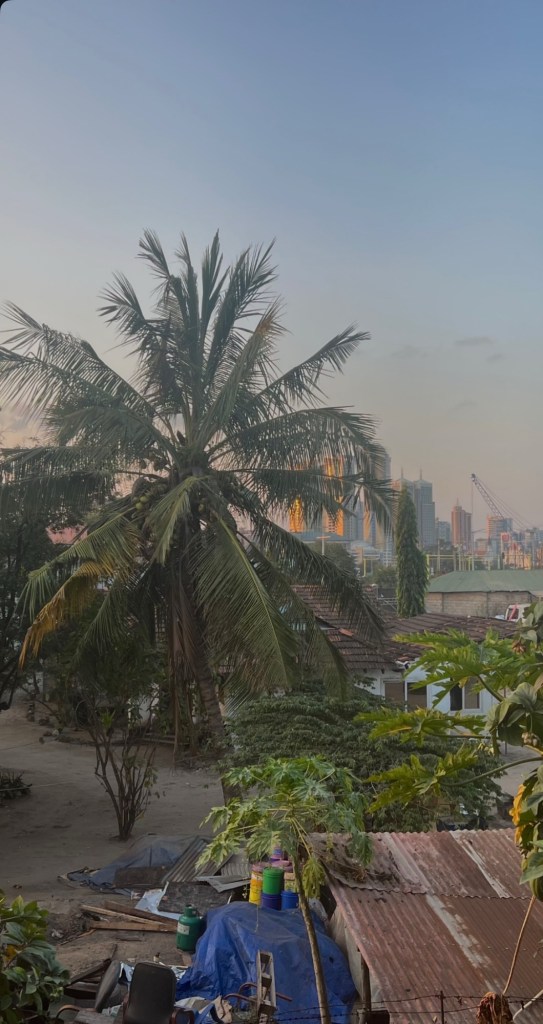
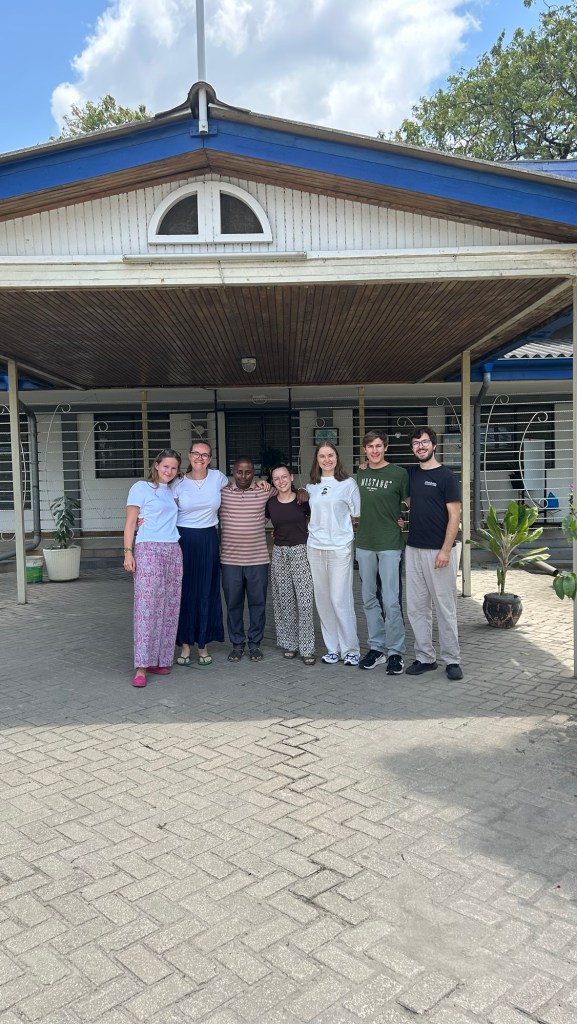
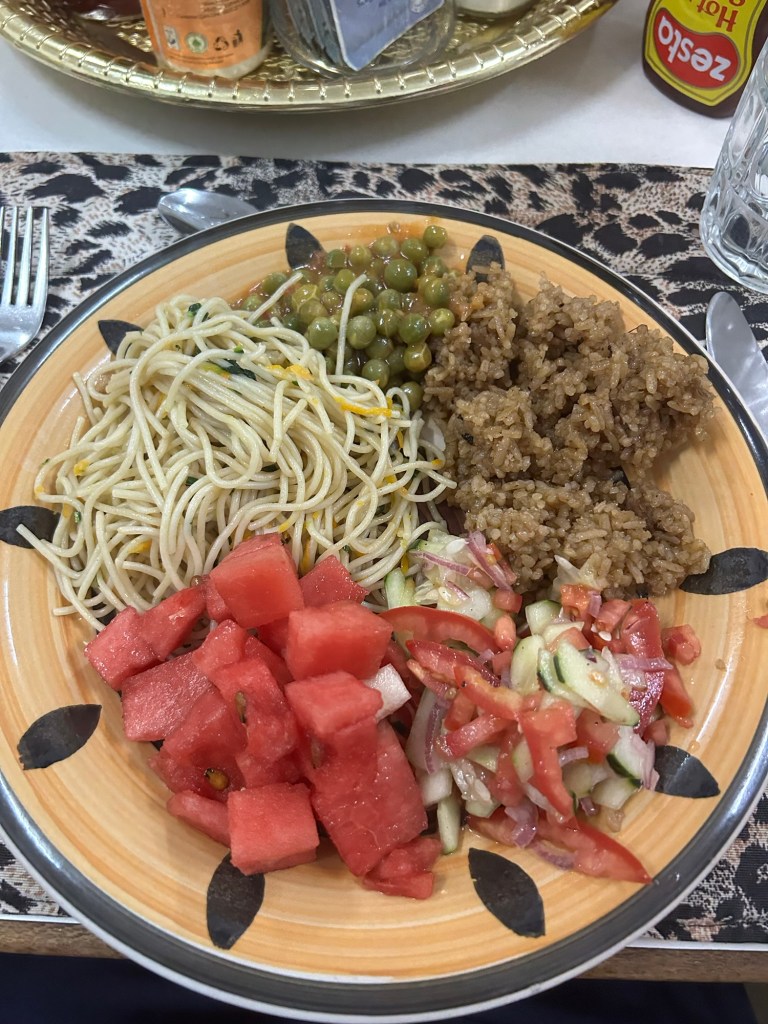
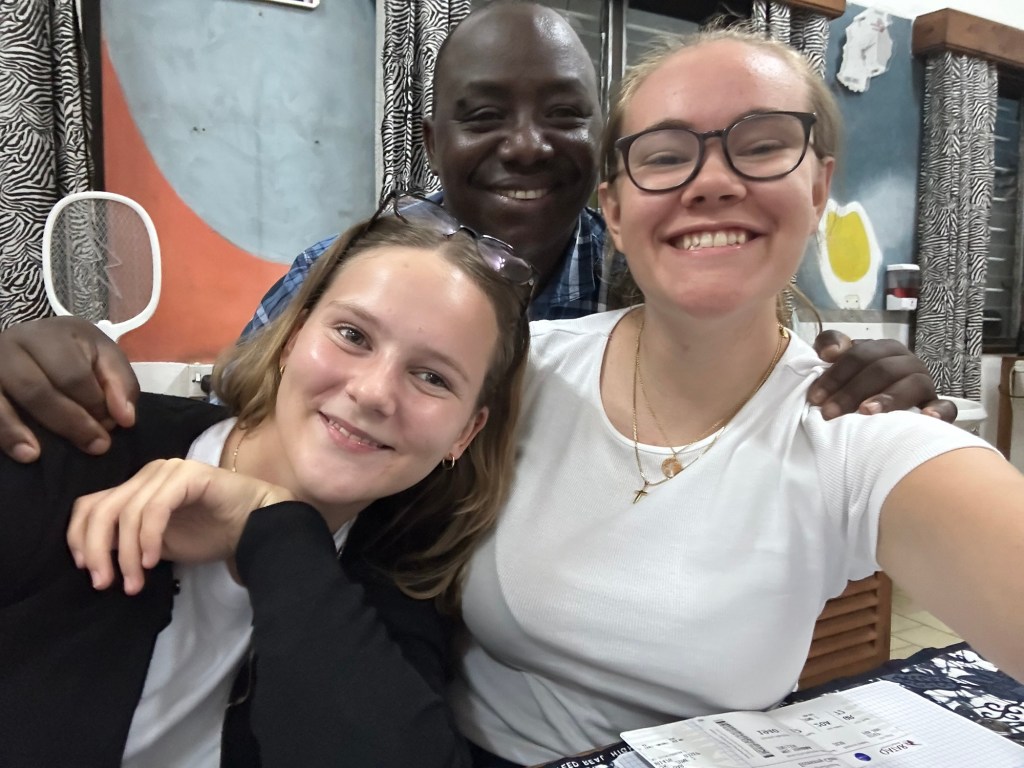
During the two-week language course, our Swahili teacher Joshua taught us a great deal about Tanzanian culture in addition to Kiswahili, and we were able to experience this first-hand. During our time in Dar es Salaam, we stayed with the Benedictine Fathers at ‘Kurasini’. There, we clearly enjoyed a more European standard, especially in the rooms, which were well-equipped, had comfortable beds and were really clean. We took part in the brothers‘ daily routine a little and learned about some of their rituals, such as praying before and after meals, no one leaving the table until everyone has finished eating, not talking about the food, whether you like it or not, and it being considered rude not to try everything on your plate. That’s why I started eating meat after two days. (I’ve actually been a vegetarian for six years). Tanzanians don’t understand why anyone would be vegetarian. Even if you try to explain that you simply don’t like it, it is considered very rude, as if you were saying that you don’t like the food. So it’s very difficult to explain, and at first I didn’t really understand it either. However, I actually enjoyed the meat quite a bit, as I could eat it with a clear conscience.
Die Fathers haben in Tansania einen extrem hohen Stellenwert, dadurch besitzen sie verhältnismäßig viel Geld und können sich gutes Fleisch und generell gutes Essen leisten. Deshalb gab es bei jeder Mahlzeit, außer beim Frühstück, drei Gänge:
Vorspeise: Suppe
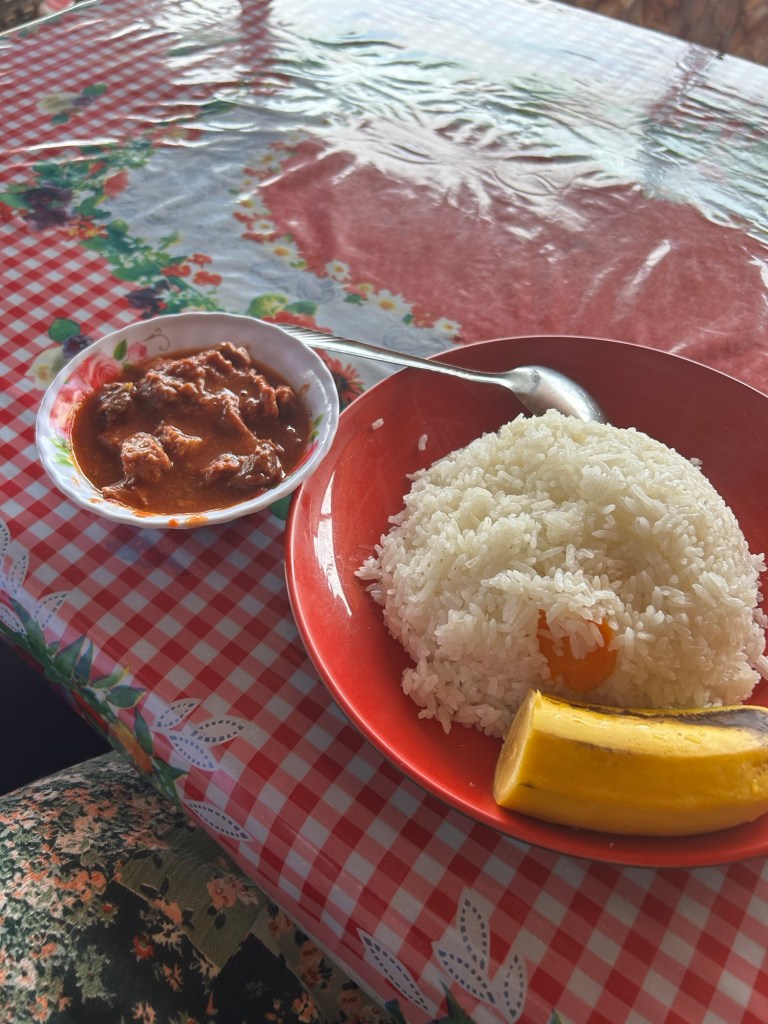
Hauptspeise: Reis/Kartoffeln/Nudeln/Ugali oder Kochbanane, mit Gemüse/Kraut, Salat und Fleisch
Dessert: extremely delicious fruits
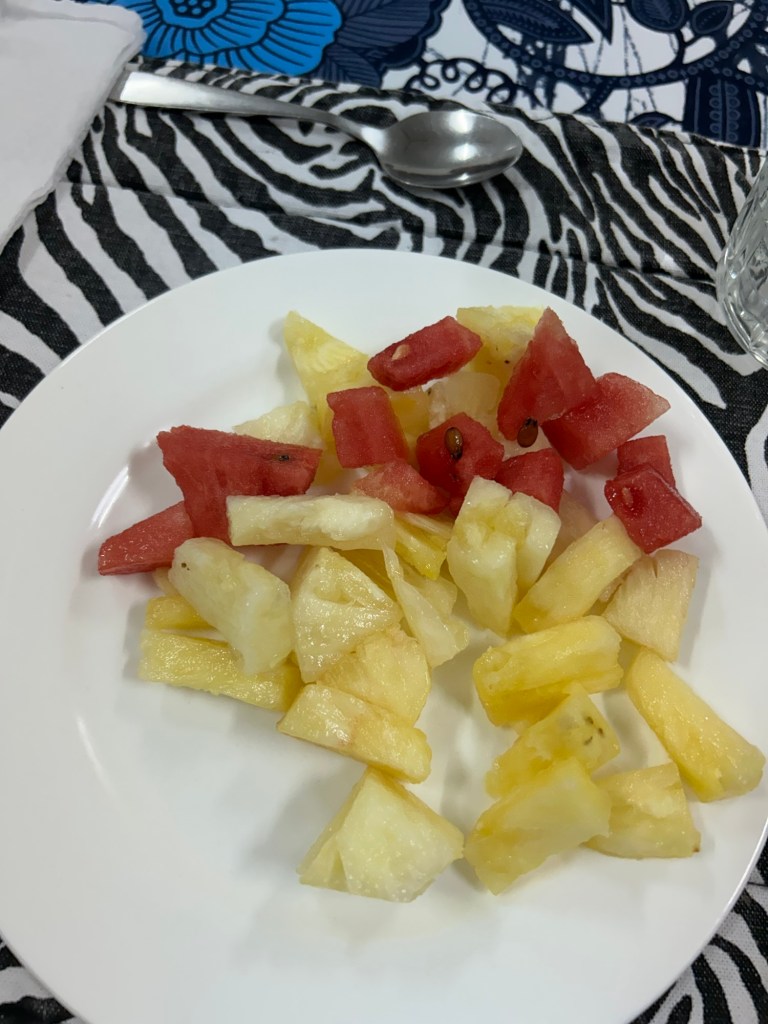
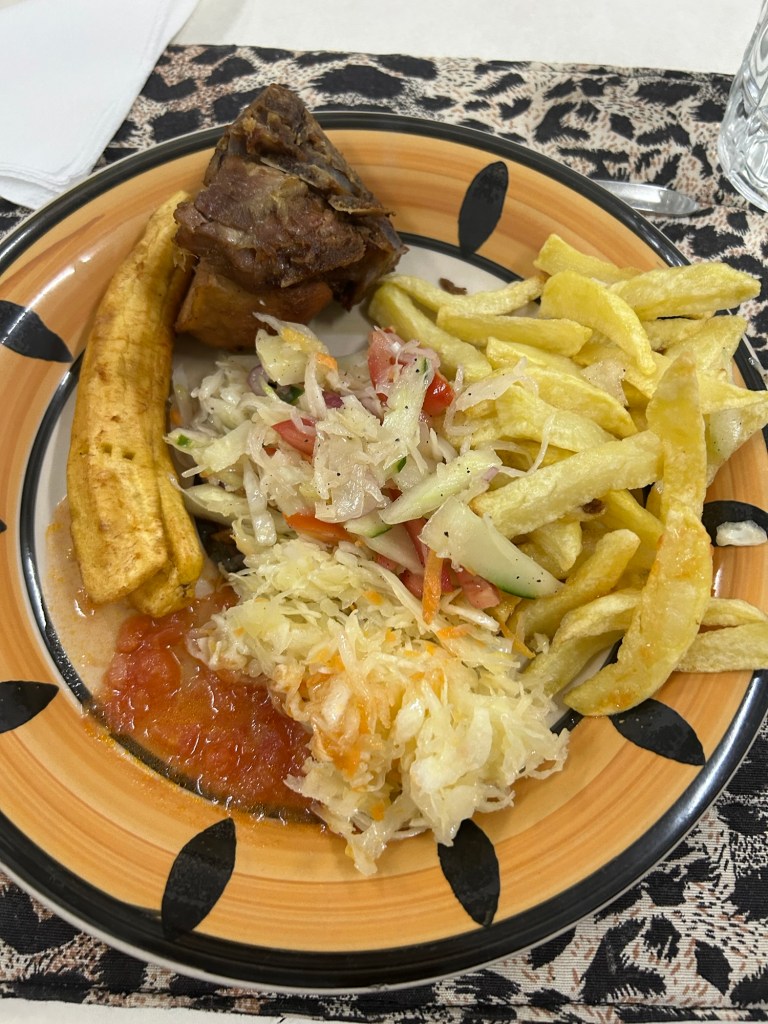
The days were really full and exhausting overall. During the week, we had six hours of language classes. I underestimated that; learning Kiswahili in English is very different from learning Spanish in German at home, for example. The constant mental adjustment really tired me out. I often just fell asleep in the afternoon, had a quick dinner and was back in bed by 9 p.m. Nevertheless, the language course was really beneficial for me: I got a good feel for the language, understand a little better how Tanzanians think and can already communicate. Step by step!
But it’s a really easy and totally random language, which was cool to learn, and in fact some of the names from ‘The Lion King’ became clear, for example Rafiki = friends.
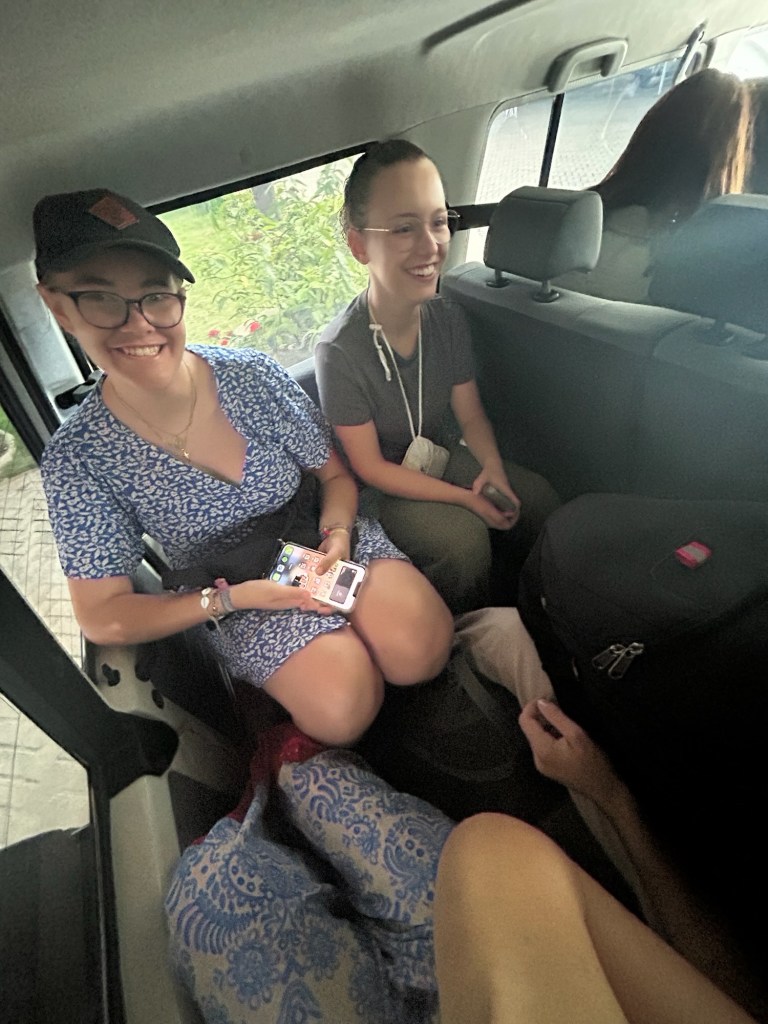
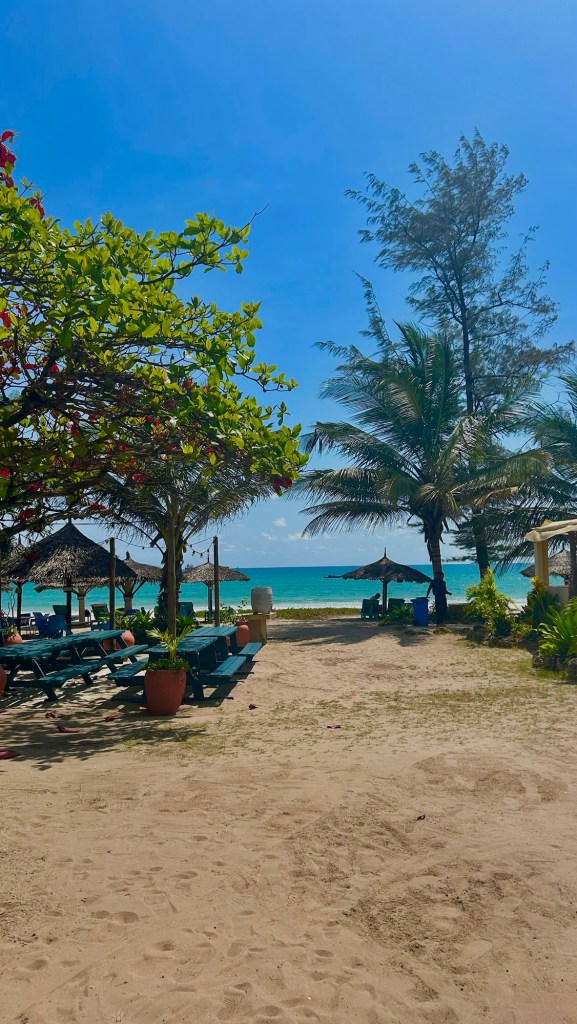
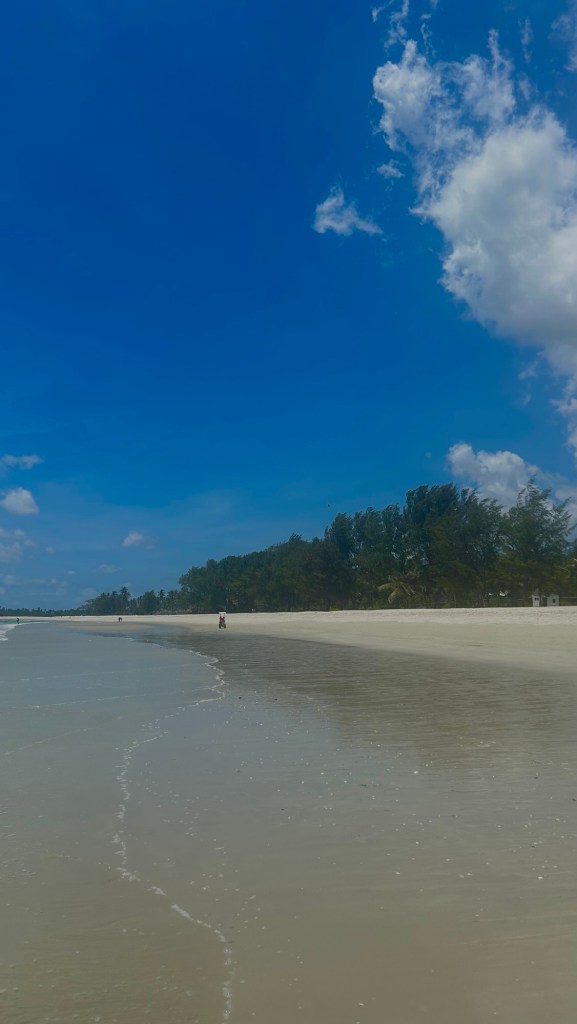
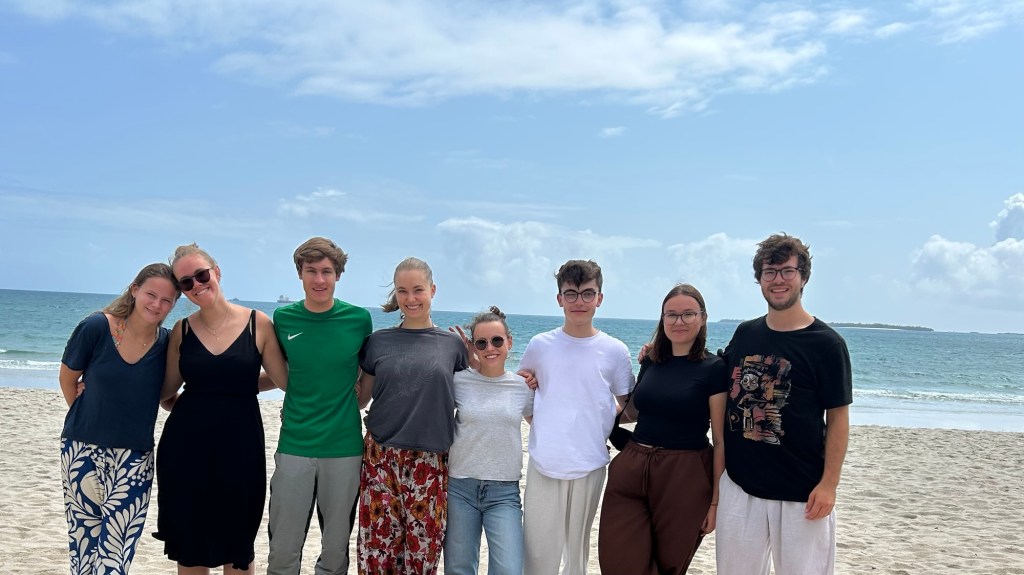
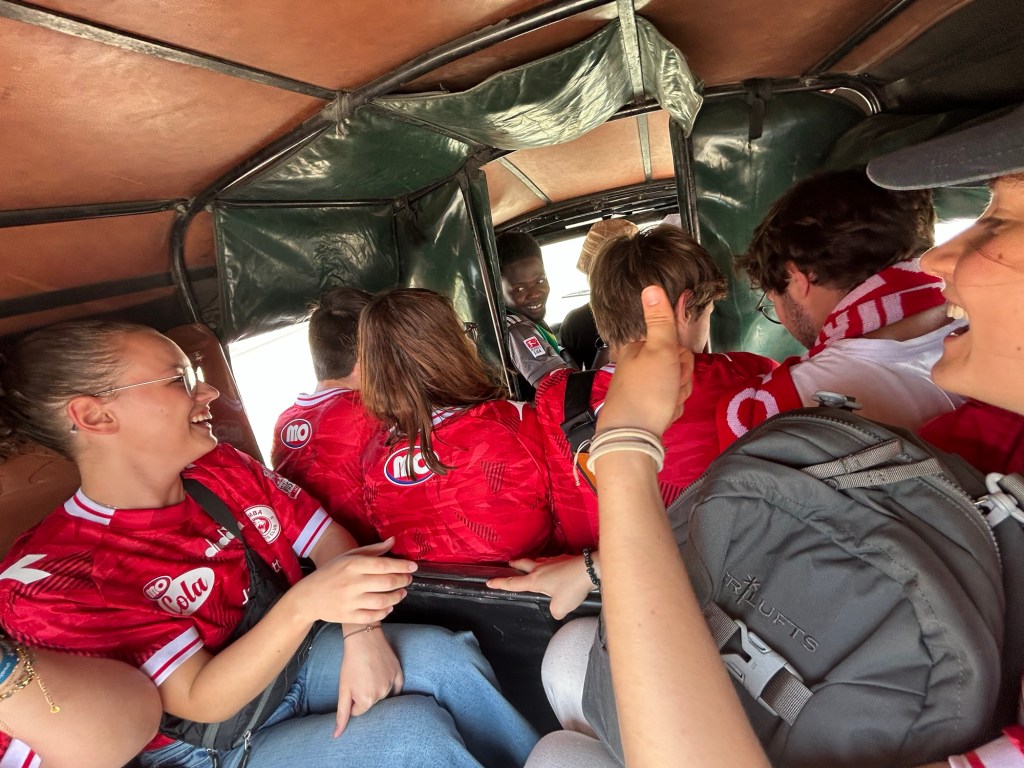
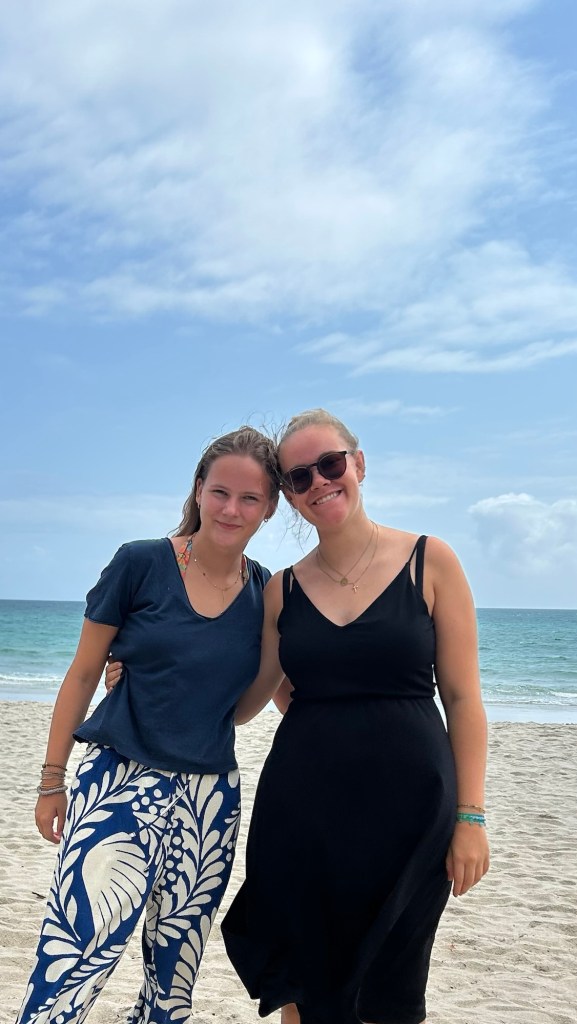
The weekends in Dar es Salaam were also really cool. During the week, we couldn’t go out after the language course because it got dark early. So on Saturdays we always went to Kipipeo Beach. (Butterfly Beach). Even the journey there was an adventure, with eight of us in a car designed for four: four of us in the boot, without seatbelts, of course, but it was so cramped that it was still ‘safe’. There were fold-out benches, so we weren’t sitting on the floor, but in Germany that would never have been conceivable😅
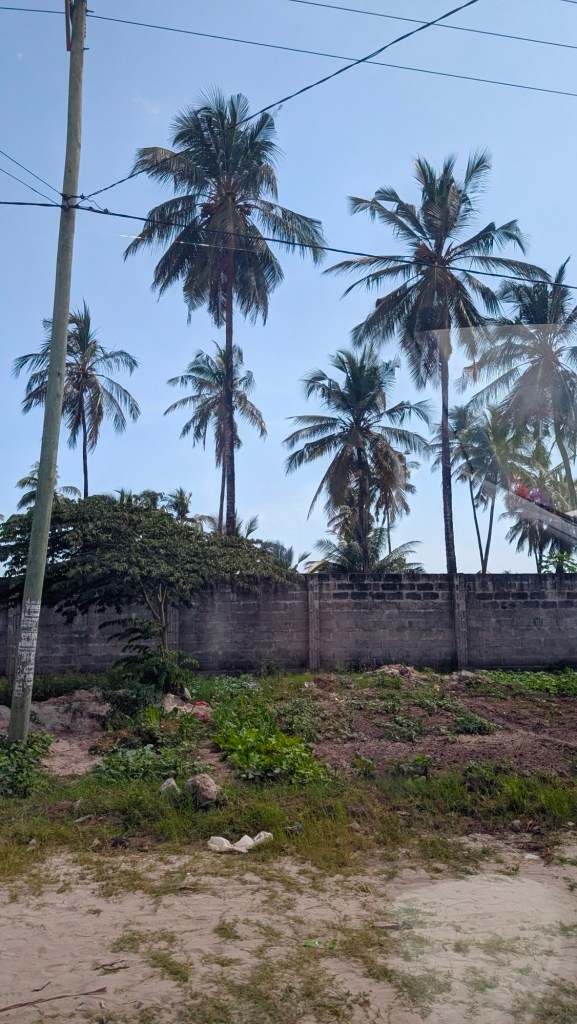
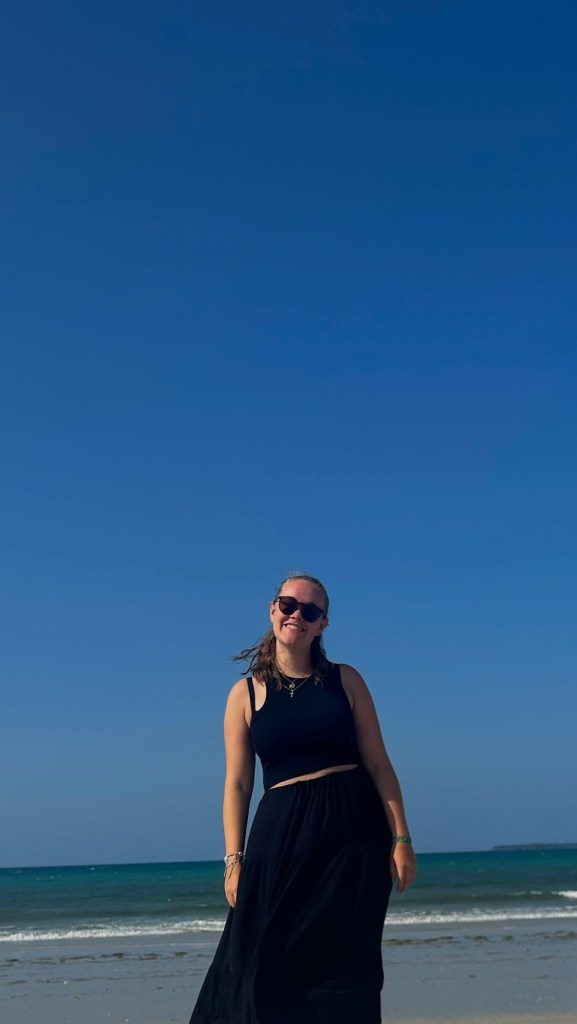
On the way, we saw a rather wealthy neighbourhood and a very poor one, and even our first snake. The beach was simply fantastic: clear, warm water, endless sandy beaches, a real holiday moment!
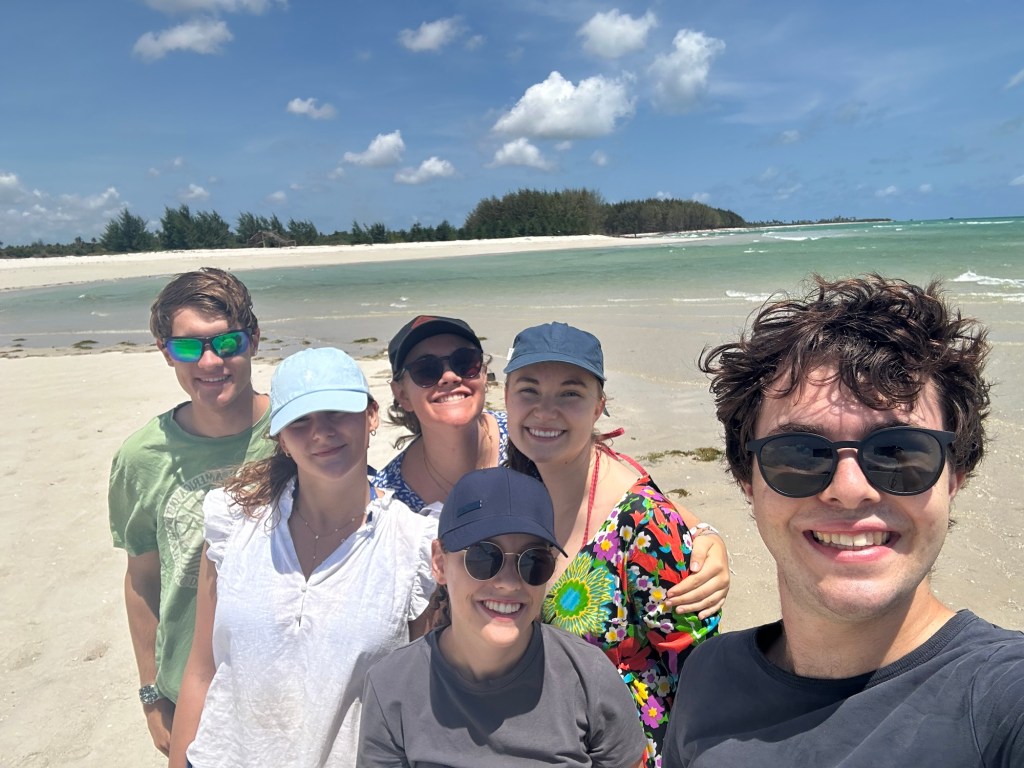
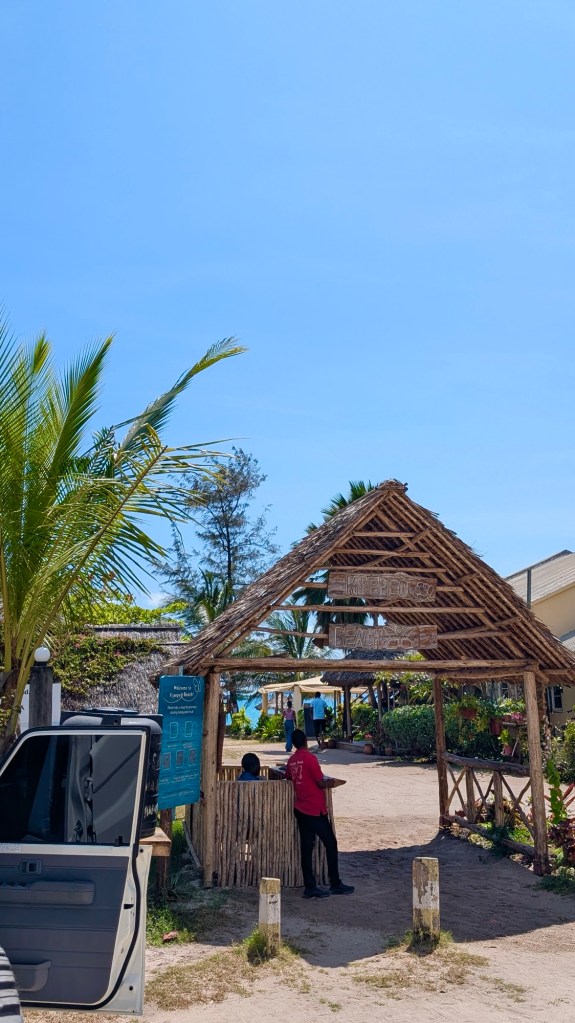
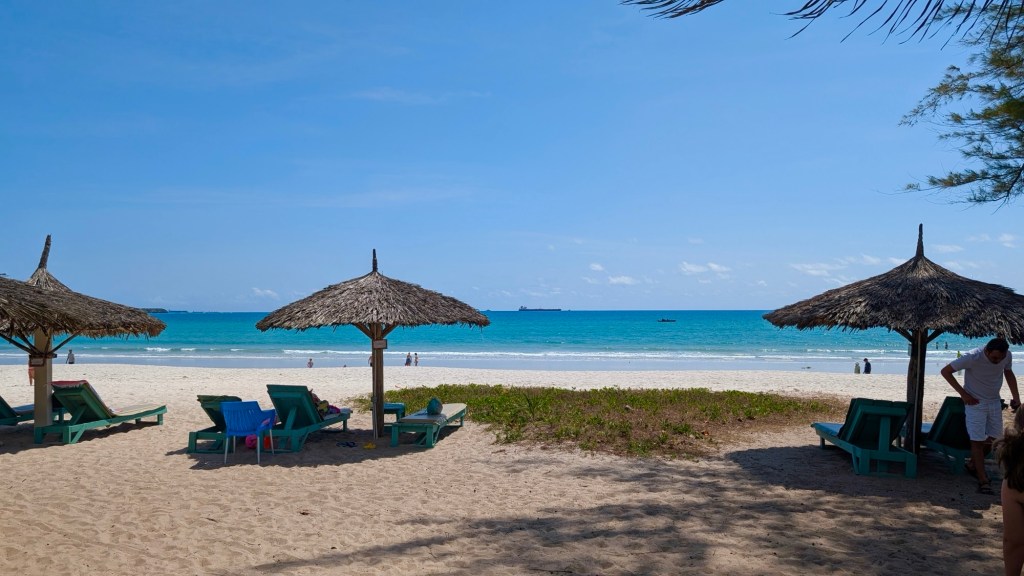
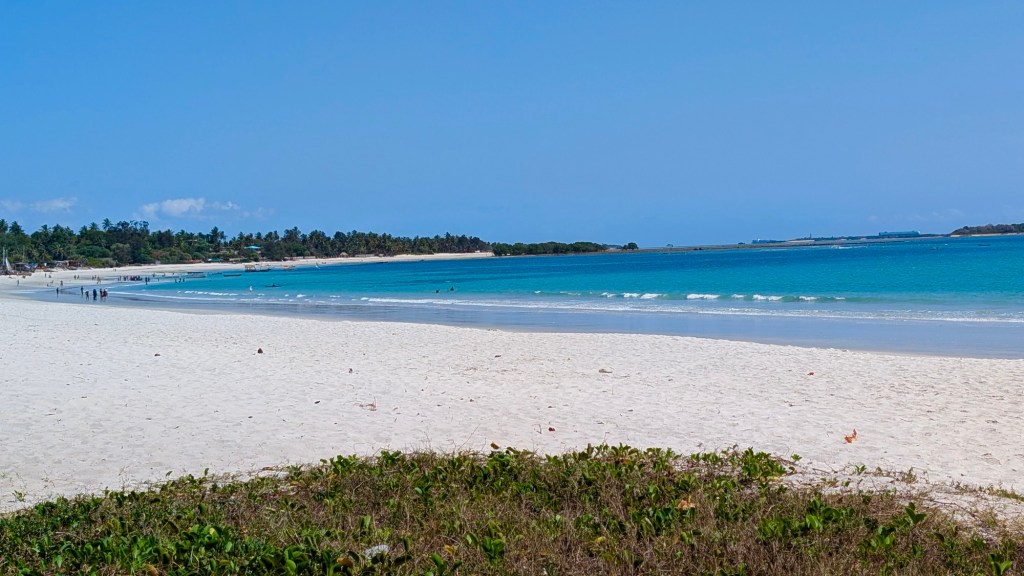
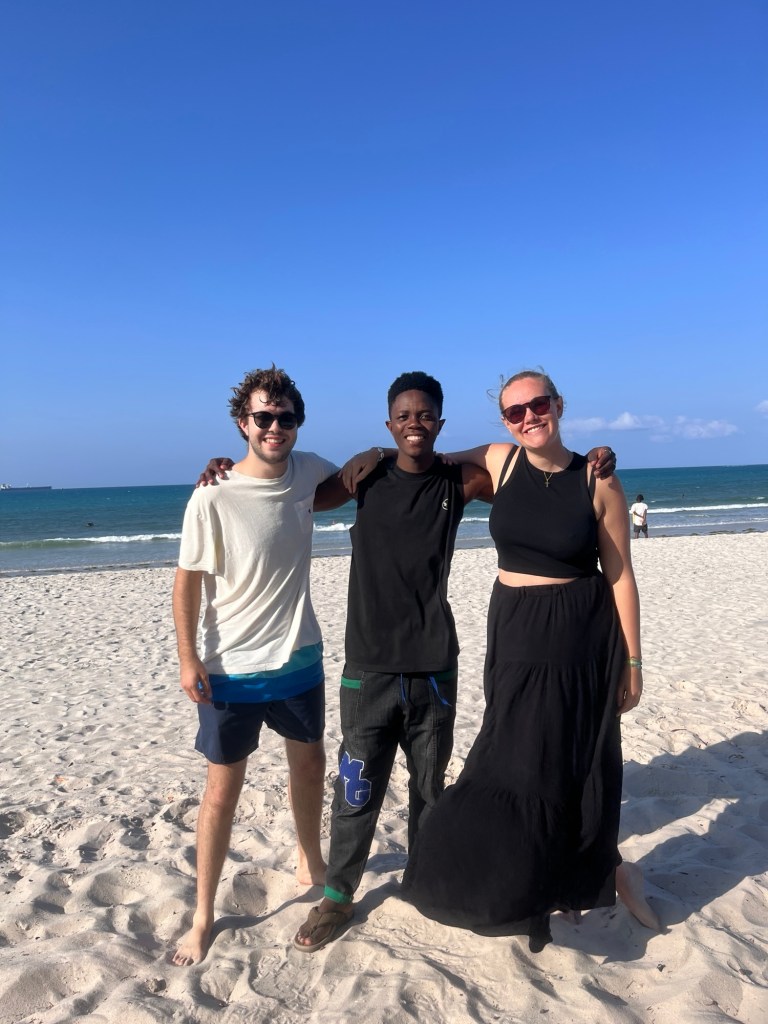
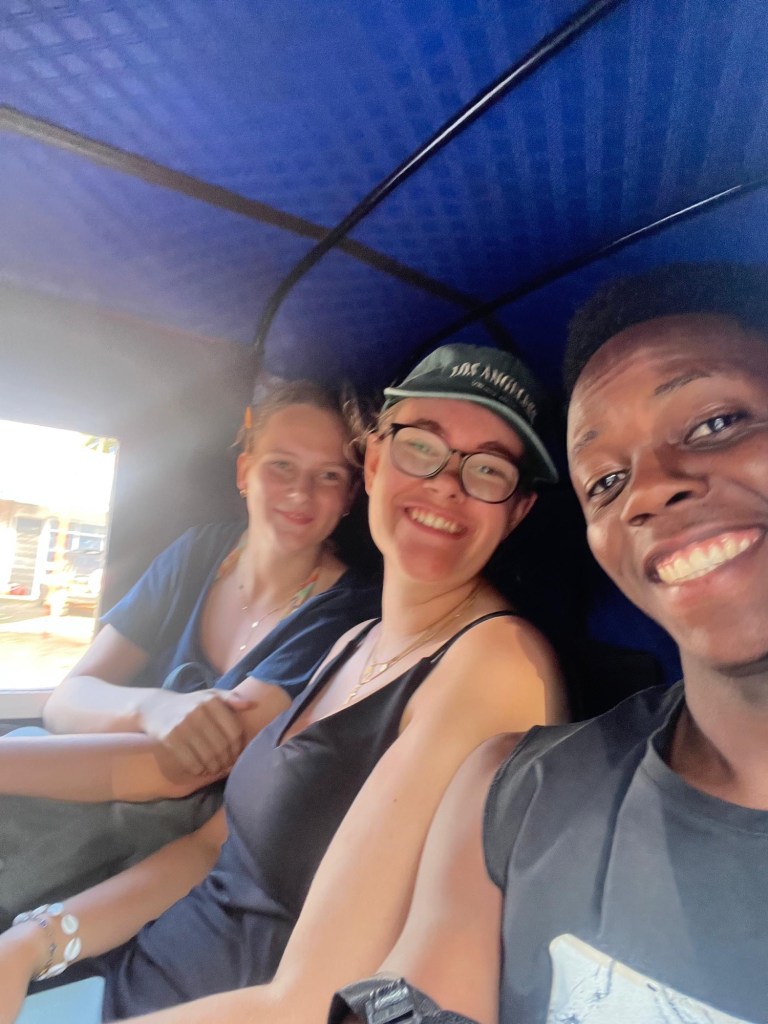
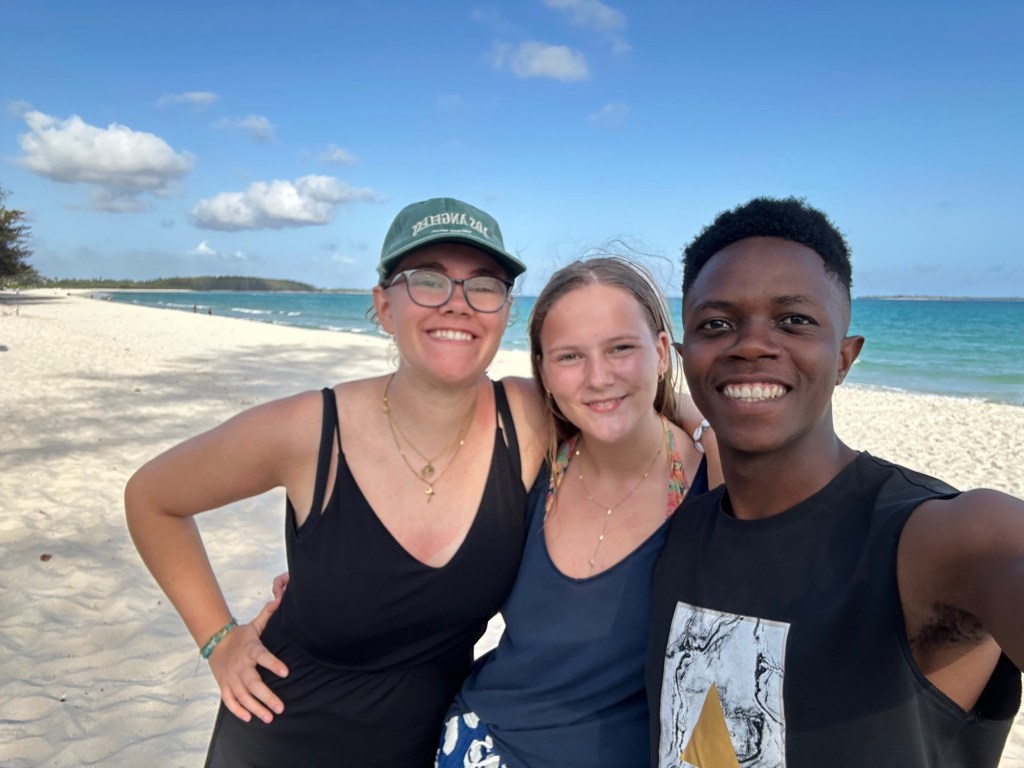
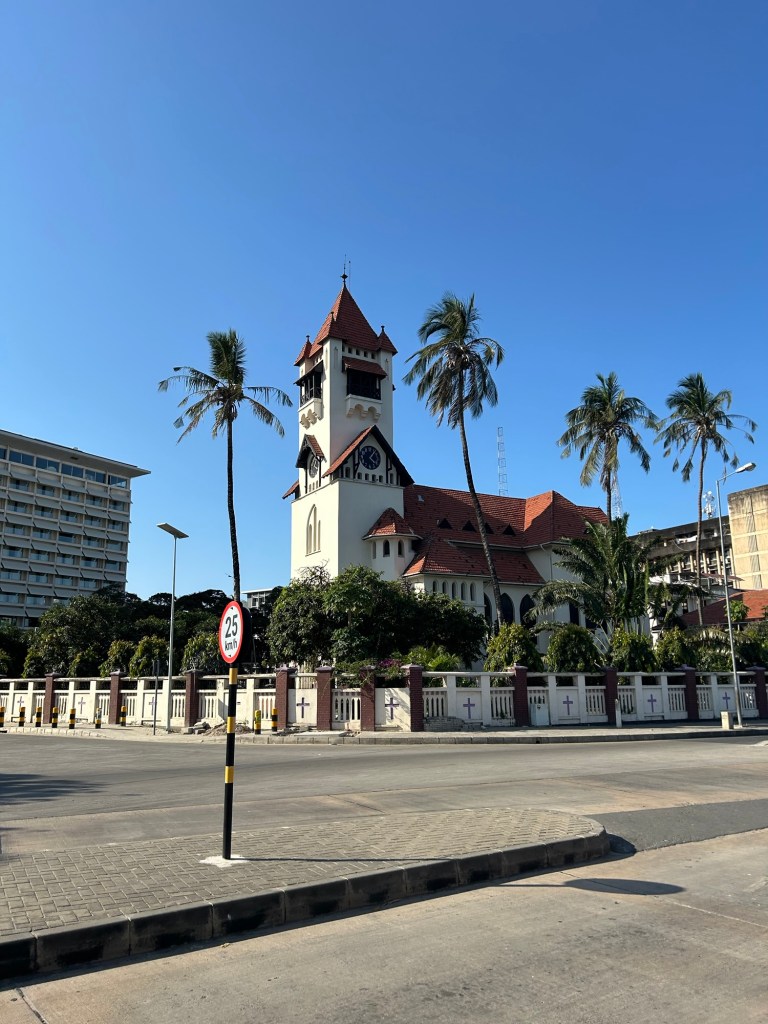
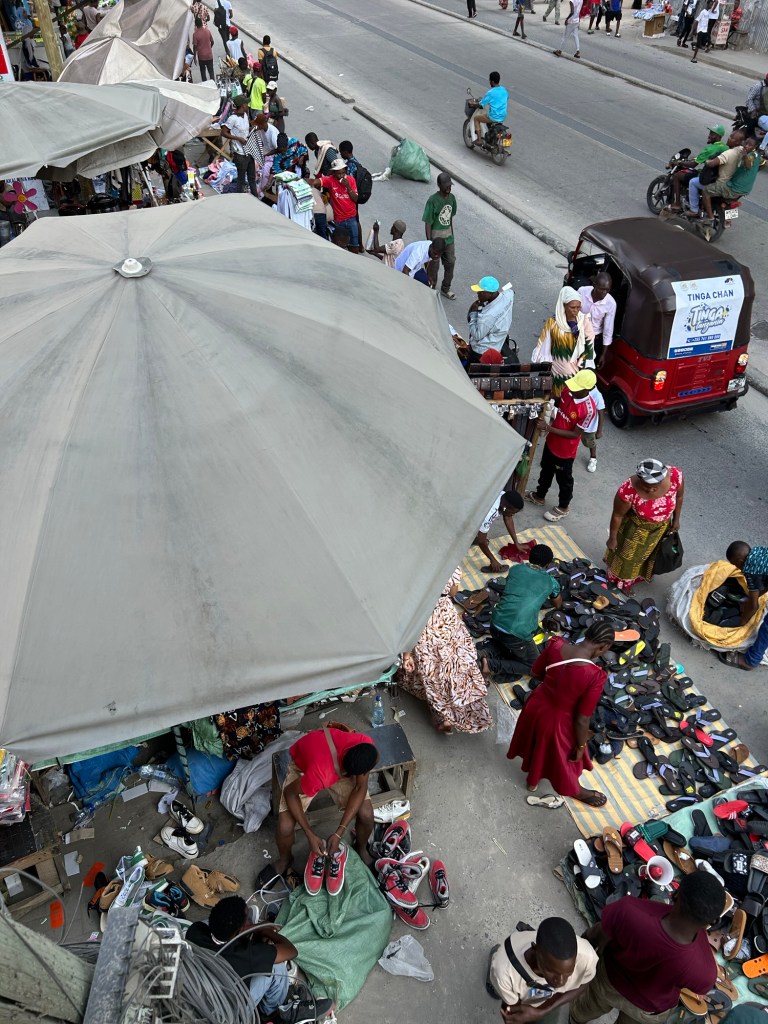
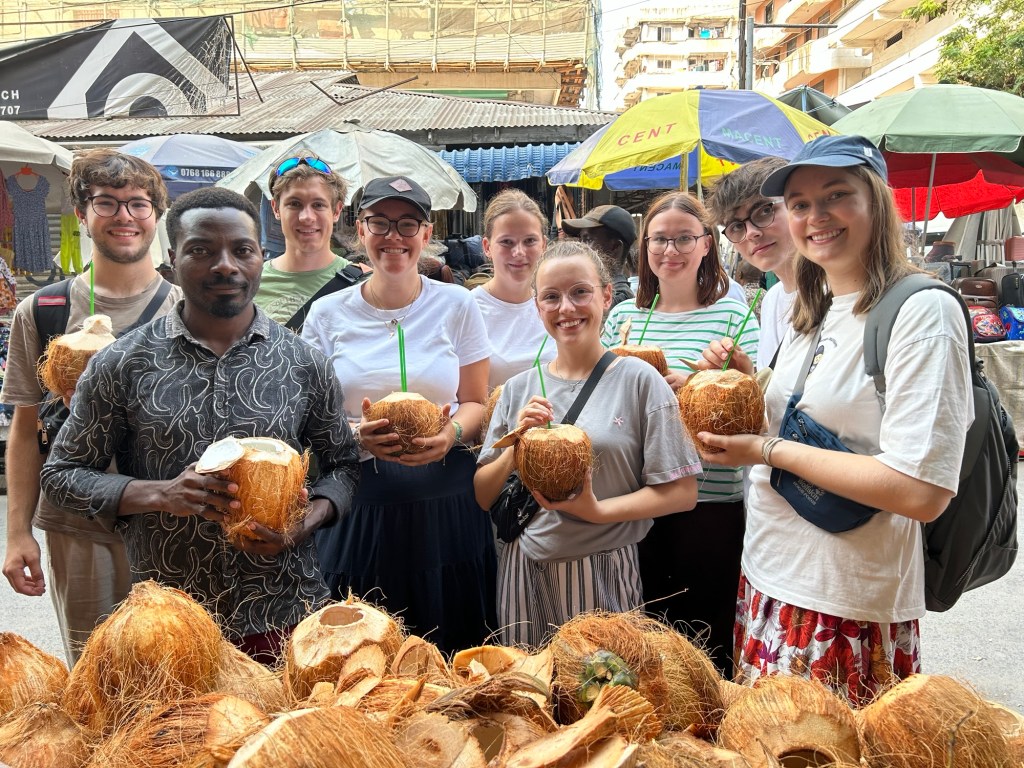
On Sunday, we met a friend (Goodi). He picked us up at Kurasini and we walked through the city. It was quite an experience: crossing the street is really difficult and dangerous because the traffic is so chaotic and everyone just drives however they want. Then there are hundreds of stalls selling mostly the same things, the bajajis (tuk-tuks) drive however they want, the buses have right of way, of course, the pedestrians, i.e. us, try to squeeze between stalls, roads and potholes, and the other cars just drive however they want too. We walked through different neighbourhoods, looked at churches and buildings, and then walked to a fish market, which was also really extreme. The smell was very disgusting, but seeing it was impressive, and the variety of fish was overwhelming. A few weeks ago, I would never have gone to a market like this, but I told myself, ‘This year, I’m going to take in everything I can’ (PS: to you, Johannes), and that’s why I strolled through the market without any problems.
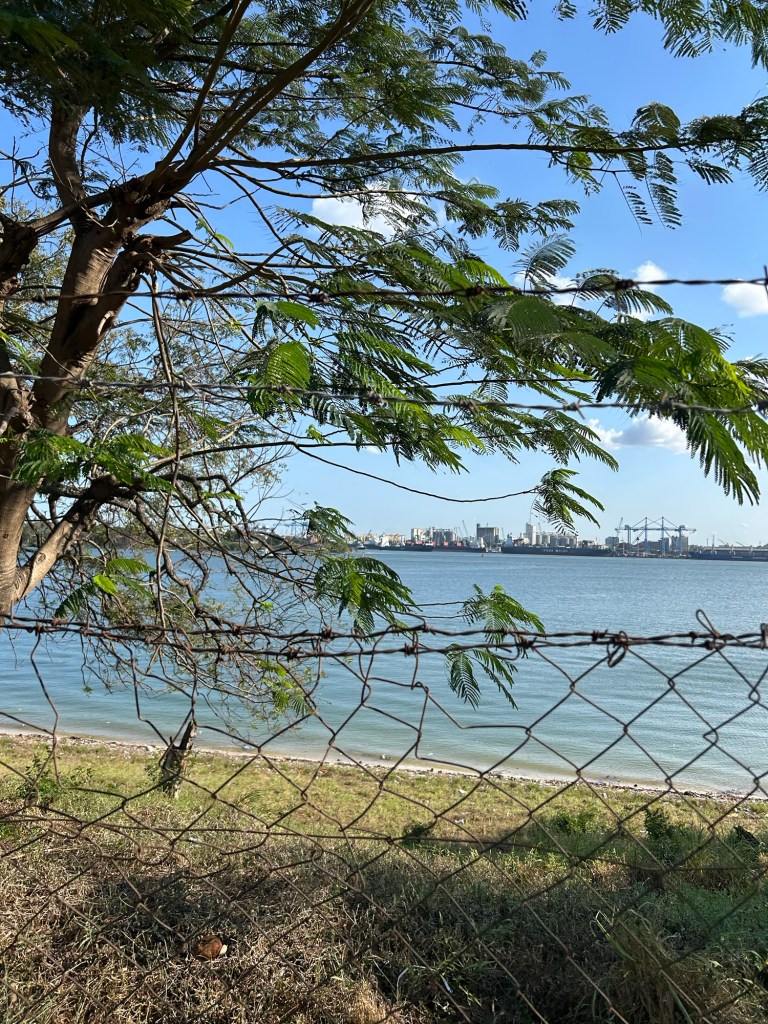
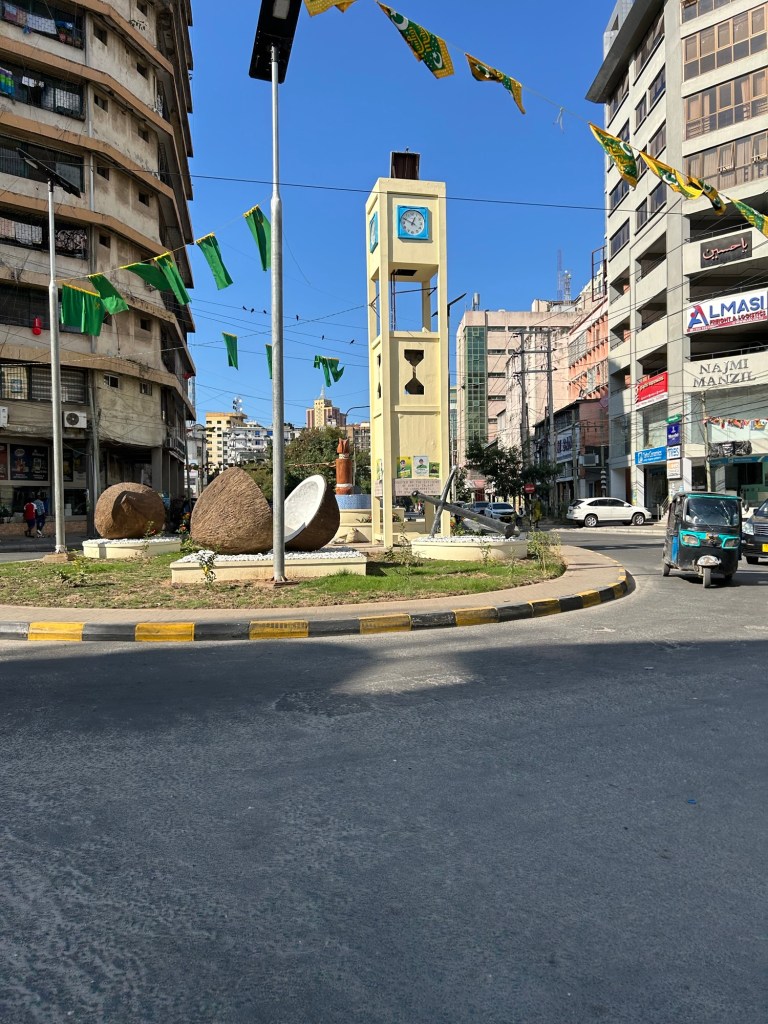
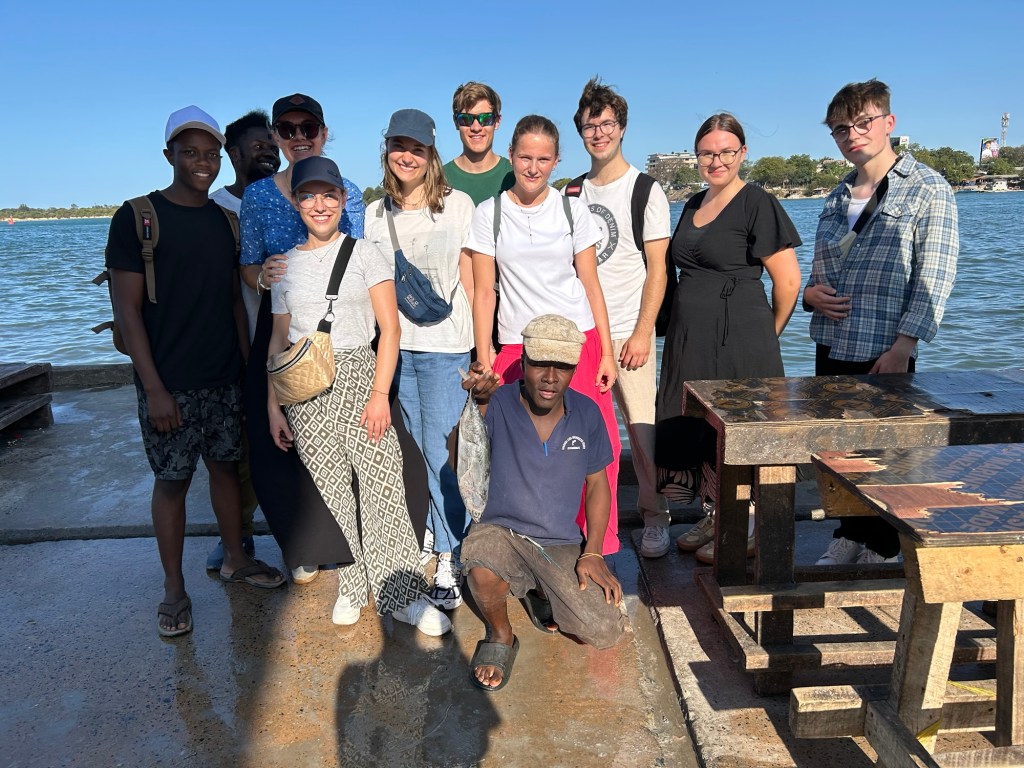
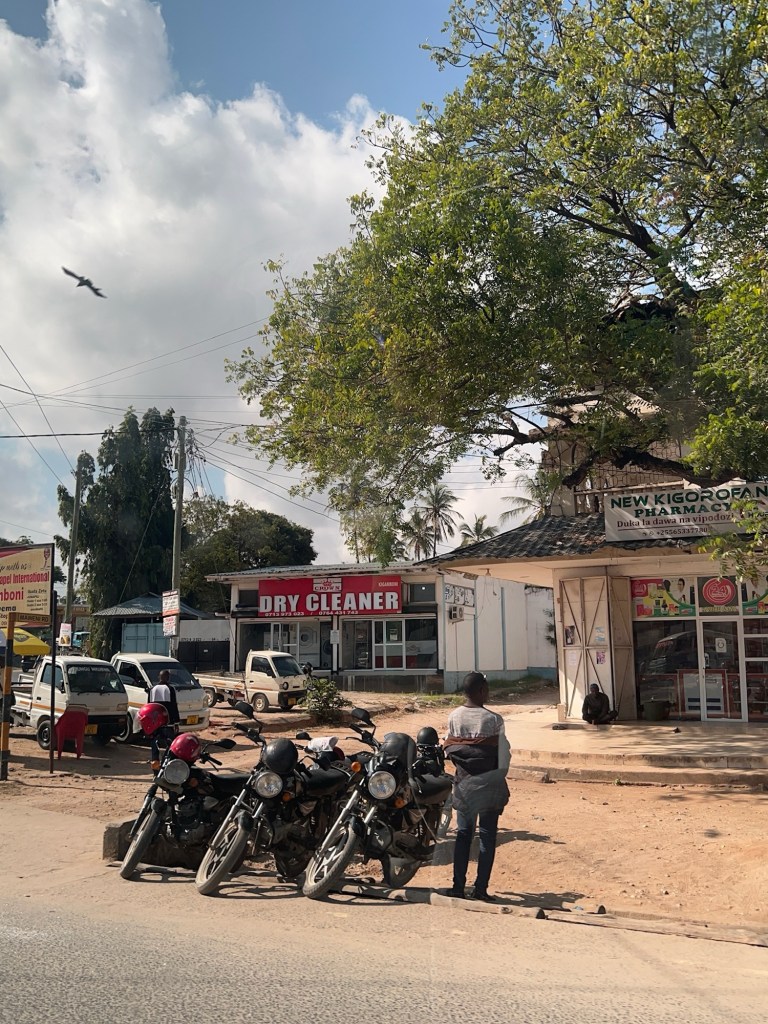
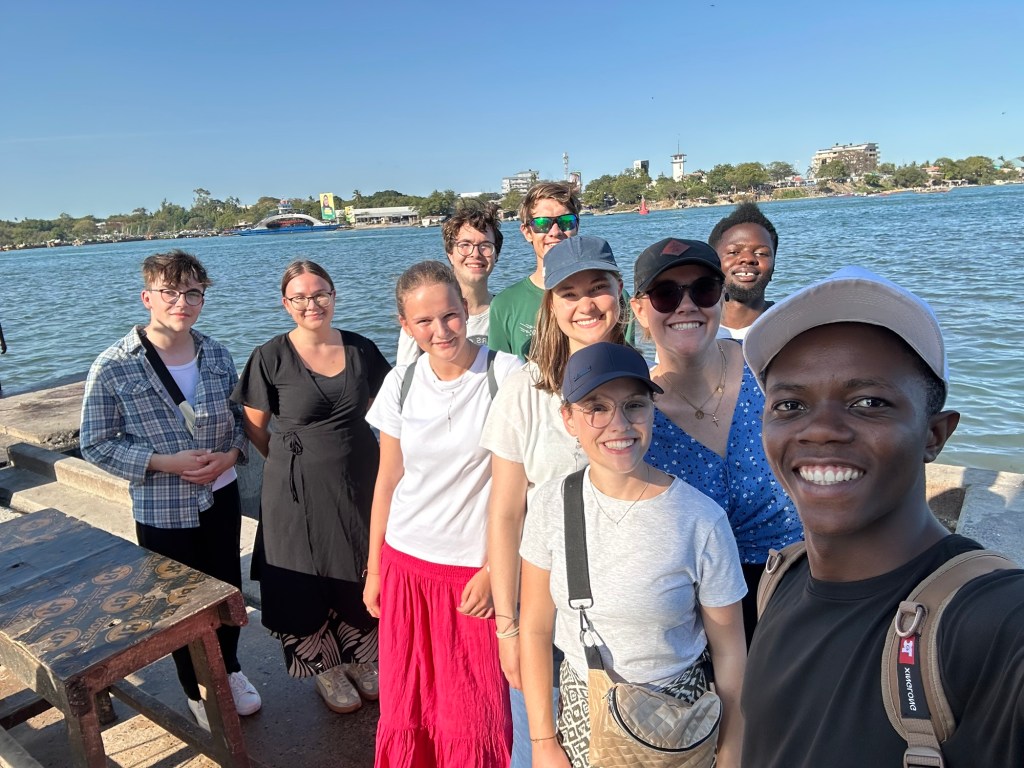
We then took the ferry to the other side of Dar es Salaam. For 500 TZS = 10 cents per person, we travelled to Kigamboni, where we visited another market. There we drank our first Kasaboo juisi = sugar cane juice, which had a very interesting taste but was absolutely delicious. We always try to compare the flavours we encounter here with something we know from the UK, but that rarely works. With kasaboo juisi, we said it tasted like sweet ginger with something else added.😅
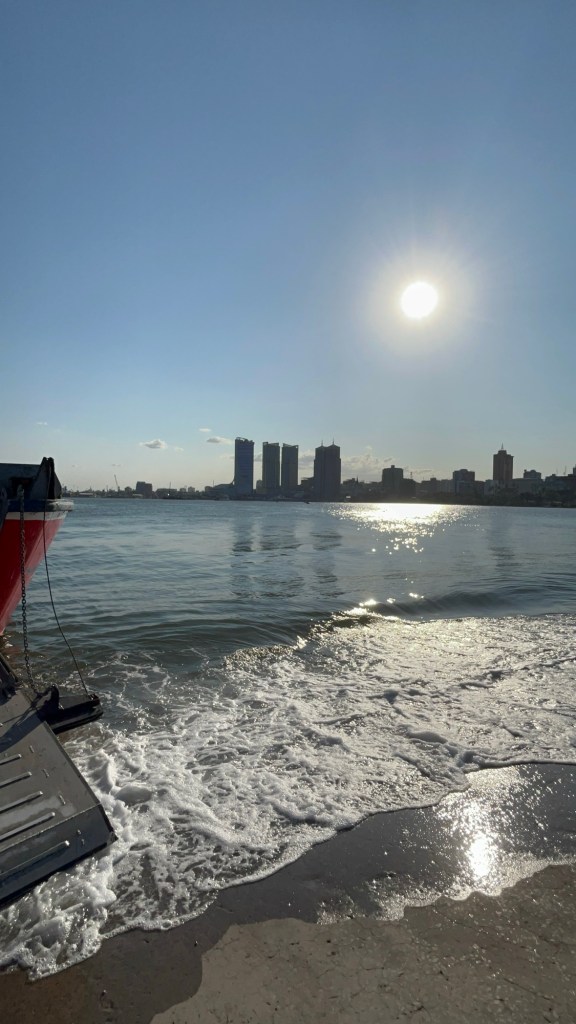
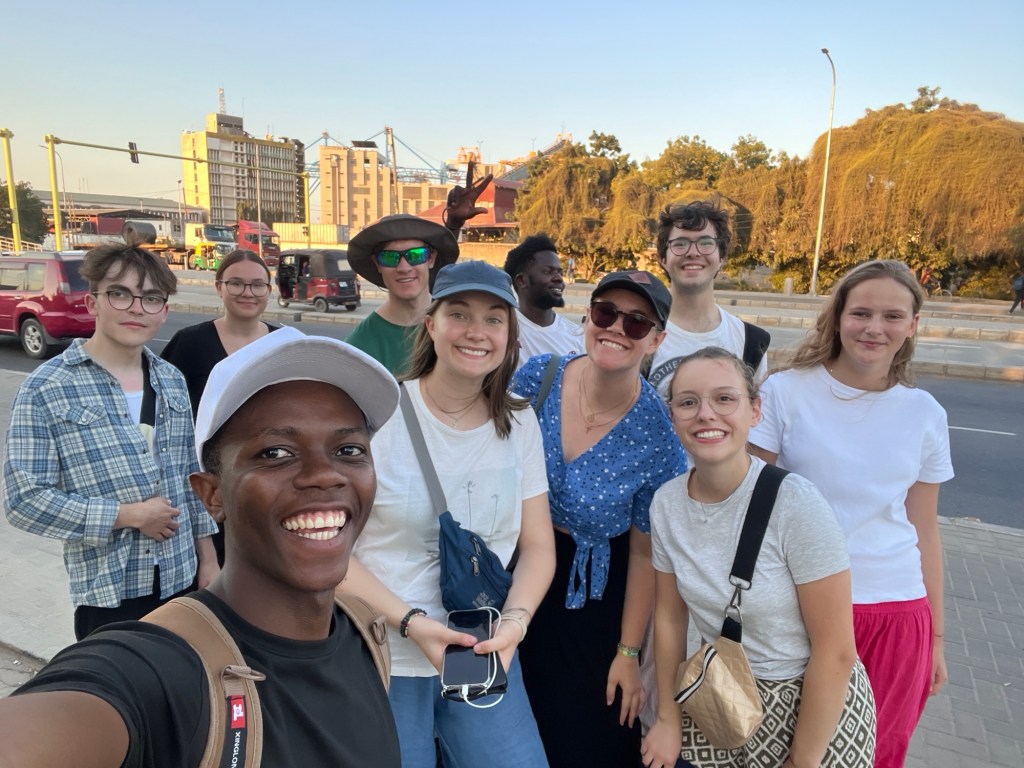
On that day, we were also addressed very often as ‘wazungu’ (white people), whether at the market, on the bus or on the street. Many people here also seek physical contact, which is rather unusual in Germany, but here simply means affection.
Other differences are also very interesting: punctuality is hardly a thing here. An appointment at 2 p.m. usually means 2:45 p.m. at the earliest. For me, as a punctual German, this is really unusual. Or: you can’t use tap water, not even for brushing your teeth. Showers are ice cold and sometimes the water just stops running. Geckos in the bathroom and bedroom are normal, as are power cuts. But the people here are totally relaxed: everything is ‘pole pole’ = slow, slow. They live only in the moment and don’t really think about the future, not even the next day.
Even though I was ‘only’ taking a language course in Dar es Salaam, I already felt like I was right in the middle of my international volunteer service. I can already see how worthwhile it was to do this right after finishing school. I’ve learned so much already, and I’m infinitely grateful for that!
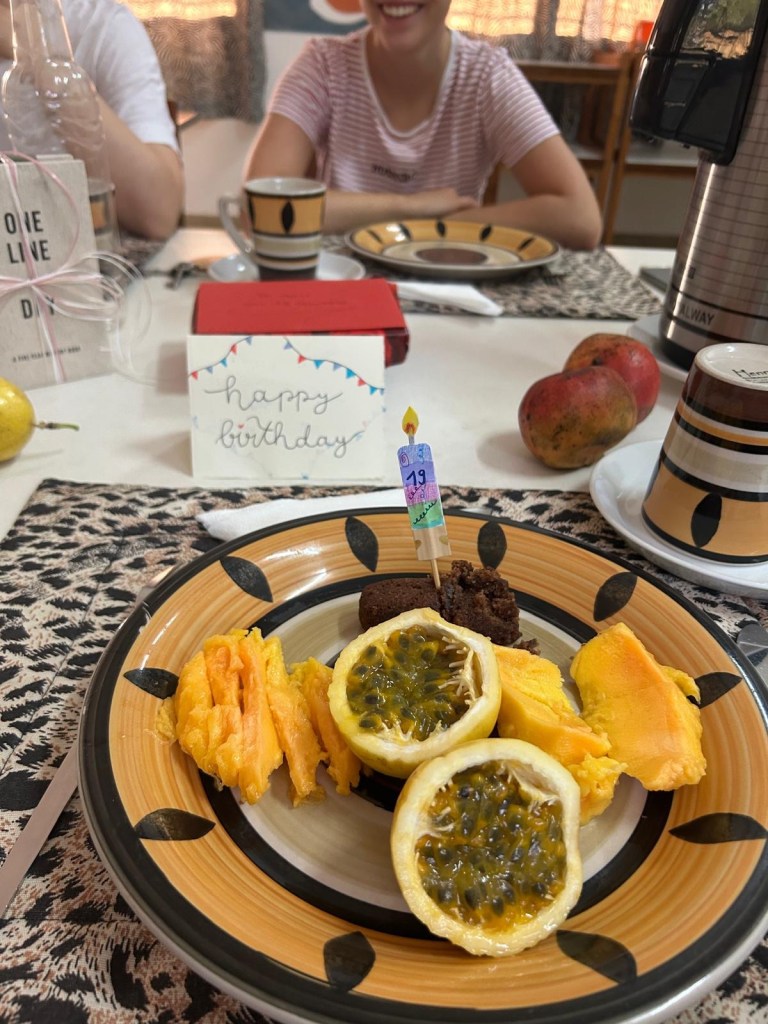
But my absolute highlight was my birthday on 16 September. The day started with a perfect breakfast, then I went to my language course, where a Tanzanian tradition was immediately carried out and everyone splashed me with water. This is supposed to bring good luck, and normally they pour the water over your face in bed in the morning, but I got the lighter version😅
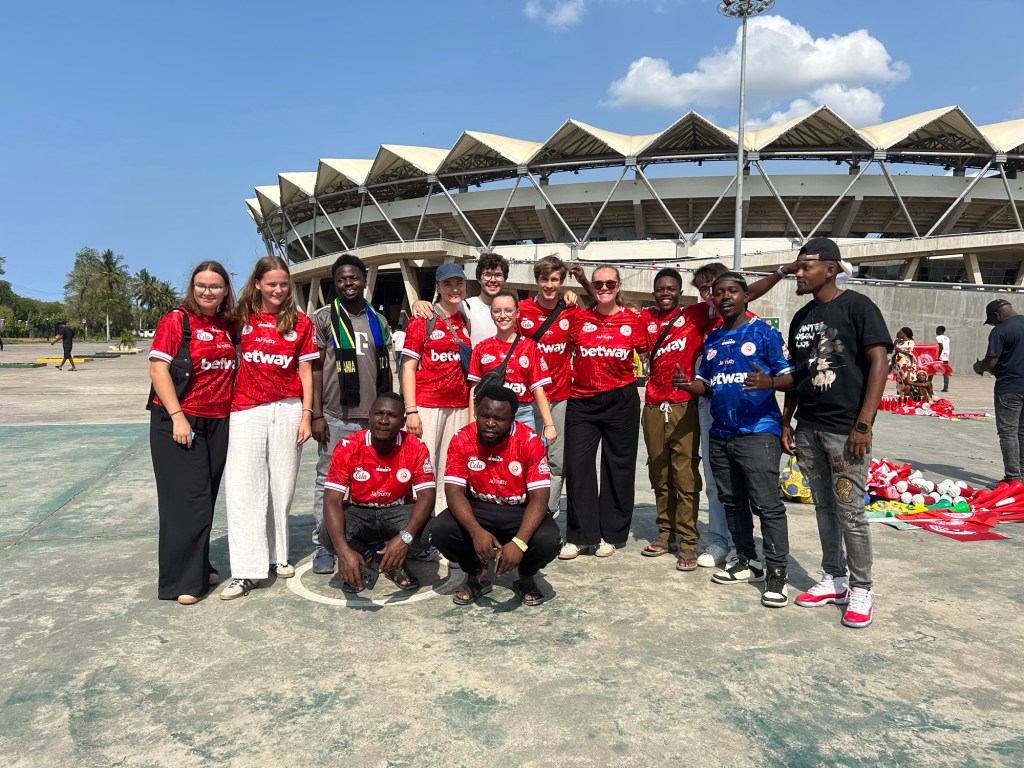
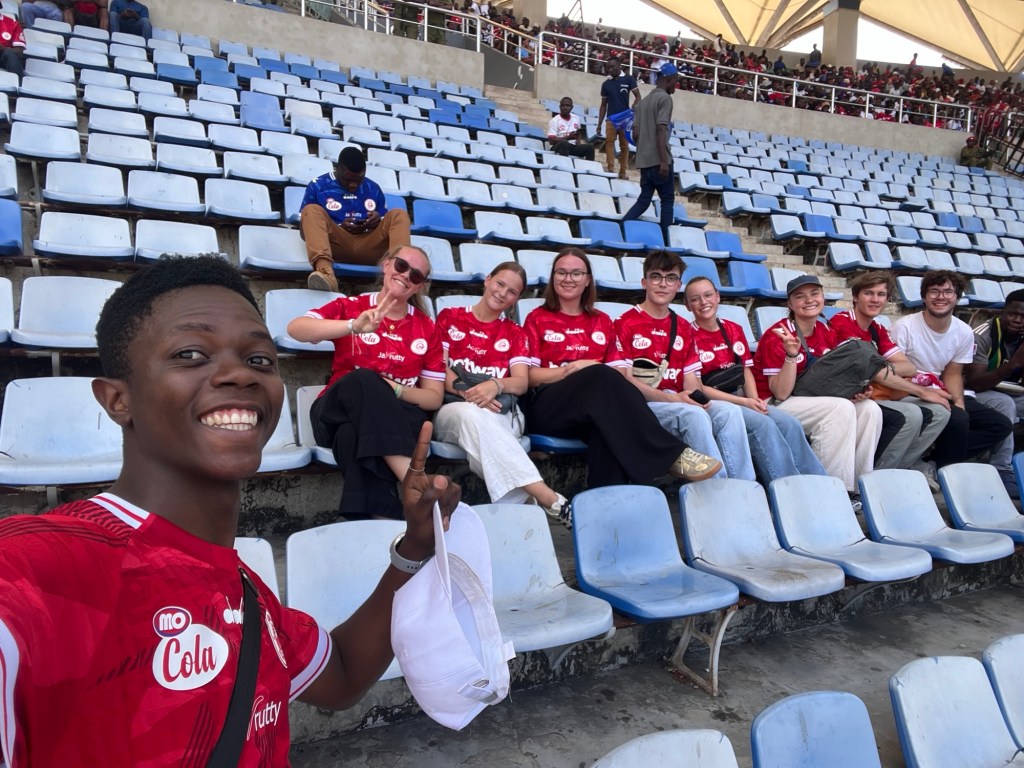
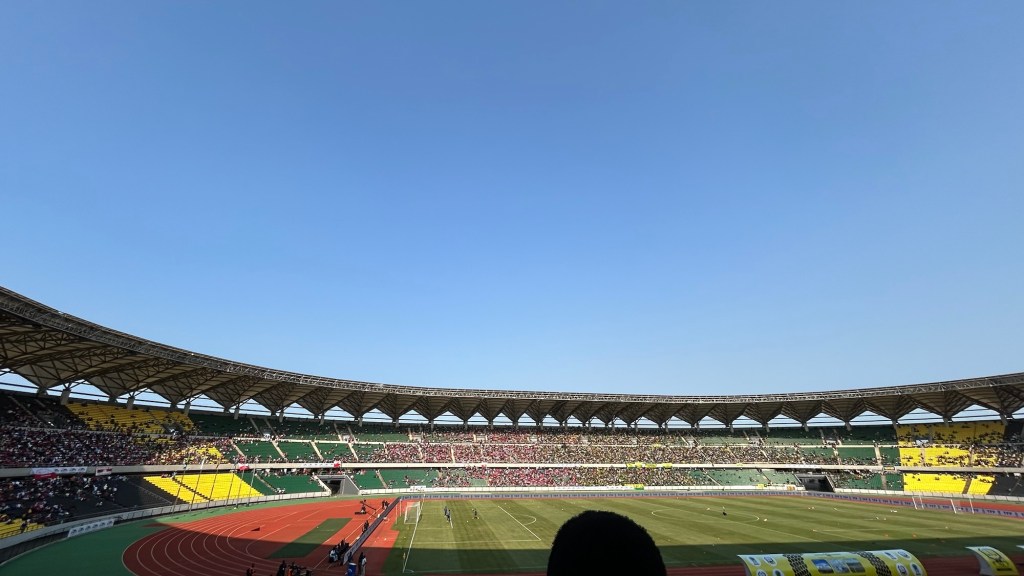
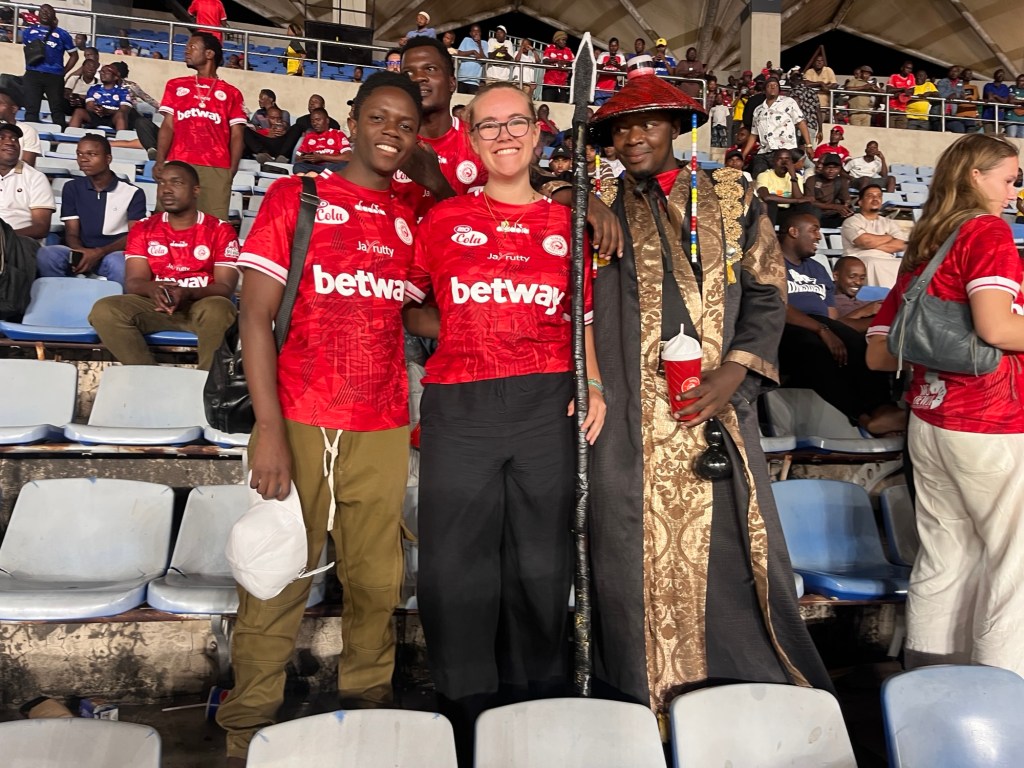
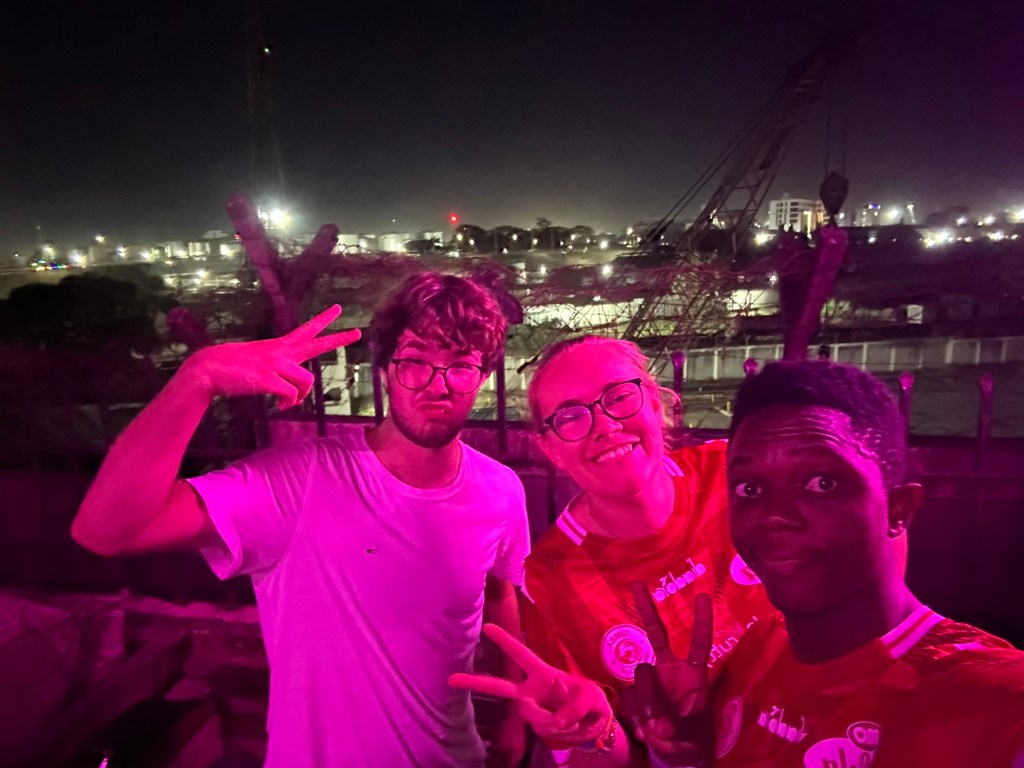
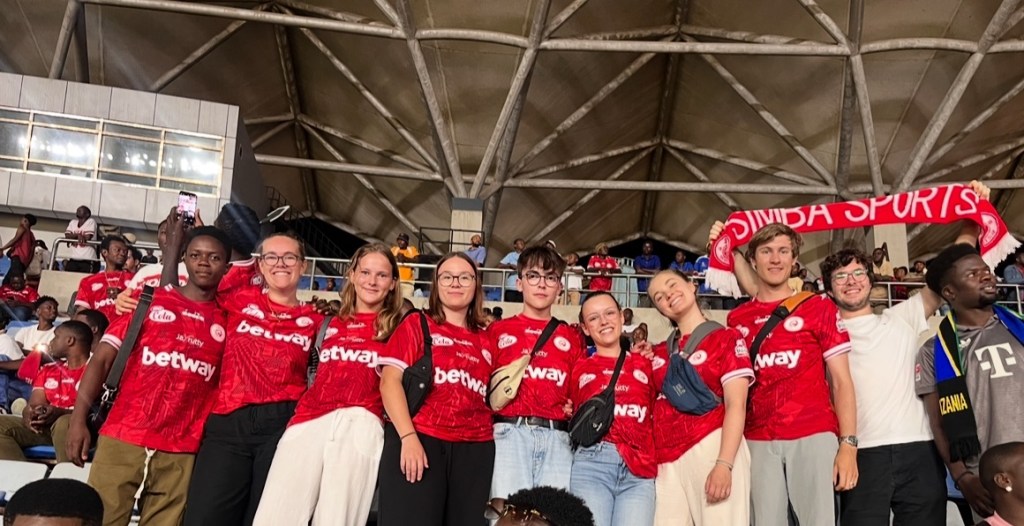
In the afternoon, we went to the stadium to watch Simba play Yanga, a highlight for which we had even bought Simba shirts beforehand. Together with Goodi and Henry, we enjoyed the exciting match, which was special because we weren’t sure at first whether we would be able to go at all. This made the atmosphere all the more enjoyable, and the evening was truly special. We returned by bajaji and later celebrated in a bar with music and dancing. It was a perfect day in every way.
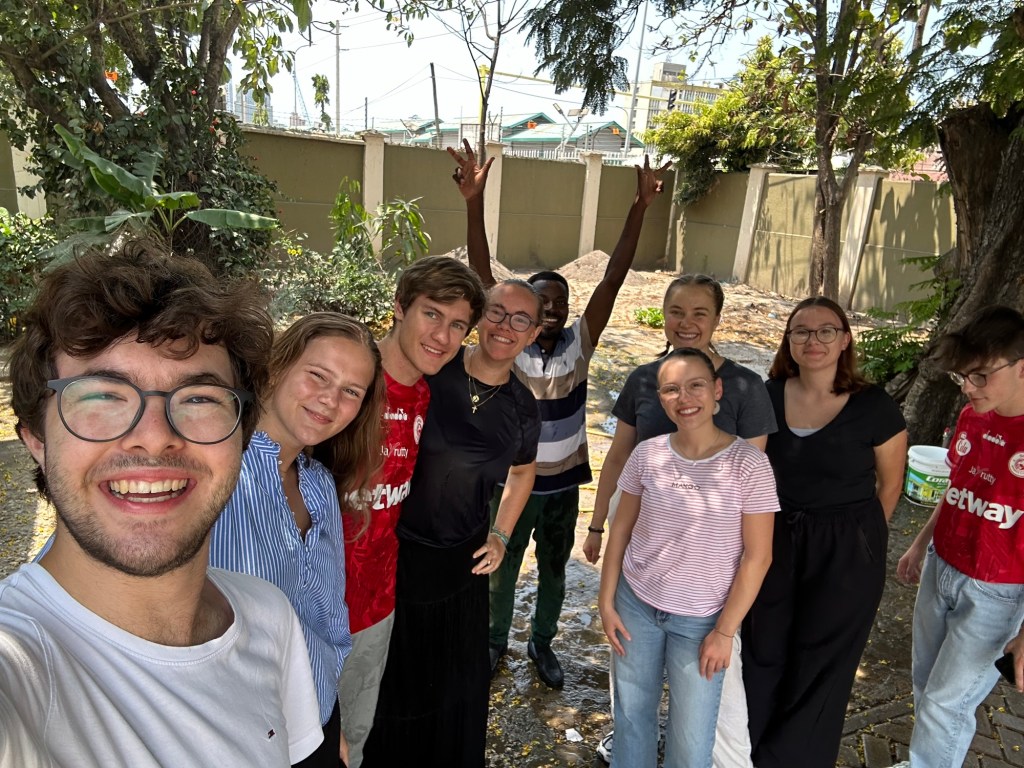
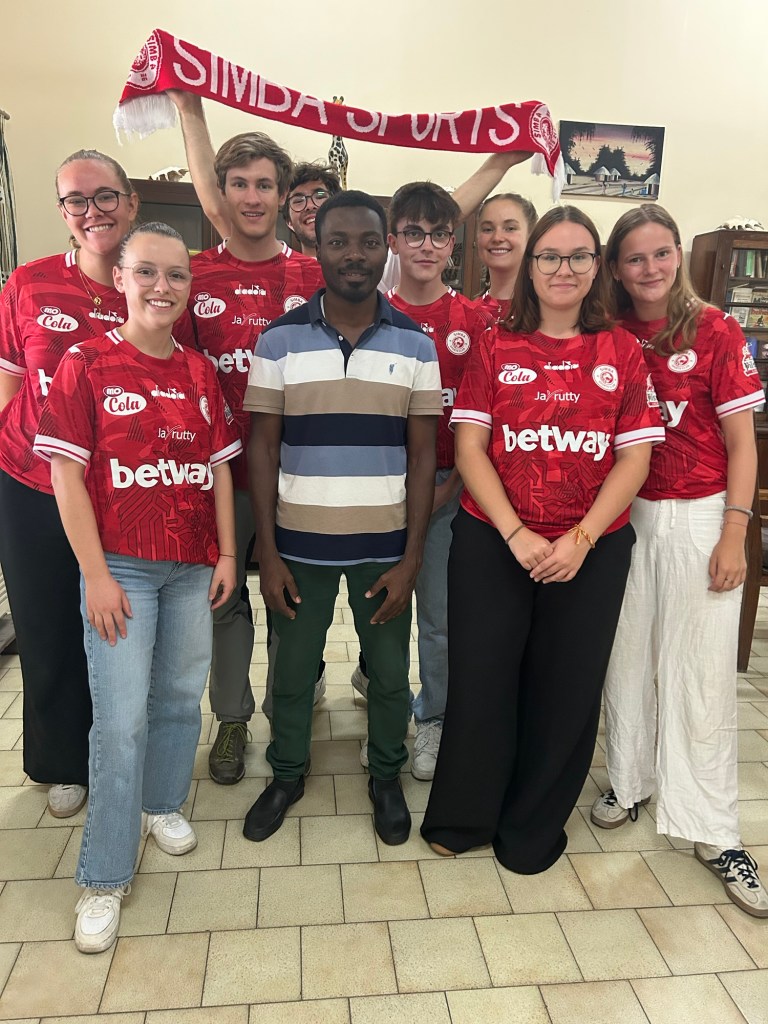
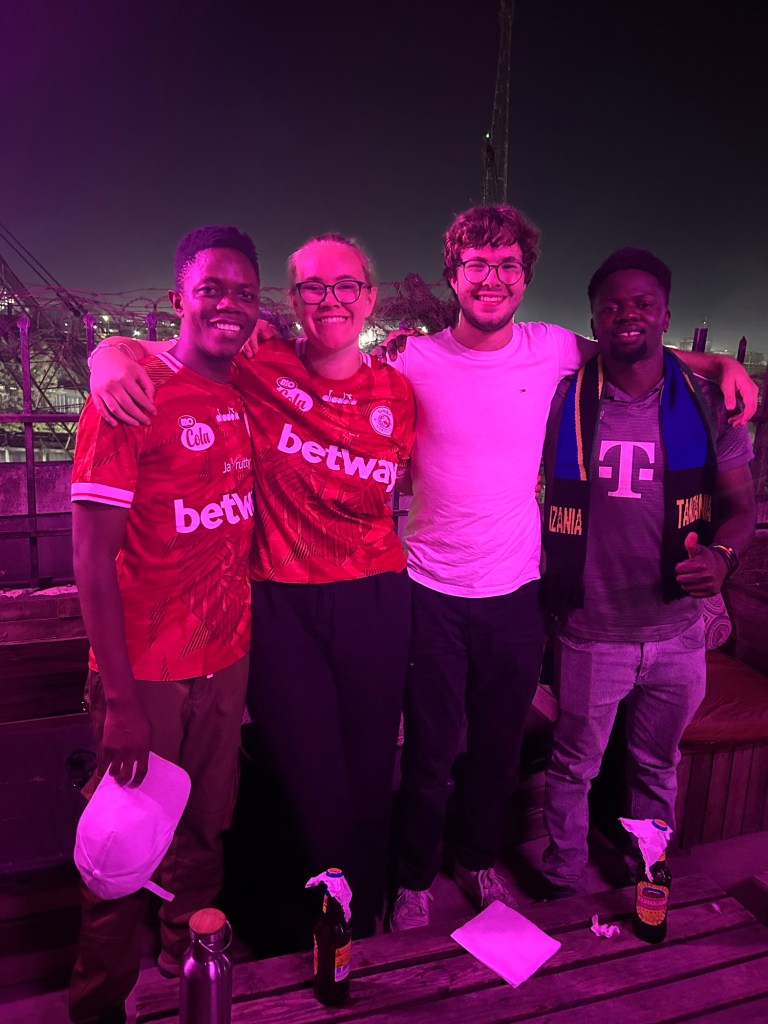
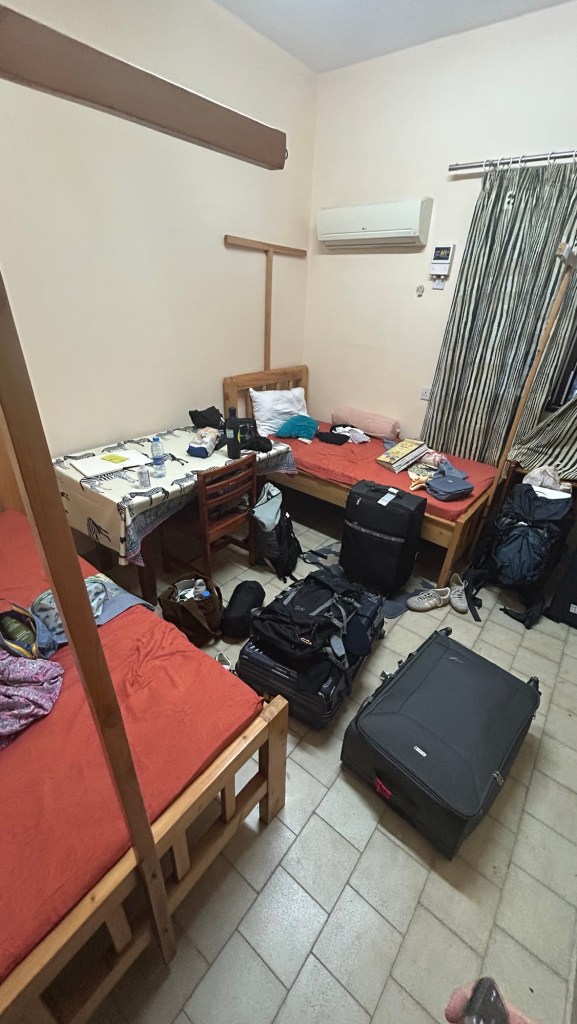
In Kurasini, I shared a room with Philippa, my fellow volunteer. At first, I thought it might be difficult because we spend all day together anyway. But it was actually the complete opposite. I am so glad that we shared a room; we had so many fun and wonderful moments, especially in the evenings. We grew really close and could talk about anything and everything. Now I’m even more excited to be with her in Rulenge, and I’m so grateful to have her as my fellow volunteer.
Precisely because there were so many wonderful moments, I also realised during these two weeks that life here is not just about sun, sand and good vibes. Alongside all the great experiences, I also saw and heard things that made me very thoughtful. And that is exactly what I want to share here, because they are just as much a part of reality as everything else.
First of all, it is important to me to say that everything I write is only my personal impressions, influenced by stories told by local people. I am not an expert and was unable to obtain independent information. But that in itself is a problem: information is difficult to access here because the media is very controlled. It is particularly difficult to find out anything about international affairs. European news about Tanzania is often very different from what it is really like or what you see here.
A brief overview for you:
Presidential elections are taking place in Tanzania on 29 October, but we hear very little about them because a lot is happening behind the scenes. Even when the president died in 2021, the full truth was apparently not made public, which sparked unrest. Since then, a female president has been in office, and a lot has changed, e.g. restrictions on neutral media and the fact that protests are banned. There were demonstrations in Dar es Salaam that ended in violence and even gunfire. We could hear this from our apartment building, and when we drove through the city, we could also see such demonstrations. Many people are becoming increasingly restless and are trying everything to prevent the president from being re-elected. However, there are many interrelated factors, and many people are working together in unfair and illegal ways. People who freely express their opinions and speak out against the president are beaten up or sent to prison. Instagram channels are being blocked, social media sites are being blocked, so you have to re-register so that the government can see what you post. Overall, it seems that under these conditions, the elections will not really be free and fair. For many here, the outcome is probably already clear, because free expression is not possible without consequences and manipulation is suspected.
As a German who has always fought hard in her hometown for the right to freely express one’s opinion, especially at school, where I often had to fight for it, it is shocking to see that such a thing is forbidden here. In Germany, I often took part in ‘demonstrations against the right wing’, and now I am experiencing that this is not allowed here and that you are punished for it.
My time in Dar es Salaam coincided with the most intense phase, as it was so close to the elections, and it wasn’t as intense in previous years. After the elections, the situation calms down again. It was just so shocking for me that when I googled politics in Tanzania from Germany, I read almost nothing but positive things, and now I see it from a completely different perspective.
Some days I had quite a headache because there was just too much information to process and then, of course, there was a new language to learn.
Yes, and after 17 days in Dar es Salaam, we continued on to Mwanza on 20 September.
In Dar es Salaam, we experienced Tanzania from a completely different perspective. Nothing happened to us and we got away unscathed, but the experience was still very frightening, so I would like to share it with you:
Early in the morning, we drove to the airport in Dar es Salaam to allow plenty of time and check in our extra luggage.
At the counter where we wanted to check in our luggage, we learned that it would be cheaper to check in the extra luggage at another office outside the airport. There were four of us at the airport: Leni and Jason were flying with us to Mwanza and then on to Bukoba. And then, of course, Philippa and I were also flying to Mwanza and then on to Rulenge. Then a porter came and weighed the luggage and wrote down the weights. He then said that two of us should come with him and he would take us to the office outside. So Leni and Philippa waited with our luggage inside the airport at the baggage counter, while Jason and I followed the porter.
But outside, the situation suddenly changed. The porter walked us away from the airport to a spot where there were no people and suddenly demanded 400,000 shillings (approx. €140). When we asked about the office, he said there was no office and that we had to pay him or our luggage would not be brought to us. When we tried to negotiate the price, he pulled a knife out of his trouser pocket, where it had been covered by a cloth so we couldn’t see it. That’s when we got really scared.
We quickly gathered the money. I glanced around and saw some police officers. But the porter just looked at them, they nodded to each other and then turned away. That shocked me particularly and showed me how sick the whole system is. I always thought that when I saw the police, I was safe and could shout if necessary. But here, the police are part of this whole corrupt system and they do nothing. Then we wanted to give the porter the money, but he insisted on going back inside and giving him the money in the toilet, where there were no other people. So we followed him back inside. When we got back to the airport, we first had to go through a security monitor. When the porter walked through, the monitor didn’t beep and he nodded to the person again and was allowed to walk through, even though he had a knife with him. That’s when it became really clear to us that they were all in cahoots.
Then we went to the toilet and gave him the money. He kept his hand on the knife the whole time, and there was no one else in the toilet except us. He then went back to the counter as if nothing had happened. He told us that our luggage had been checked in and that we could go to the gate.
A little later, he showed up there again and demanded more money. We said we didn’t have any more money, and then he looked at us really angrily and didn’t want to believe us. A security guard came over and asked what was going on, and the porter answered again. Then the security guard stood in front of the porter so that no one else could see him. When he finally accepted that we really didn’t have any more money, he told us that he had booked our suitcases under the wrong names and then he just left. We were worried again because we didn’t know if our luggage would even make it onto the plane, and if not, we would never be able to track it down because the names were wrong.
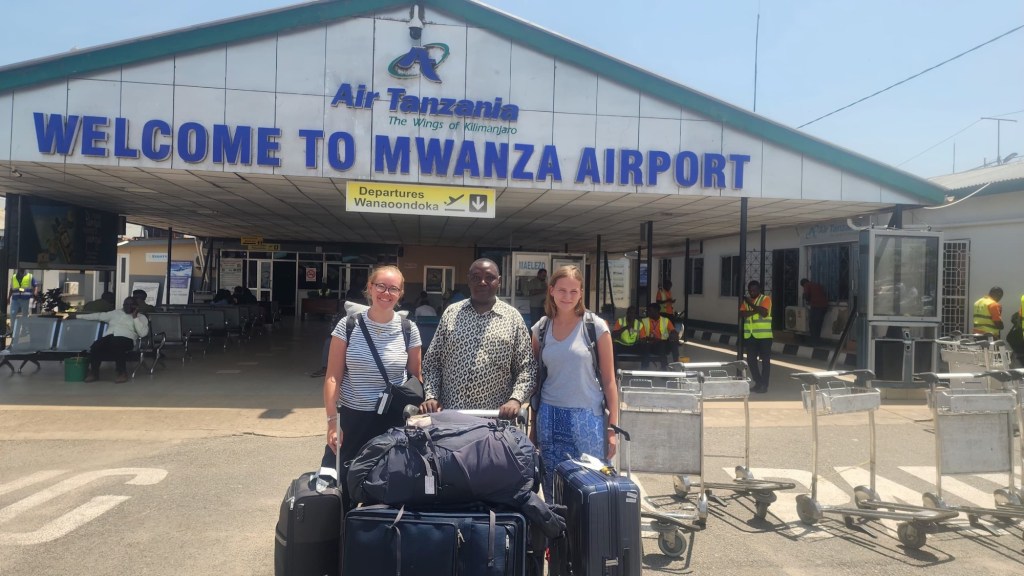
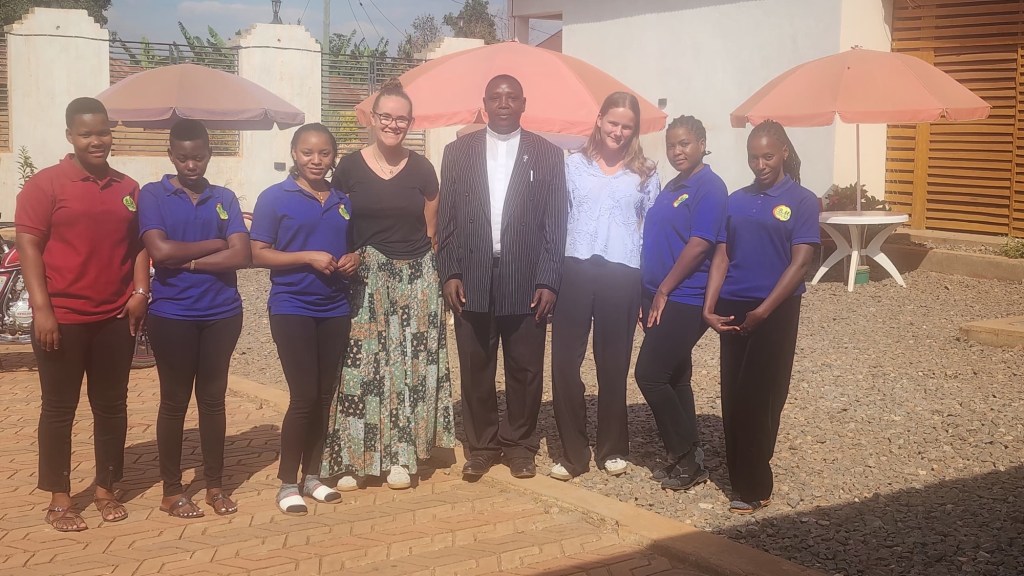
Fortunately, everything ended up safely on the plane. The flight itself was pleasant, the view fantastic, and in Mwanza we were very happy to see our lovely mentor Father Denis. He took us to the hotel, where we could relax a little. Then the shock wore off, I called my family and cried because I had never been so scared before.
Even though the whole situation probably sounds much worse to you now than it was, it’s important for me to say: we were never in any serious danger!
The situation was completely overwhelming, and experiencing something like this for the first time really scared us, but at the same time it taught us a lot about the country: We saw how some people are forced to demand money in extreme ways. It was never about hurting us, but it is precisely this fear that makes them get what they want.
The experience taught us how careful you have to be not to simply trust strangers, and how strongly everything operates under a system that encourages this behaviour. The police, whom I could always count on in Germany, are not the same here; you can’t rely on them here.
Despite our fear, we got away unscathed. The experience has not only made us more cautious, but also more realistic, especially when it comes to life here and the difficulties of the people who live in this system. I am really grateful for that, even if it sounds totally weird now.
The first few days in Mwanza were very nice and relaxed. That was really good after all the excitement. Father Denis showed us around the city, helped us apply for our residence permits and took us to important places such as the hospital so that we now know where to go in an emergency. We ate a lot, had great conversations and saw a beautiful sunset over Lake Victoria. Compared to Dar es Salaam, Mwanza was much quieter, the people were more reserved and there was no physical contact in the middle of the street.
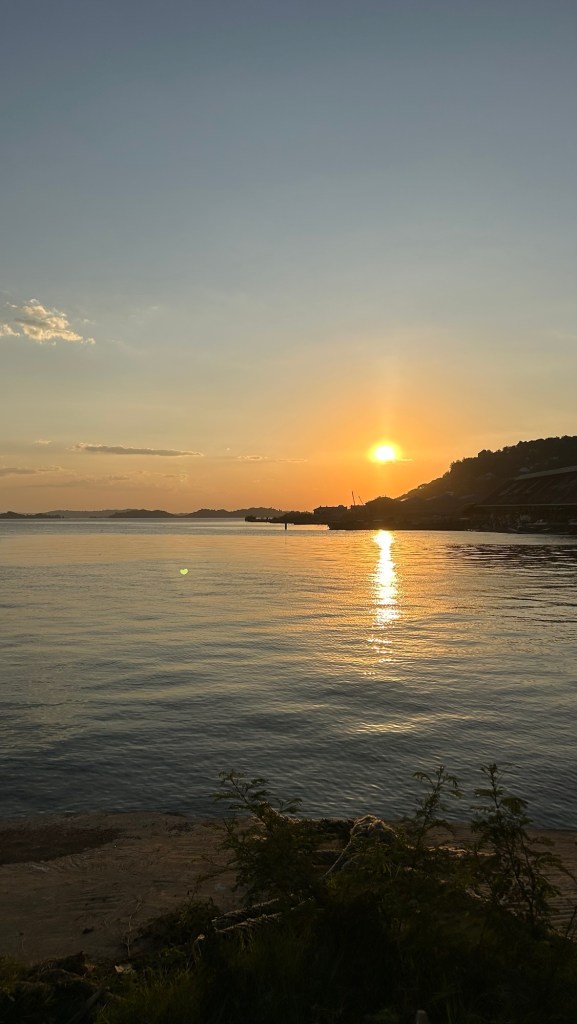
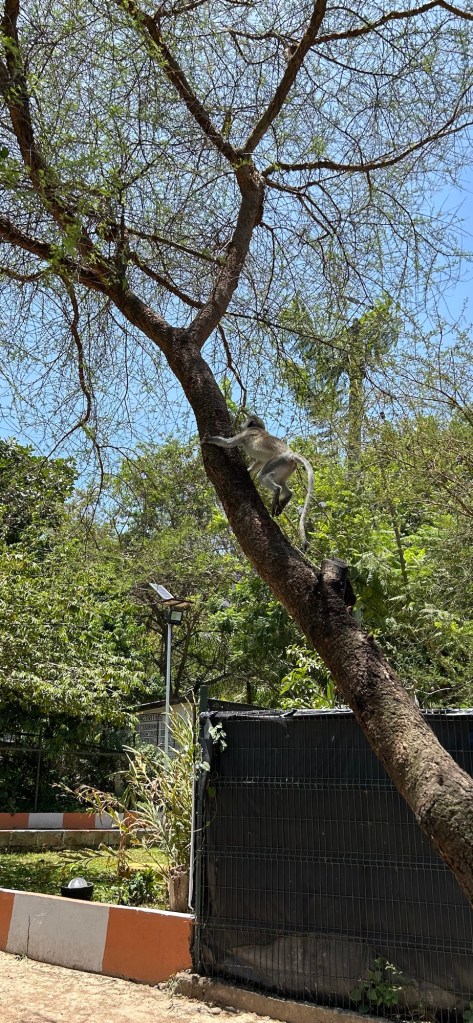
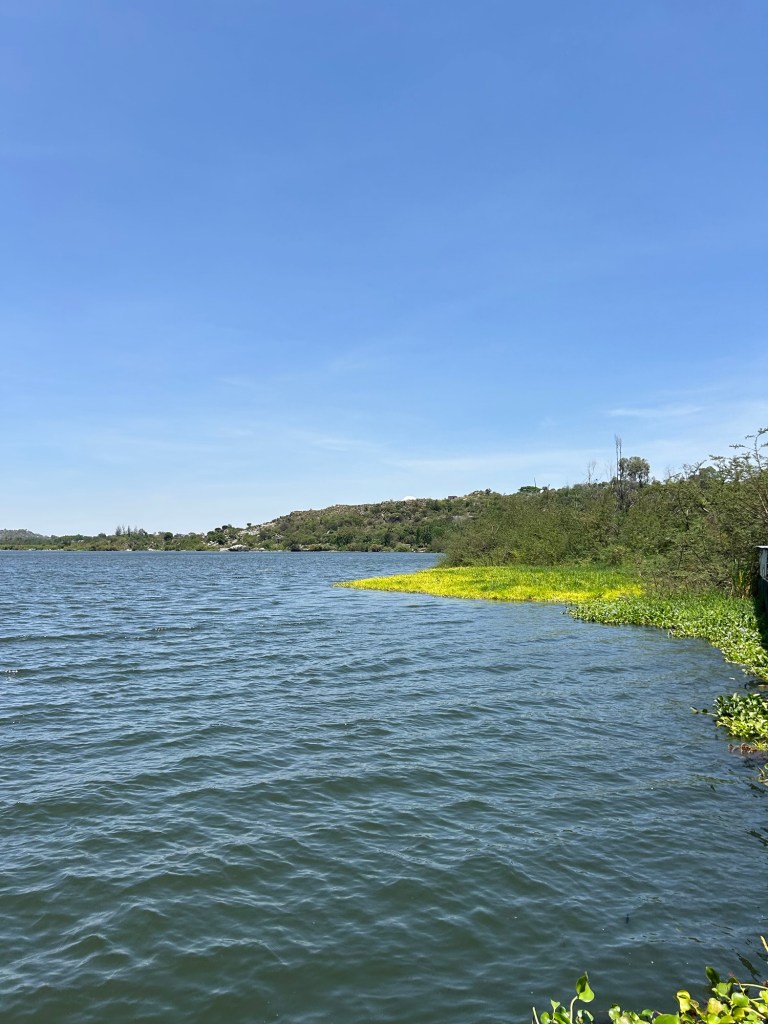
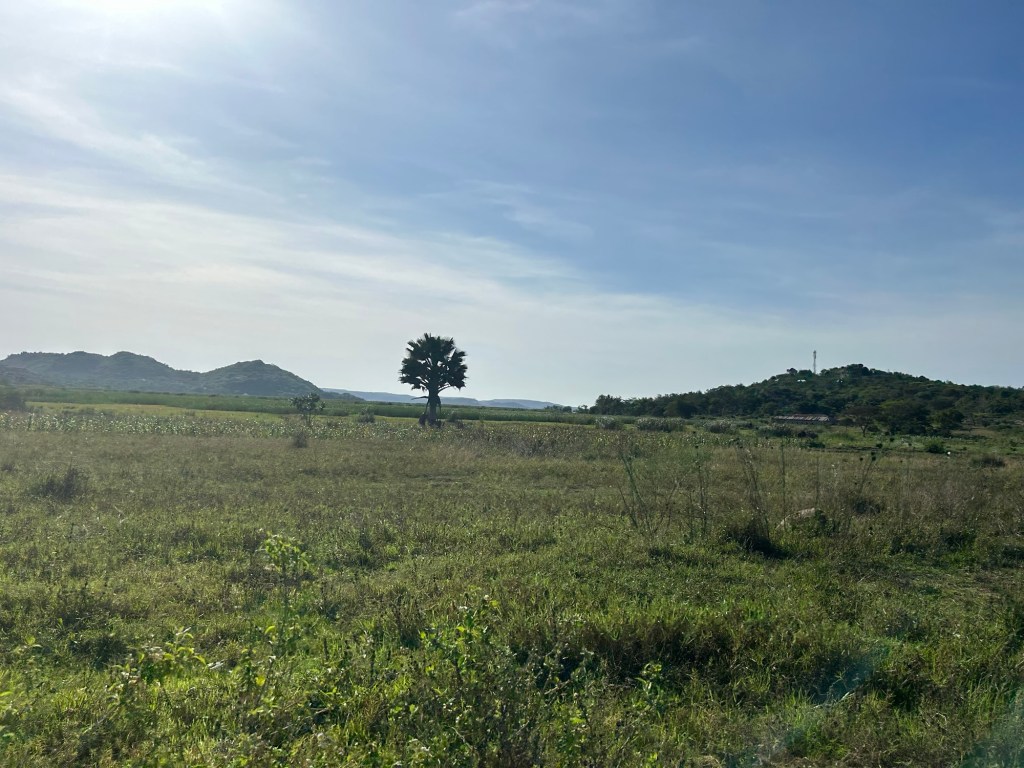
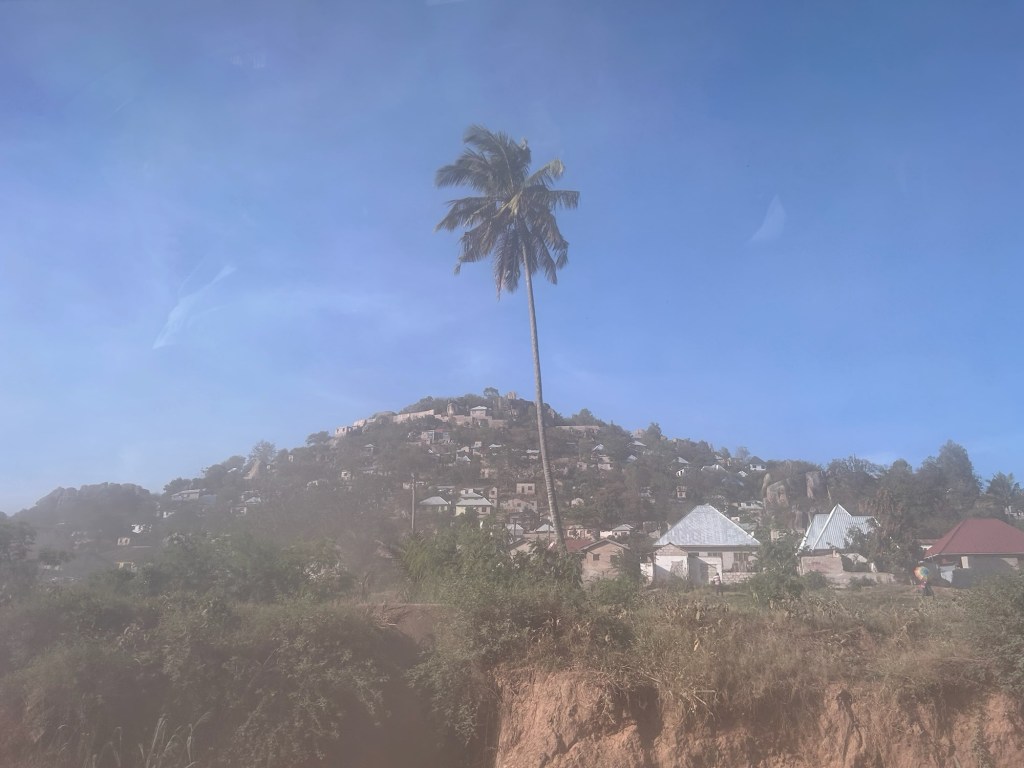
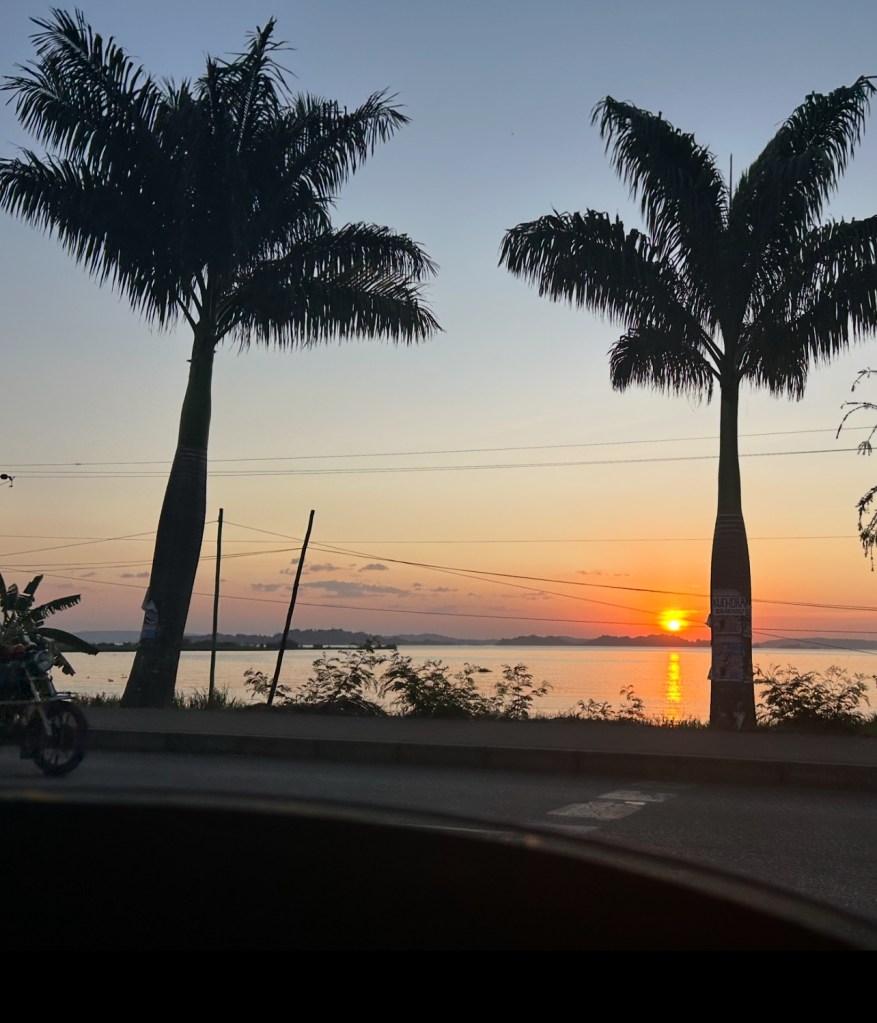
On Saturday, we slept in, had breakfast, withdrew money and exchanged currency. Then we went on an adventurous drive through the city, through a park with animals, lodges and a direct view of Lake Victoria. We saw monkeys, even the first warning signs for crocodiles and, from a distance, one lying in the lake. It was a really nice, relaxing day, and we ended the evening together with food and drinks.
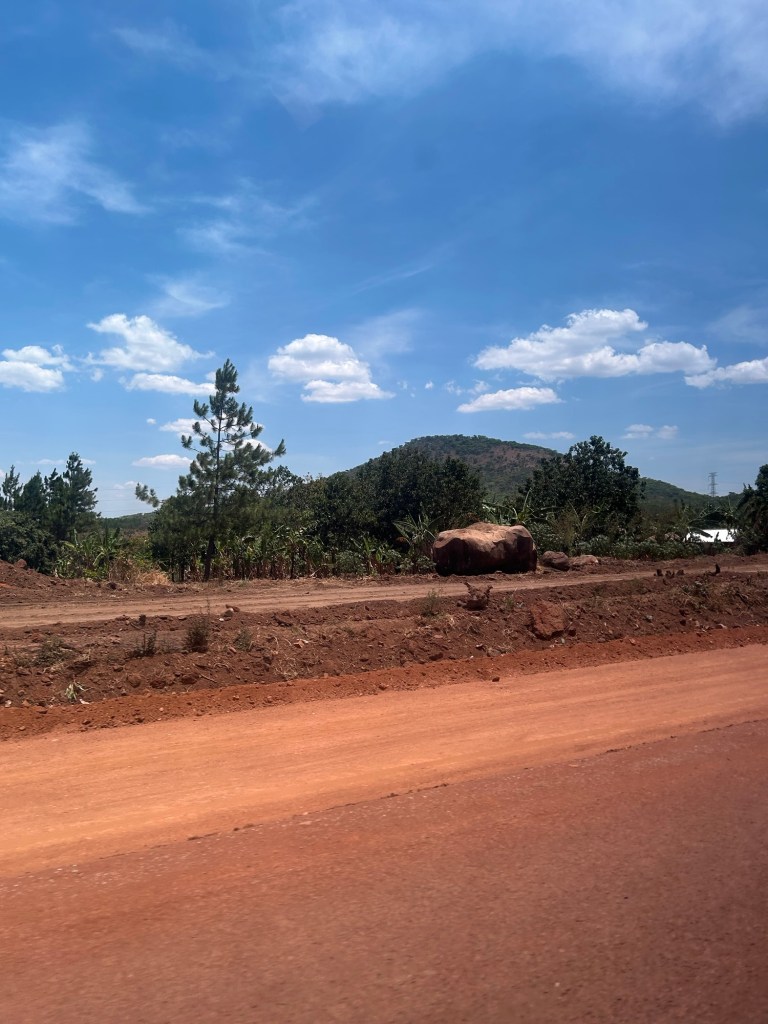
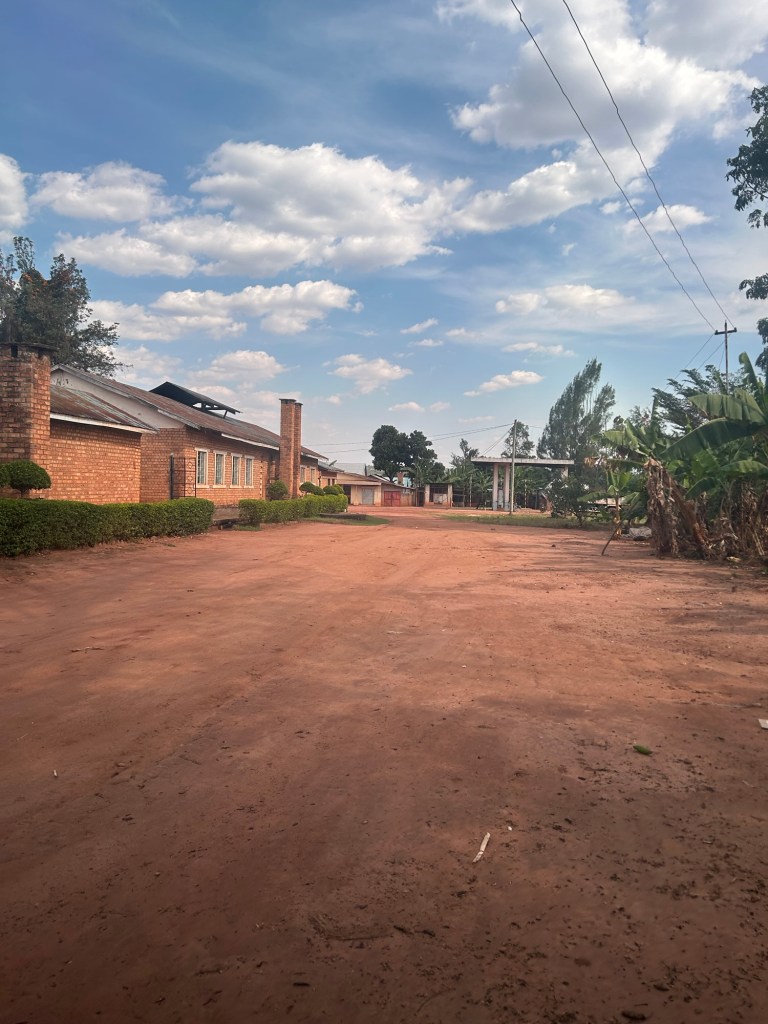
On Sunday (yesterday), we travelled to Rulenge. I was so excited, and the eight-hour journey was very tiring on the one hand, but incredibly exciting on the other, as we got to see so much of the region. In the evening, we met our other mentor, Beatrice, in Rulenge and moved into our house. But more on that soon!
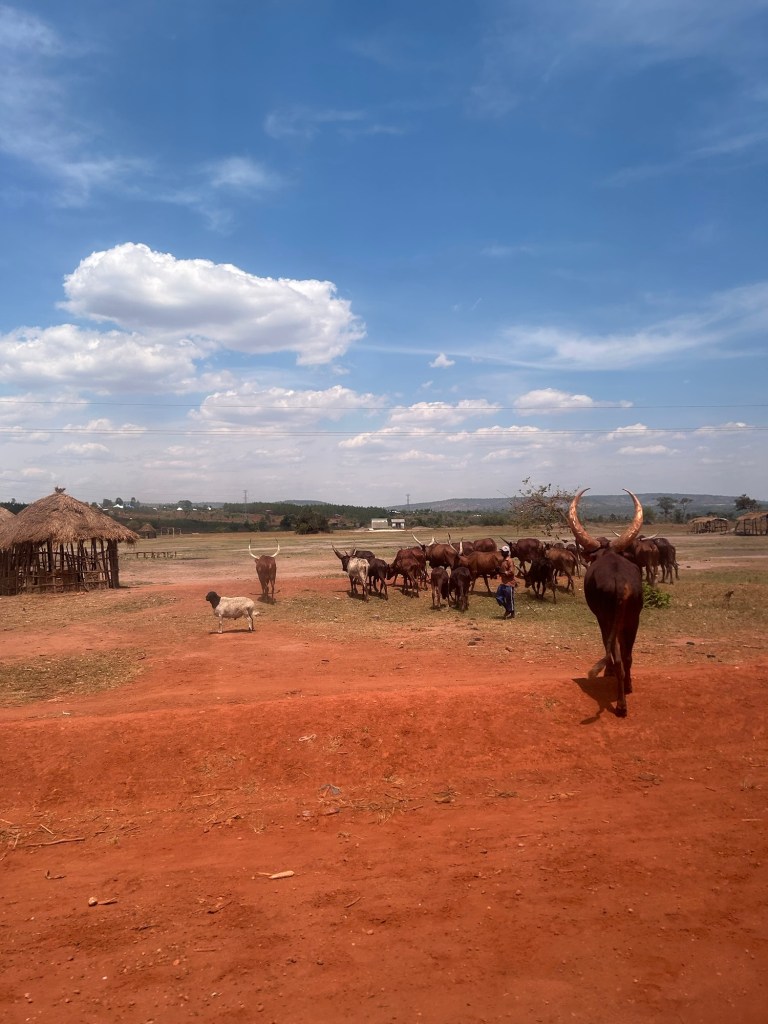
So, now I’ve reached the end! As you can see, so much has happened in just these three weeks alone – let’s see what else the next year has in store. I’m really excited!
But there’s one more thing I’d like to say:
Over the last three weeks, I’ve become extremely aware of how much freedom and privilege I have at home and that I’ve always taken it for granted. That’s exactly why I don’t just want to post beautiful photos and videos, but also show the not-so-beautiful impressions, even if I don’t have any pictures of them. Both are part of it. And I can already say that this international volunteer service is absolutely worthwhile because I am learning something new every day. Not about the country and the culture, but about humanity and about myself. I may be on a different continent, but we are still on the same planet! ‘Same planet, but different worlds.’
And with that, I say: see you soon and thank you for reading my blog post🫶❤️


Kommentar verfassen