Mambo! Hamjambo?
Niko hapa Rulenge sasa hivi, kijijini kabisa! Maisha hapa ni tofauti sana na Ujerumani, lakini nayapenda sana na watu wake ni wakarimu sana. Kila siku kuna kitu kipya cha kugundua. Karibuni kwenye blogi yangu mpya, kuna mambo mengi ya kusimulia leo!😍
Hey, what’s up? How are you all doing? I’m currently here in Rulenge, right in the middle of the countryside! Life here is very different from Germany, but I absolutely love it and the people are super friendly. Every day there’s something new to discover. Welcome to my new blog entry: I’ve got lots to tell you!😍
From now on, I will be posting every blog in German and English, because many of my friends don’t speak German. You can just choose the language you prefer.☺️
After two and a half months in Tanzania, I am still amazed at how much has happened here in such a short time. Our arrival in Rulenge and our move-in at the end of September were a huge highlight, and now it actually feels like home. At first, getting to know Rulenge was of course high on the agenda: visits to the market, lots of new people and immersion in Tanzanian life. Every day brings new impressions, warm encounters and little culture shocks that make me laugh, marvel and sometimes even swallow hard.
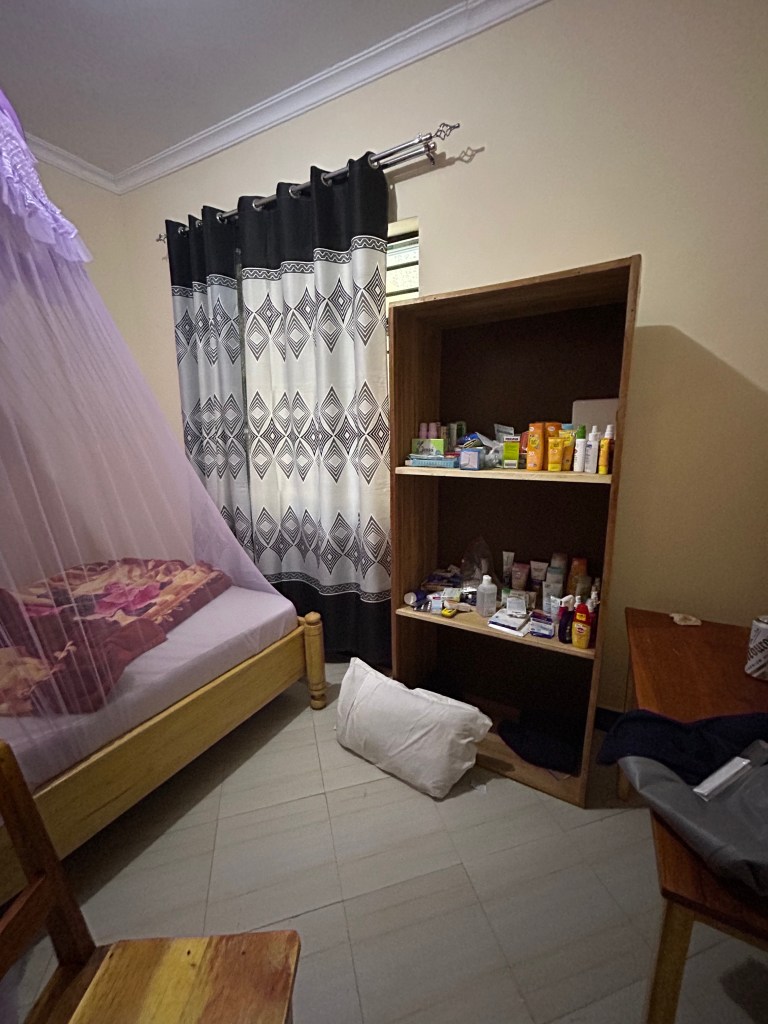
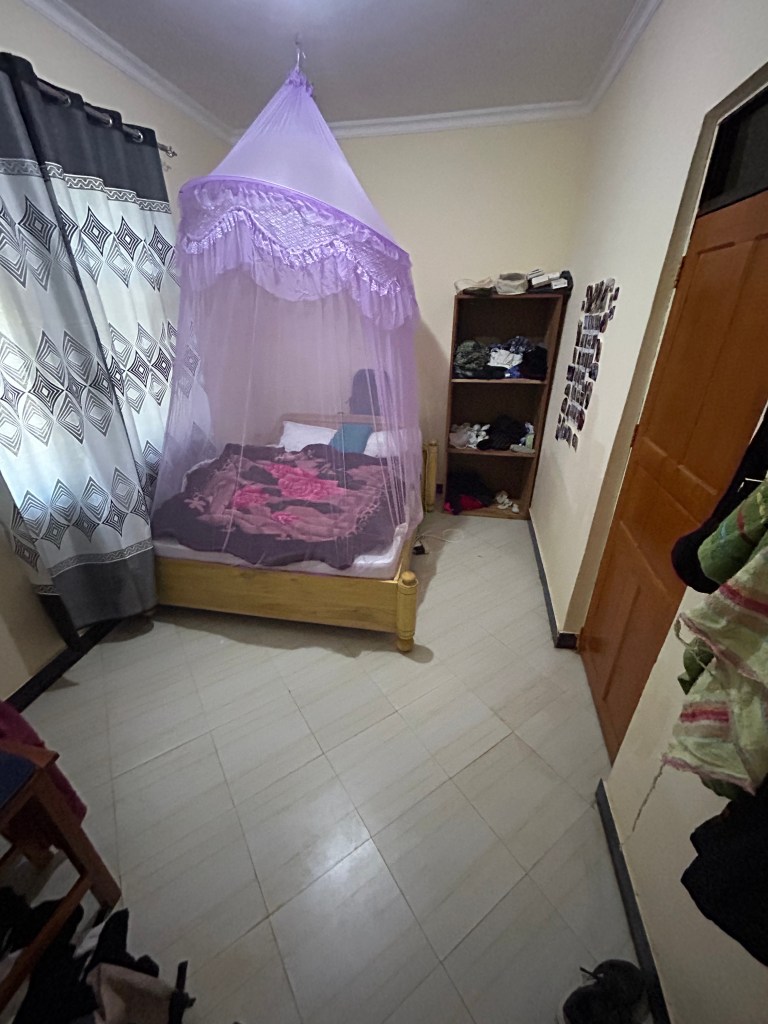
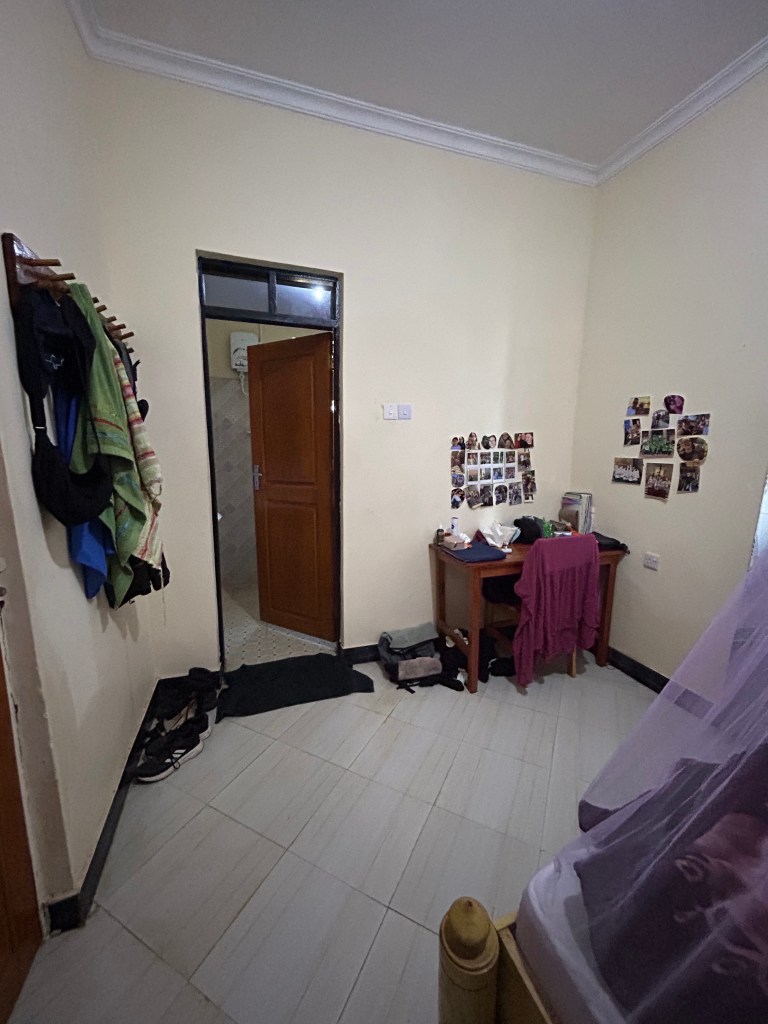
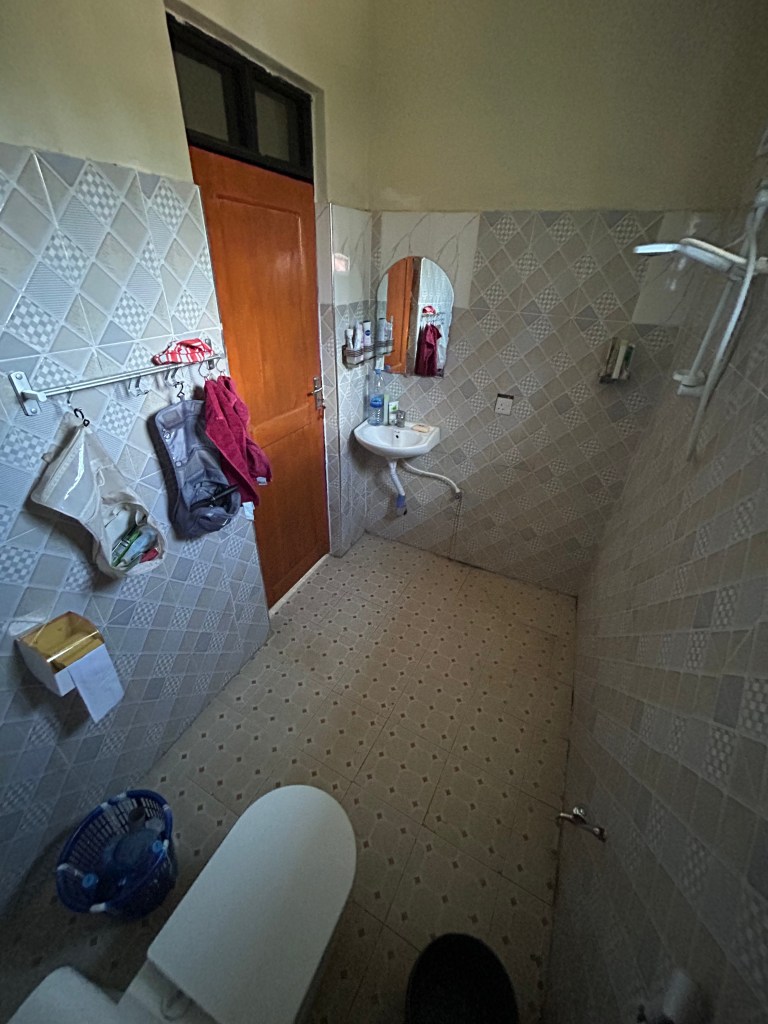
Our accommodation:
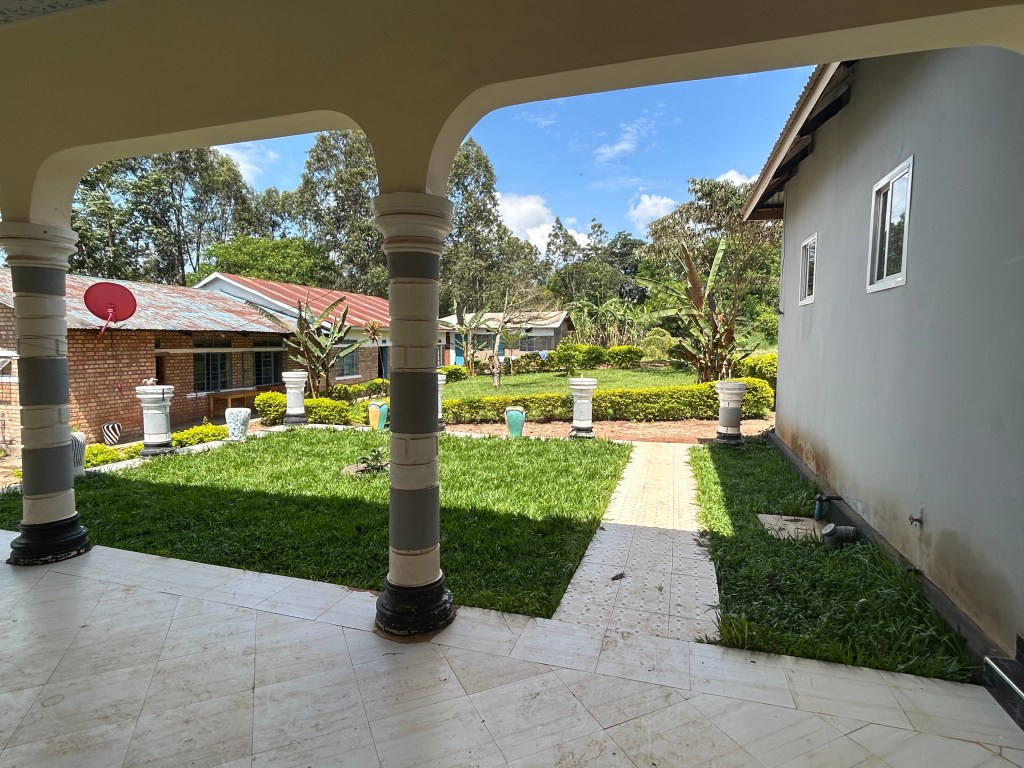
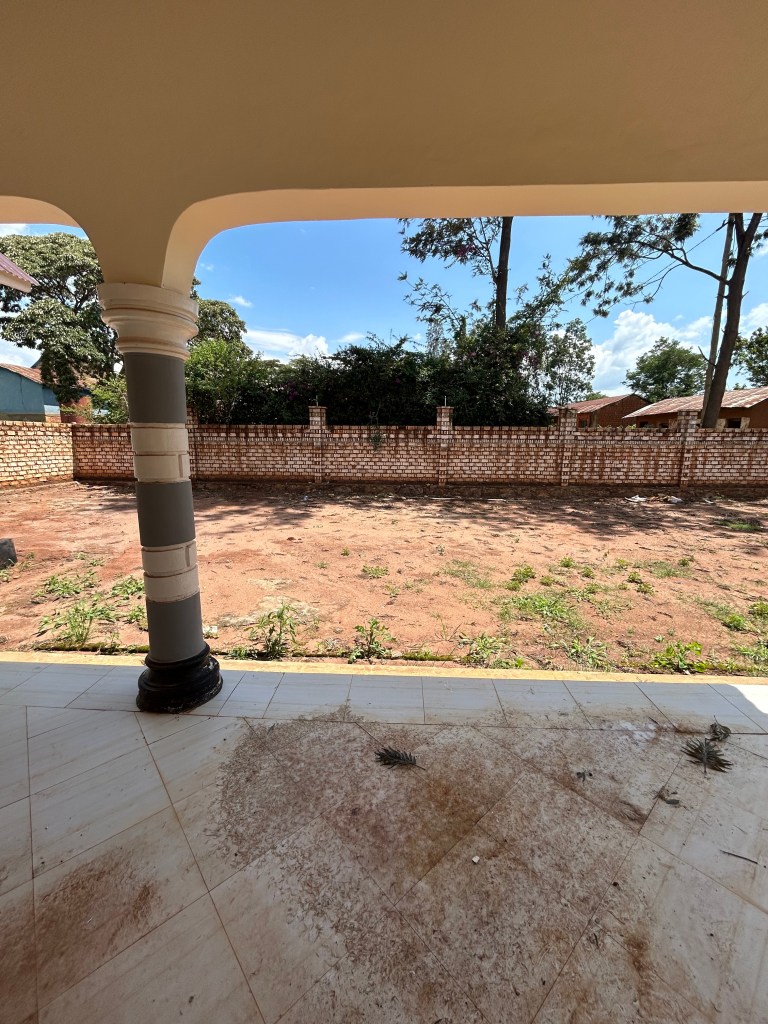
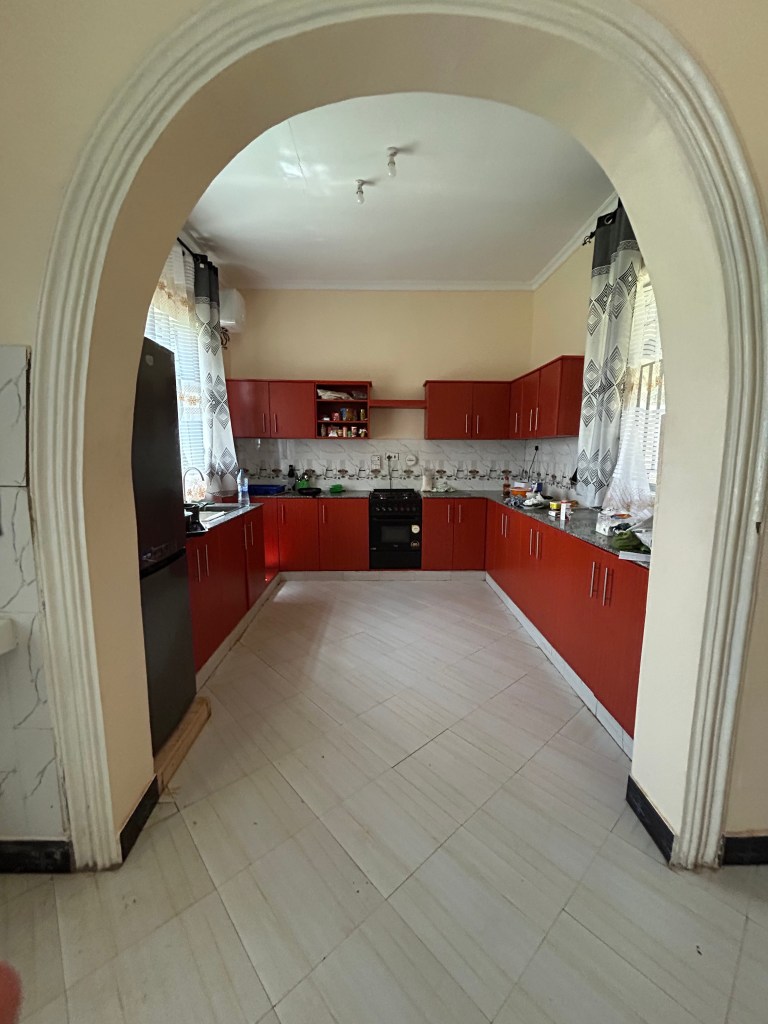
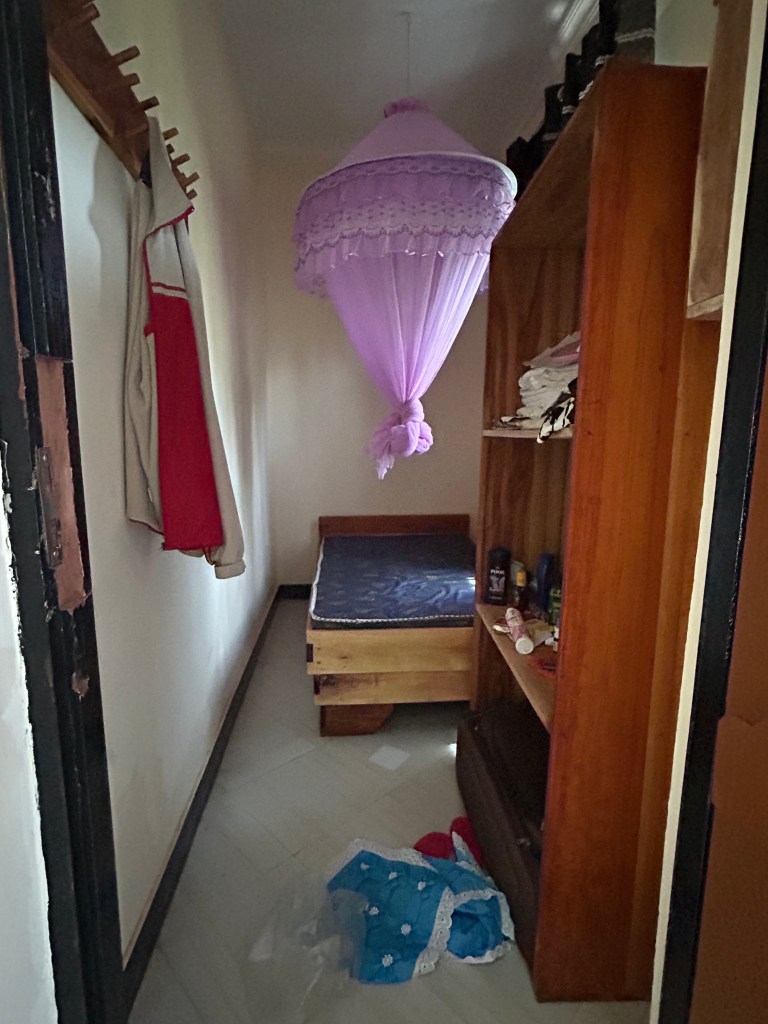
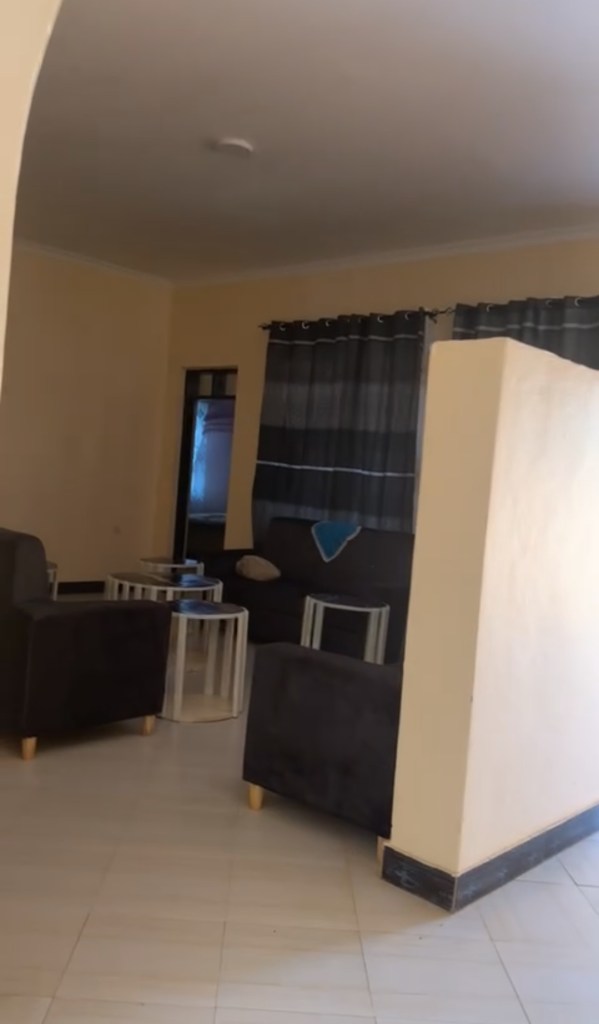
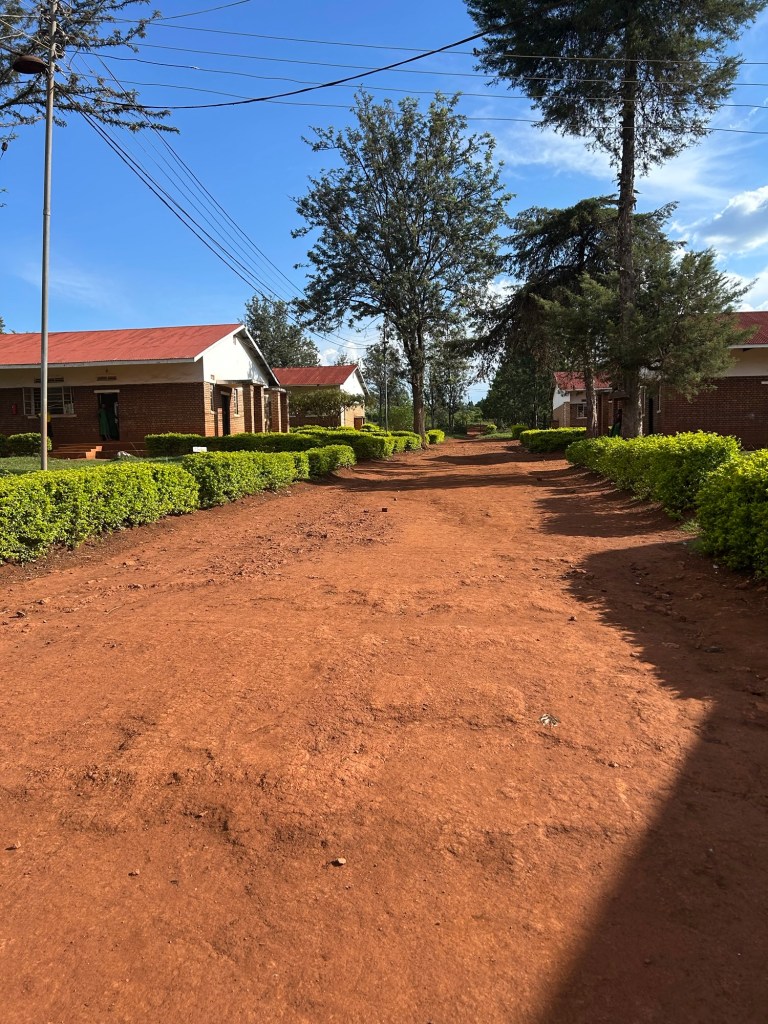
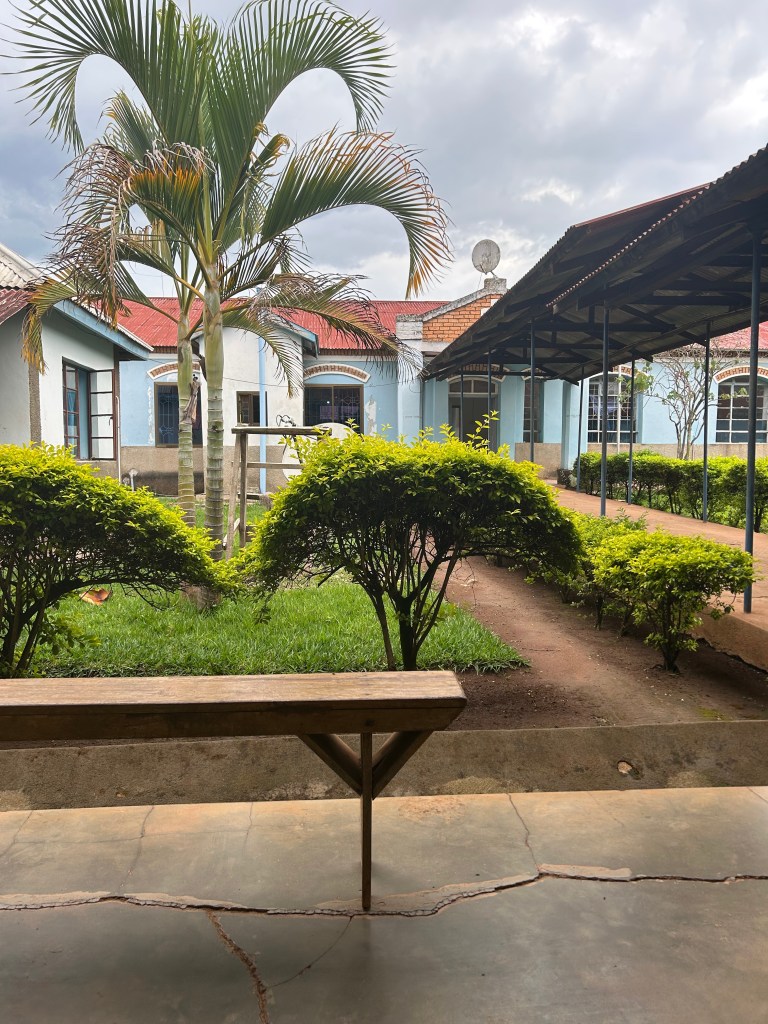
We live here in Rulenge on the church grounds together with the brothers, Father Denis and some sisters. Our house is quite large and has a rather European standard. It is actually intended for four people, so the two of us naturally have a lot of space. Each of us has our own room with a bathroom, and there is a large kitchen with a dining area, a cosy living room, a laundry room and a huge outdoor area. Compared to the brothers and Father Denis, who live right next door in smaller houses, it sometimes feels a little strange to live in such a large house with just the two of us.
Our work places in Rulenge
Shortly after arriving, we got straight to work. There are two orphanages in Rulenge, and we were able to visit both of them. After just a few days, it became clear how different they are. Suddenly, we began to worry that one of us might be unhappy or find ourselves in the wrong place. That preoccupied us both for a while.
Our first assignment was at Angels Home, just a few minutes‘ walk from our house. Twelve children between the ages of six months and five years are cared for there, and after the first day we were completely exhausted. There are no toys, no tables and not enough clothes. The bedroom is tiny, many of the beds are broken, so some children have to sleep on small mattresses on the floor or share a bed with three others.
The issue of nappies particularly concerned me, because there simply aren’t any. Without nappies and underwear, the children constantly wet or soil themselves. They are constantly wet, and because there are not enough clothes, they spend the day in dirty clothes.
At first, this completely overwhelmed me.
During the first few days, I often didn’t know what to do with the children. Without any toys, just a few chairs and a single rag doll, it was really difficult to keep them occupied in a meaningful way. At the same time, of course, they all wanted attention and closeness at once, which is difficult to manage on your own.
And then there was something else I really struggled with: violence. In Tanzania, it is normal to hit children because, in their eyes, it is the only effective method of discipline. We were prepared for this in our preparatory seminars, but seeing it for the first time completely overwhelmed me. I had tears in my eyes because it felt so wrong and I felt so incredibly sorry for the child.
After four days, we moved to the second orphanage, Goyagoya. It was actually the complete opposite: there were cloth nappies, sturdy beds, age-appropriate toys and lots of warm-hearted nurses. The atmosphere is friendly and warm, and many speak English. Of course, there are challenging moments there too, but no harsh violence.
Nevertheless, I wanted to go back to Angels Home. I felt that I could really make a difference there, that I could show that education is possible without beatings and that I could give the children my full affection and love for a year. Besides, this year is supposed to be a challenge! That’s why I work at Angels Home and Philippa works at Goyagoya.
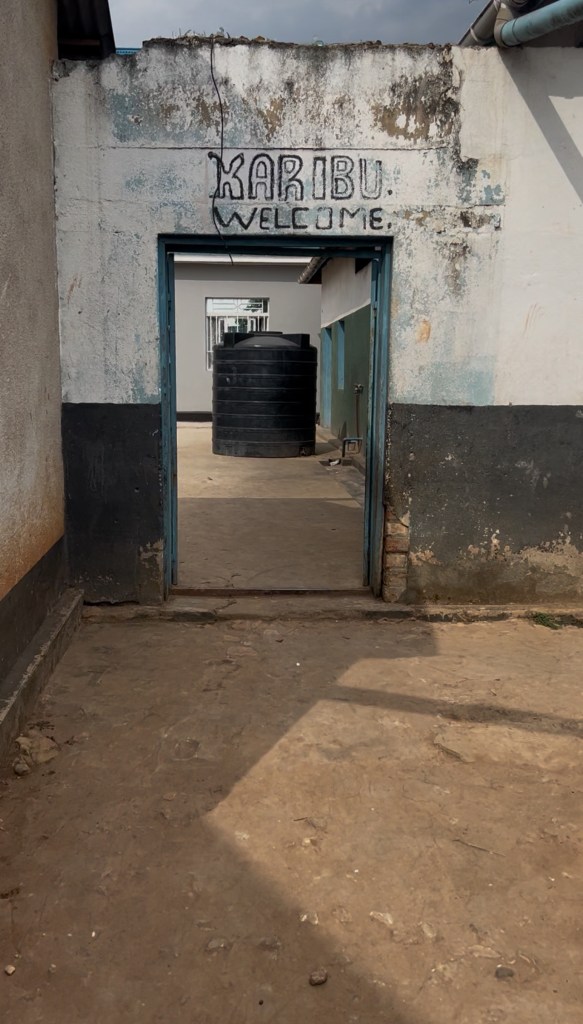
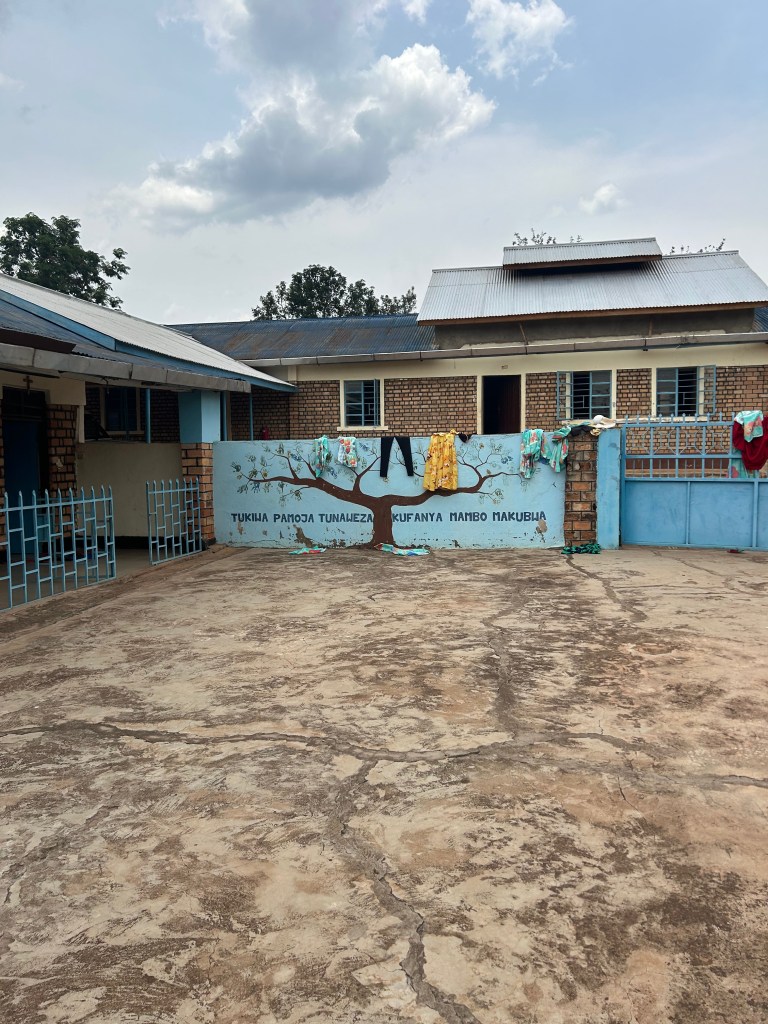
Everyday life at Angels Home (trigger warning: violence against children)
Over time, it became routine, but some situations still bother me greatly. When a child cries and does not calm down immediately, they are beaten, sometimes with a hand, sometimes with a stick. If that does not help, they are put in a small, dark room without windows ‘until they are quiet’. I did not know that this room even existed. One day, a nurse asked me to get the child out again. I went in completely unaware, and there sat the little child, all alone and frightened. When it saw me, it immediately ran into my arms and trembled all over. We stayed there together for a while because I was also on the verge of crying. I just wasn’t prepared for something like that, and it was extremely intense to see.
Fortunately, there are also many beautiful moments: dancing, singing, playing, cuddling, playing hopscotch, tag and hide and seek. These moments give me so much strength and show me how important loving closeness is for children.
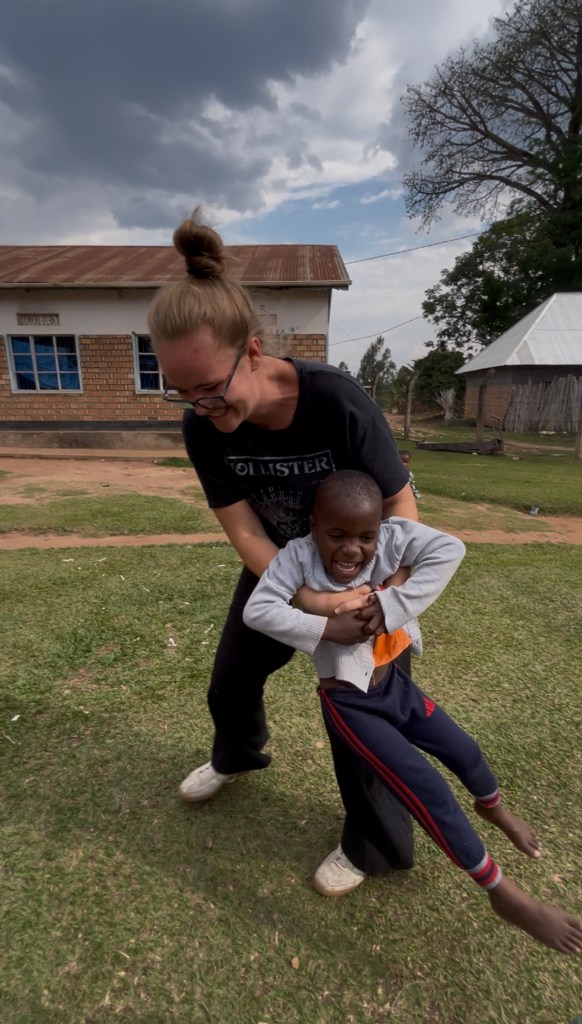
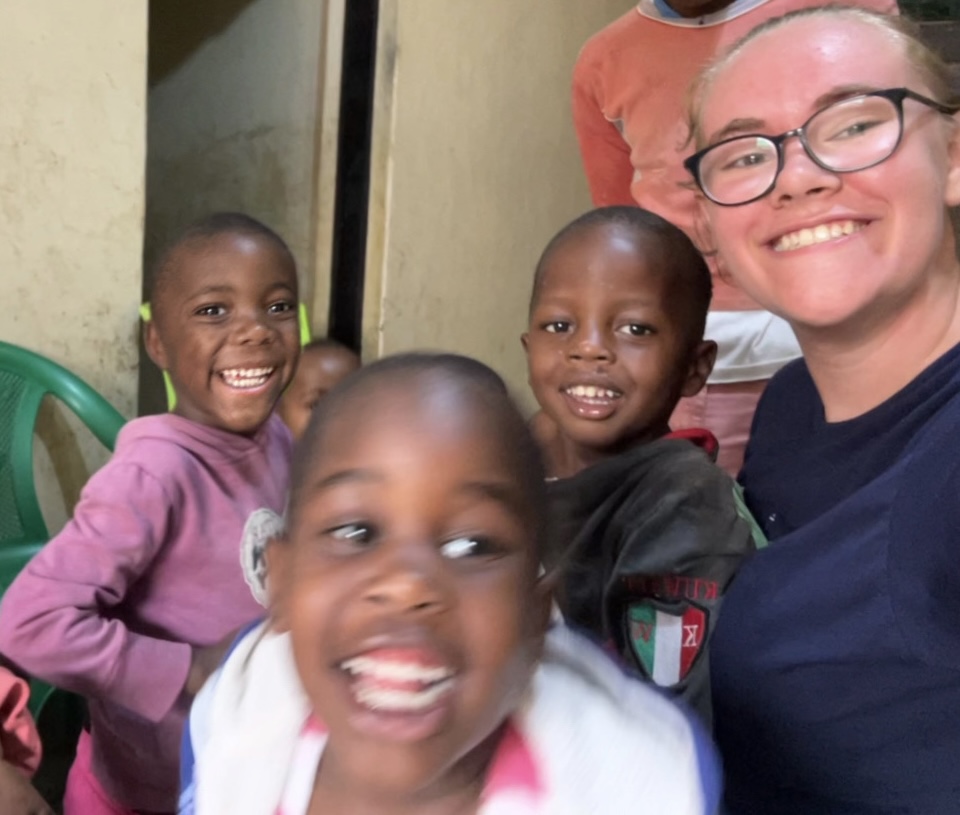
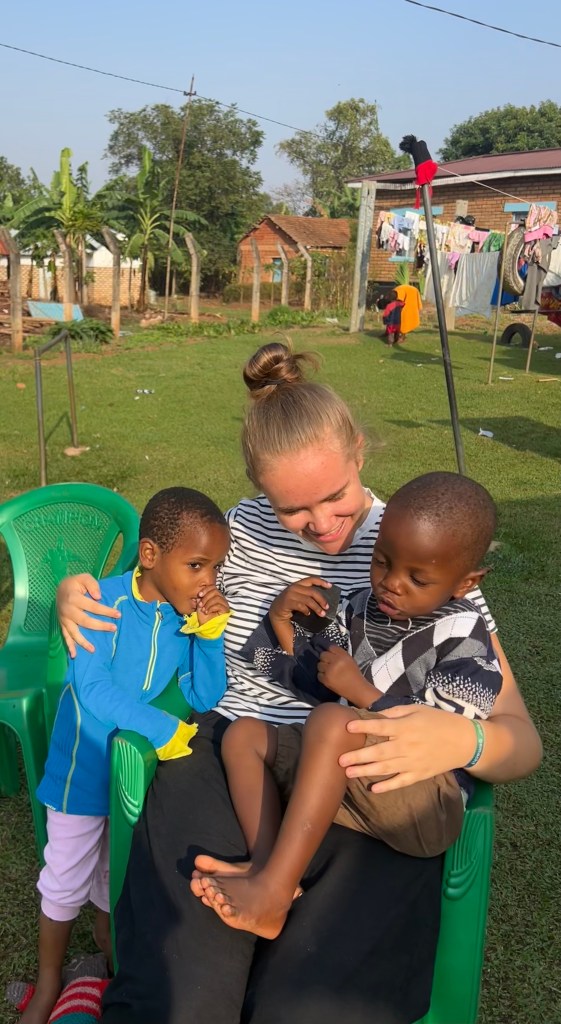
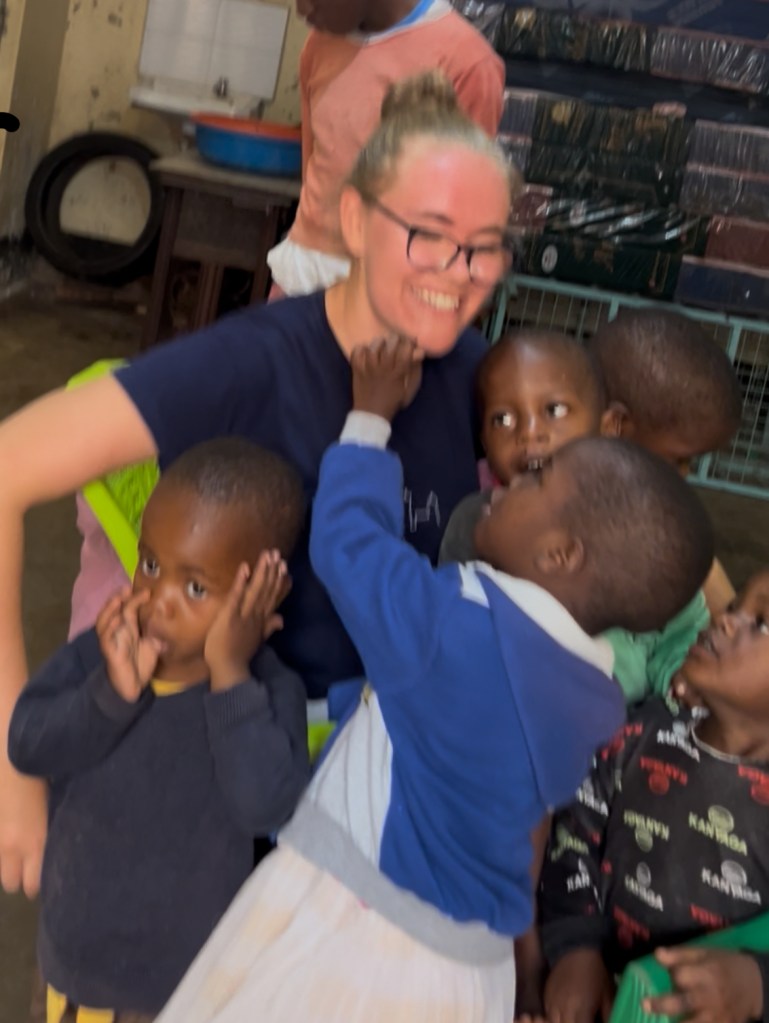
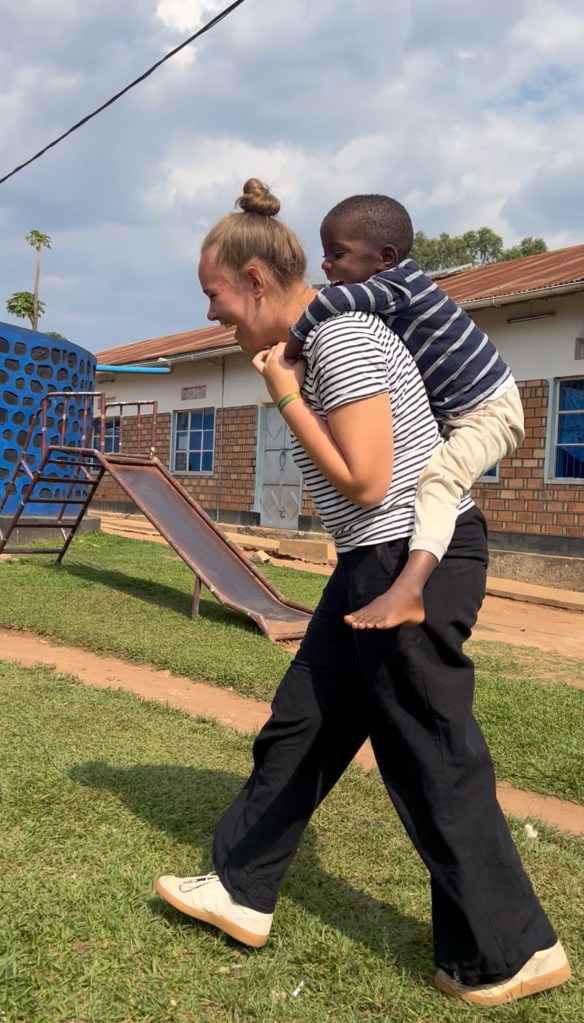
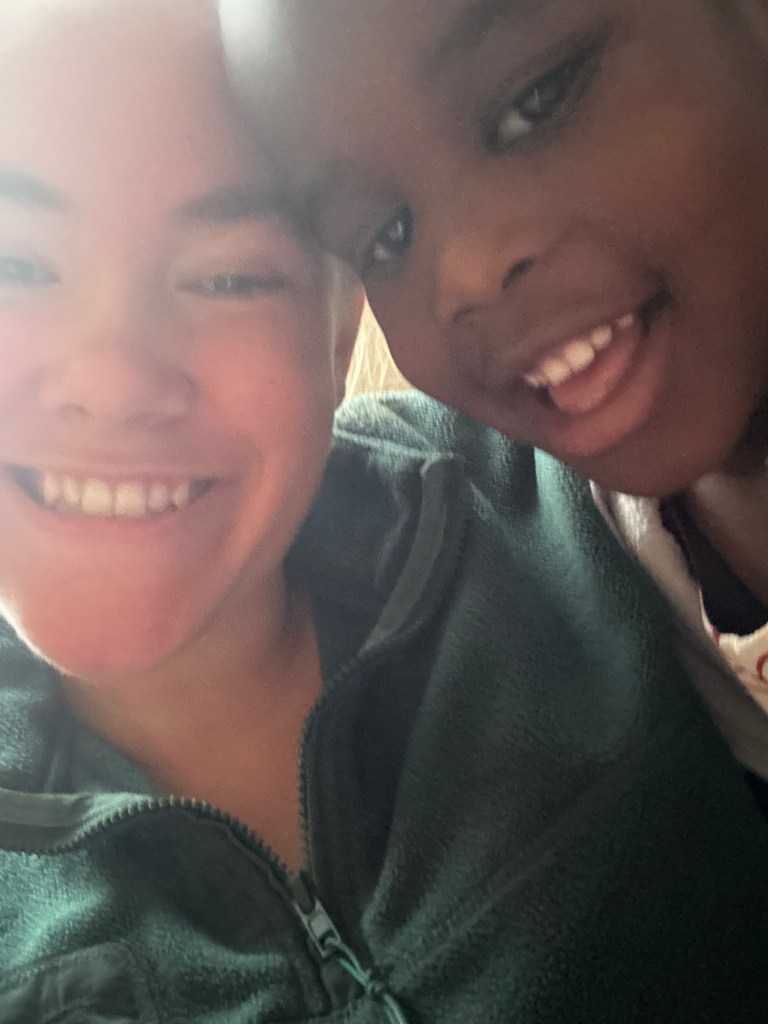
I also work at the small school on the premises. Children aged three and above learn English, maths and Kiswahili there. In my class, I am currently practising numbers and the alphabet. They listen well and respect me completely in class, but things get more chaotic when they are playing outside. The children only know violence as a boundary, and when I say ‘stop’, they usually laugh and just carry on. That’s why I hope to find my own ways soon so that the children take me seriously and respect me. Without any violence at all.
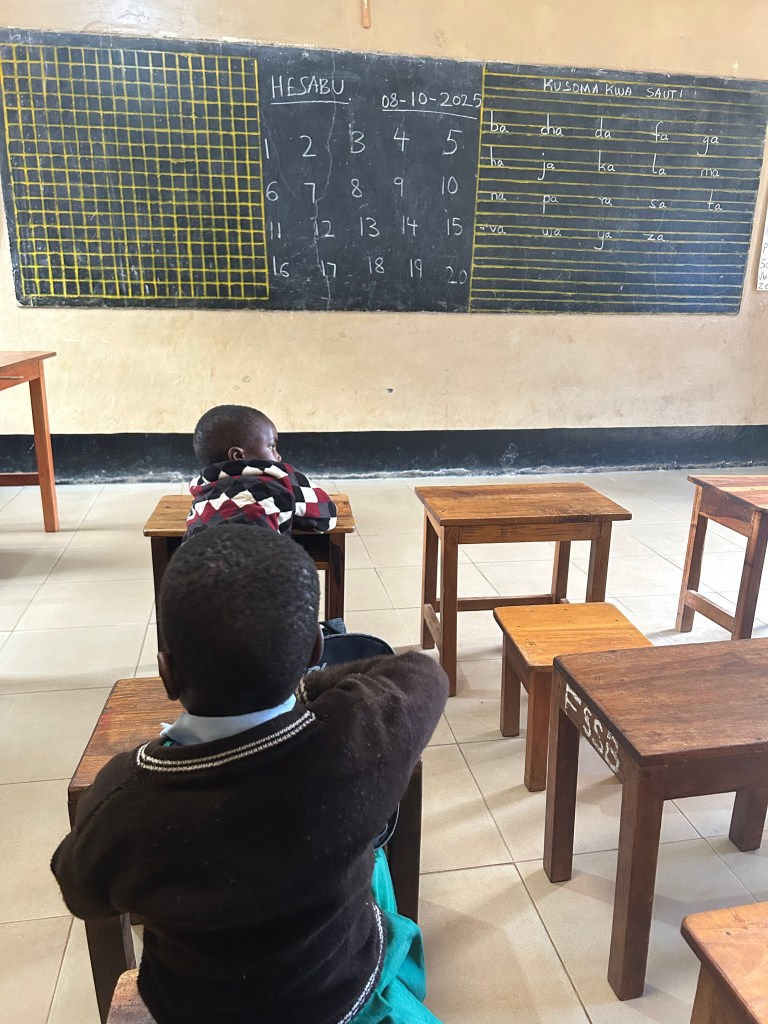
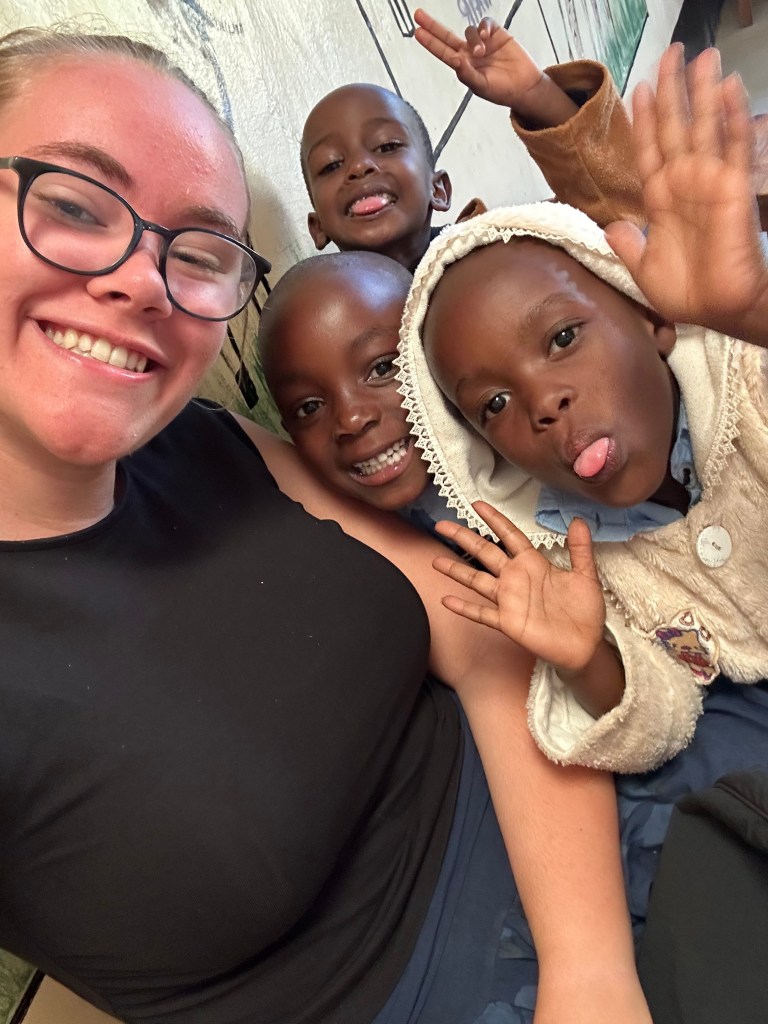
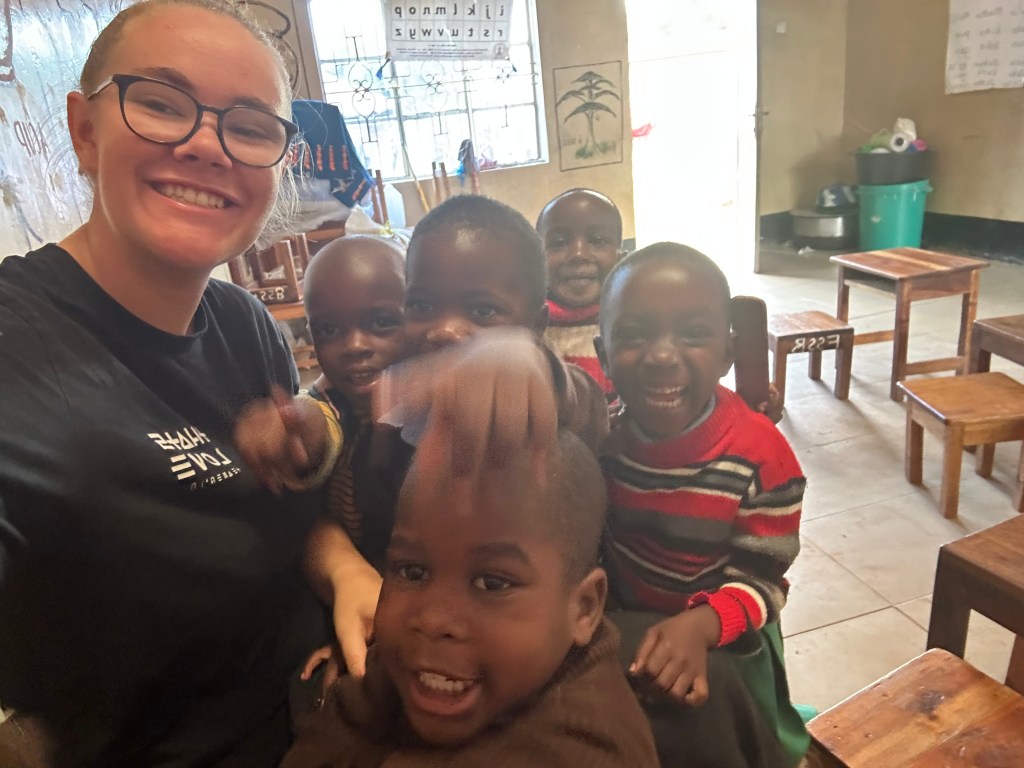
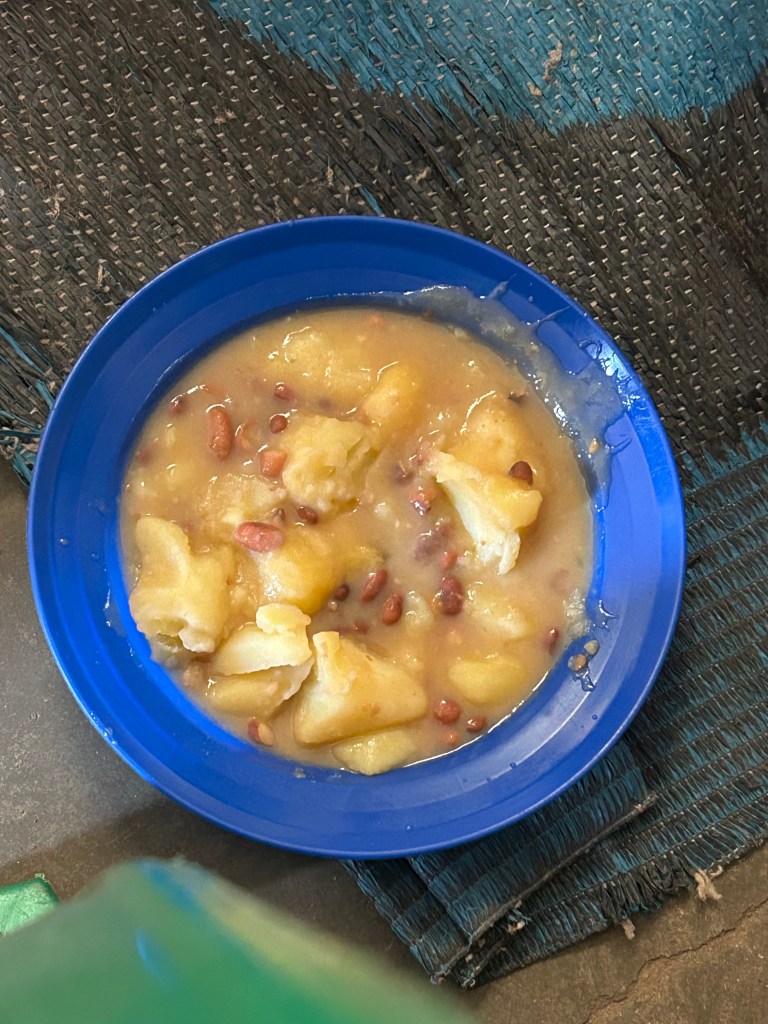
At the same time, I am becoming more accustomed to everyday life, even though many things are still difficult for me to comprehend. The constant smell of urine, the urinating and defecating, the daily bathing in a bucket, sometimes twelve children one after the other in the same water. They dry off with one towel for everyone, and if they don’t have clothes, some of them just wear a dress without trousers. There isn’t enough cutlery for everyone to eat with, so most of them eat with their hands. There are no pyjamas; they just go to bed in their dirty clothes. All of this is normal everyday life here, and I wonder if I will ever get used to it completely.
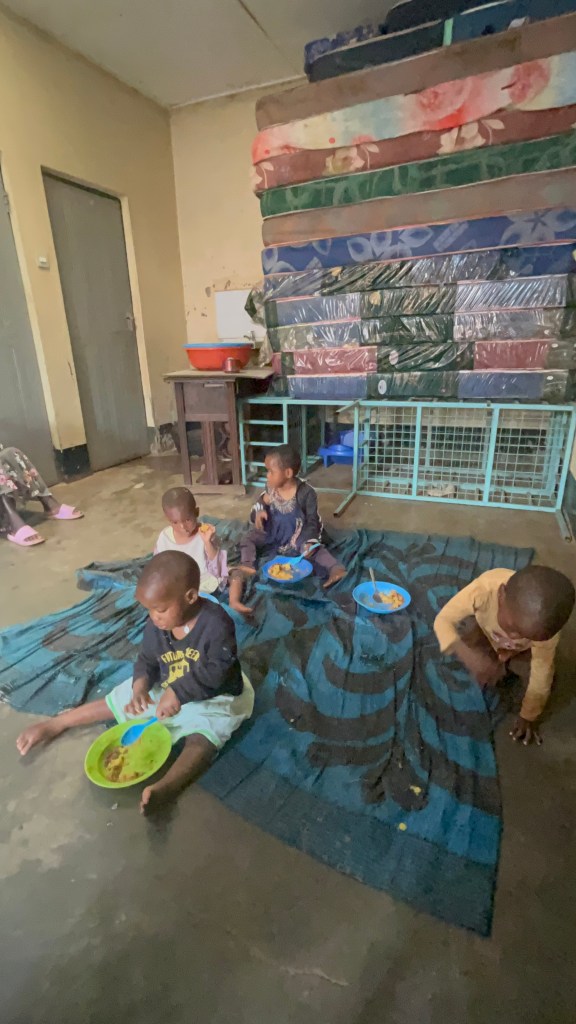
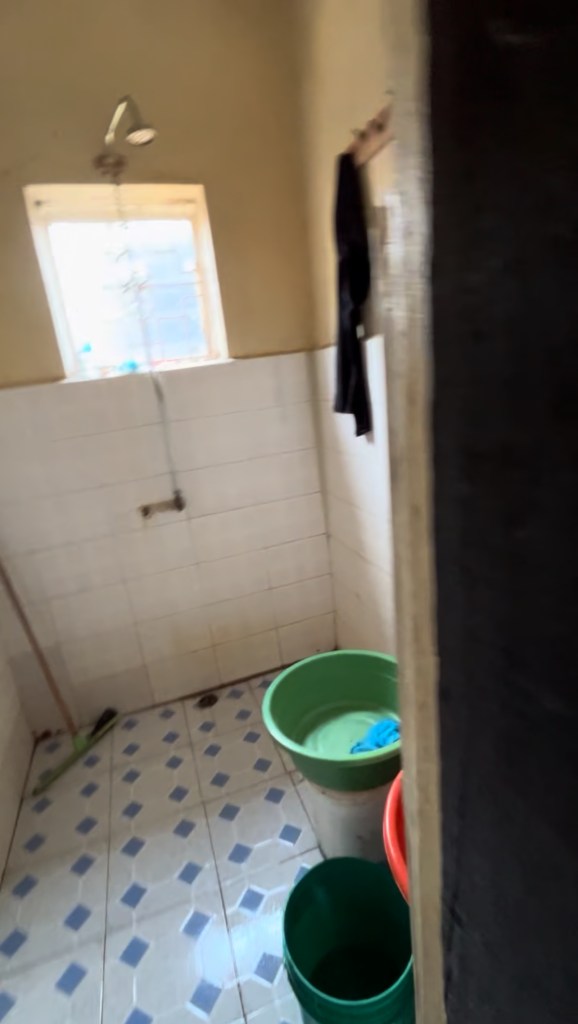
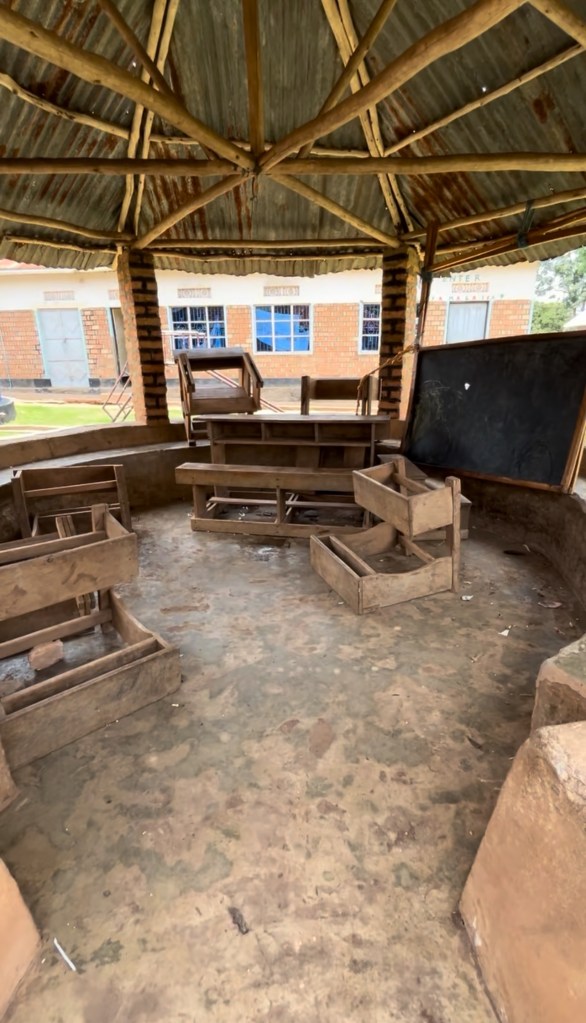
I work Monday to Friday from eight to twelve thirty and then again in the afternoon from three to five. My days during the week are very busy and long, but that’s fine – after all, I want to experience things!
Everyday life outside of work
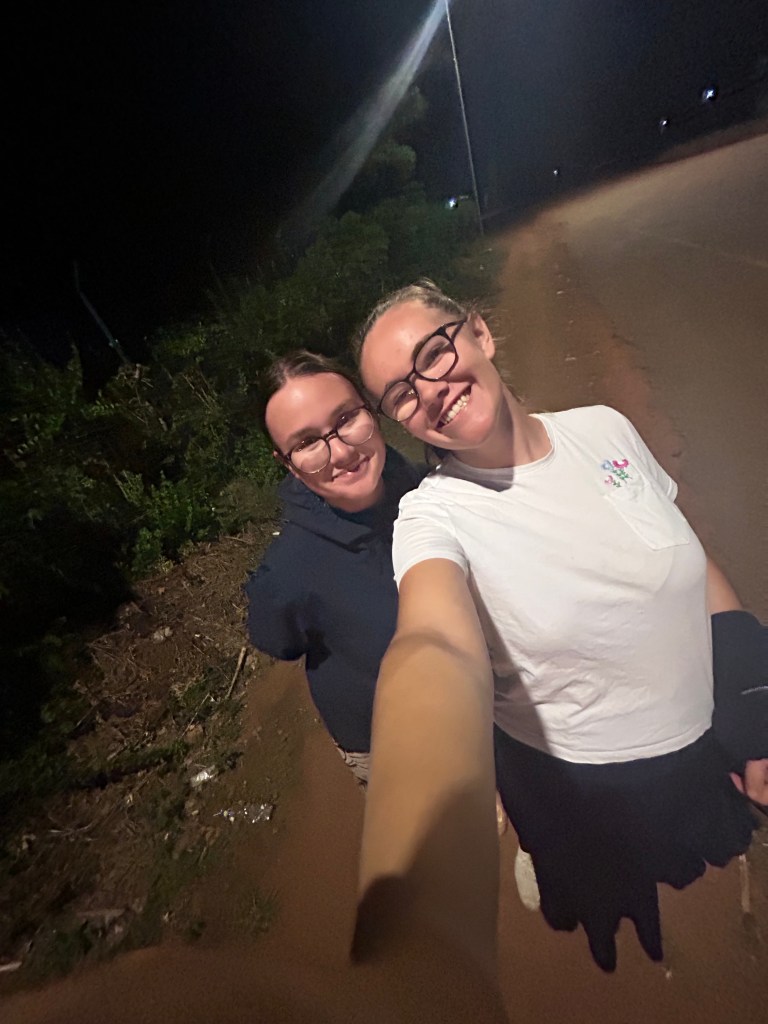
When I’m not at the orphanage, I’m at Barikiwa (a restaurant in Rulenge), spending time with Philippa, doing housework, hanging out with my brothers, going out with friends, doing activities or shopping at the market.
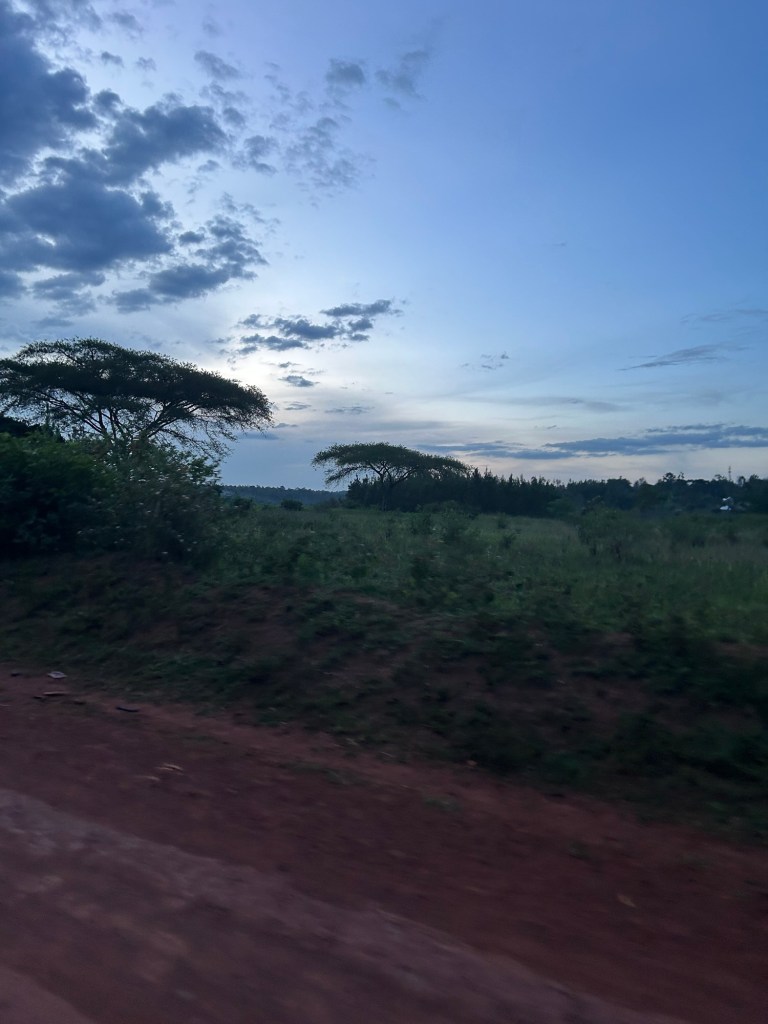
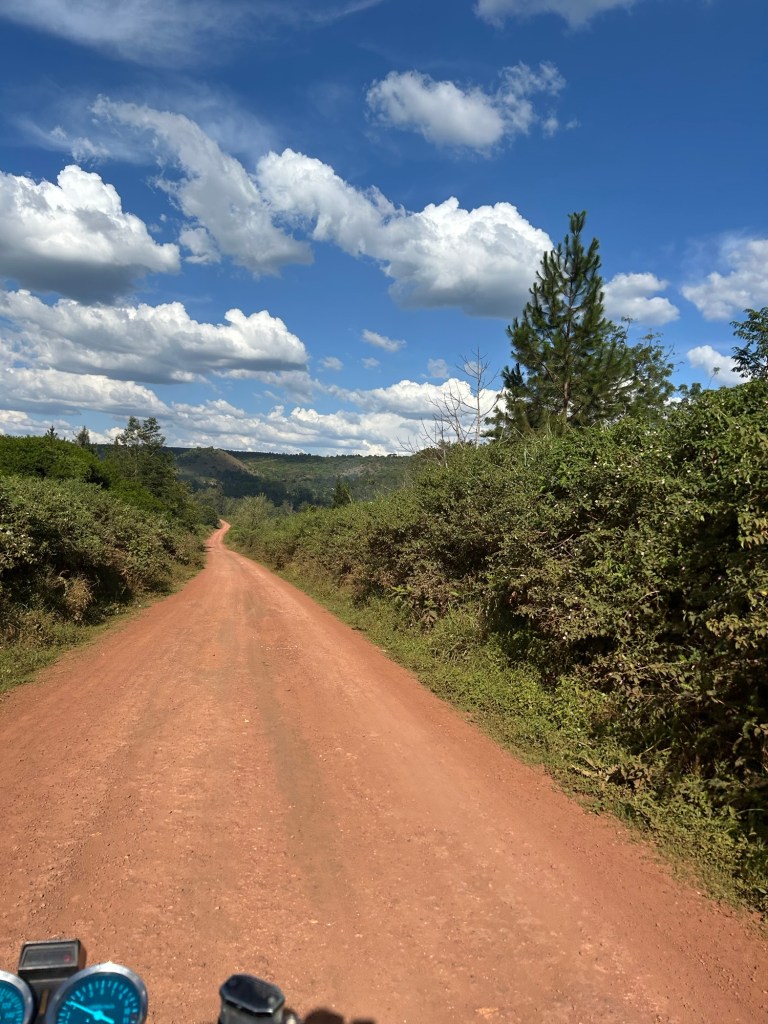
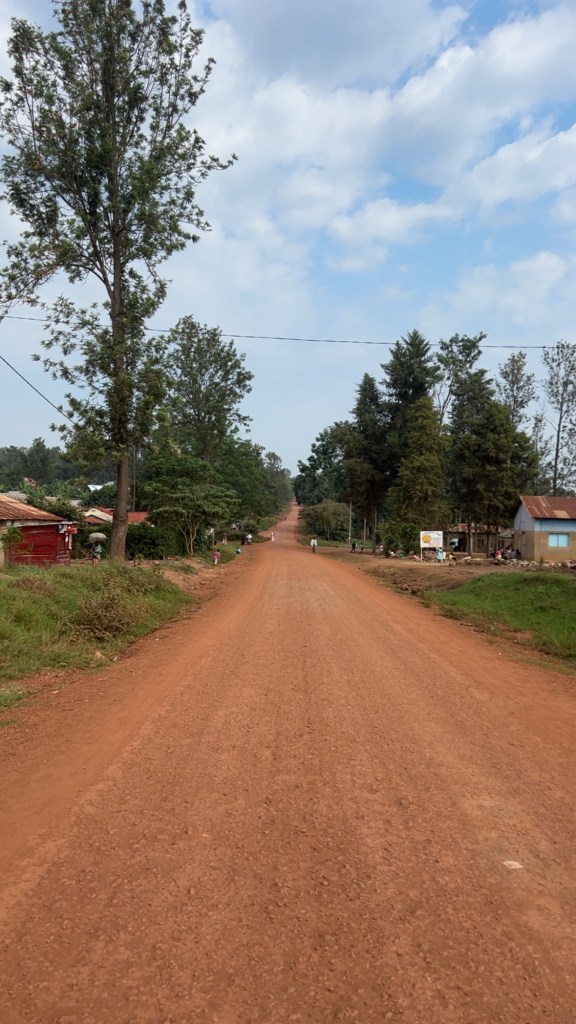
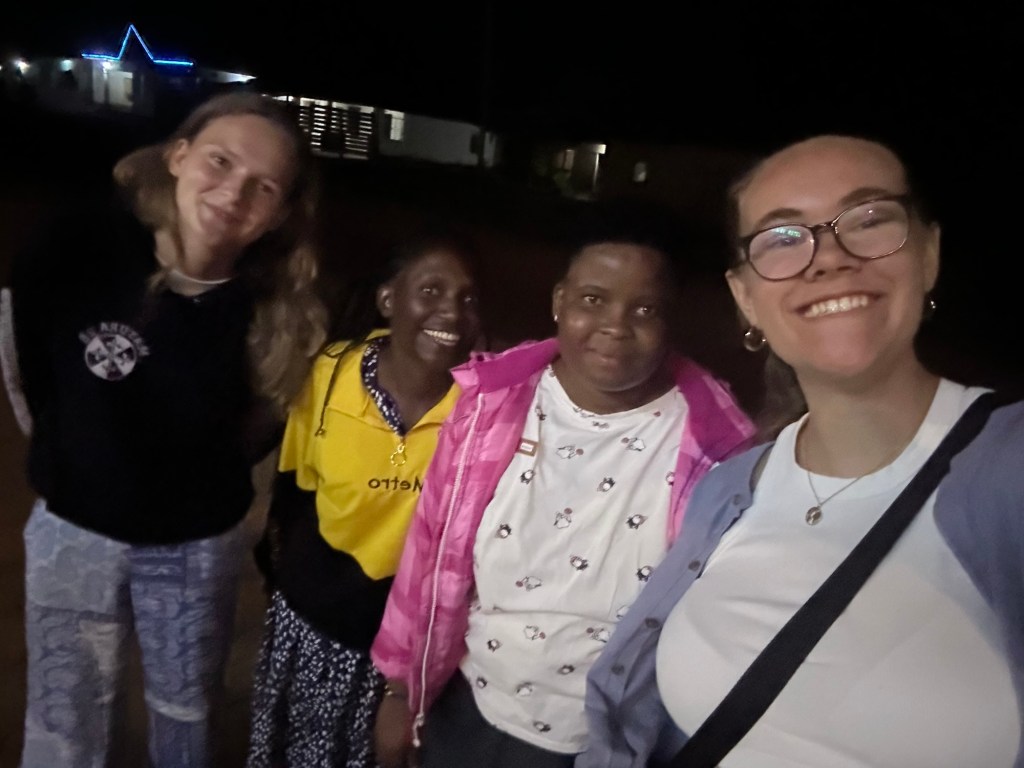
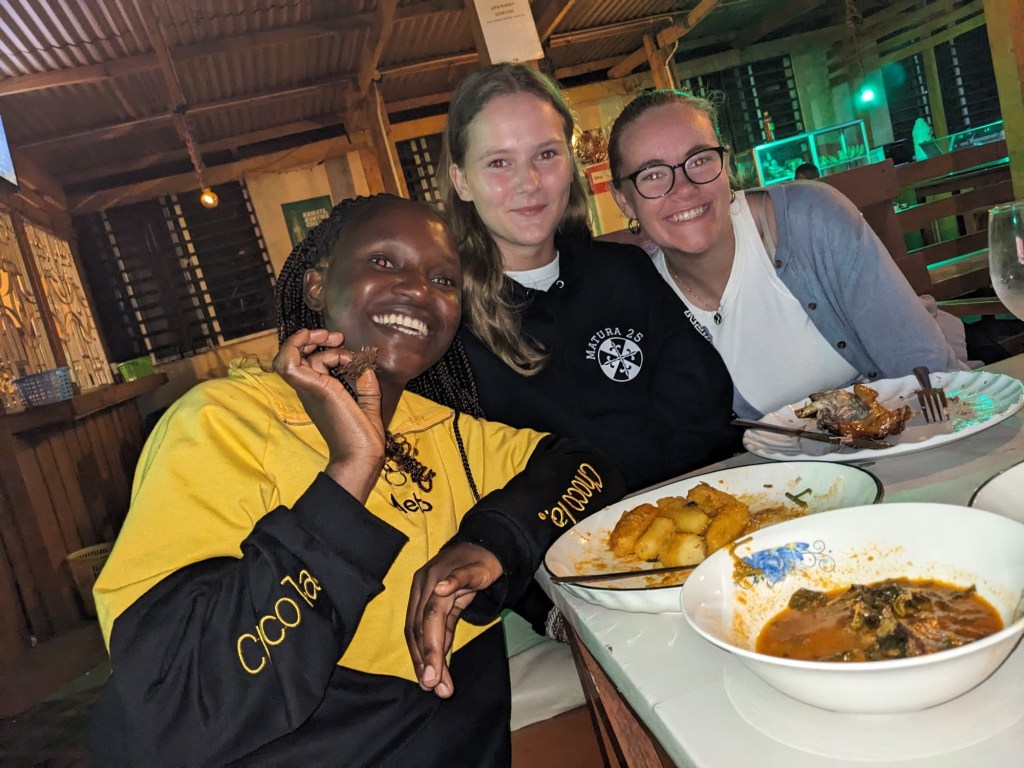
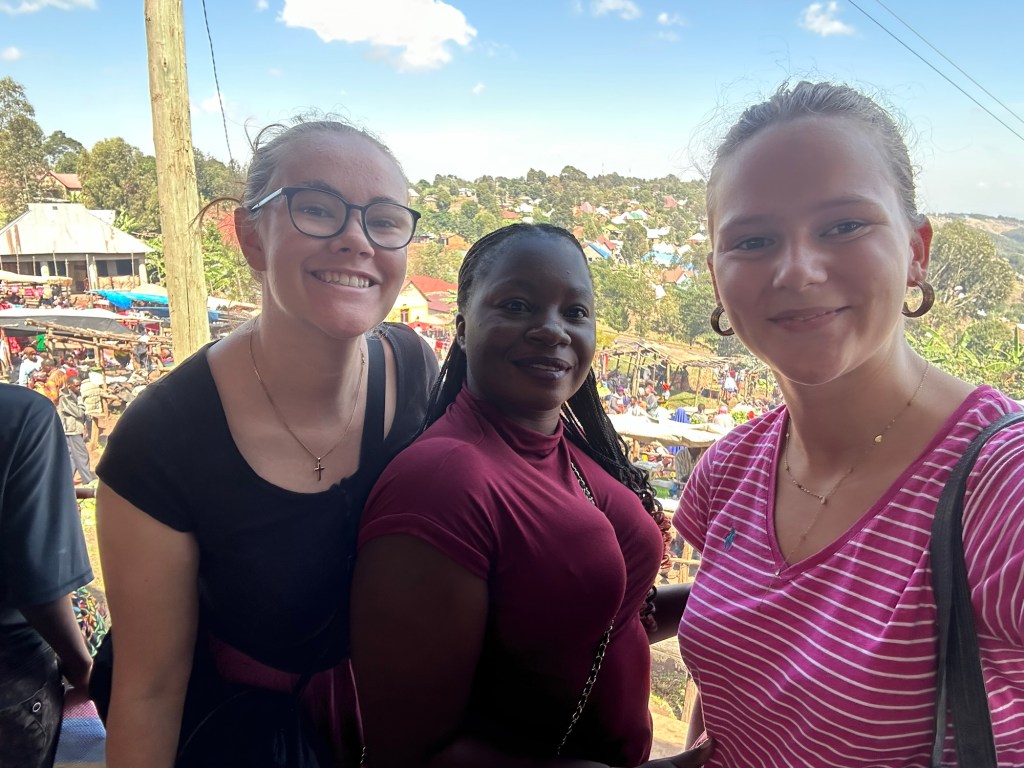
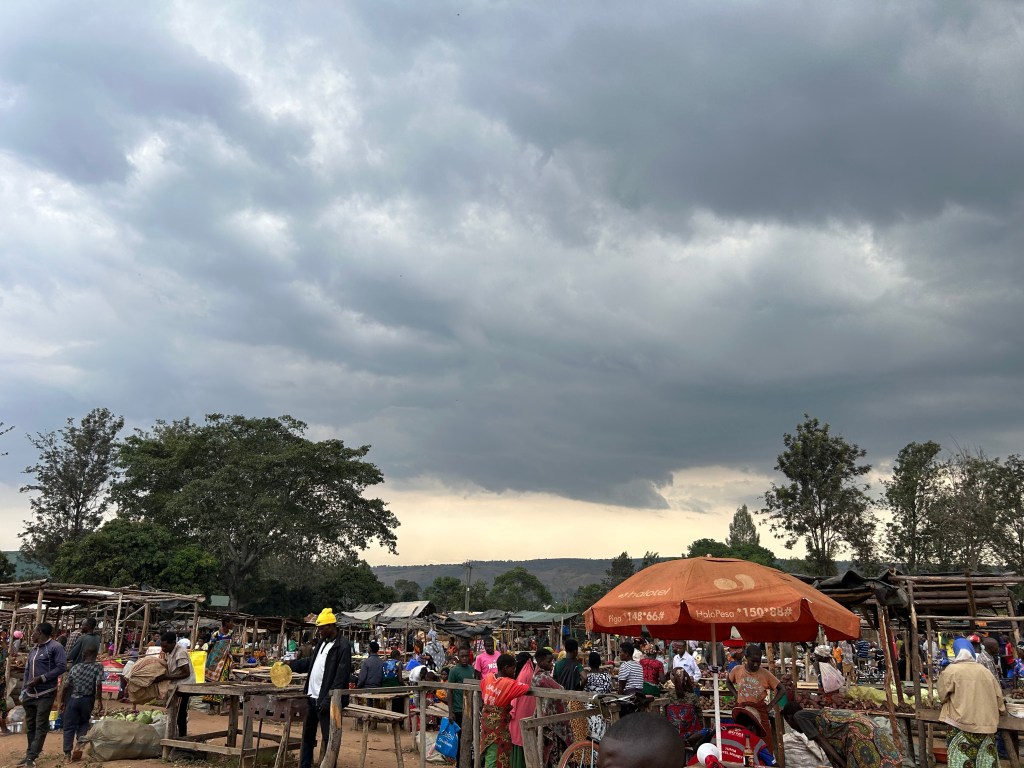
The market is loud, colourful and chaotic, and at first we were completely overwhelmed. Now we know where to find what we’re looking for, who is fair and how to negotiate. It’s even become really fun!
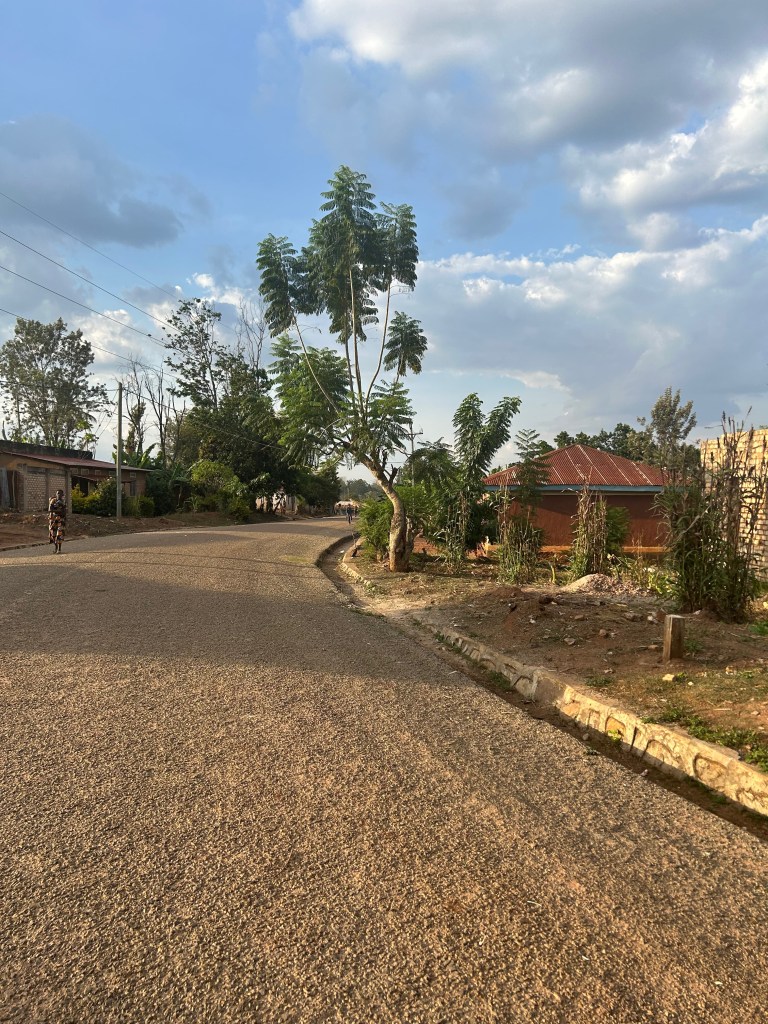
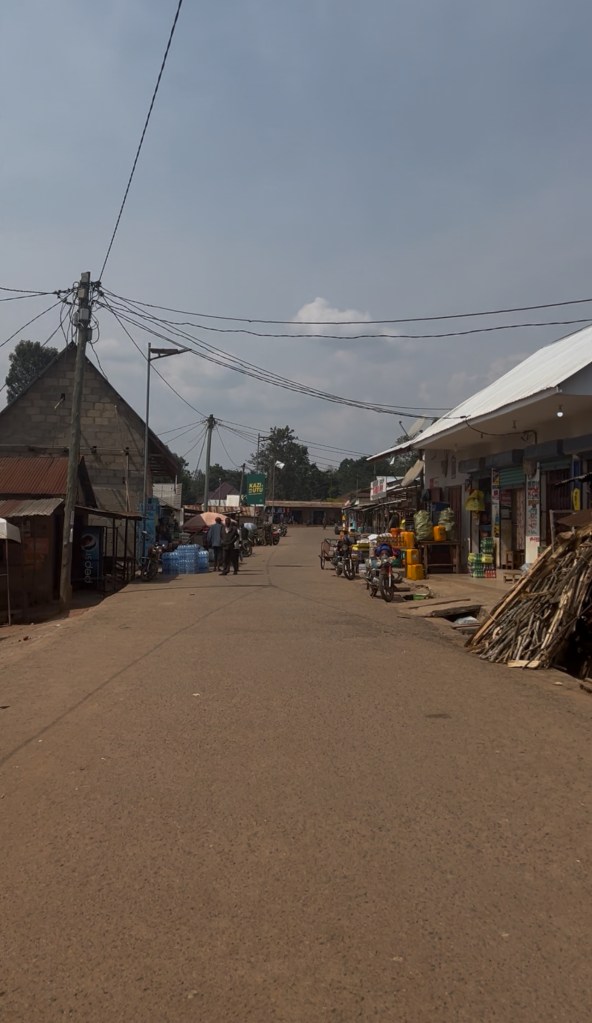
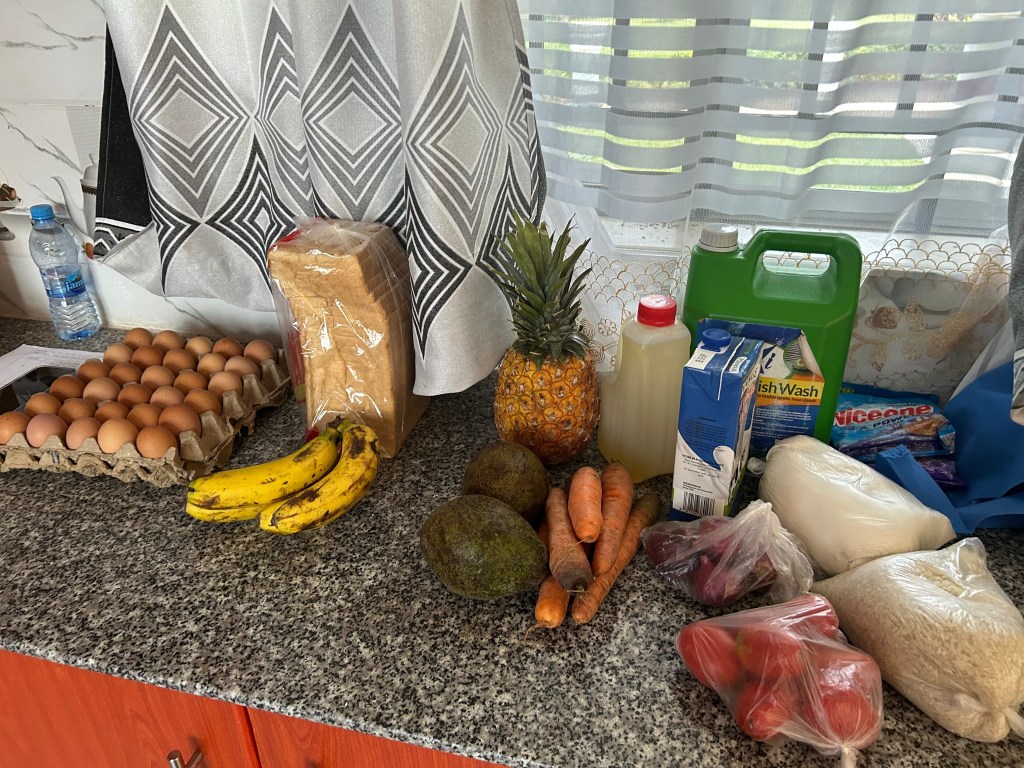
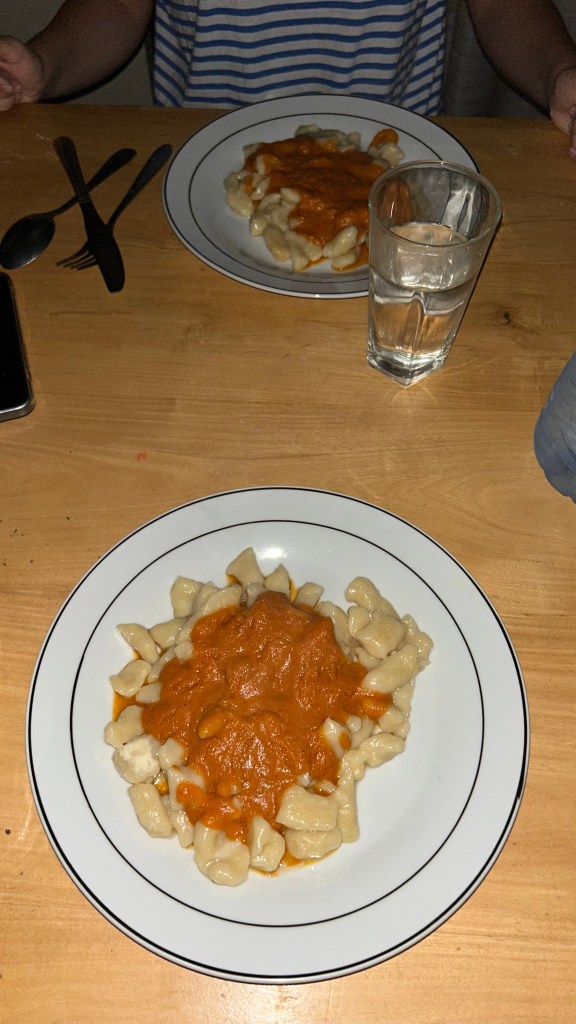
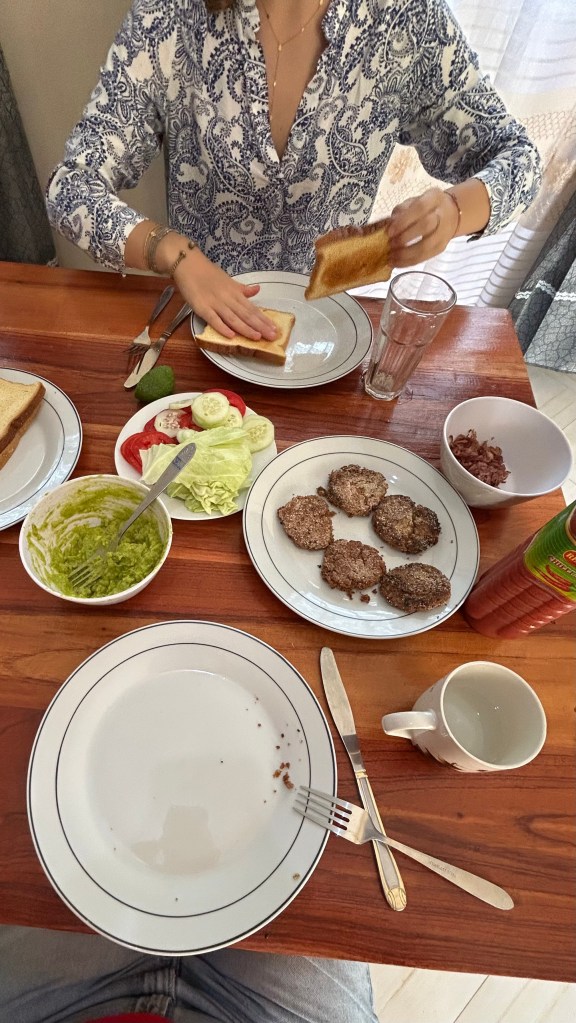
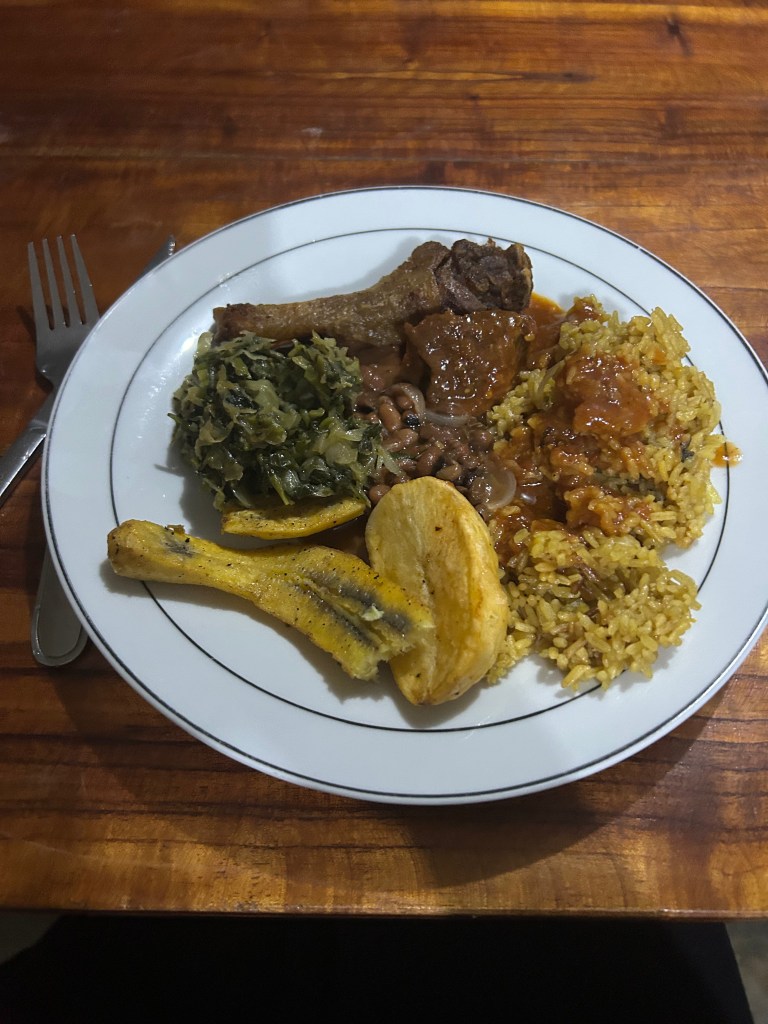
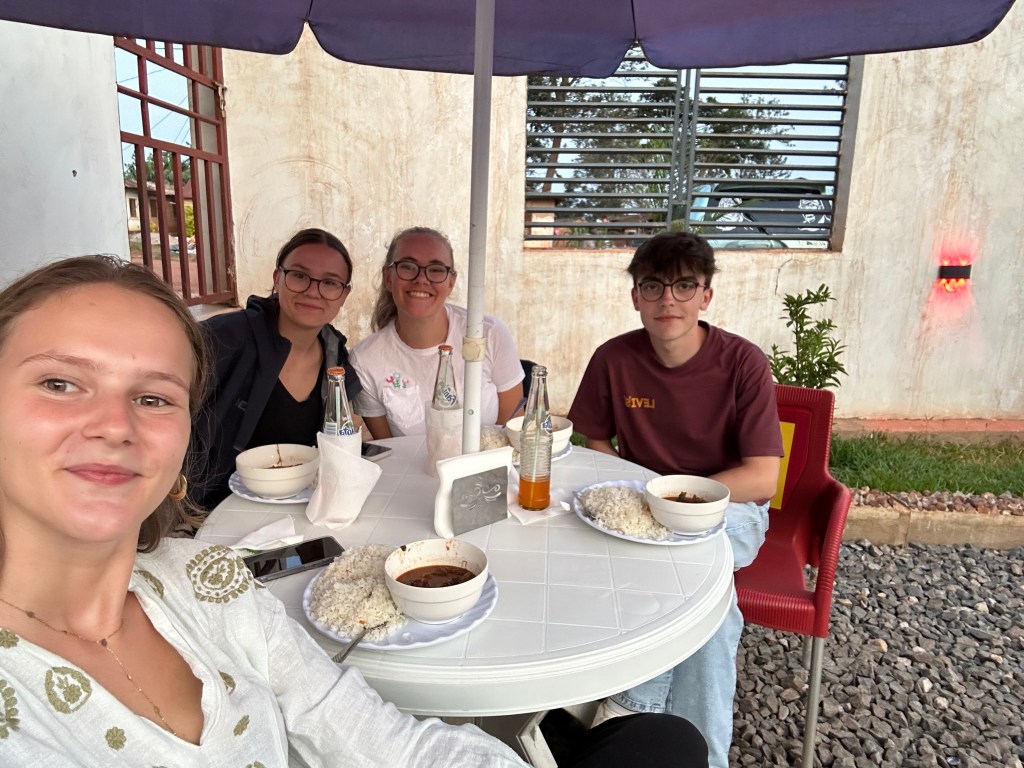
Cooking remains challenging because many ingredients from Germany are unavailable. At the moment, we are consuming a lot of avocado toast, fruit, rice, and vegetables. Over time, we are learning to cook Tanzanian cuisine, which will allow us to diversify our meal plan soon.
Pilgrimage
The pilgrimage to Biharamulo at the beginning of October was a special experience.
The diocese was celebrating its anniversary, and thousands of people came together to take part. We set off at 5 o’clock in the morning, high up into the mountains, where the open-air service took place with the bishop and a huge choir. Although the mass lasted eight hours, the atmosphere was simply fantastic. I sat with the Franciscan sisters, who spoke excellent English and were even able to translate the sermon for me.
It was lovely to see how warmly we volunteers were welcomed and how everyone in the diocese made us feel at home, even though Philippa was unfortunately unable to attend. In between, there were many performances by schools, clubs and seminarians, which made the celebration even more colourful and lively. I simply enjoyed every moment, the music, the crowds, the cheerful energy and the enthusiasm of everyone around me.
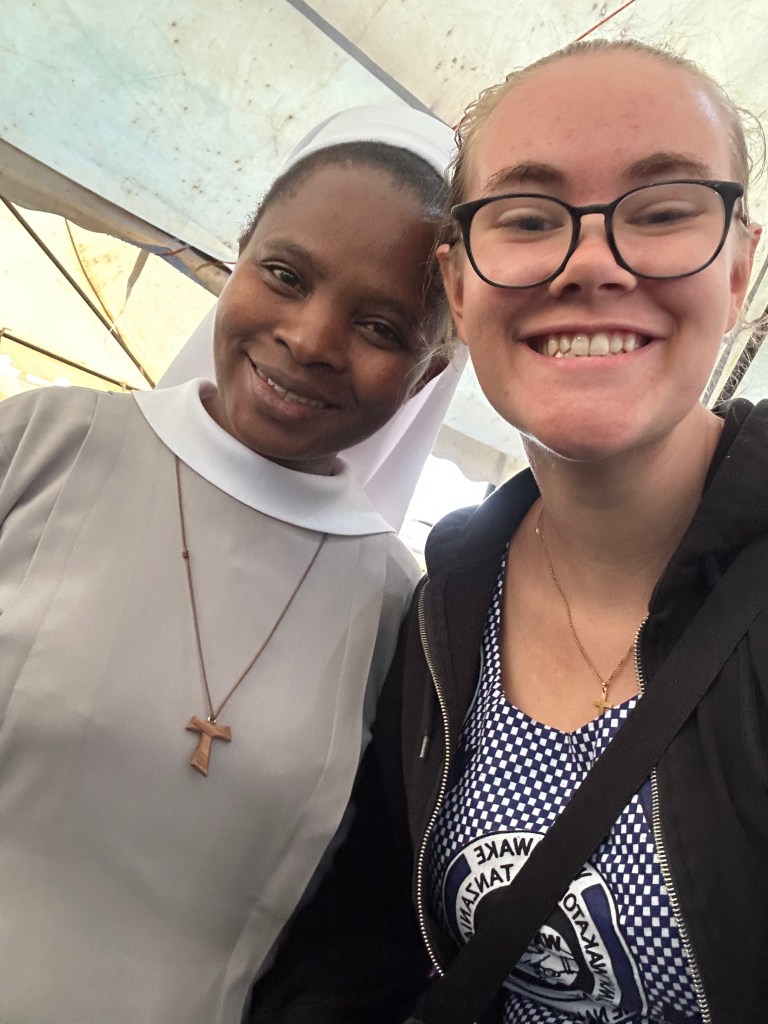
On Monday, Sister Edina took me to the seminary in Katoke, a kind of boarding school for boys who are preparing for the priesthood but can also choose a different path later on. She showed me around the grounds, explained everyday life there and took me to various lessons. In the afternoon, I even got my own class: 58 boys in maths and English. They were incredibly curious, wanted to know everything about Germany and told me about their lives at the seminary. We laughed a lot and just had fun together. It was a lively, open exchange that enriched me greatly.
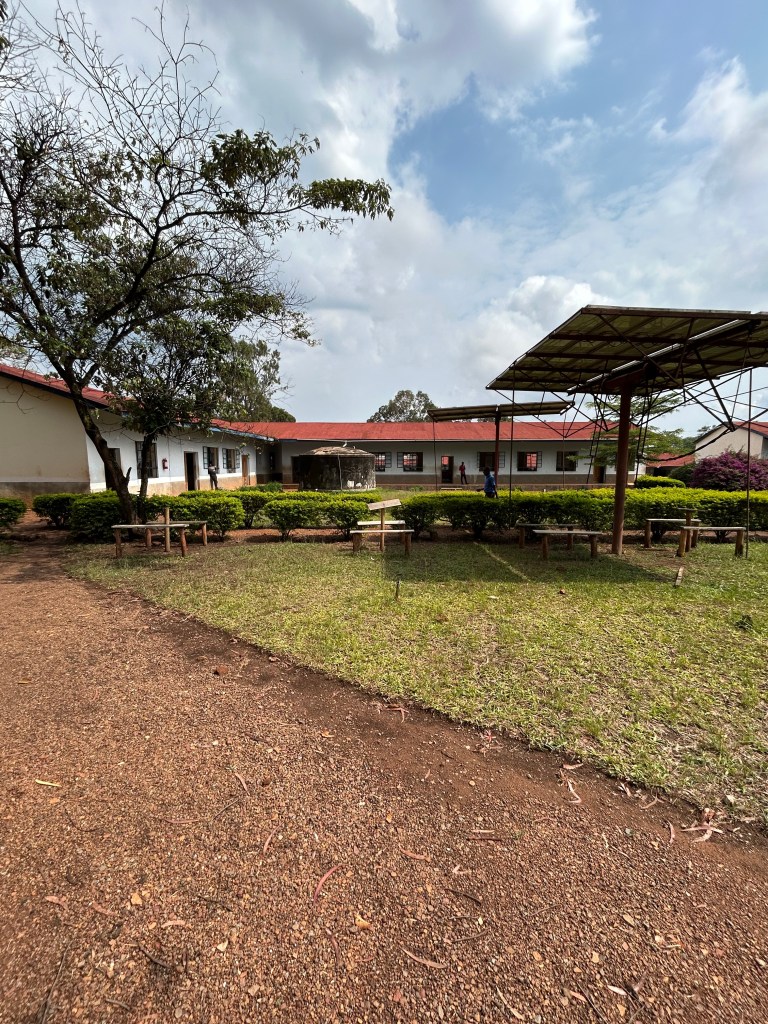
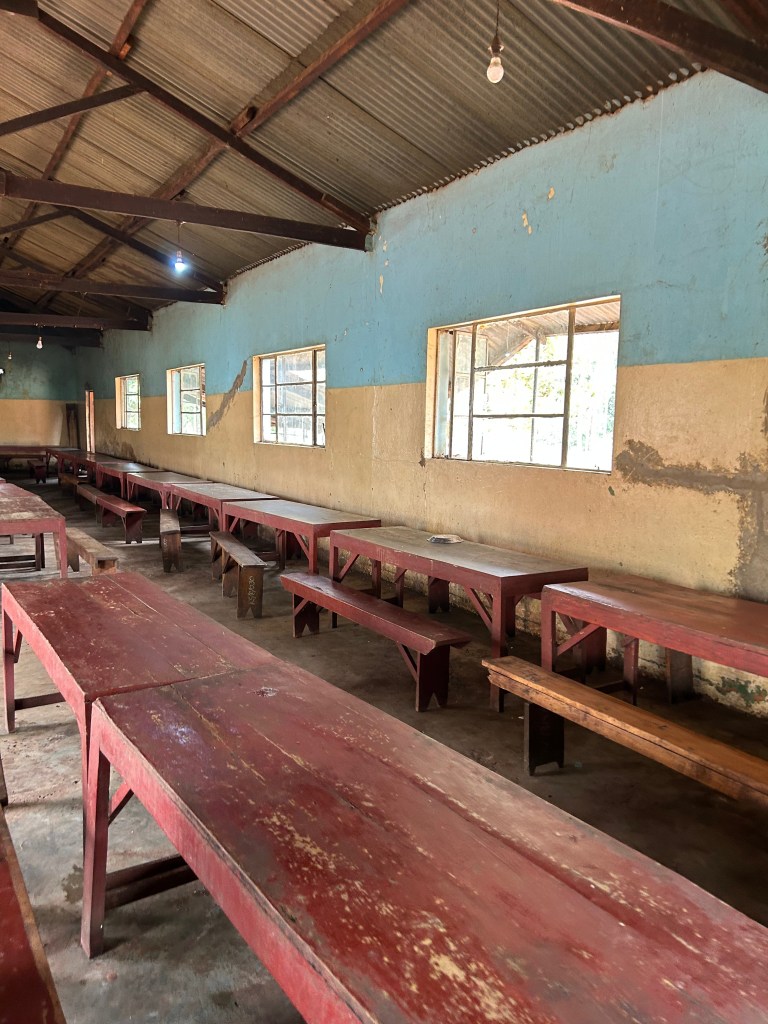
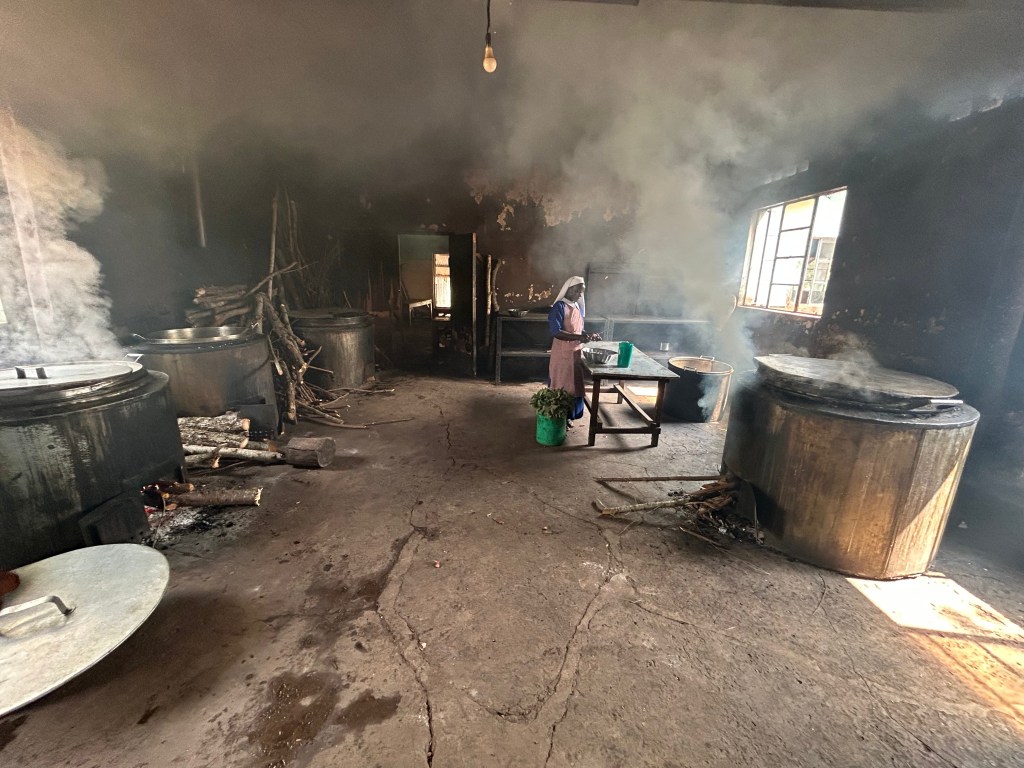
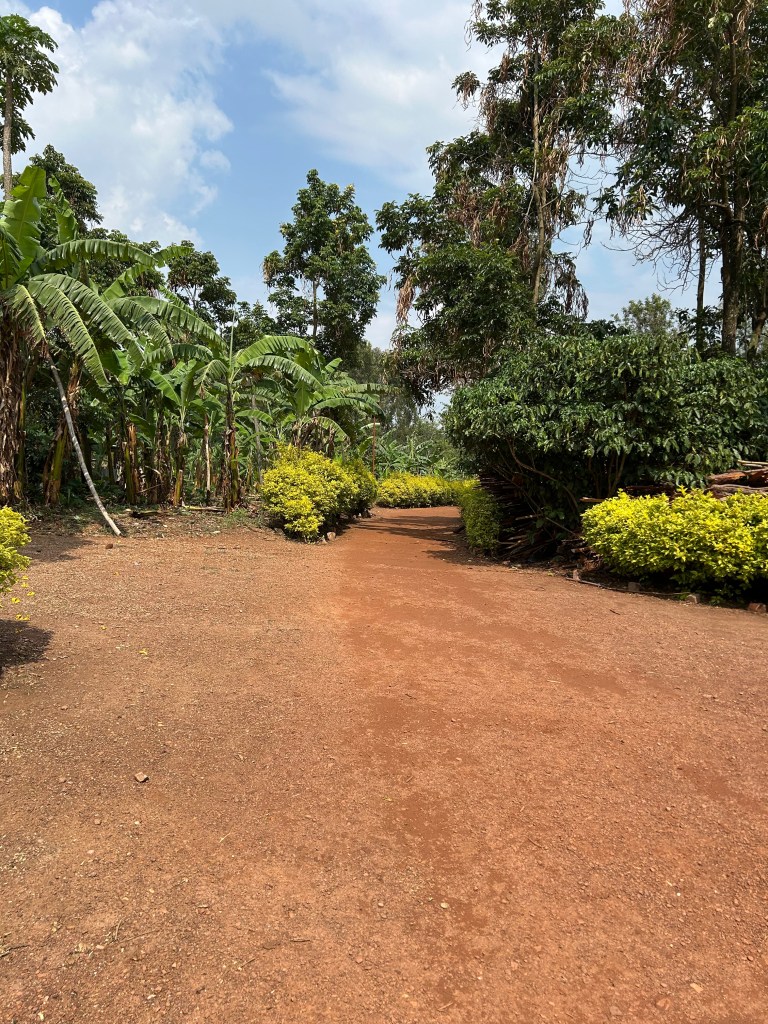
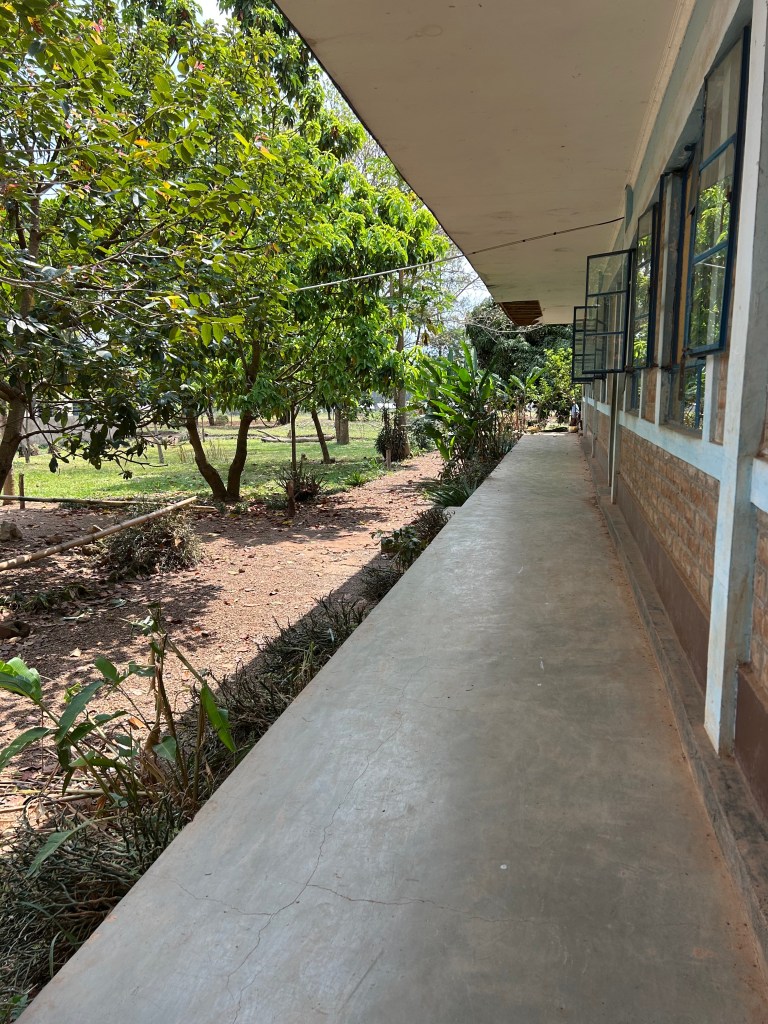
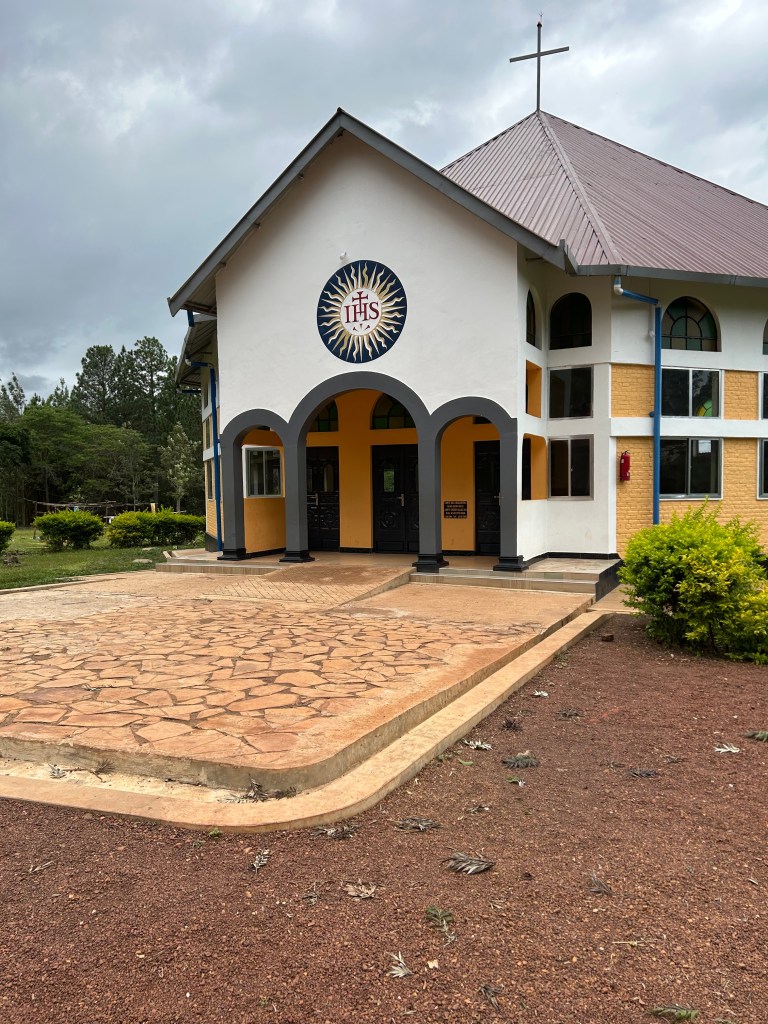
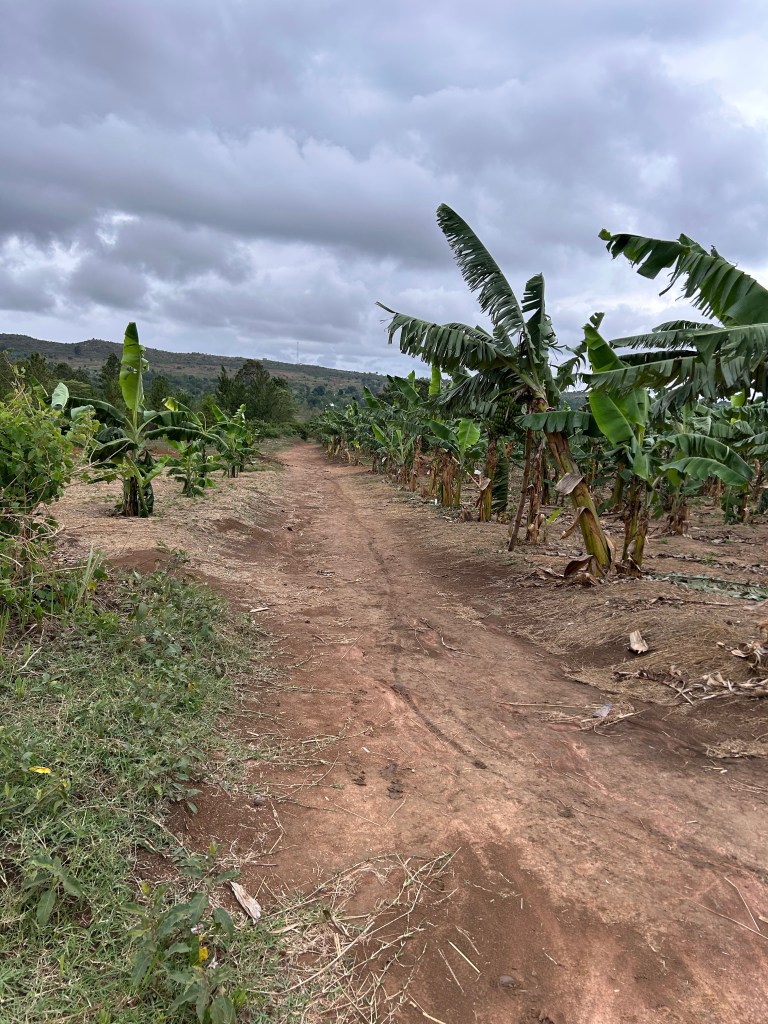
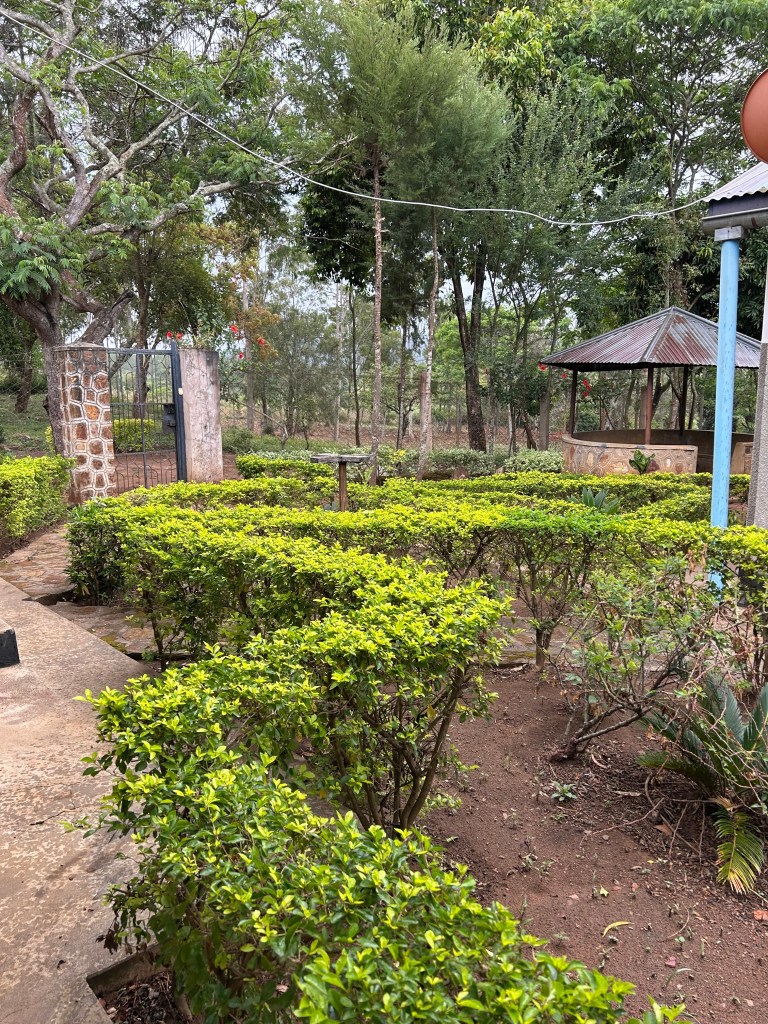
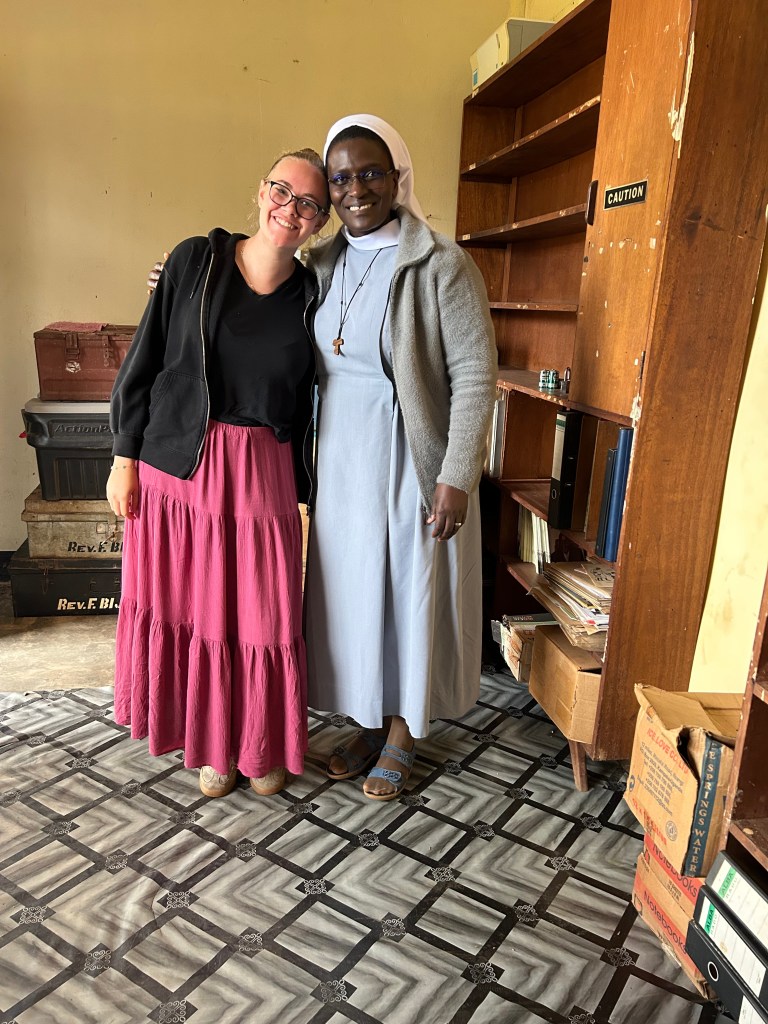
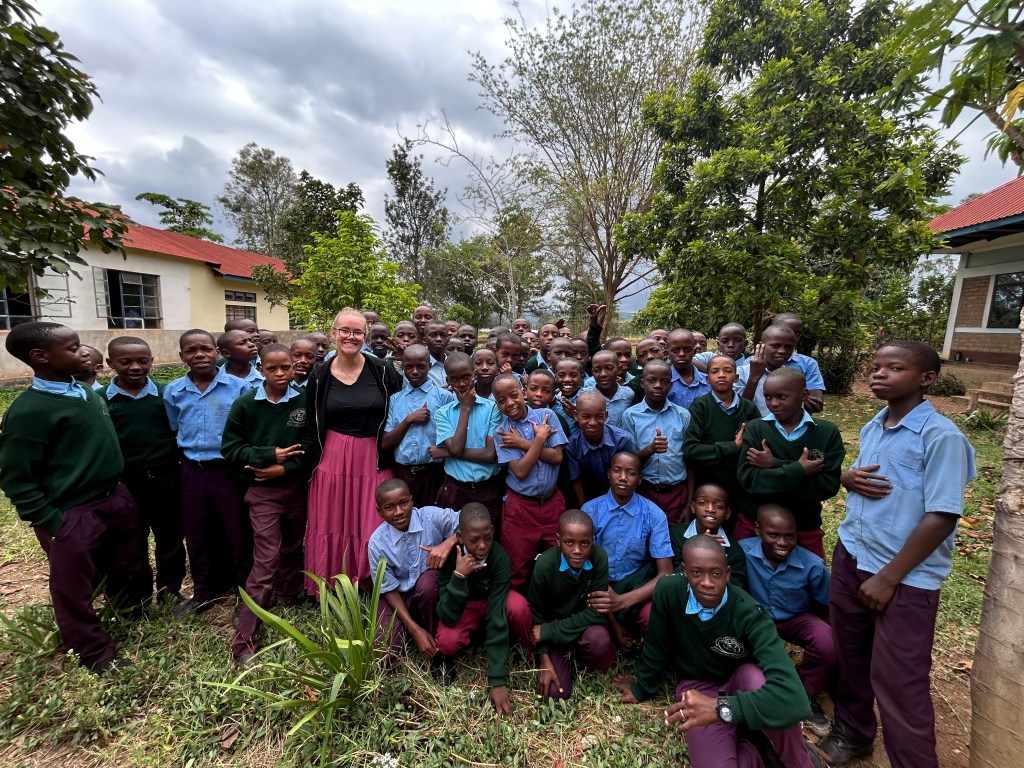
This weekend, I spoke almost exclusively Kiswahili, and I am slowly noticing how much better I am getting. People are very patient and delighted with every new word I learn.
More Highlights
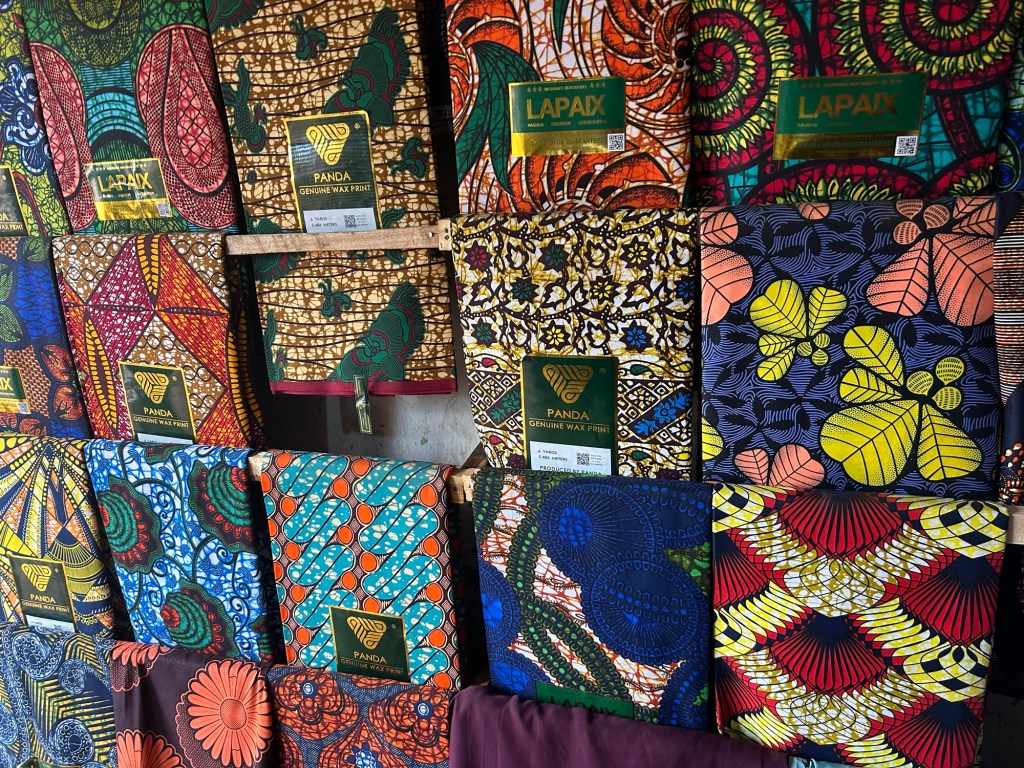
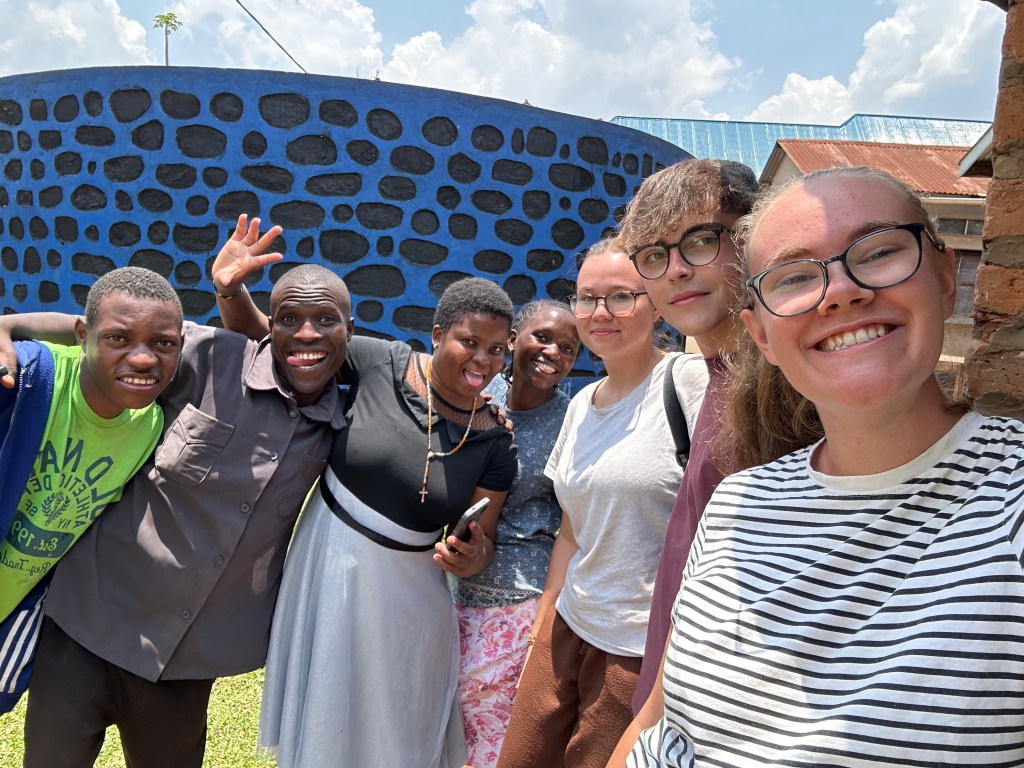
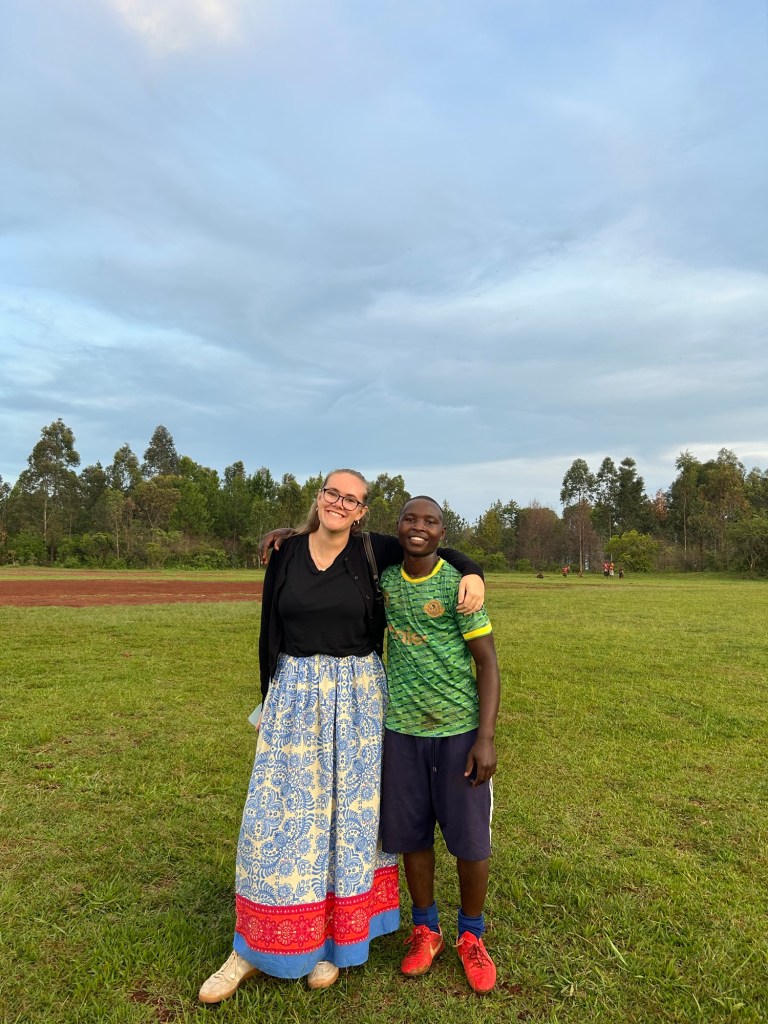
In Tanzania, almost everyone wears traditional clothing called ‘kitenge’. In Rulenge, there is a large group of women who produce their own fabric. After Father Denis (our mentor) suggested we buy fabric there, we had a dress and skirt made with a matching blouse. This is very practical here: you buy the fabric at the market, go to the seamstress, tell her what garment you want, and she sews everything to measure. So everything fits perfectly. The colourful garments are not only beautiful, but also very practical for our church visits.
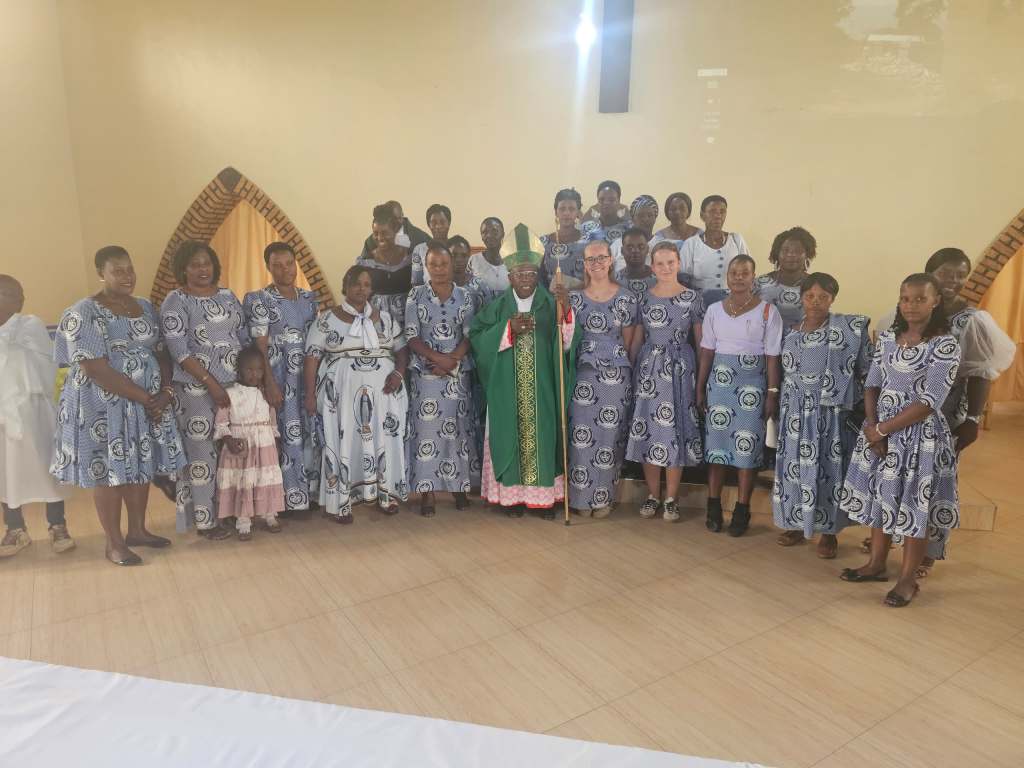
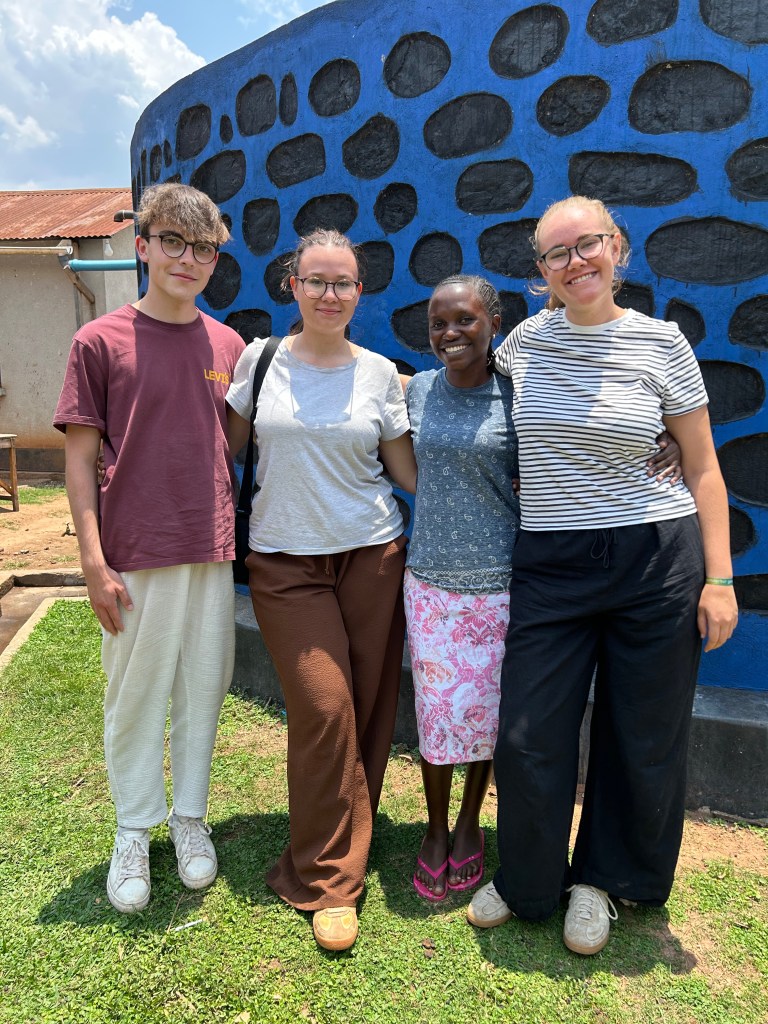
In October, Leni and Jason came to visit from Muleba, where they are doing their WFD. It was really good to see familiar faces again. We went out for meals together, visited the market together, and they accompanied me to work. We had a really wonderful time together.
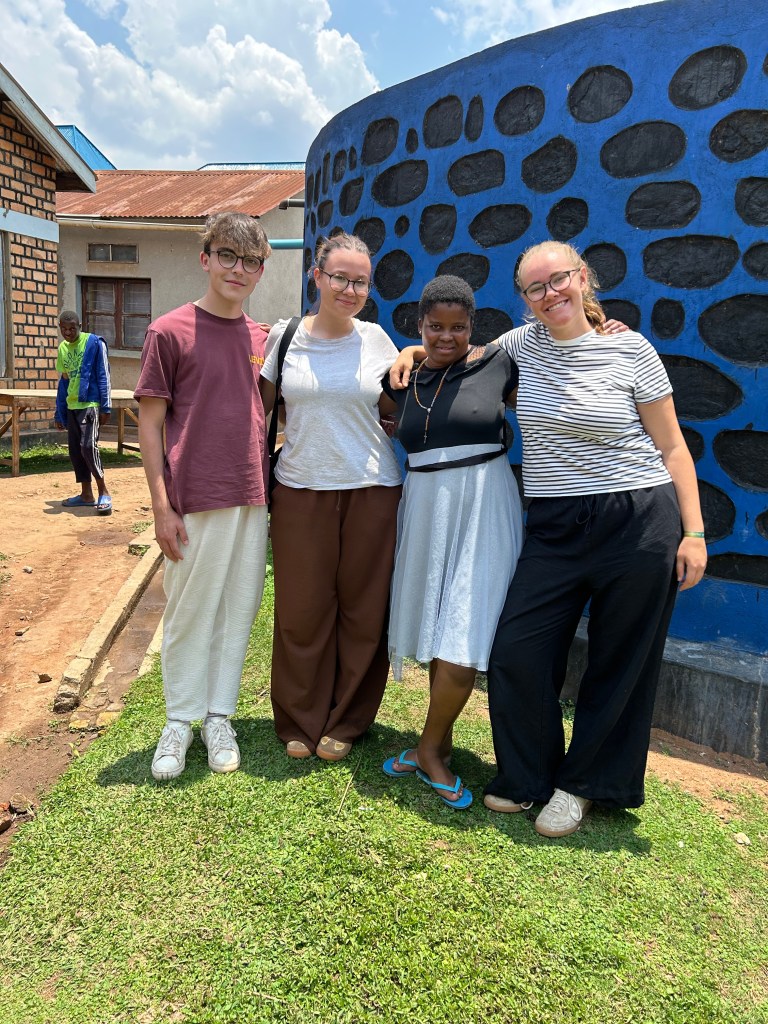
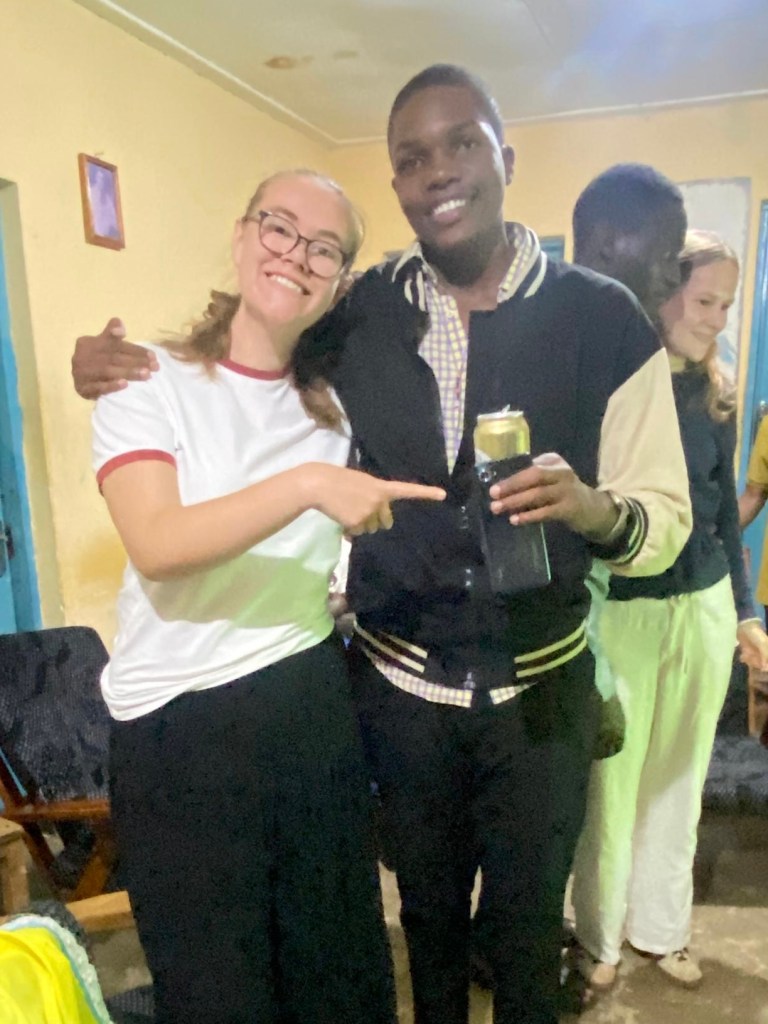
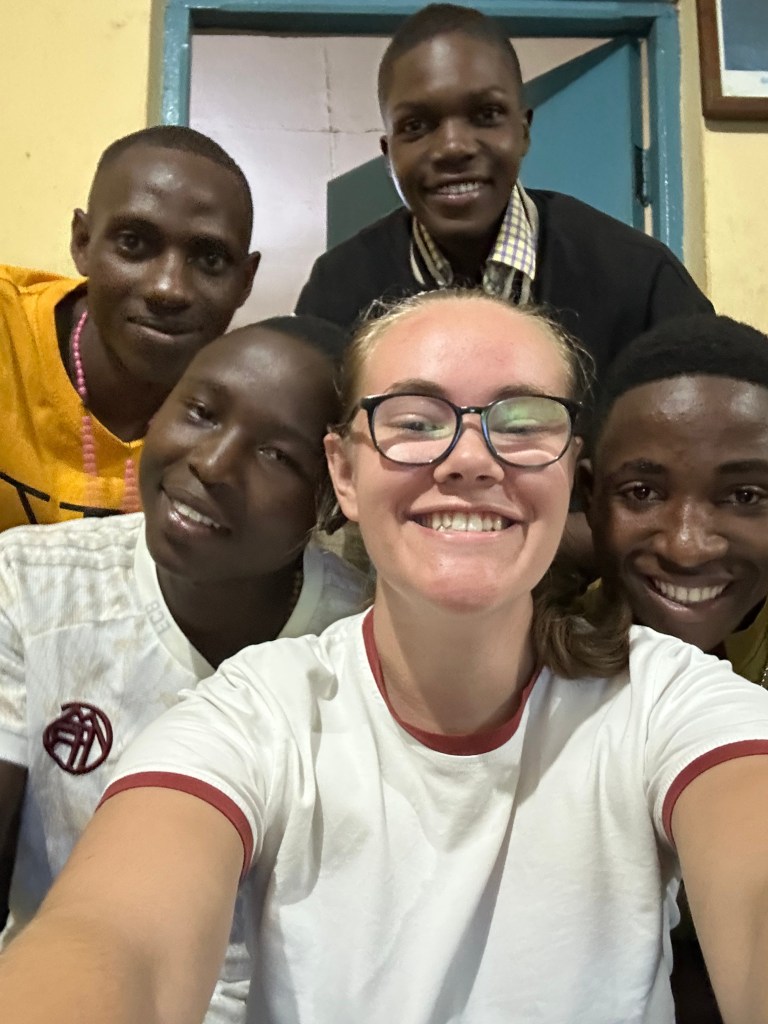
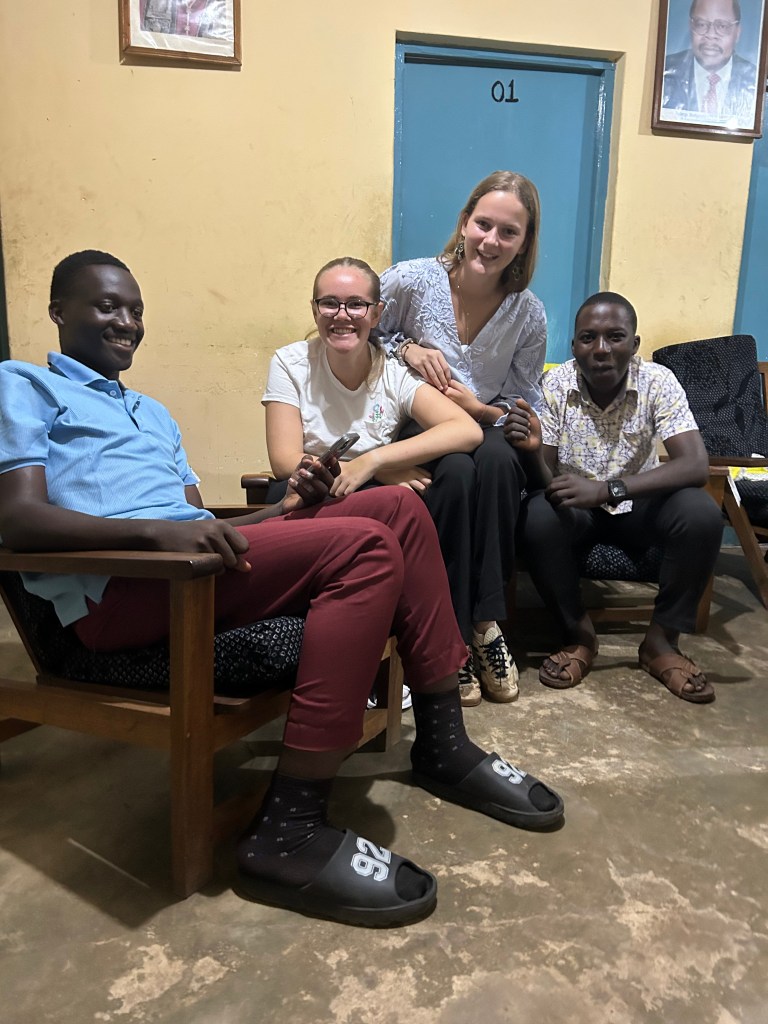
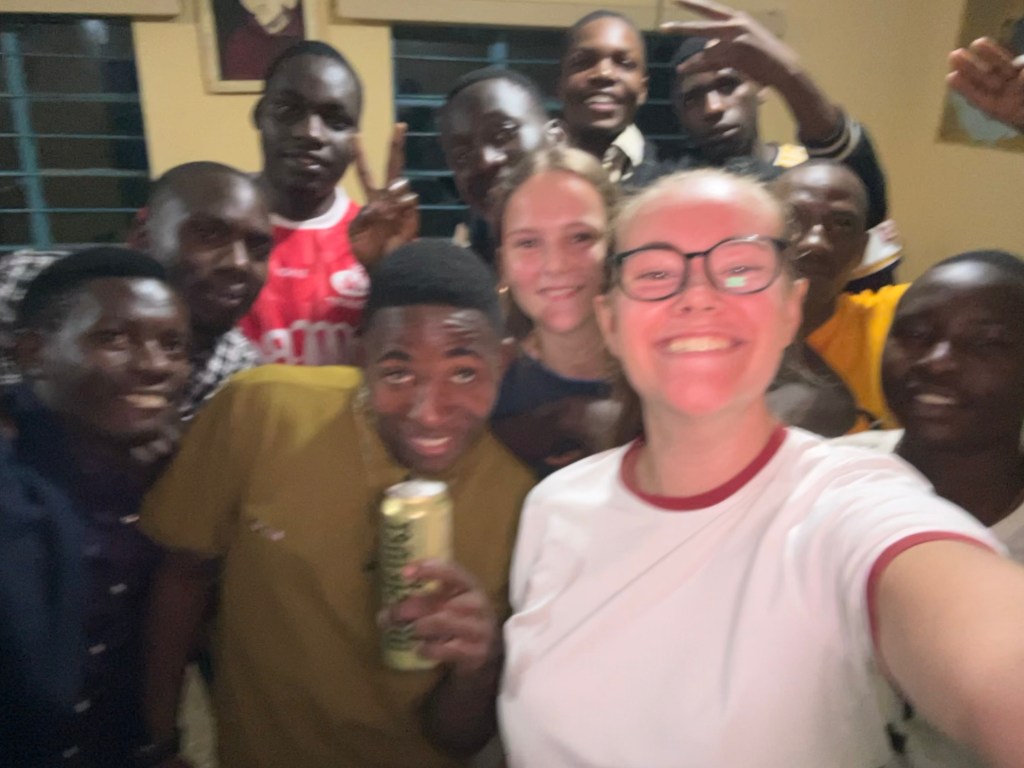
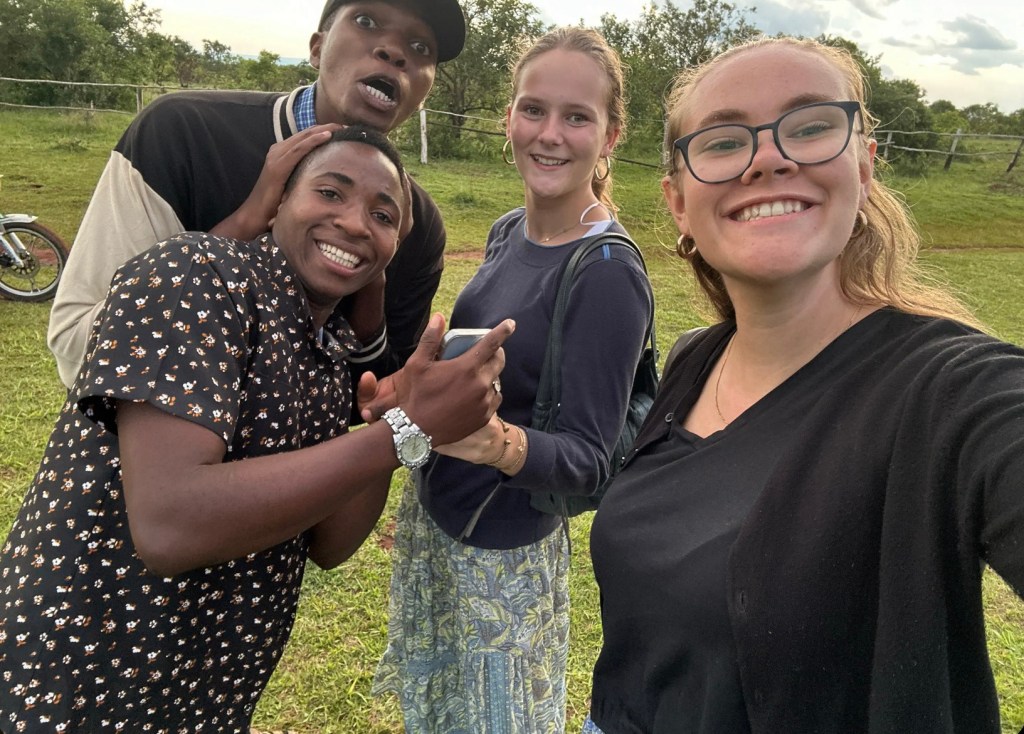
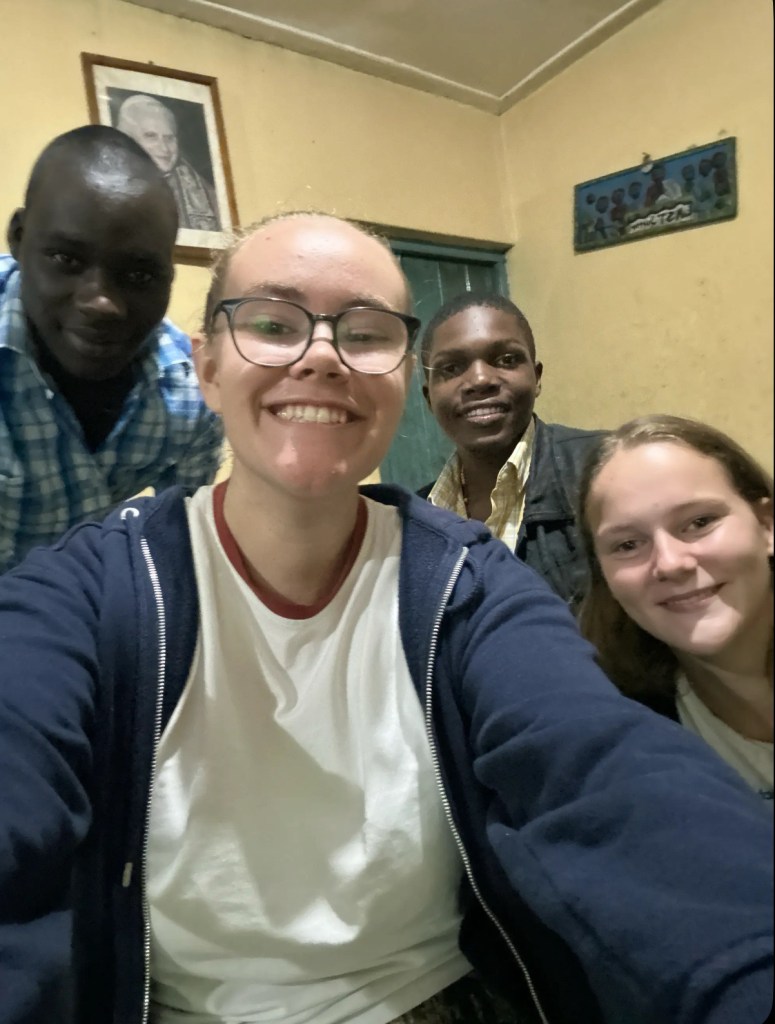
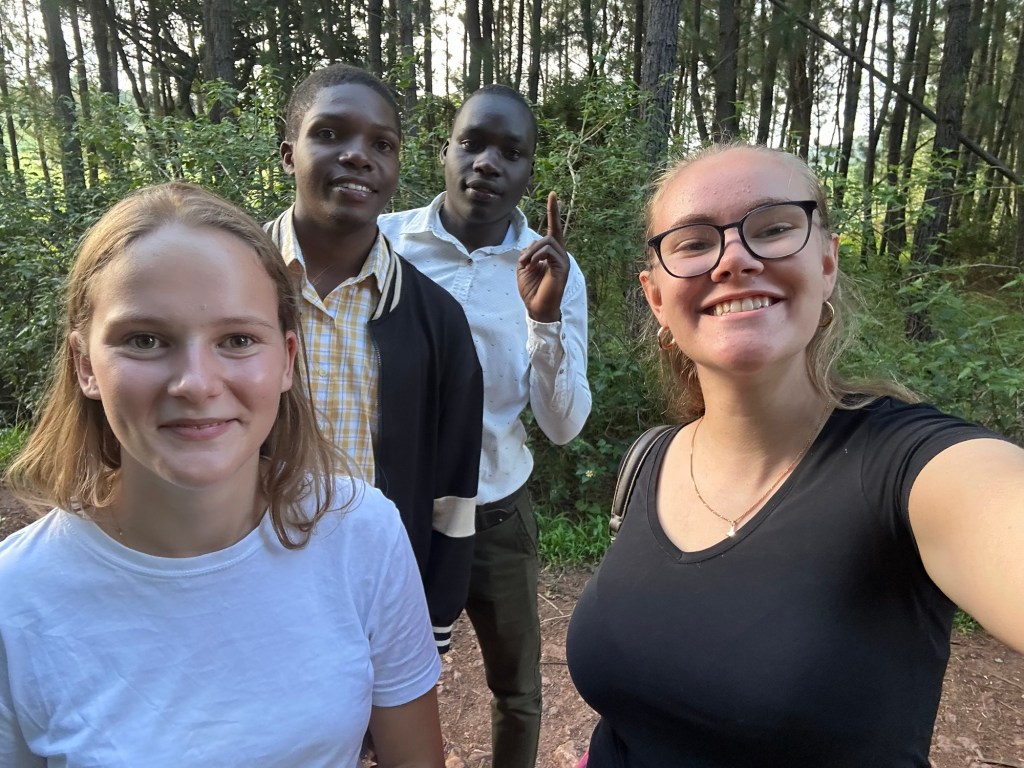
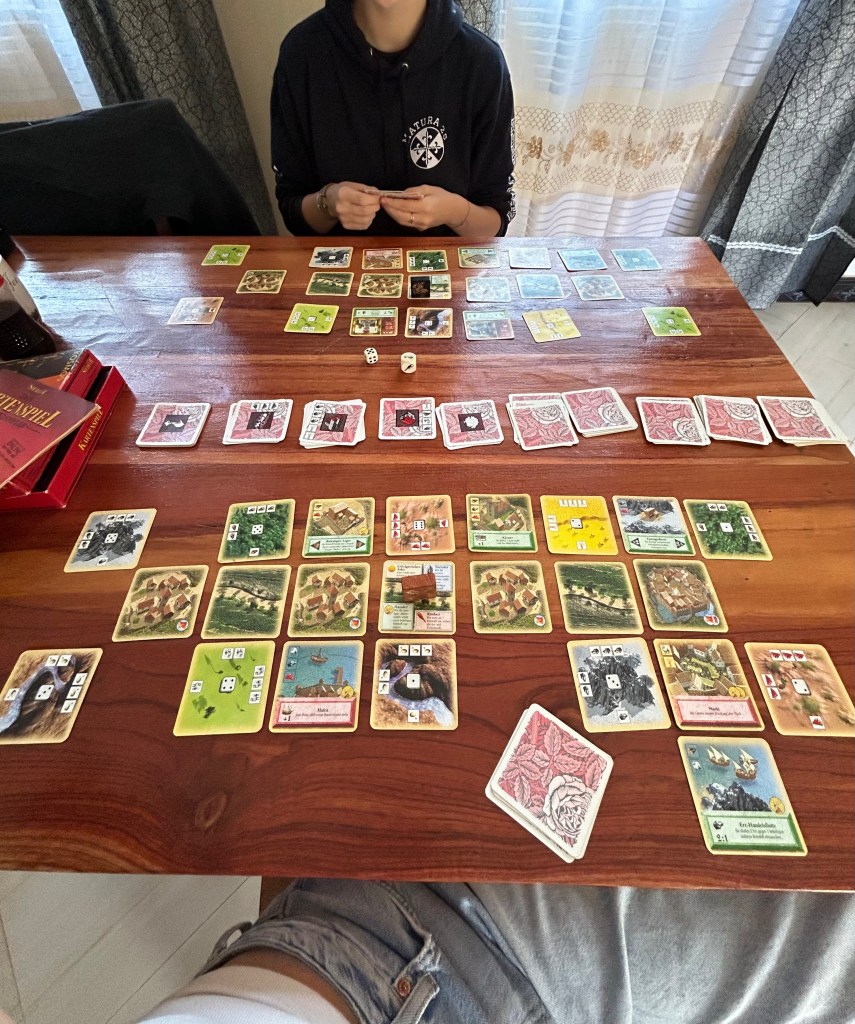
At the end of the month, our neighbours, the seminarians, moved in. They are completing their initial training here; some will become priests afterwards, others will go to university. They are exactly our age, all really funny, and we have a great time together. It’s perfect for us that our friends live only five metres away. We do lots of things with them: game nights, dinner together, church visits, football matches, learning to cook Tanzanian food, and weekly visits to the Christian community.
Sick in Tanzania
First of all, it is important to me to say that everything I write here is only my personal experience during my hospital stay in a city in Tanzania.
It only reflects my individual experiences and should not be generalised or taken to represent all institutions or situations!
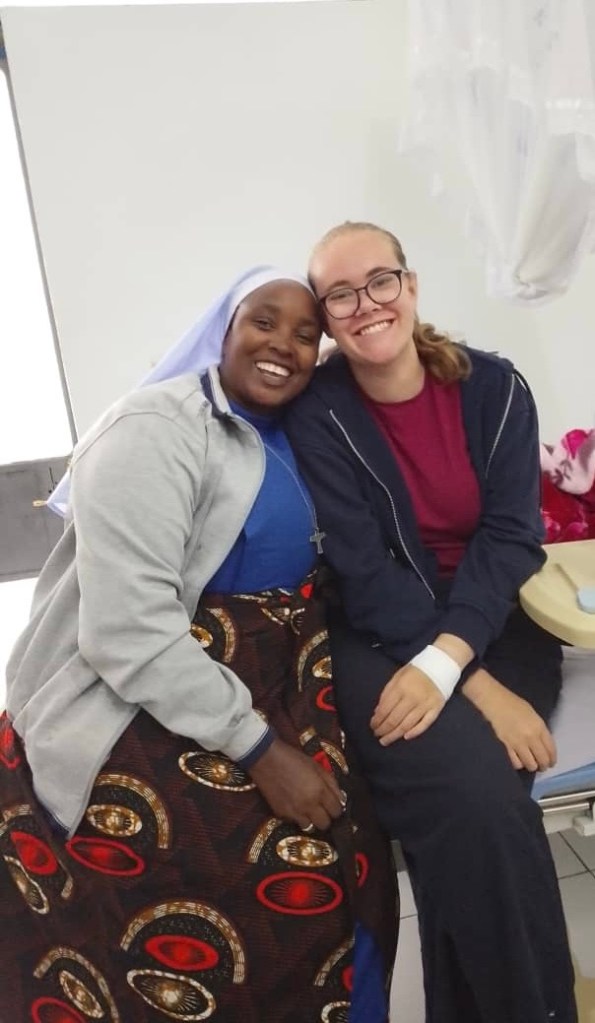
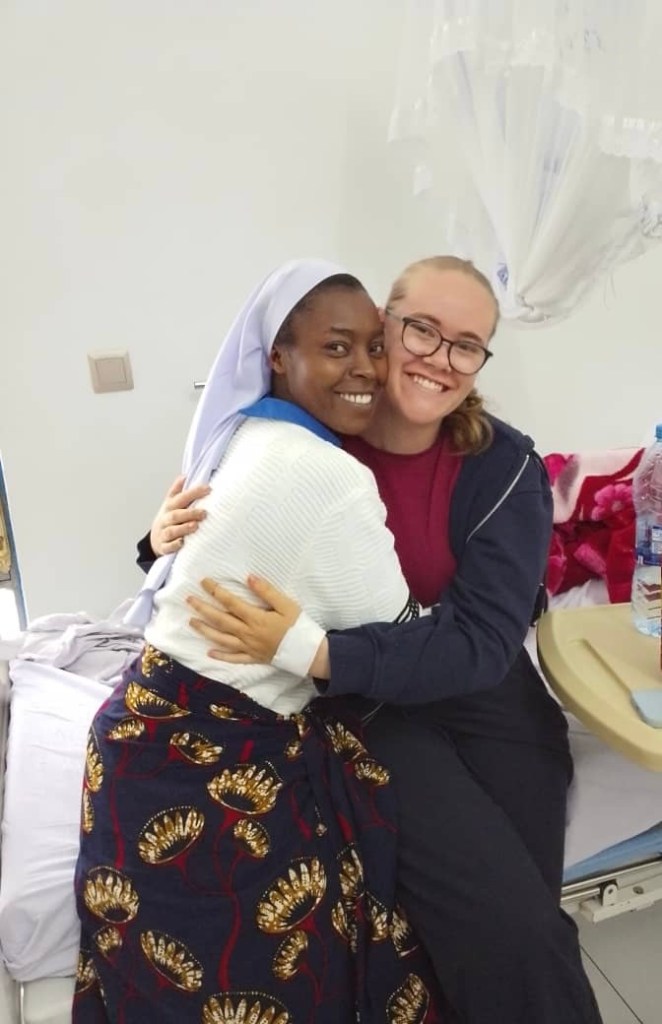
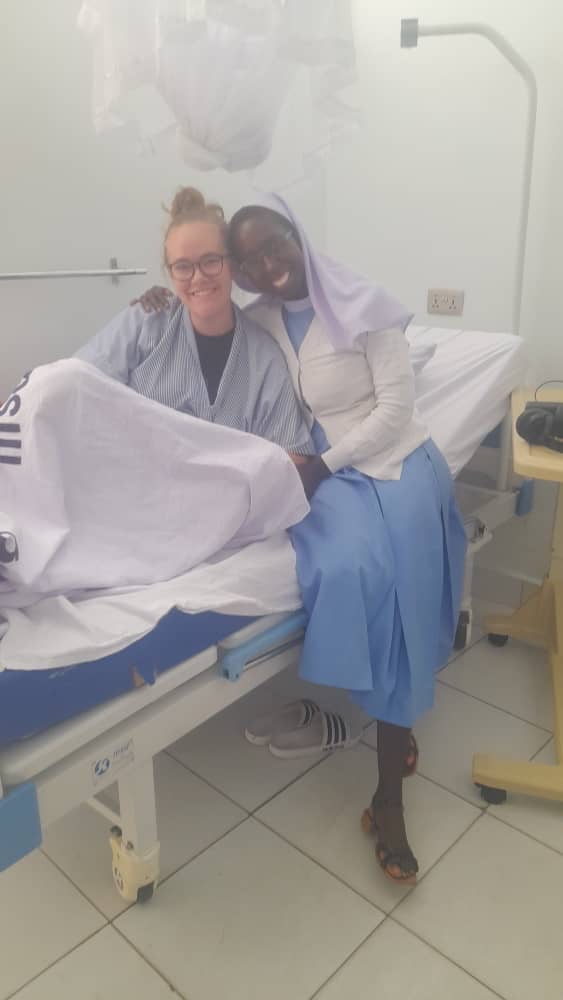
Unfortunately, I fell ill in the middle of the month. At first, it seemed like a normal cold, but soon I developed a fever, severe pain, vomiting and dizziness. I was admitted to the hospital in Rulenge with suspected malaria, but all the tests came back negative. It was the first time I had ever been so ill and so far away from home. Fortunately, I had great support on site. The doctor took incredibly good care of me, the nurses were loving, and Philippa was by my side every day, even during the most unpleasant moments, such as the urine sample on the pit toilet. In addition, people from the village kept coming to check on me. That touched me deeply and gave me strength every day.
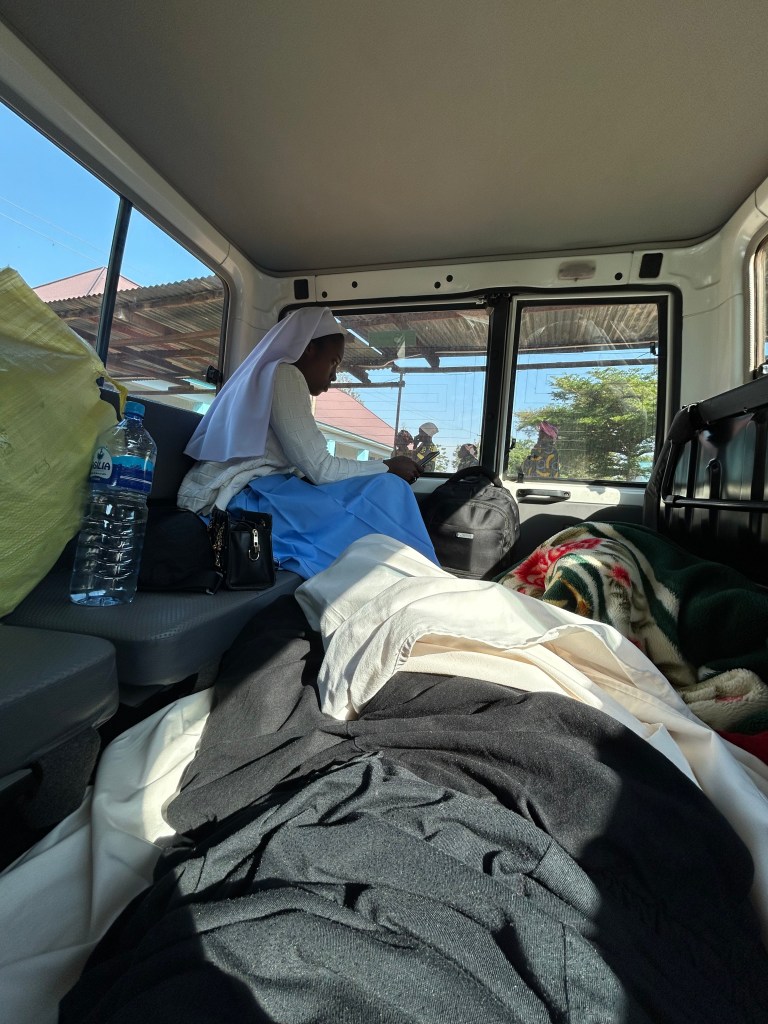
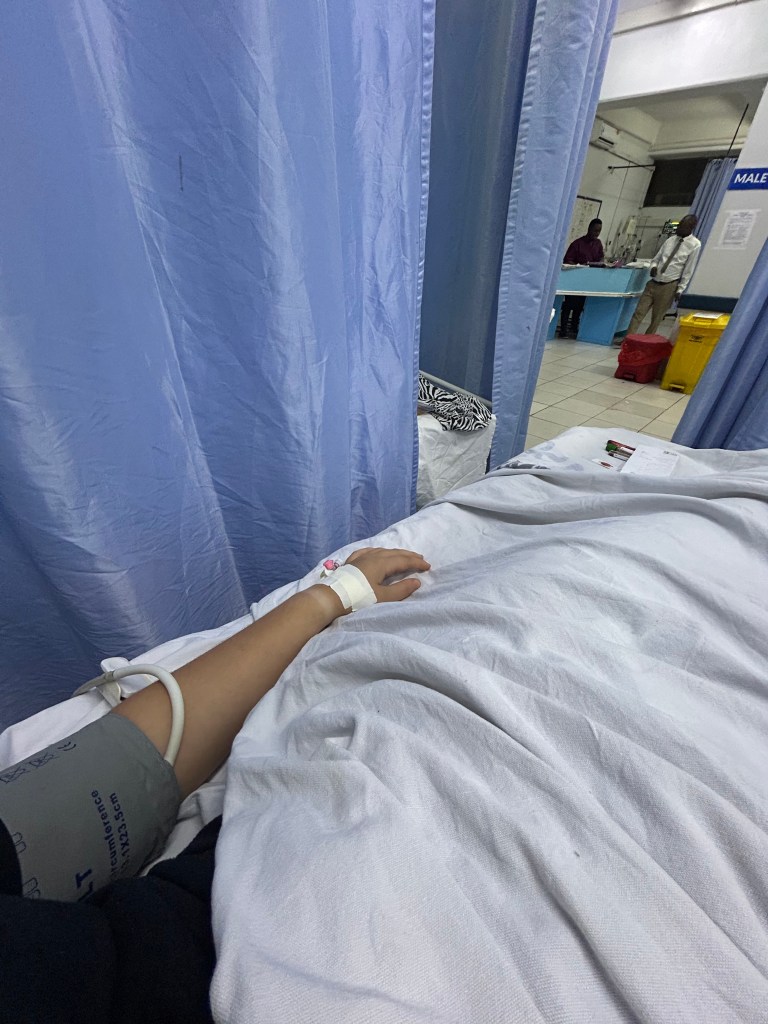
After four days, I was transferred to the hospital in Mwanza because more comprehensive tests were needed. Sister Anita, my colleague and friend from Angels Home, accompanied me. After an eight-hour drive, we arrived and I was taken straight to the emergency room. Unfortunately, that’s where a real nightmare began for me: eight blood tests failed, I had to give blood again and had a total of 18 punctures in my arms. I received bills for almost €400 for tests I had never had, and I couldn’t be admitted as an inpatient until the bills were paid. The conditions in the emergency room did not improve the situation: there were 40 patients lying close together, separated only by a curtain; I was not allowed to eat or drink anything and was supposed to provide a urine sample after 5 hours, even though I was unable to get up, whereupon I finally fainted.
After seven hours, at 3:30 a.m., I was finally admitted after Father Denis and my doctor in Rulenge had put pressure on them. More tests followed, and I was finally able to get some sleep around 5 a.m.
On top of that, a male nurse became increasingly intrusive. He kept coming into my room, writing me messages and simply touching me. In the end, he even proposed to me, and when I was back in Rulenge, he sent me secretly taken photos of me sleeping in the emergency room. It was so scary and kind of creepy. Fortunately, my doctor from Rulenge took everything very seriously and reported the incident immediately. I was and am very grateful that he is here!
Despite everything, there were also positive aspects. I underwent many examinations and physiotherapy sessions, got to know some lovely doctors and made progress every day, so that after a few days I was able to return to Rulenge. During this time, I realised how important support and friendship are. Father Denis, all the sisters from Angels Home, especially Sister Anita, the Doctor in Rulenge, Philippa and my family in Germany stood by me the whole time and helped me get through this extremely stressful situation.❤️
After all that stress, I’m feeling really well again now. I’m not 100% fit yet and have to take it slow, which is really hard for me. I also have to take it slow at work, but I can almost manage a full seven hours again. I’ve also finished my physiotherapy, so I’ll soon be back to my old self again.
Elections in Tanzania
On 29 October, presidential elections were held in Tanzania, during which we got to know a new side of the country. The opposition was excluded from the election, some opposition members were imprisoned, and the election was neither free nor secret. It is heavily manipulated and the results are only announced after several days. There are more ballots than eligible voters, and ballots that do not have a cross next to the president’s name are simply replaced. The whole situation led to severe unrest throughout the country. For example, people were no longer allowed to go to Ngara, the nearest large town, because demonstrators had even been shot dead on the streets there. Fortunately, things remained calm here in Rulenge. When the election began, the entire internet was shut down, so no communication was possible. At first it was strange because we couldn’t let anyone know what was going on, but then we had more time for ourselves and really had a great time. We played cards, cooked, got creative and grew even closer together. Even though Philippa and I had some teething problems, things are going great now and I am just incredibly happy to have her as my fellow volunteer. We have a lot of fun, have great conversations, I can talk to her about anything and we enjoy the feeling of freedom 100%.
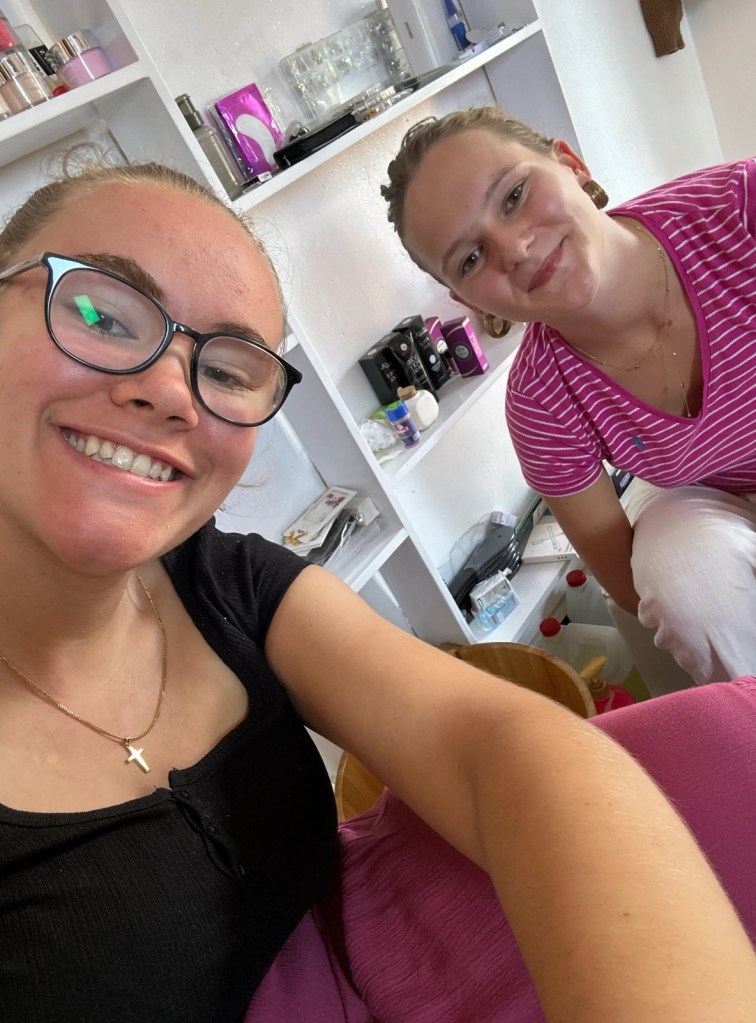
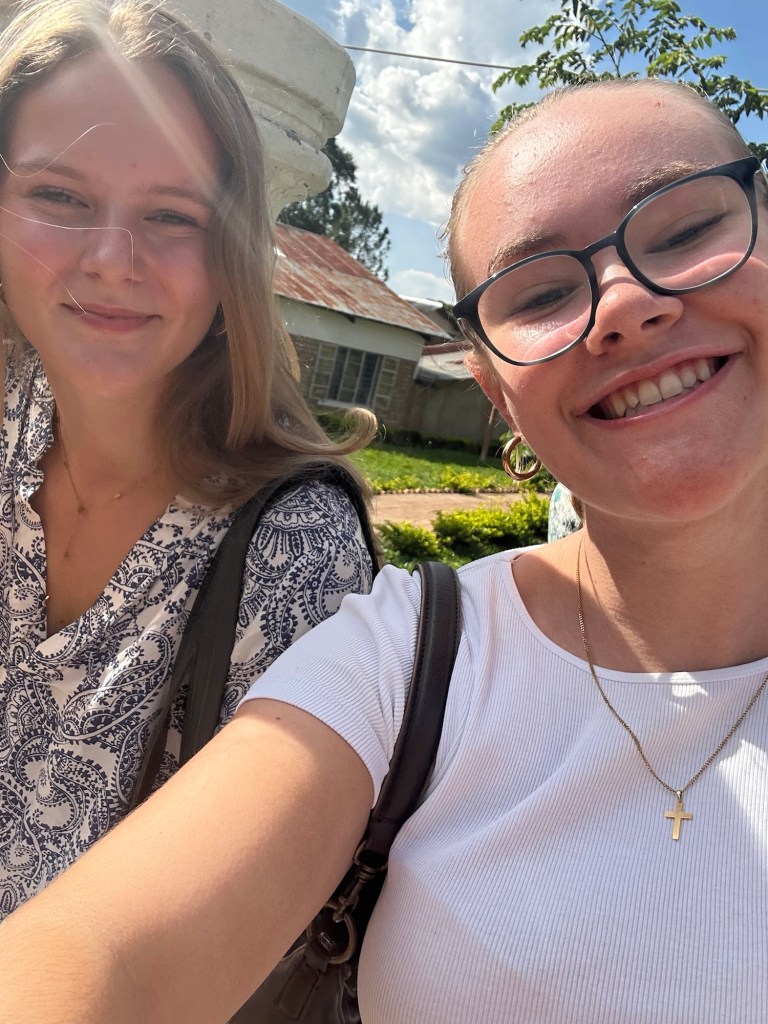
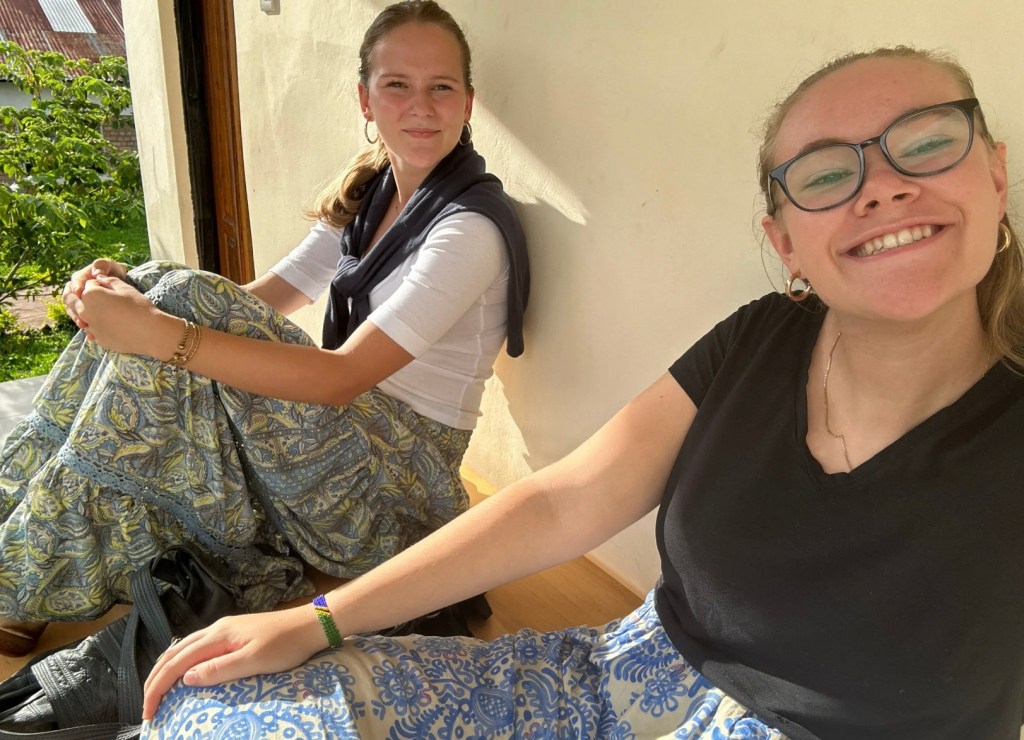
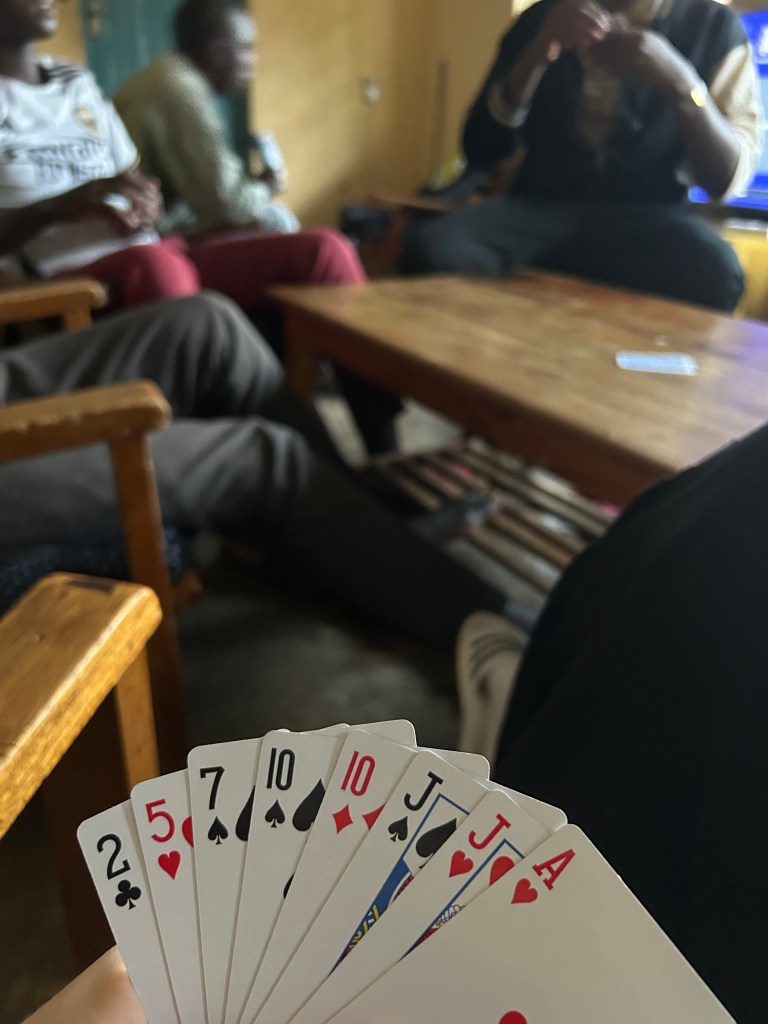
Despite all the challenges of the last few weeks (violence in the orphanage, illness, political restrictions), Rulenge is simply the perfect place for my WFD and I am incredibly happy here. I learn something new every day and enjoy working with the children, the warm encounters and the culture. Every day brings new experiences, and I am so grateful to be able to experience this time. I have rarely been as happy as I am right now.😍😍
So, my dears, I’ve written and told you a lot again. I hope you are well, that it’s not too cold where you are, and that you are enjoying the run-up to Christmas, which I probably won’t notice much here. With daily temperatures of +24 degrees, it seems strange that Christmas is coming soon.
All the best to you all and see you soon, big hugs to everyone,❤️🫶
Love you,
Johaenski


Kommentar verfassen