Hello my dears,
I hope you are all well. I have been in Tanzania for over three months now and I still can’t believe how quickly time is passing. I actually wanted to tell you again today about everything that has happened in the last few weeks, because of course there has been a lot to experience: a visit to other volunteers in Muleba, a trip to Mwanza, a priest ordination, many wonderful moments at work, countless moments with my friends here in Rulenge and much more.
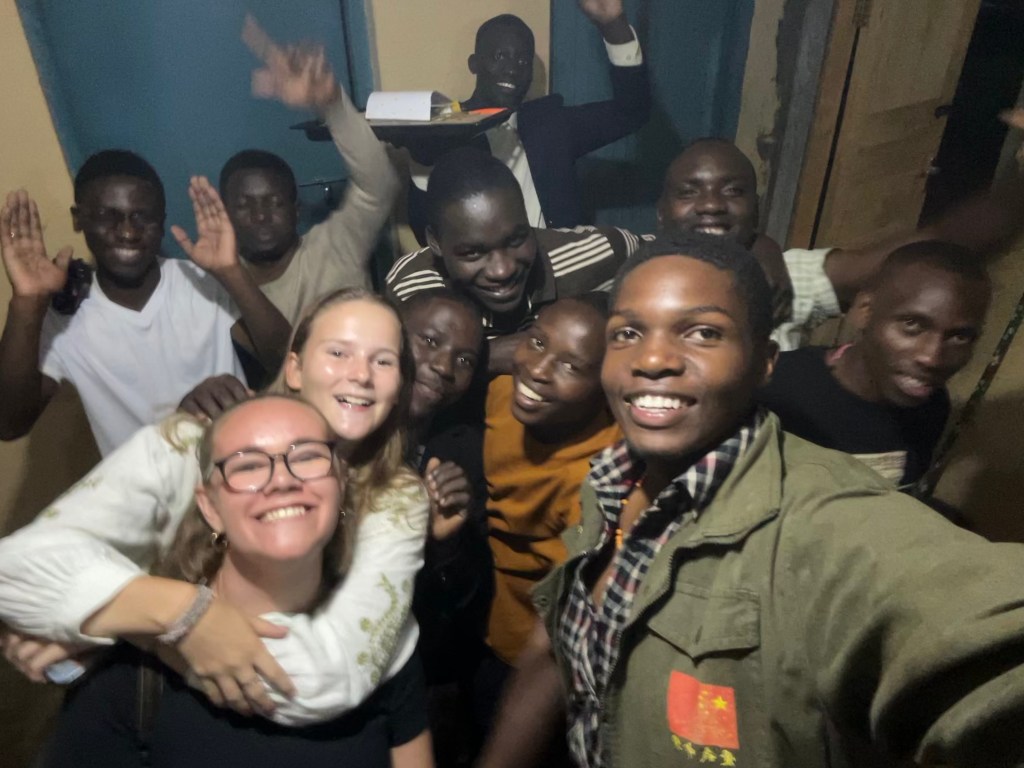
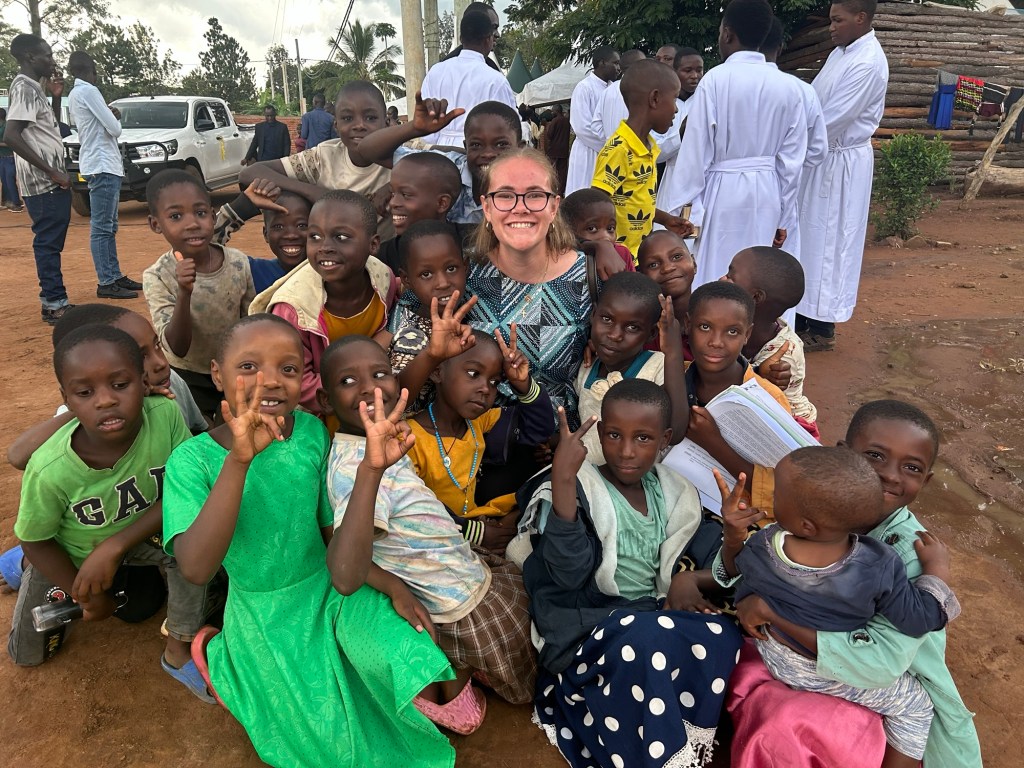
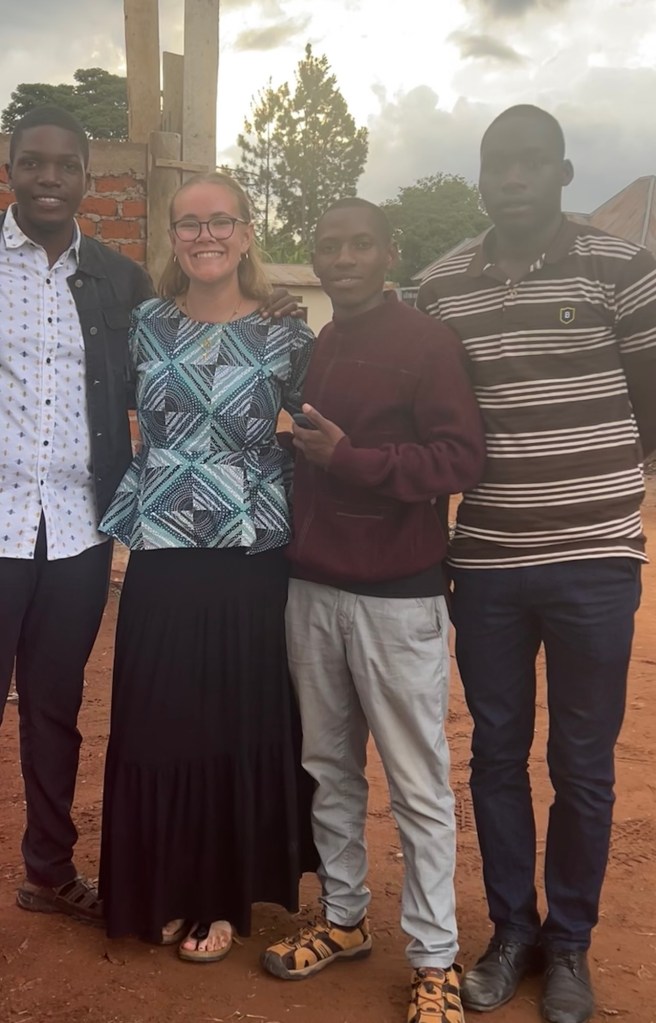
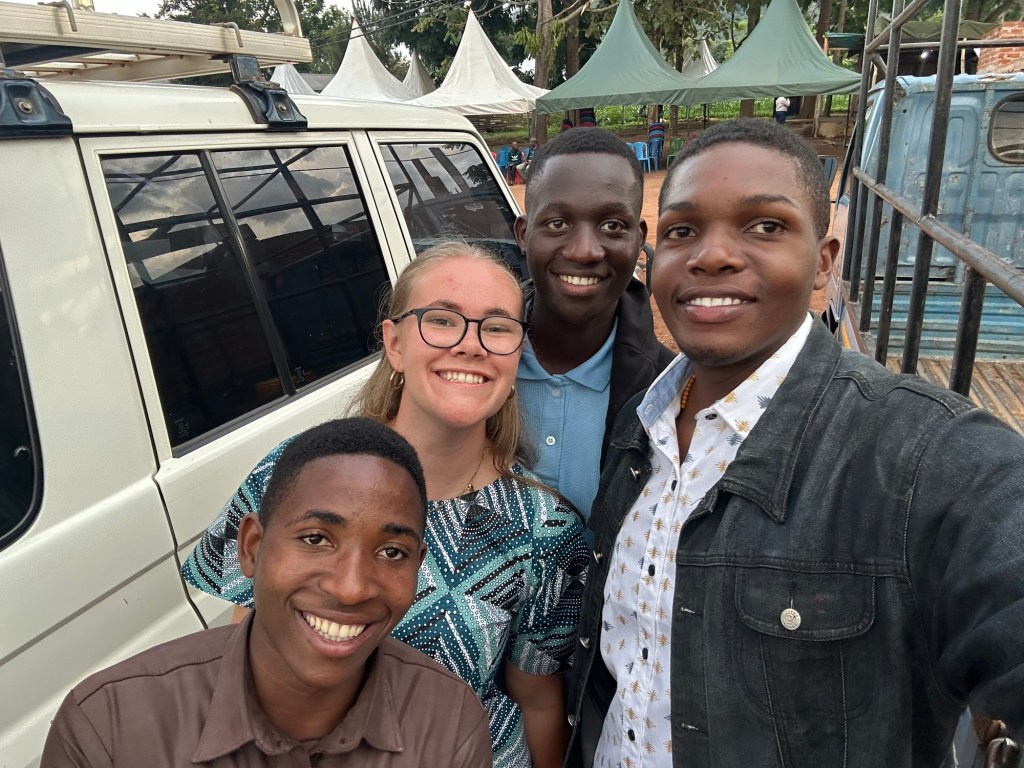
But first, a photo recap of the last few weeks:
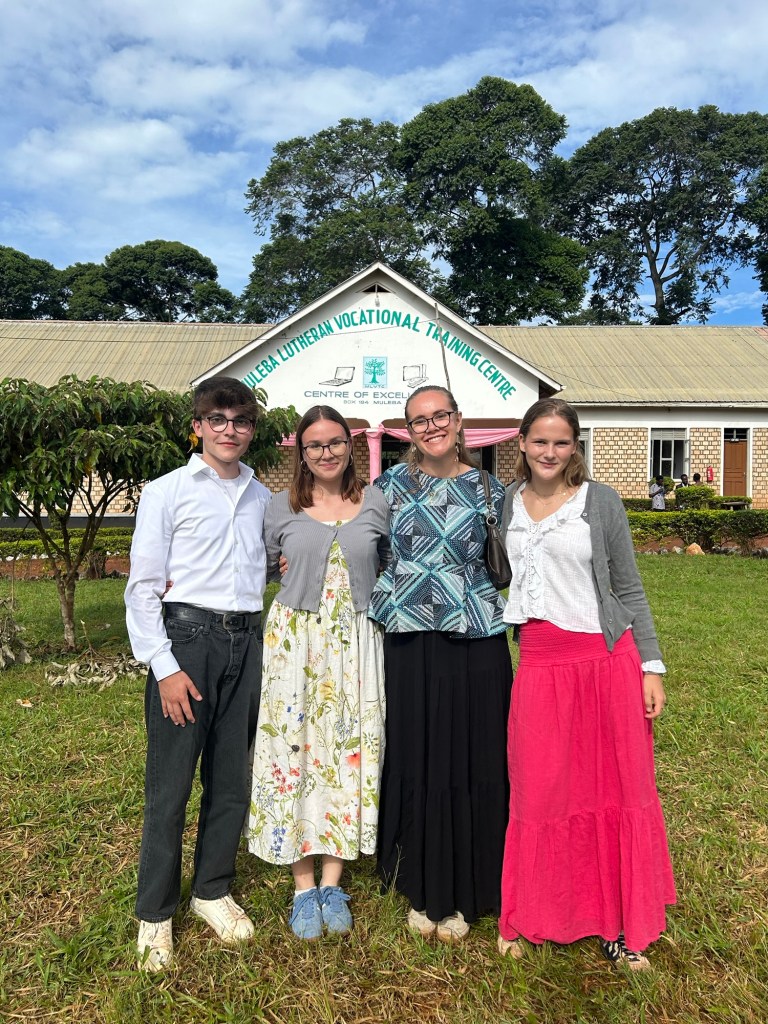
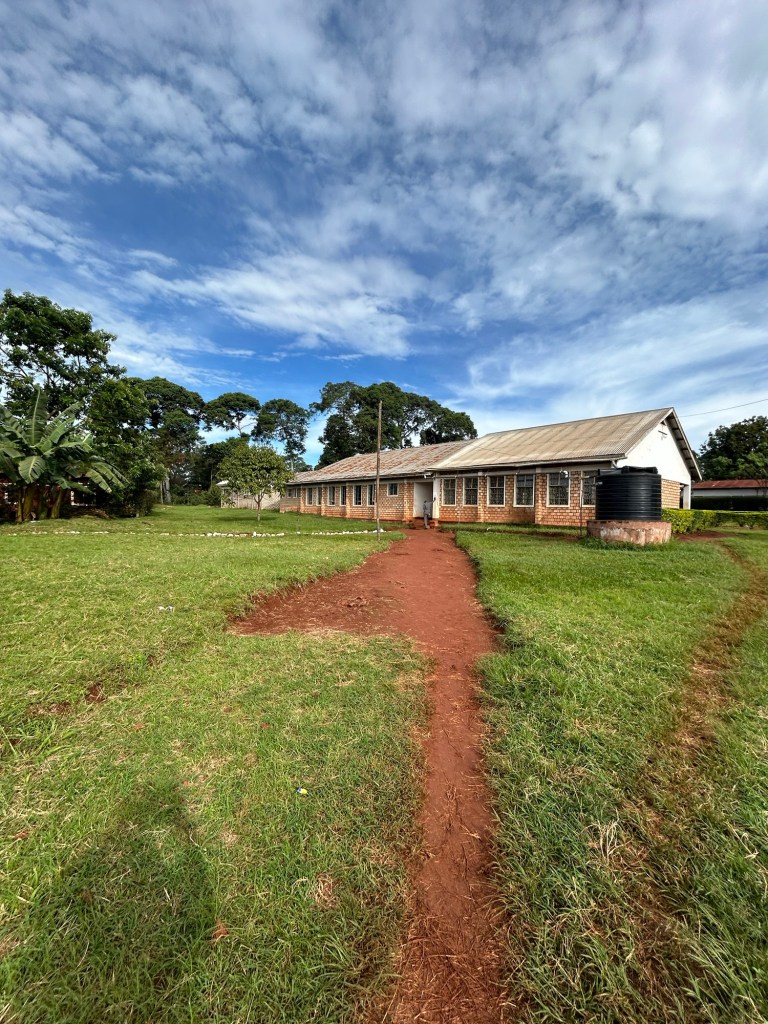
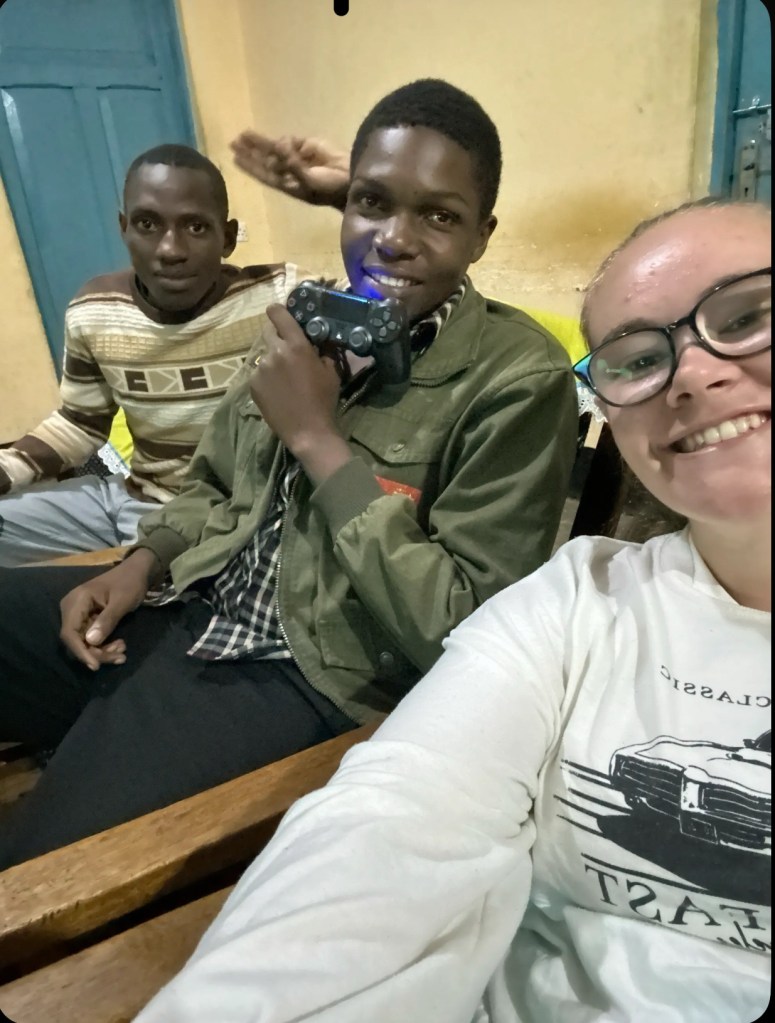
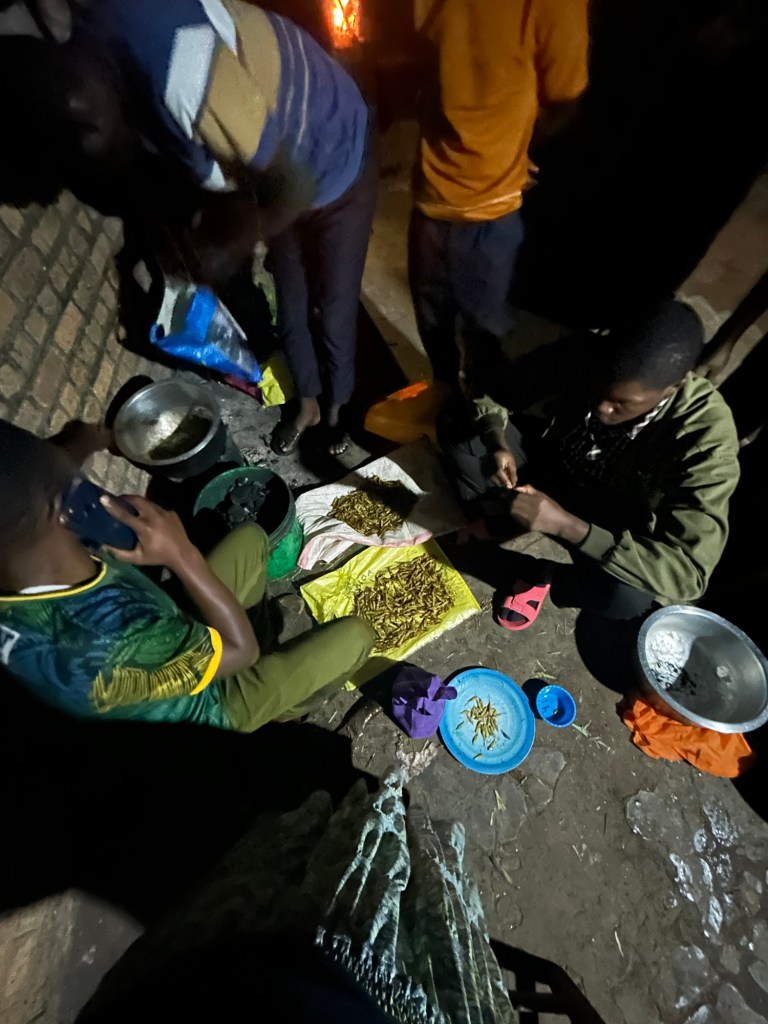
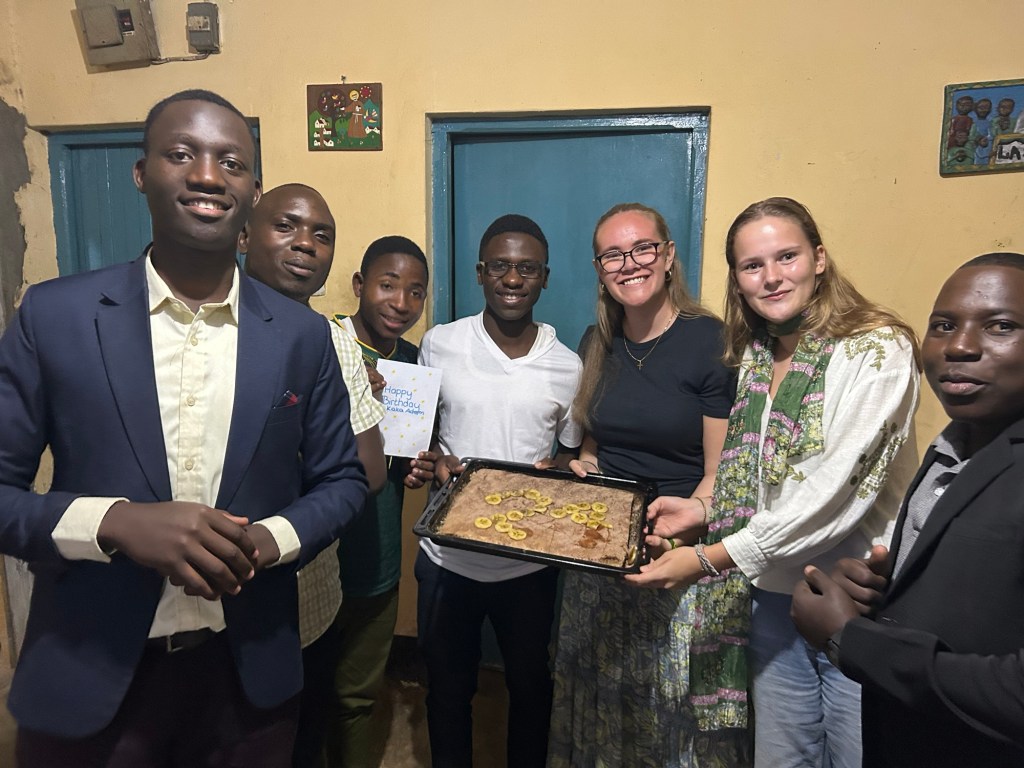
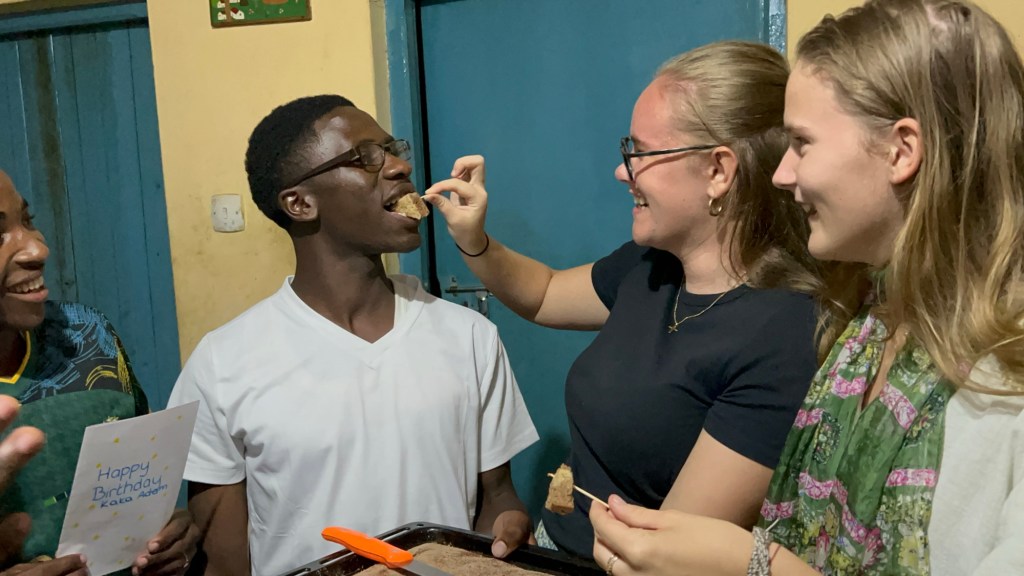
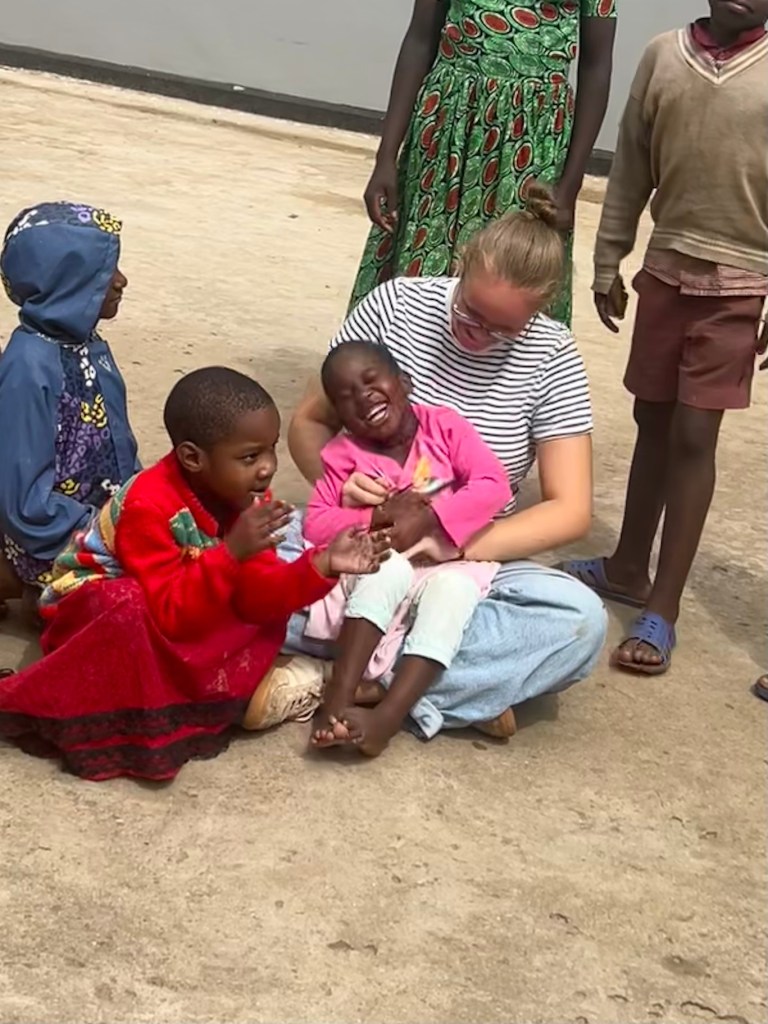
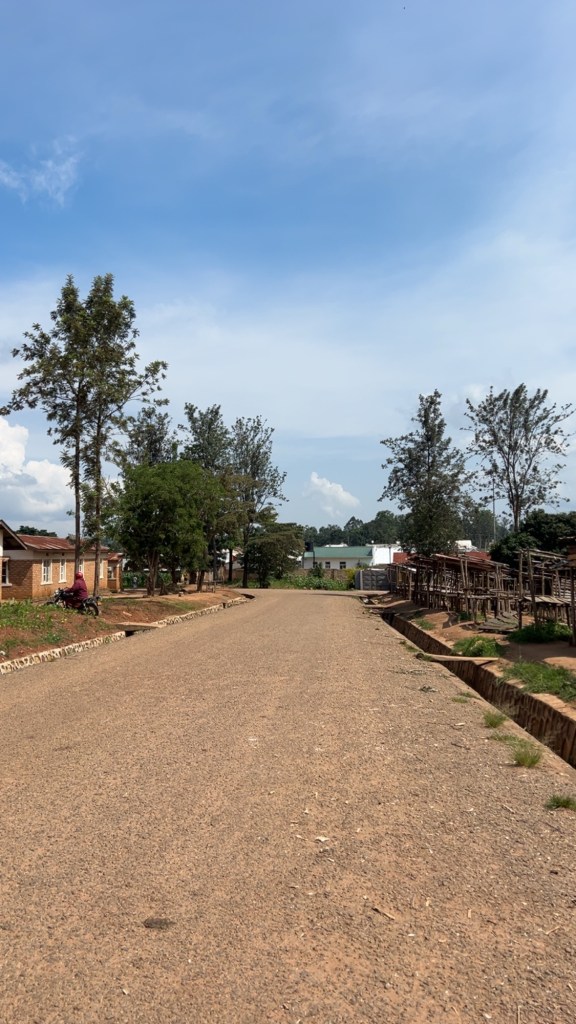
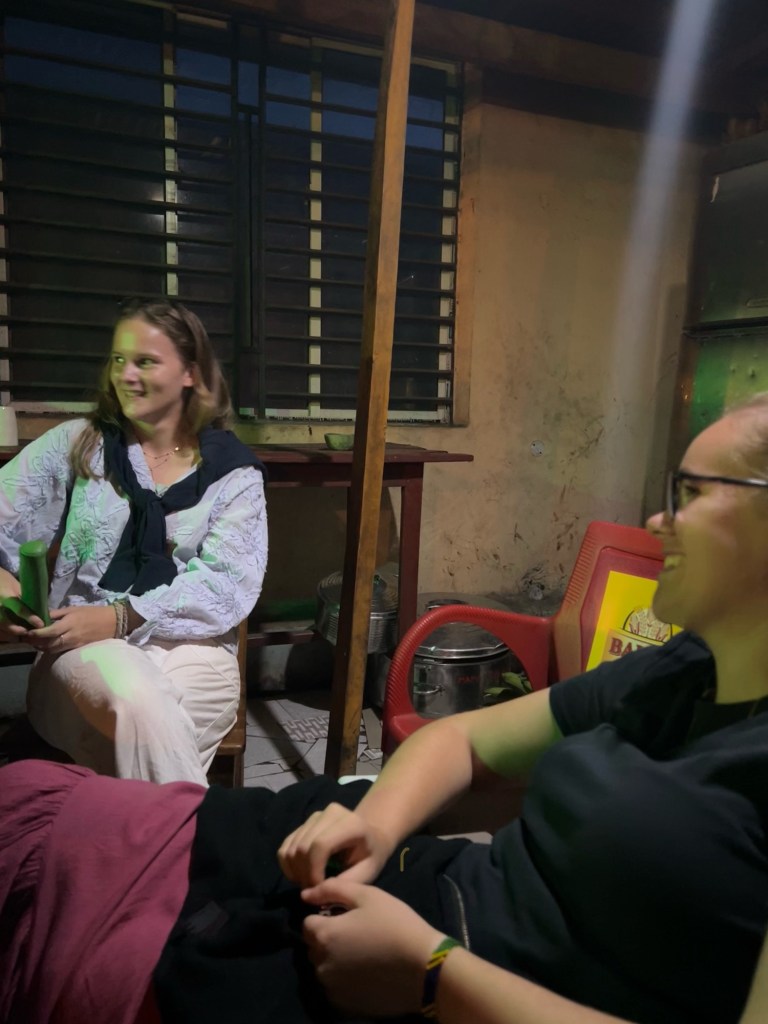
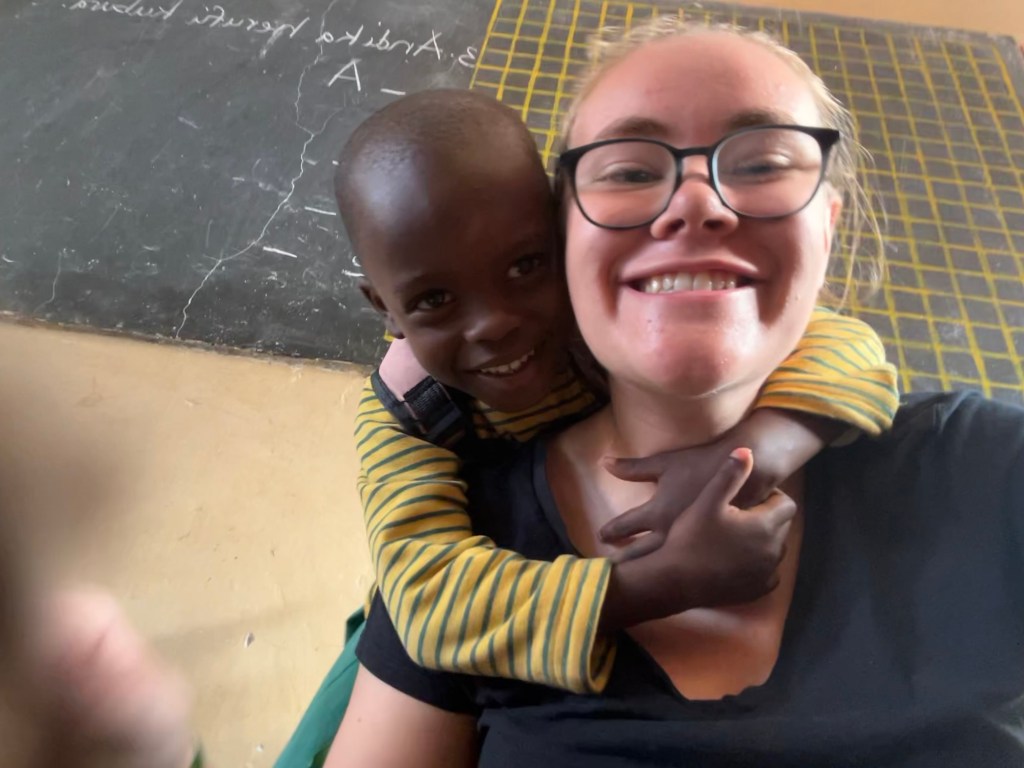
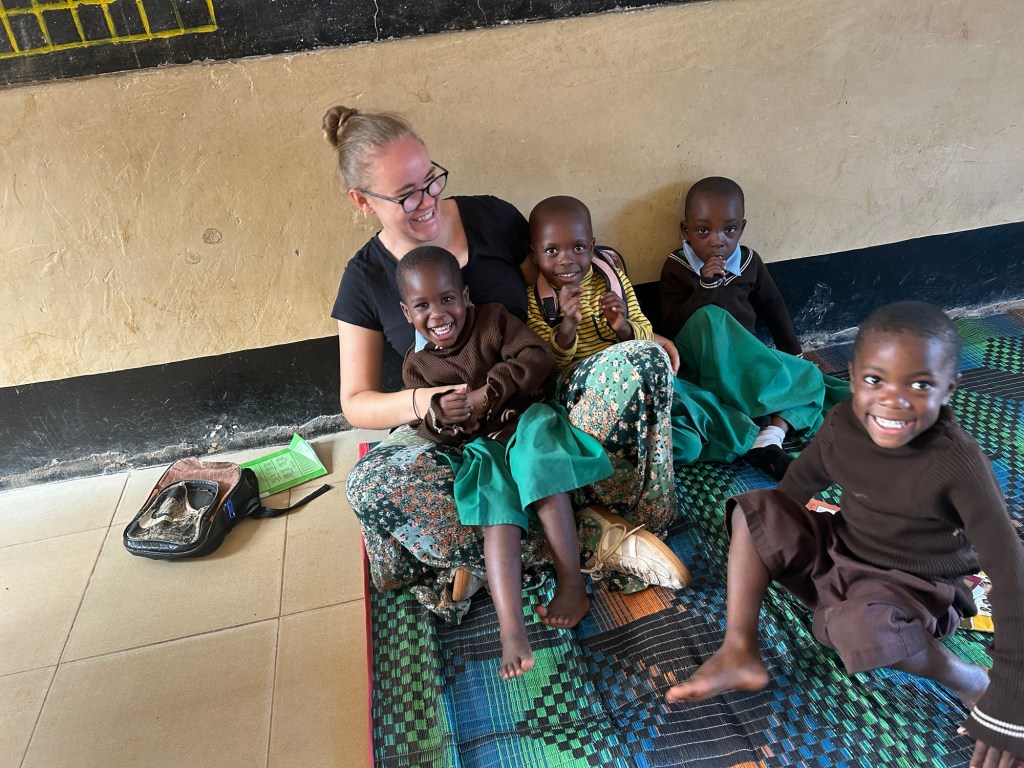
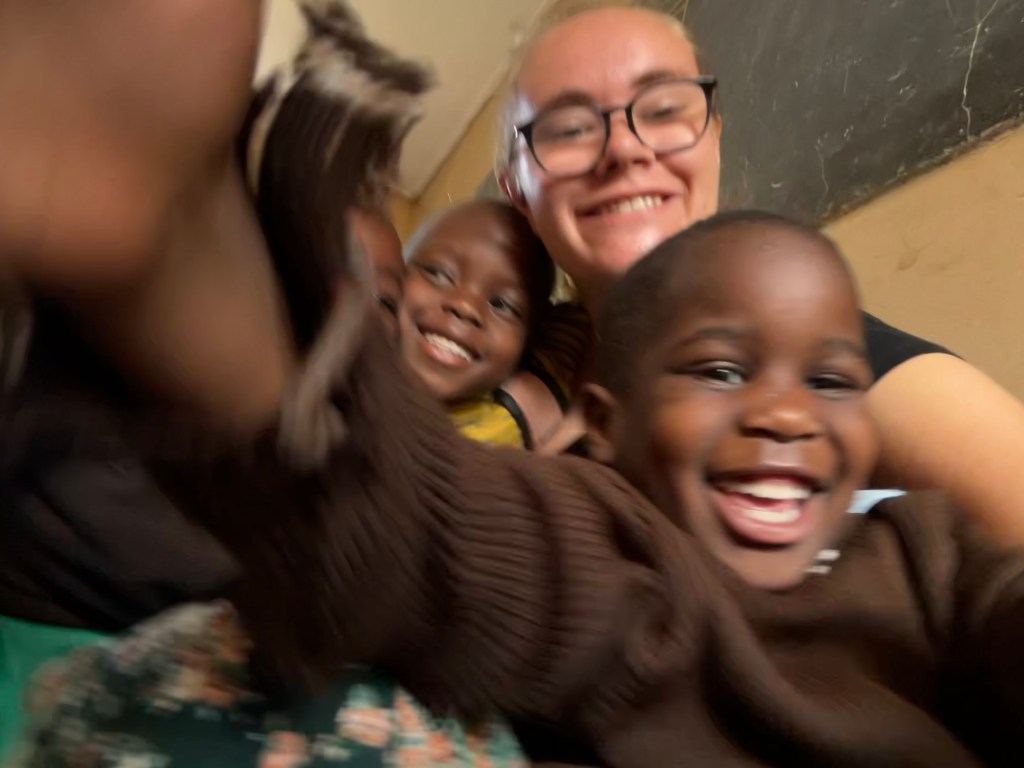
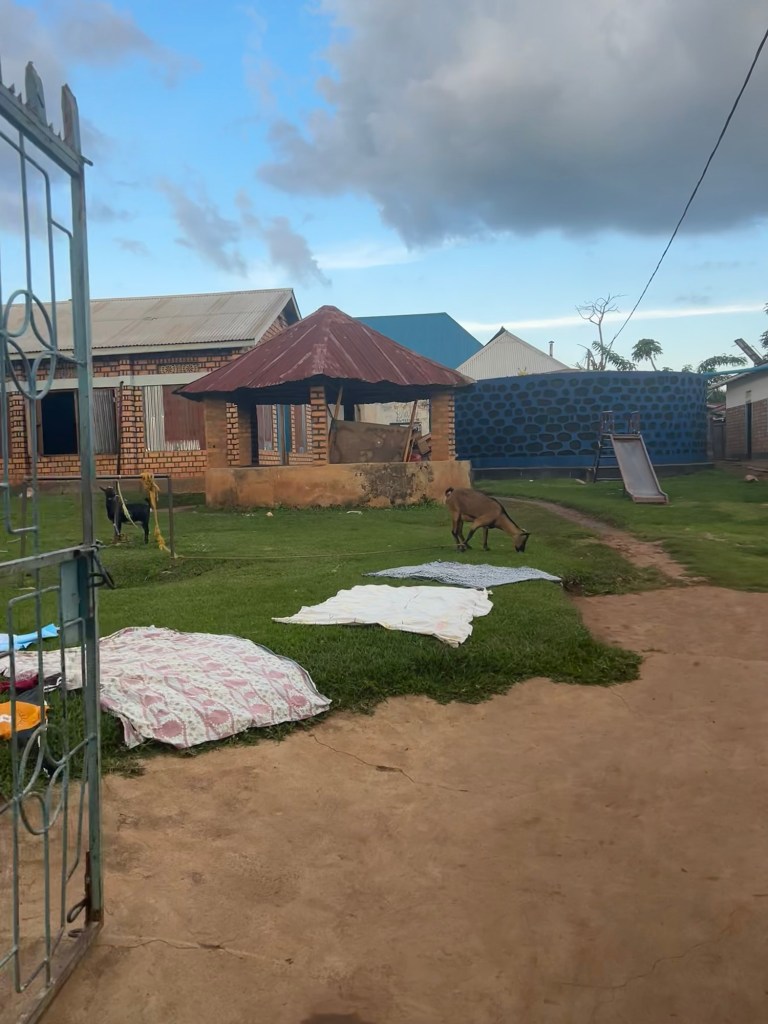
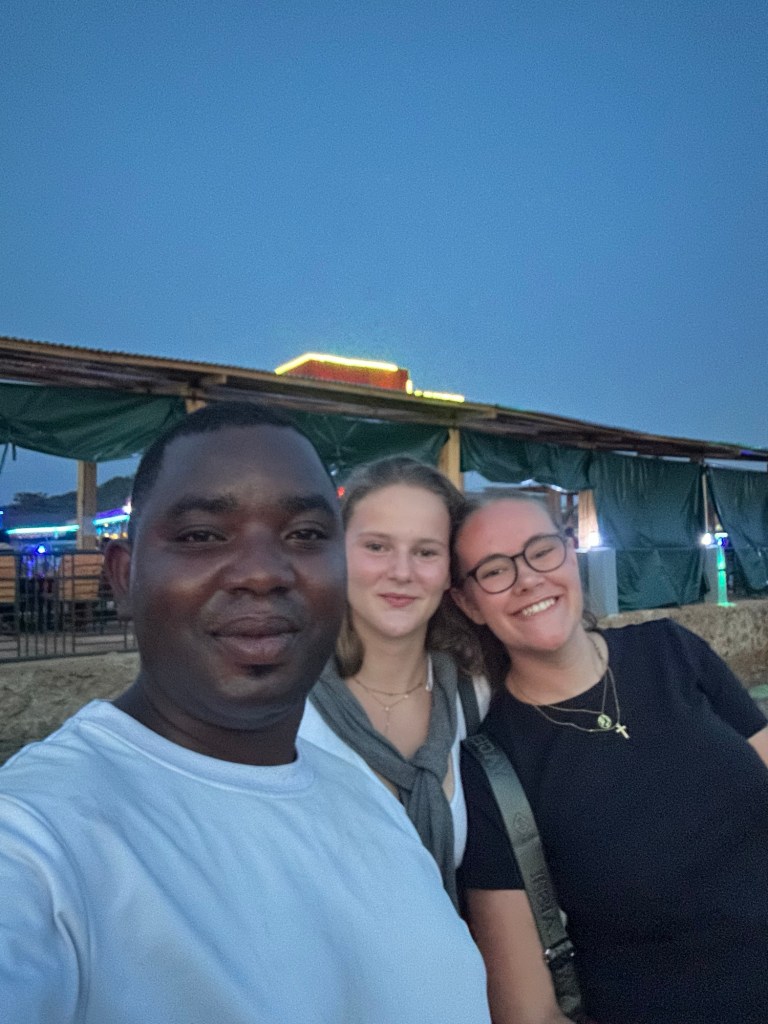
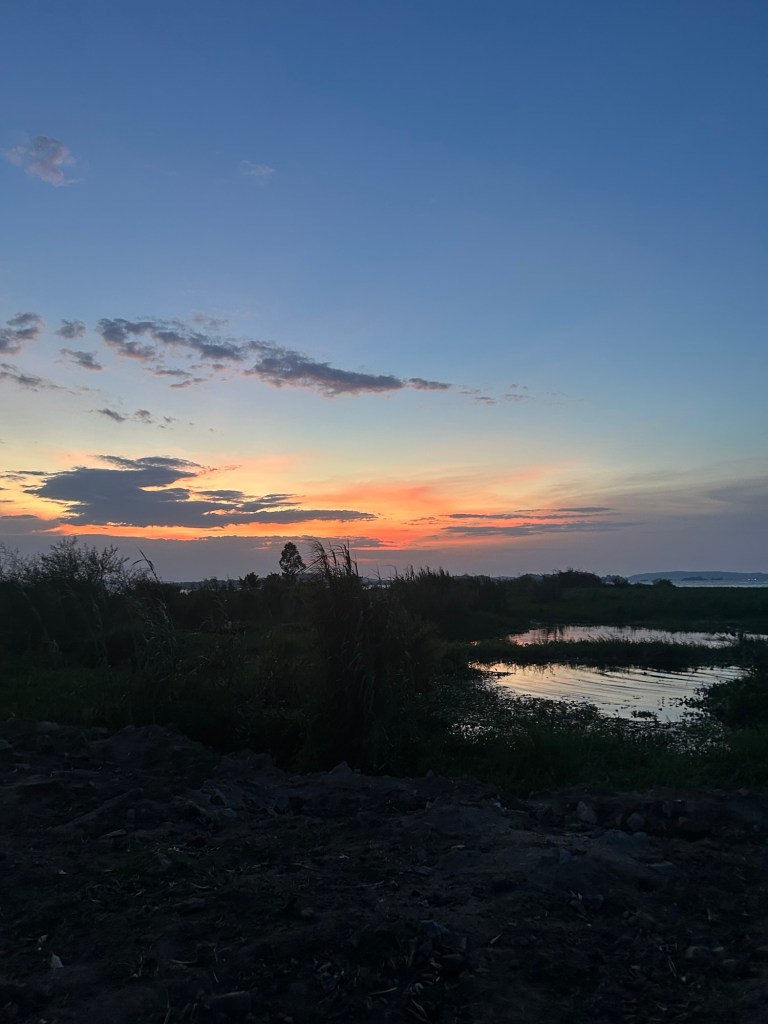
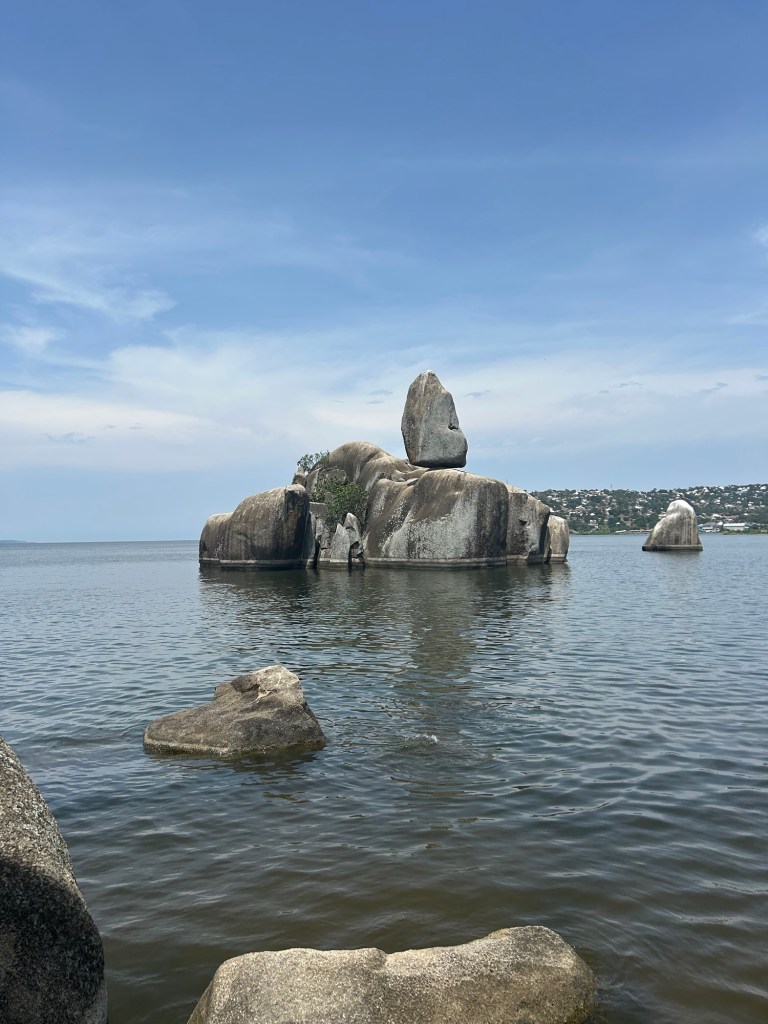
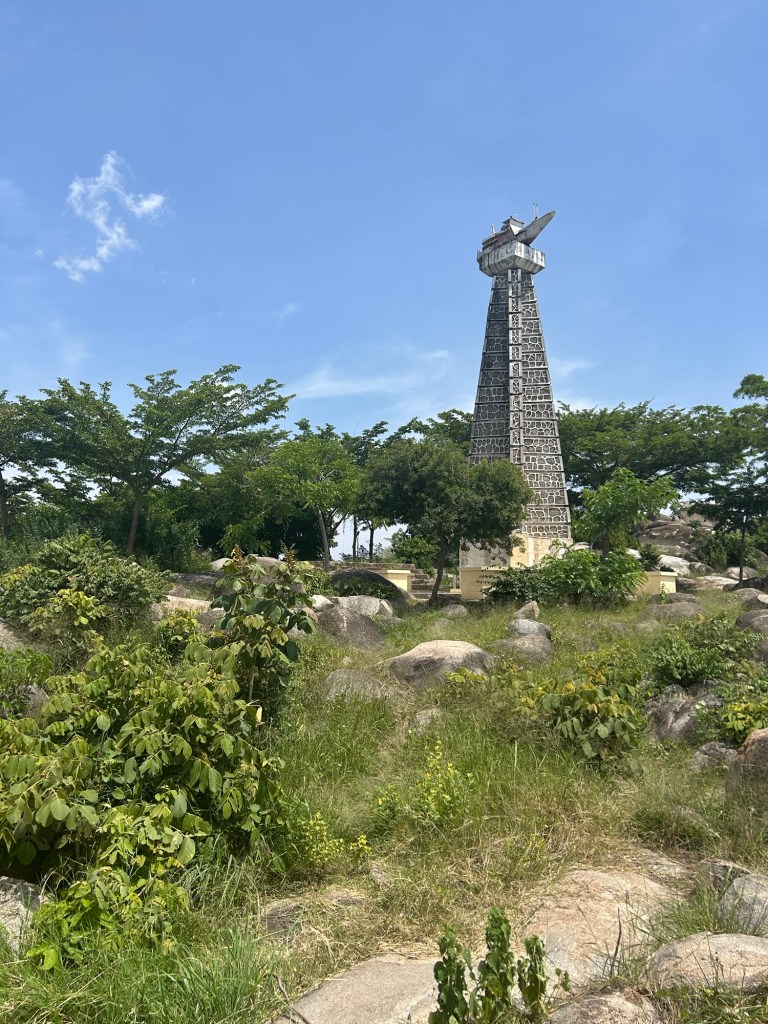
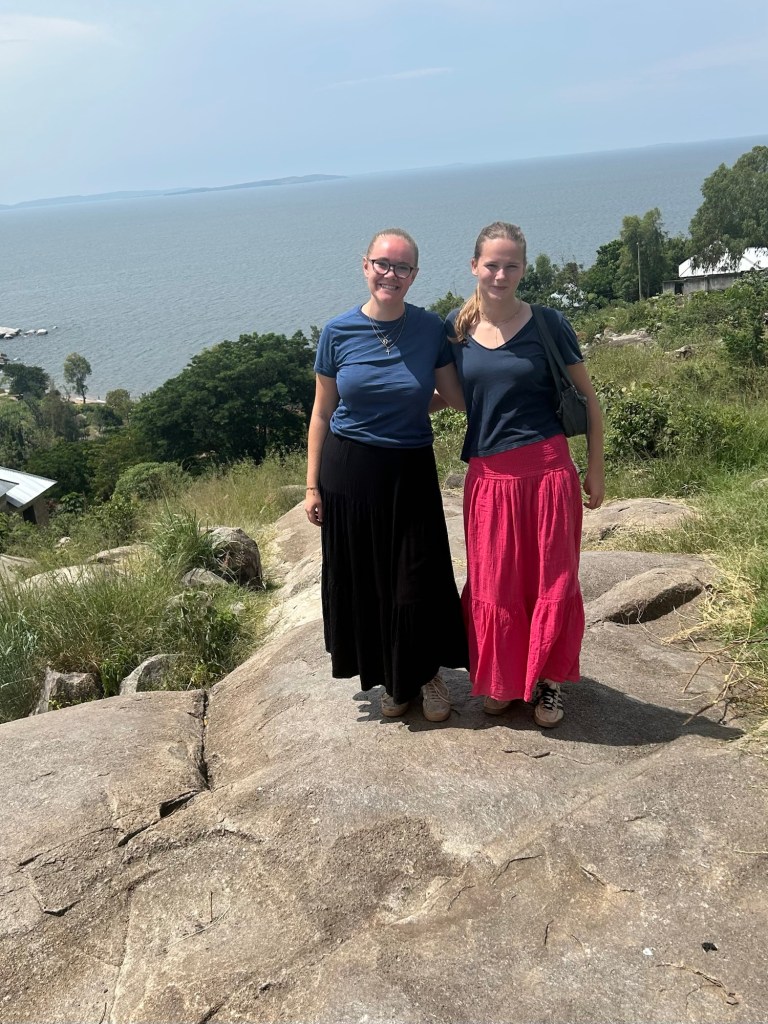
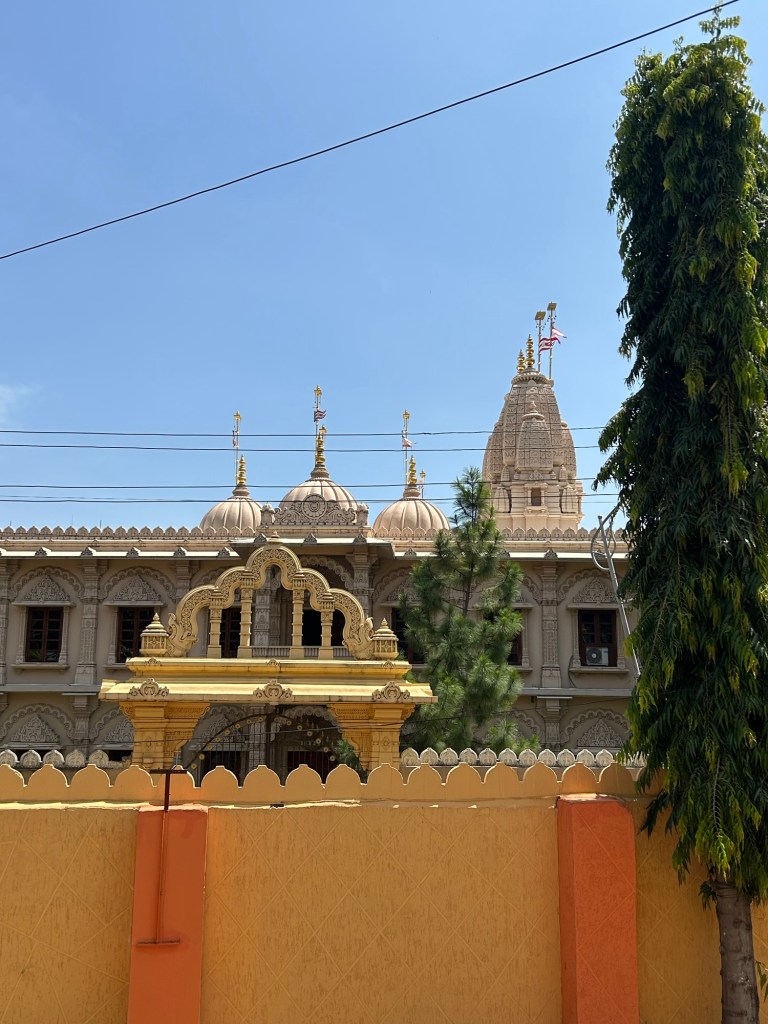
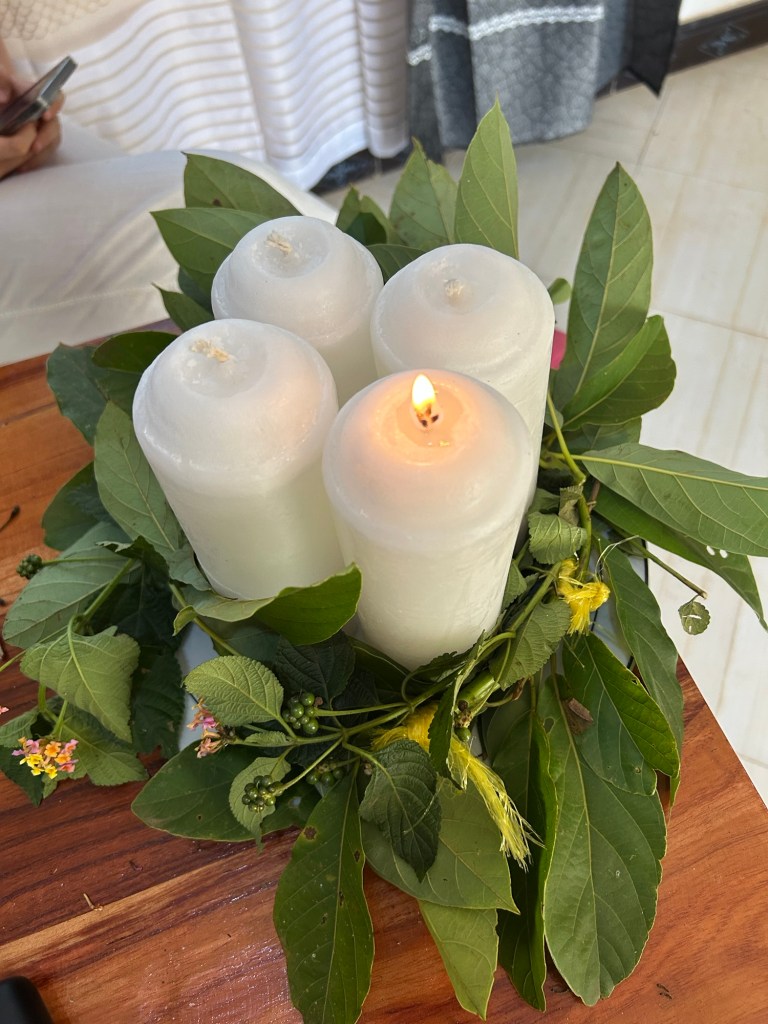
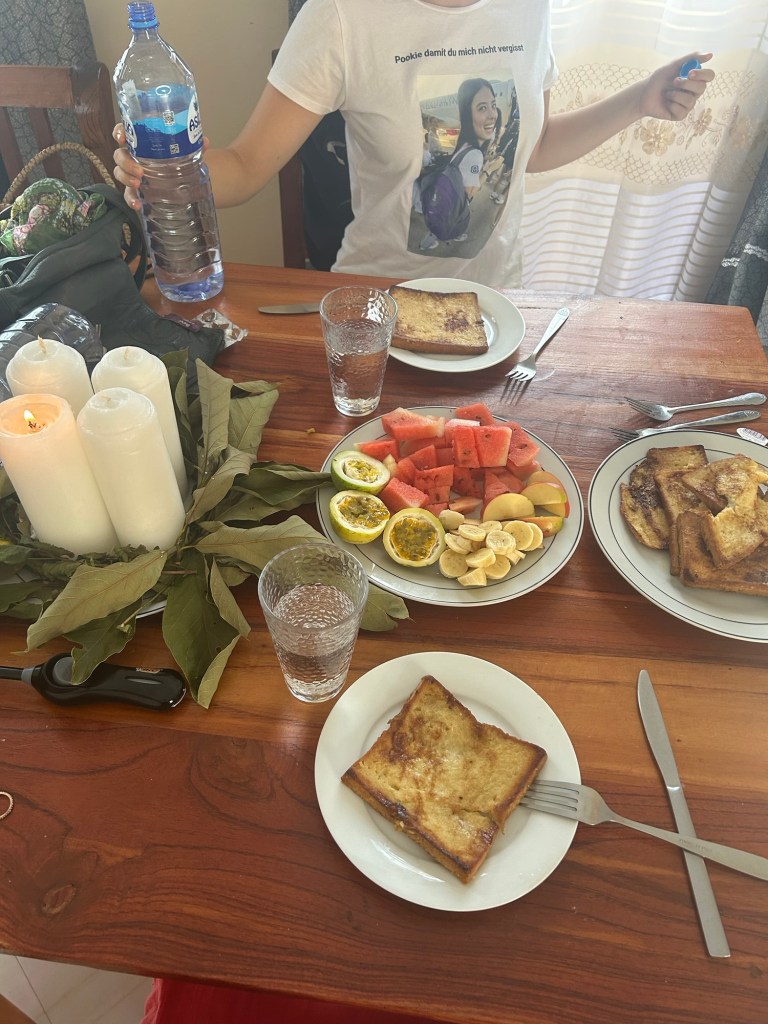
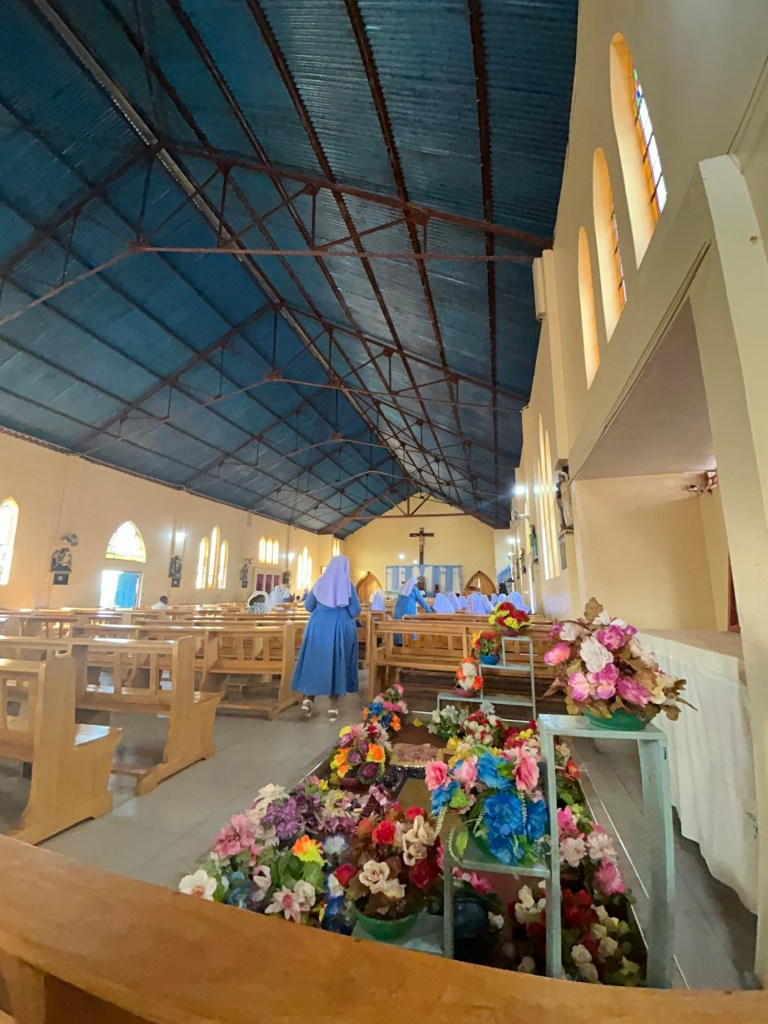
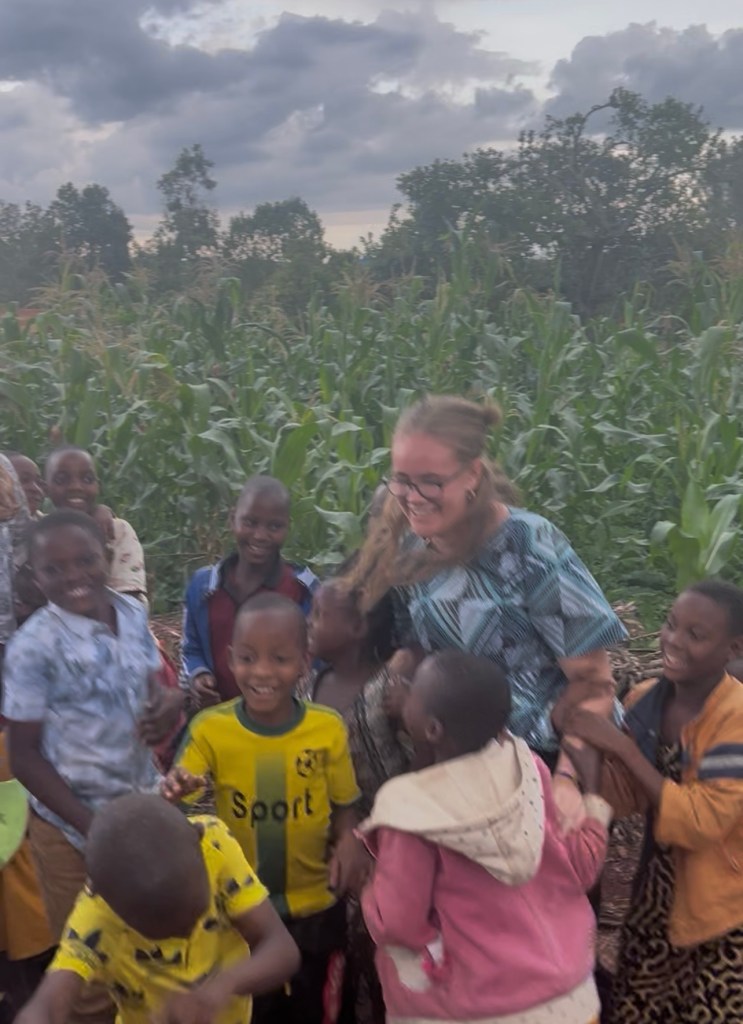
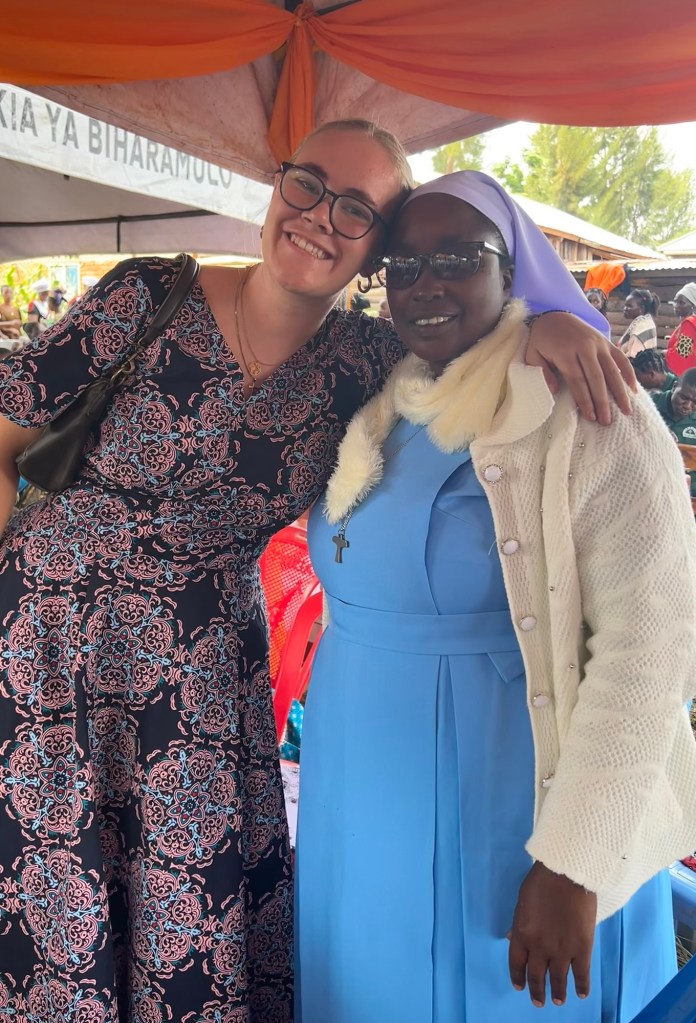
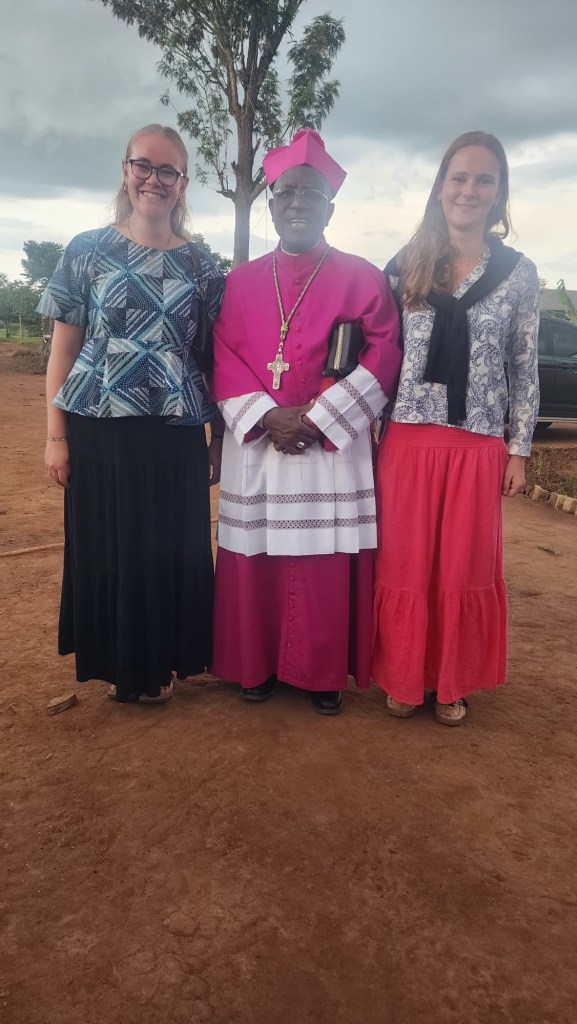
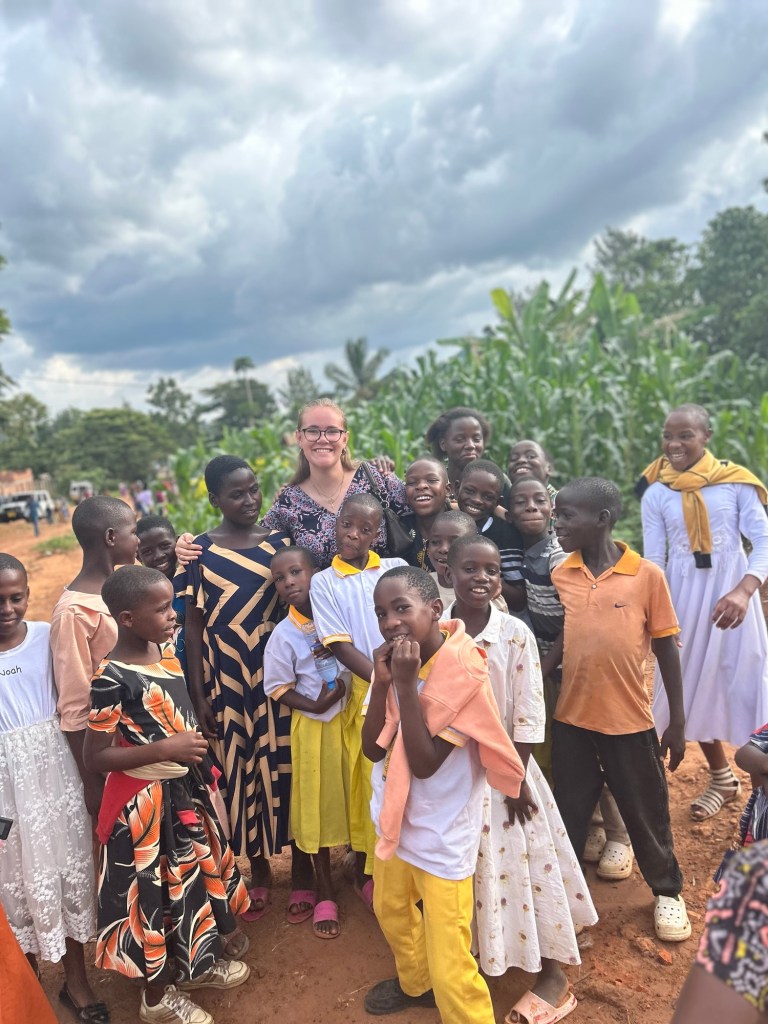
Today, I am focussing on something completely different. I will talk about the biggest differences I have noticed here in Tanzania so far. Things that I notice, experience and see, and which are simply very different compared to Germany. Everything I write below is based on my personal impressions, experiences and talks to locals. Much of it certainly does not apply to Tanzania as a whole, but mainly to my region. And in the same way, my thoughts on Germany only refer to what I myself know and have experienced so far. And I can already say that there are so many impressions that there will definitely be a second part to this type of blog.
1. Hospitality and openness
The hospitality here has impressed me deeply from day one. All doors are open, you are constantly invited to eat, and as a guest you are often treated as if you have always been part of the family. I encounter this warmth every day in a very special way that really moves me. Everyone greets each other on the street, you immediately become part of the village community, and I felt like I belonged right from the start.
What I also find exciting is that no one walks around with headphones on. When music is playing, it’s for everyone, whether you’re on your bike or walking. You’re always together in some way. For me as a German, this is unusual because in Germany, even acquaintances don’t always greet each other, people are often more reserved, and I wear headphones wherever I go. Here, everything feels so much more open and connected.
2. Big families
Families with fewer than three children are very rare here. A small family tends to start at four or five people. Having lots of children is seen as something very good and important, and often when I say that I ‘only’ have two siblings, I hear: ‘Oh, I’m so sorry.’ Family plays a much deeper and more significant role here than what I know from Germany. Family is everything! And besides the close-knit nuclear family and immediate relatives, it feels to me as if everyone is one big family.
It impresses me every day because you automatically call the younger ones brother and sister and address the older ones as Mama and Baba. It doesn’t matter whether you really know them or not. This creates a closeness that I have never experienced before, although it was very unusual at first.
3. Loud music on the bus
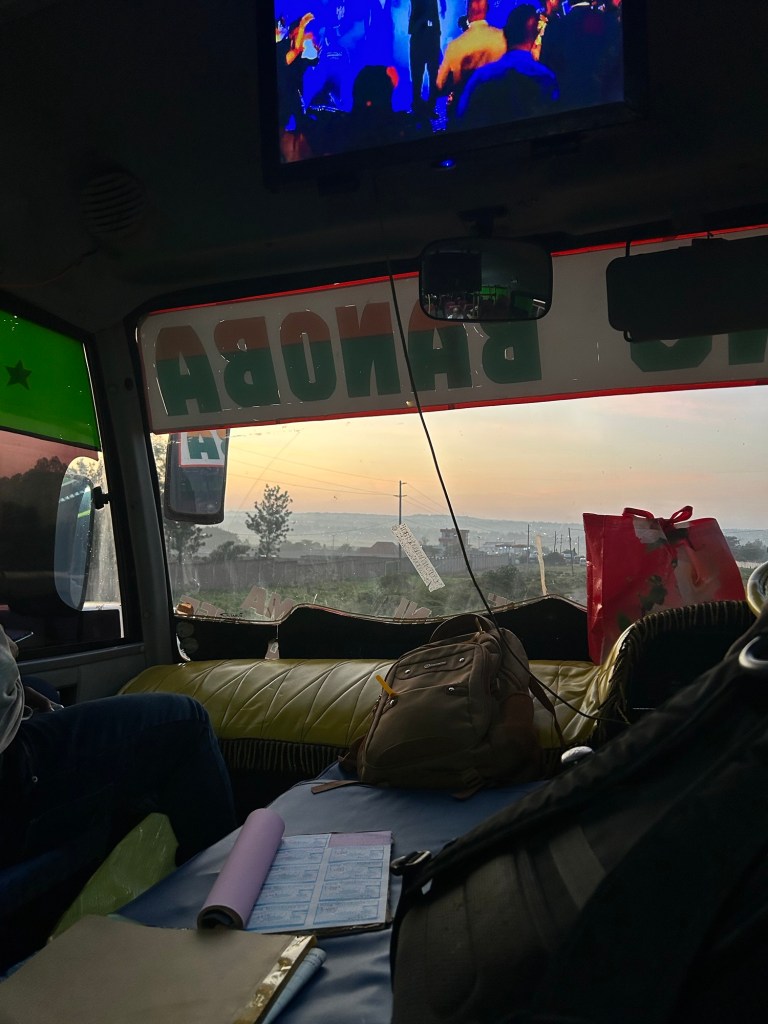
Something else that immediately struck me here is the music on the buses. It’s always playing, no matter what time of day, even at five in the morning when you just want to sleep. And it’s very loud! In Germany, I’m used to quiet bus journeys where everyone keeps to themselves and wears headphones.
Here, music is shared, filling the entire bus and creating a really cool atmosphere. People sing along to some songs, and in larger or more modern buses there is even a television showing music videos. At first I was surprised and sometimes a little annoyed because I just wanted to sleep and you can’t really call the music quiet. Now I think it’s really nice because it allows me to get to know a lot more Tanzanian music and every bus journey has become a real highlight.
4. Transport
Transport here works on the principle that there is always room somewhere, no matter how full it already is. Buses and cars are filled to capacity until it is truly impossible to fit anyone else in. And I don’t mean the German ‘five people in a car’. Somehow, four people sit in the two front seats, five in the back seat and another three in the boot. And the luggage? It just ends up on the roof!
At first, I was really sceptical because I’m used to German safety standards. But they don’t exist here, and so far nothing has fallen off our luggage. Now I admire this relaxed attitude and the creativity with which solutions are found. The main thing is that it’s practical and everyone and everything can come along!
5. Education system
In Germany, public schools are free, and although I used to get so upset about everyday school life, it was only in Tanzania that I really realised how different education can be around the world.
Although there are state schools, school attendance is not free. Parents have to pay for uniforms, notebooks, paper and other materials themselves. For many families, this is hardly feasible, which is why some children cannot go to school at all and have to start working at an early age. Even though school attendance is compulsory here, some families cannot afford it.
There are two types of primary schools: Swahili schools, which are funded by the state, and English medium schools, which are private and more expensive. Children who attend a Swahili school receive less English instruction.
Studying at university is also a major financial burden. Some universities are very expensive. It is possible to get a loan, so state support but its not easy to receive it and many people are getting declined. It also depends on the parents‘ income. After graduation by starting to work it must be repaid in full.
While attending school is taken for granted in Germany, families in Tanzania often have to fight to give their children any chance of an education at all.
6. Consumption
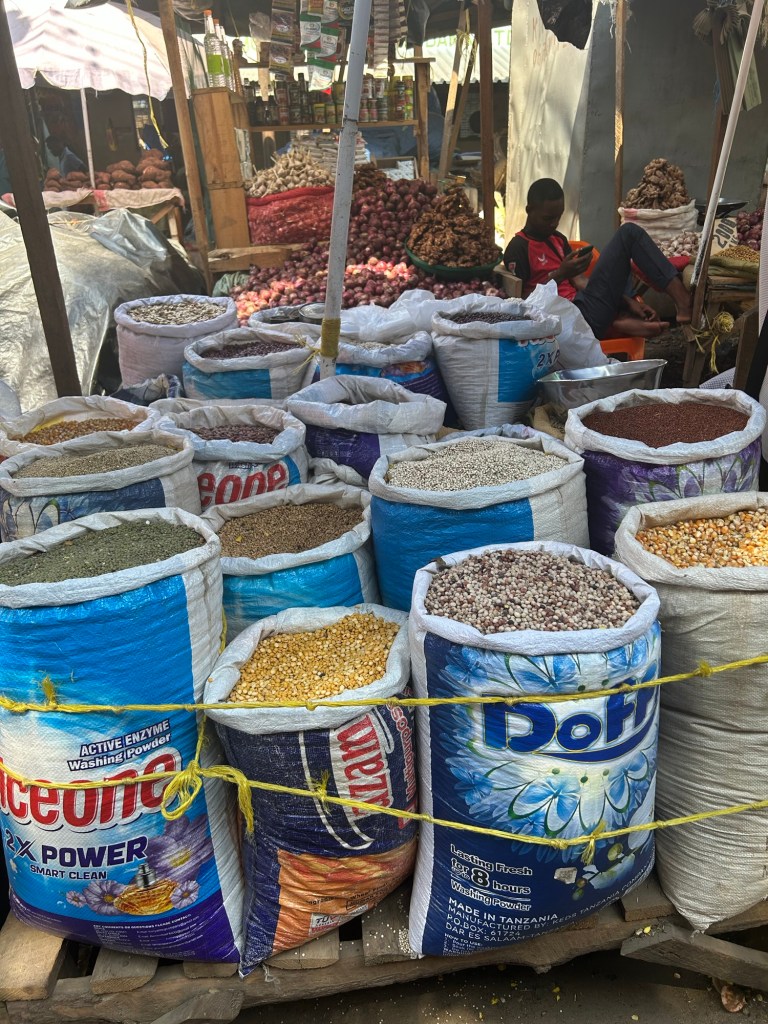
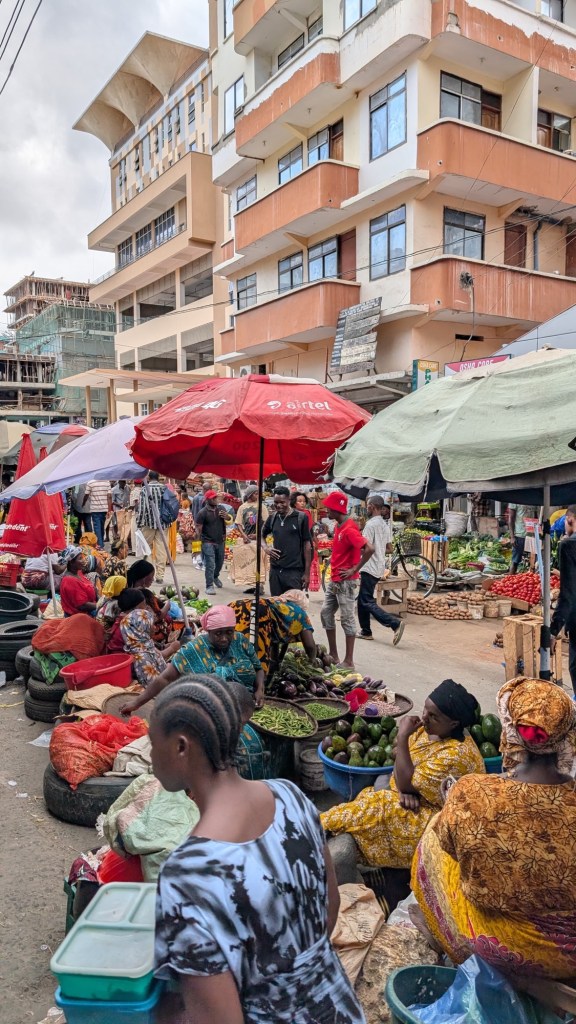
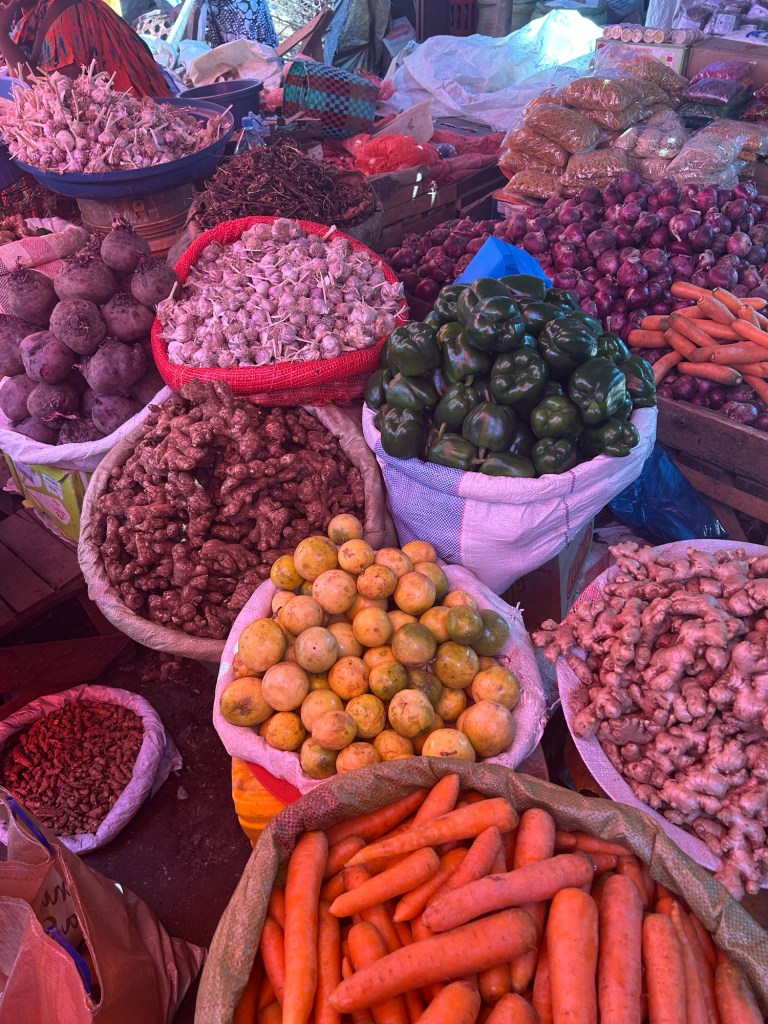
The selection of products is much smaller than in Germany and depends heavily on what is currently available and in season. When mangoes are in season, they are everywhere; when they are out of season, you can’t find them anywhere. There is only a small selection of shampoos, oils and cleaning products. There are generally no ready-made products here; everything is freshly cooked and prepared from simple ingredients. It took some getting used to at first, but it just makes you more creative.
At the same time, it makes me realise even more how overloaded we are in Germany. The excessive consumption and the constant possibility of ordering everything online seem totally exaggerated here. It’s only here that you really notice how accustomed we have all become to this abundance and how little we actually need.
7. Rubbish
Rubbish disposal is handled very differently here. We simply throw it into the ditch in front of the house, which is then set alight once a week. Proper bin bags are not available to buy, and rubbish collection or waste separation as in Germany would be completely unthinkable here.
8. People’s spontaneity
Planning and spontaneity have a completely different meaning here. Many things happen spontaneously during the course of the day. For example, you can only buy bus tickets 24 hours before departure. In Germany, everything is planned much further in advance, and for me, who always planned my appointments months in advance, it’s really nice to just live in the moment and see what happens spontaneously today. That way, it always stays exciting!
9. Child labour
I must admit that this issue shocked me somewhat, because I hadn’t realised how prevalent it actually is here. Young children, no older than ten, stand on the street and sell things to support their families. Anyone can simply go to the market and sell their goods, as is the case in Germany, but there is no requirement to register a stall. In Germany, this would be completely unthinkable, but here it is part of everyday life and you are confronted with it time and time again.
10. City vs. village
I have noticed that the disparities between urban and rural areas are particularly evident in child labour. Poverty is much greater in rural areas, the standards in services are lower, especially the equipment in hospitals and also the transport system is worse. I have also noticed that I’ve not been checked since I arrived in Rulenge, no one here wants to see my passport. I hardly see any police officers here either. In Dar es Salaam or Mwanza, I was constantly stopped and had to show my passport and visa.
11. Streets
When travelling in Tanzania, you really have to practise patience. Most of the roads are poorly constructed, especially in my region, which means that even short distances often take a very long time to cover. In Germany, we are used to smooth, safe roads and motorways. Here, a journey often turns into a little adventure, sometimes annoying, sometimes great fun, but always unforgettable. Some cars get stuck because the potholes are too deep, and when it rains, the roads become so muddy that traffic comes to a standstill. Sometimes even buses tip over because they are simply not made for the poor roads.
When I summarise all these differences, I realise just how many new impressions I gather here every day. Many things surprise me, some are shocking me, some make me think and others simply make me laugh. It’s nice to see how different everyday life can be on the other side of the world and how much these experiences shape me. I love every conversation and exchange with people when they talk about life here, even if I do sometimes bombard my friends here with questions. (Sorry to you all of you at this point😂🫶)
My volunteering year has made me much more aware. I notice many more things that I previously took for granted, and I appreciate the privileged life in Germany more and more. Even though I used to get upset about little things so often, I now realise how unimportant they actually are when compared to real problems and challenges. I am incredibly grateful for this, because this learning process is also a huge gift.
I am very grateful for all the moments I get to experience here and look forward to everything that is yet to come.🥰
For now, I wish you all a wonderful pre-christmas season and hope you make yourselves comfortable, wherever you are.🤩❤️
See you very soon and lots of love from Tanzania💛🇹🇿
Big hugs to you all❤️
Yours, Joana


Kommentar verfassen