Hello my dears,
Today’s blog post is a little different again. I would like to share with you the most important lessons I have learned since moving to Tanzania.
Everything I share here is not general facts, but my own personal experiences, impressions and thoughts. I speak only for myself and my everyday life here in Tanzania.
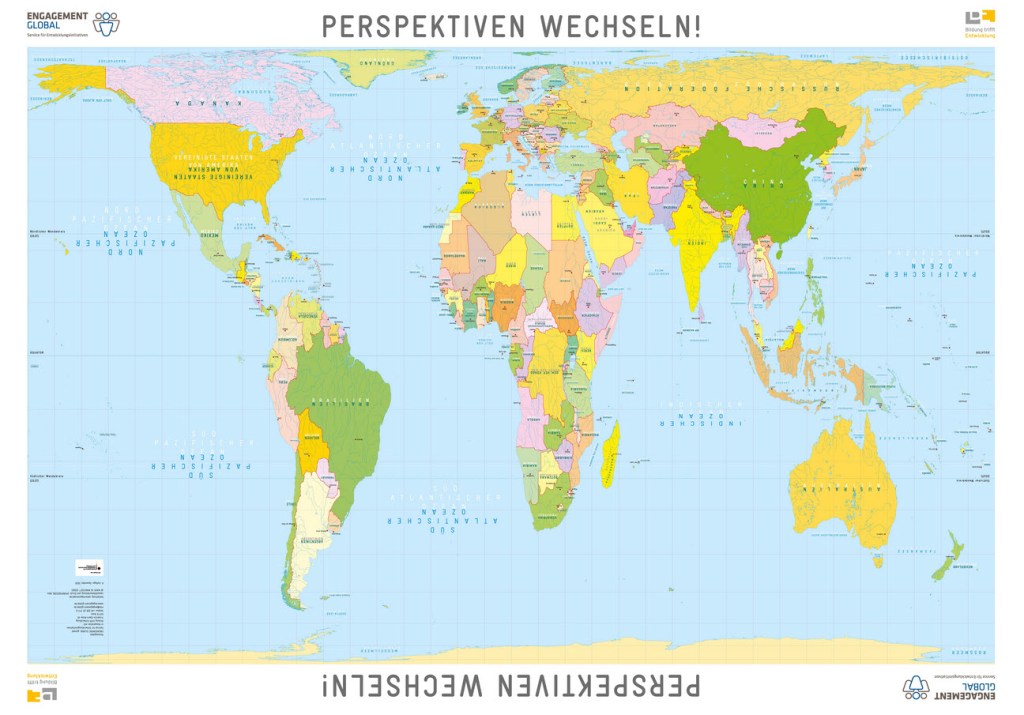
Since I’ve been living here, I’ve been thinking a lot about my everyday life, about what I really need, and about how much my view of the world is shaped by where I come from. Many things used to seem self-evident to me, without me ever questioning them. It is precisely this way of thinking that is changing here. Not in a single moment, but step by step, through observations, conversations and small situations in everyday life, through changes in perspective that sometimes begin completely subconsciously and then suddenly become very present.
Bit by bit, I am learning to take off the Western glasses through which I view the world.
Have less, appreciate more, live more
One of the things that particularly concerns me here is our relationship with possessions, consumption and constant availability. In Germany, it was completely normal for me to choose between countless products and brands. Supermarket shelves are full of options, there is always something new and always more.
Here, there is often only one brand. And a lot of it.
And at some point, you realise that enough is enough.
It’s not about doing without, but about appreciation.
The mango season shows me this particularly well. When the season is here, mangoes are everywhere. Everyone is happy and enjoys them consciously because it’s clear that they are only available for a limited time. And when the season is over, there are no more mangoes. No drama, no substitutes, no imports. People enjoy other things and eventually look forward to the next mango season.
This showed me how accustomed we are to constant availability and how little we sometimes really enjoy things precisely because they are always there.
That doesn’t mean I’m romanticizing everything here or pretending that everything is easy. It’s not. But I realize how absurdly much I owned in Germany and how often I thought I needed things that didn’t make me any happier in the end. Less choice, less consumption, and less constant availability don’t take anything away from me here. On the contrary. I perceive things more consciously and enjoy what is there at the moment.
“When you change your view of things, the things you see also change.” – Wayne Dyer
Together instead of side by side
What particularly touches me here is the way people interact with each other. They greet each other as a matter of course, look at each other, smile, ask how they are doing. You are seen.
No one here goes about their daily business wearing headphones. If music is playing, it’s for everyone. People are more present, more approachable, and more connected to each other. For me, this often feels unfamiliar, but at the same time incredibly close and warm.
Hospitality is nothing special here, it’s just there. And it’s always 100% genuine! Here, it’s completely normal to invite each other over, to share food, time, and money, and to do so without giving it much thought. Even if they don’t have much, they share what they do have. Support isn’t just an empty word here, it’s part of everyday life! I experience this every day: I am often taken along everywhere and allowed to participate in family life, conversations, and everyday activities. I simply belong, without having to achieve or prove anything. This togetherness has shown me how much my everyday life in Germany was shaped by individualism, without me being aware of it before.
Language
One thing that continues to fascinate me is language. Kiswahili has shown me how much value, attitude, and thought can be contained in words.
In German or English, when I say “thank you,” the other person responds with “you’re welcome.”
In Kiswahili, I say “thank you” and the other person says, “Thank you for saying thank you.”
At first glance, the difference may seem small, but I think it says a lot about mutual appreciation.
And as soon as I speak Kiswahili, something happens to people: doors open, people laugh, help me immediately, take me with them. Not because I speak perfectly, but because I try, and that always makes everyone happy right away. Me most of all, of course.
And even my mistakes bring joy when I accidentally say that I fell in love with goats or that I ate the Caritas office for lunch today.😂
Diversity instead of uniformity
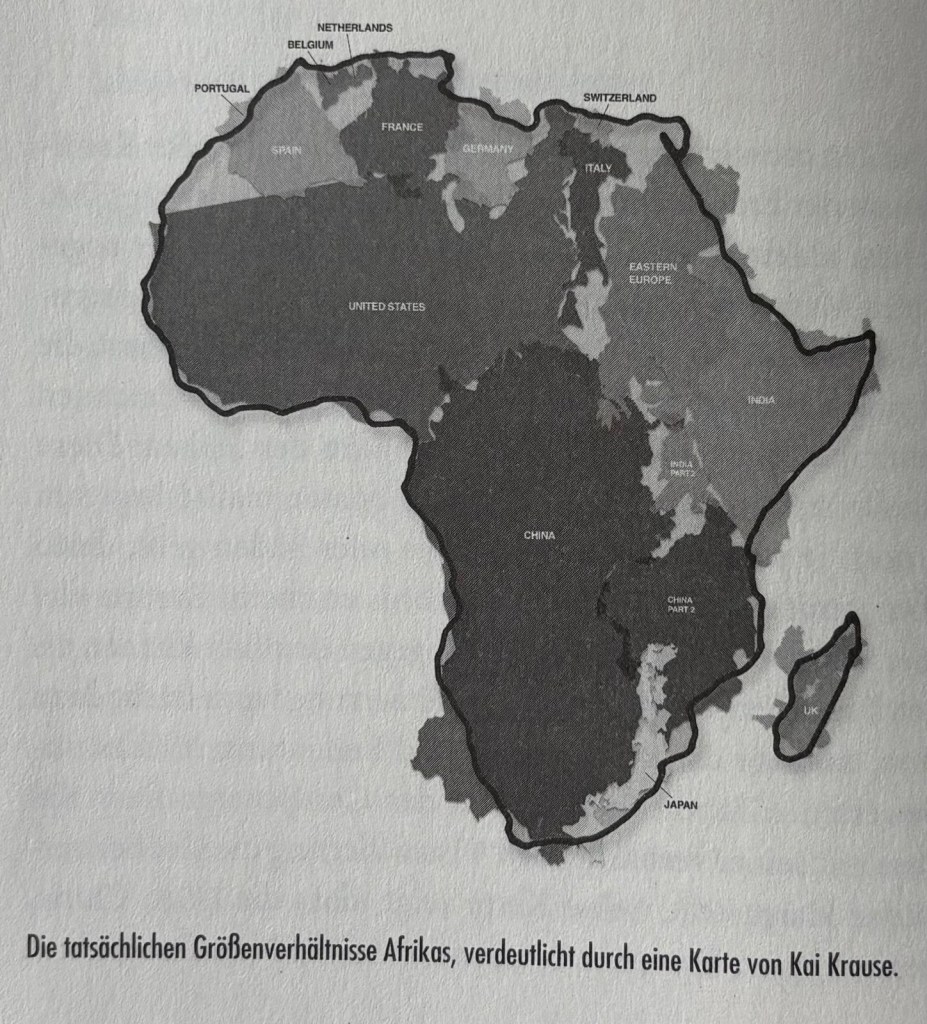
Another big lesson for me is the incredible diversity. Africa is often perceived as a single country, but it is actually a continent with 54 countries, thousands of cultures, and over 3,000 languages.
Tanzania alone has over 100 languages and more than 130 ethnic groups. Within a single country, landscapes, traditions, and ways of life are constantly changing, which I realized once again on safari.
That’s why questions like “So, what’s it like down there in Africa?” bother me. After all, I would never ask, “What’s it like up there in Europe?”
We often assume that Africa is homogeneous or say things like “That’s typical Africa.” However, nothing here is really homogeneous, and especially nothing is typical of Africa. Africa is probably the most diverse continent of all, and unfortunately, this is quickly forgotten. Experiencing this diversity here has shown me how simplified images shape our perception and how important it is to question them again and again.
“We don’t see things as they are, but as we are.” – Anaïs Nin
Prejudices against international volunteer service
During my volunteer service, I have repeatedly been confronted with prejudices, e.g., that I am here to help, solve problems, or save something. But that is not my reality.
I work with people, not for them. The projects have been supported by local people for years. My role is to listen, support, and collaborate where I can, and above all to learn, not to lecture or stand above anyone. When I recently asked a sister if I could get to know another workplace, she said to me, “Joana, go out, discover and learn.” That’s exactly what it’s all about!
I contribute my perspective and my knowledge, but I cannot change systems. Real, sustainable change takes time and is not the job of a volunteer. Accepting that was and still is one of my biggest lessons.
Final thoughts
If I may conclude with one final thought, it would be this: perhaps it is worthwhile to consciously remove our Western lens more often. Not to idealize or romanticize everything, but to recognize how much our view of the world is shaped by what we know and how often we want to impose our Western ideas on other cultures without realizing that this is not appropriate. Foreigners in Germany wouldn’t just go around saying, “We’re going to do it the way we do it in my home country.” Cultures and systems are different, and that’s a good thing!
I am currently learning to be more patient, to judge less, to be grateful, and to be more aware of the little things. I realize how much habits and expectations determine our perception and how liberating it can be to let go of some things. Not everything has to happen quickly. Not everything has to go according to plan. Not everything has to be optimized. Not everything has to be perfect. Not everything has to be the way we are used to it being.
I am always touched by how naturally people share, support, and live together here. It challenges my own idea of happiness and what really matters, and helps me enjoy the little moments more again.
Maybe you can take some of this with you into your everyday life. A smile in the morning, a friendly greeting, a warm invitation. It costs nothing, but makes you incredibly happy!
Warm regards from Tanzania❤️
Joana
“The smallest change in perspective can change your whole life.” Oprah Winfrey


Kommentar verfassen