Autor: jzoellerka

  • 10. Half year in Tanzania

    Hello my dears, I hope you are well. I heard that spring is slowly arriving in Germany and that you are enjoying the sunshine.🤩

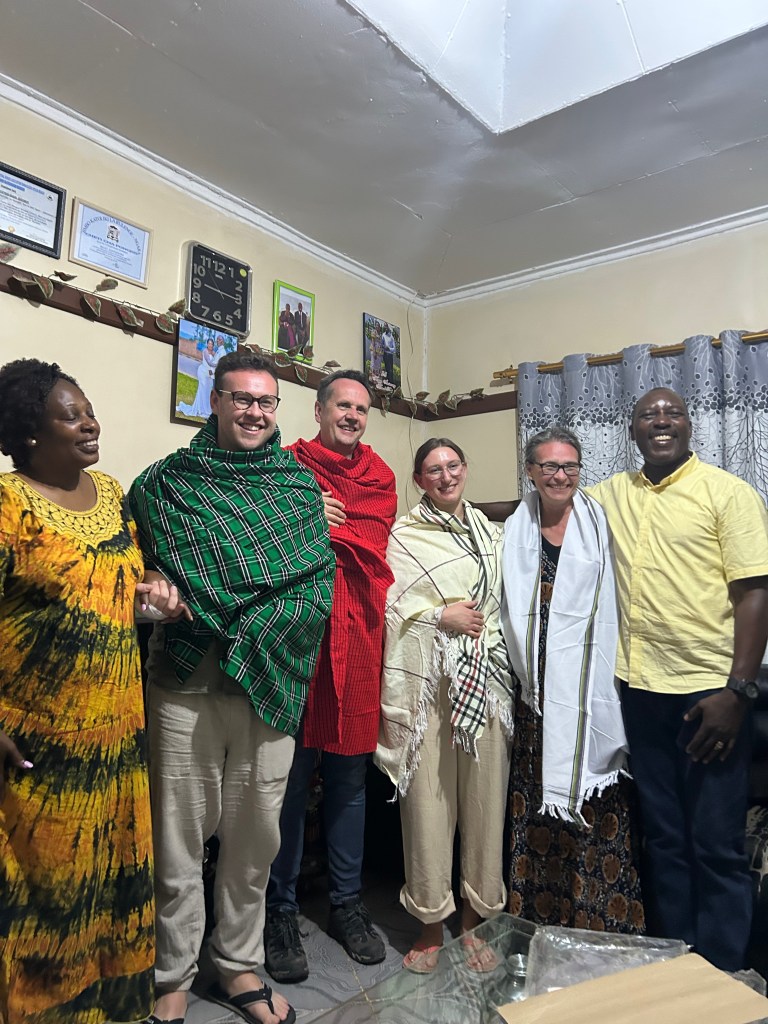
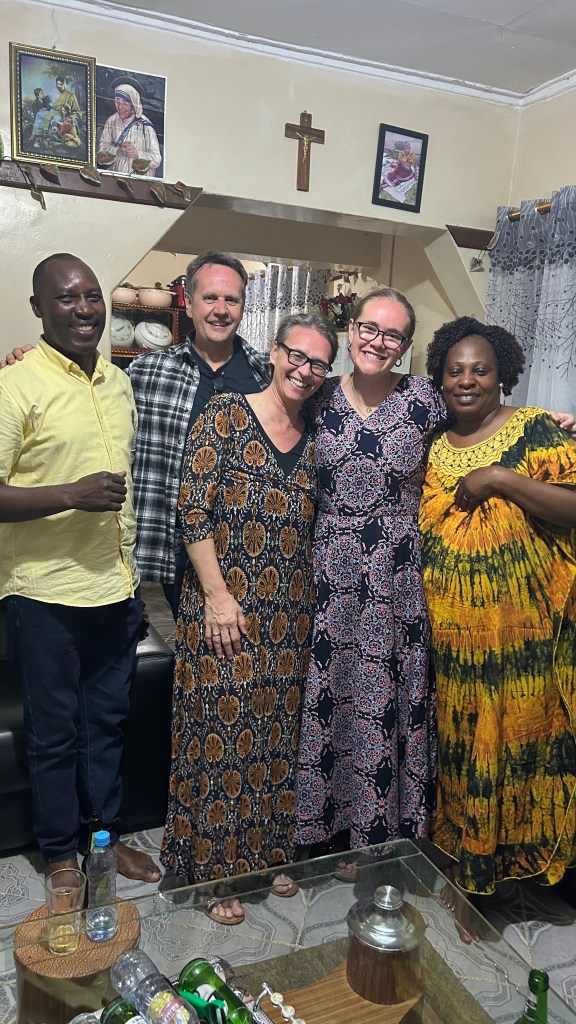
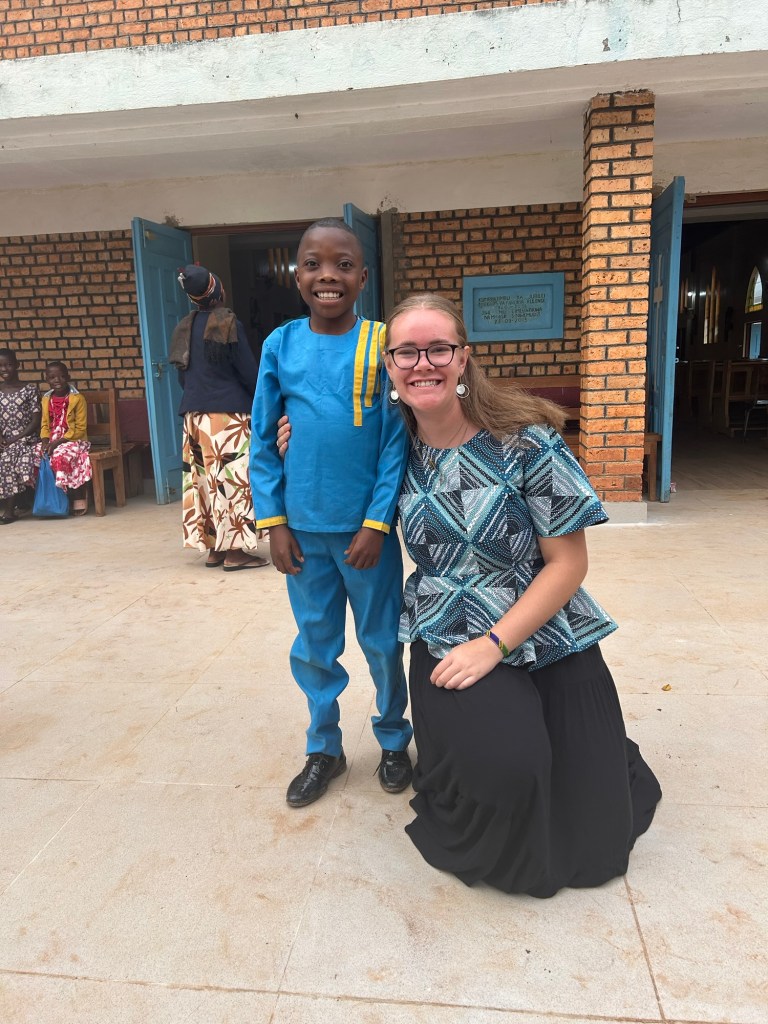
    It’s hard to believe that I’ve already been in Tanzania for over six months. Time passes incredibly quickly, and my enthusiasm is still just as great as on the first day. I am grateful for the encounters, the people, the children at Angels Home, every language barrier, everybody and every moment that makes me marvel or laugh. I still go to bed almost every evening with a smile on my face, and that is simply wonderful. 

    My daily life has a steady routine, and yet there are almost daily moments that make me pause. I would say I have really settled into the culture and have experienced many beautiful things, but I have also encountered challenging situations. My Kiswahili has improved a lot. I manage everyday life very well, can even have deeper conversations now, and I notice every time how language opens doors. But still so many new words and so many things I can’t understand, especially when people are speaking very fast. Or how I say: „you are rapping again“😅

    Over these six months I have also grown personally, gone beyond my own limits, and gone through a big learning process. At the same time, several months still lie ahead of me, which I am really looking forward to I am curious to see what else will happen. A few trips are still planned; otherwise I am doing it the Tanzanian way: SPONTANEOUSLY.

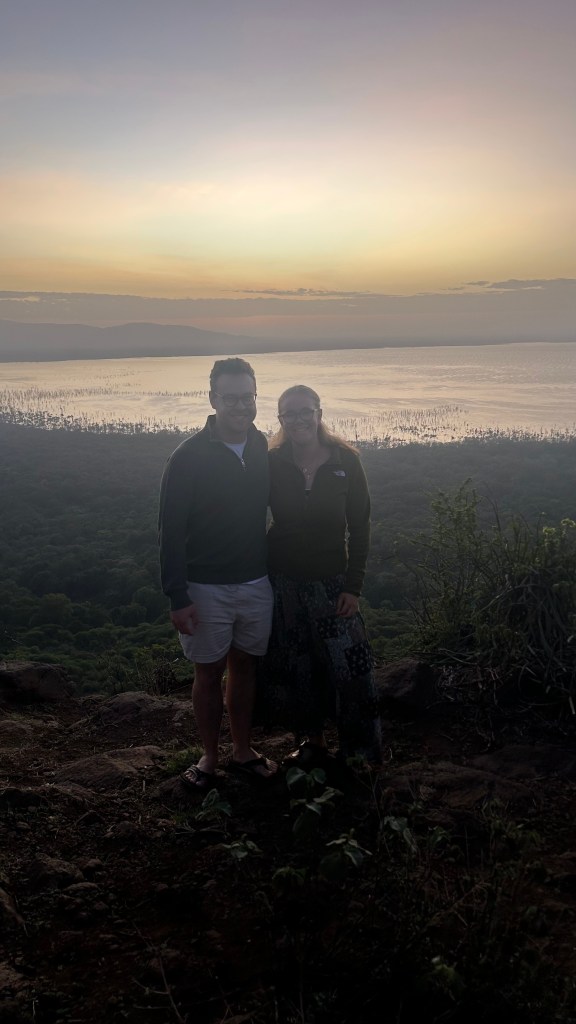
    As you know, I was hardly in Rulenge in January because of family visits, a safari, and the mid term seminar. I spent almost the entire month of February here, which did me a lot of good. After being on the road for three weeks, I arrived back here and I was very happy to be back though. Another month which was very busy, but sometimes to be busy is just very nice.

    Working with Caritas

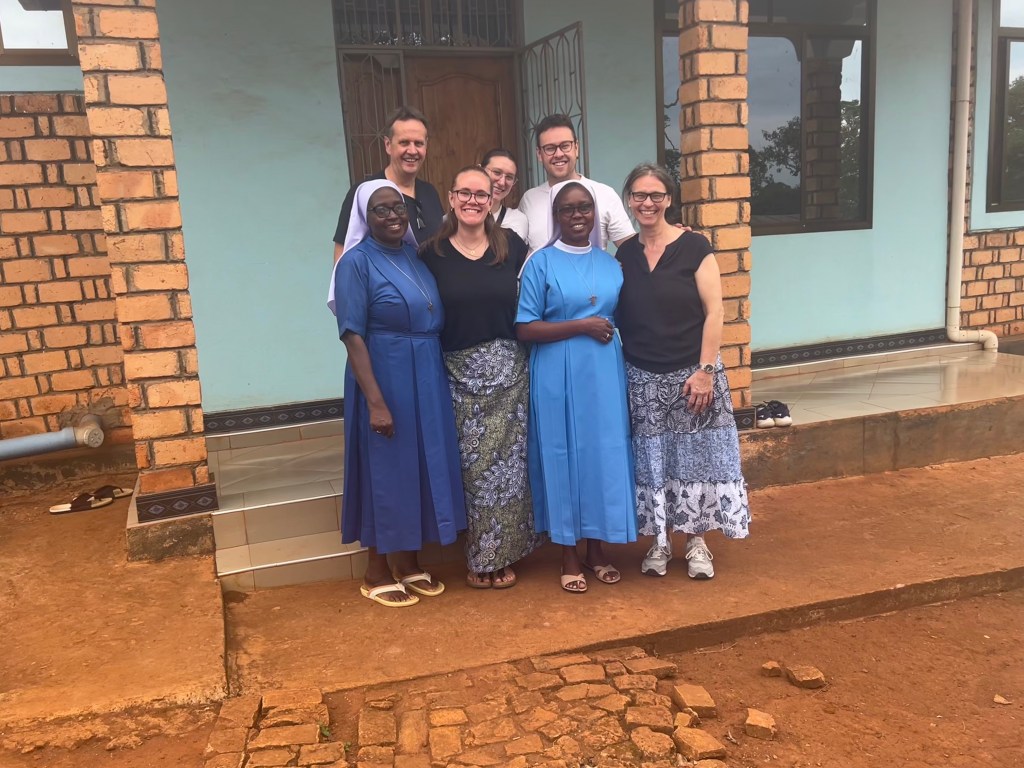
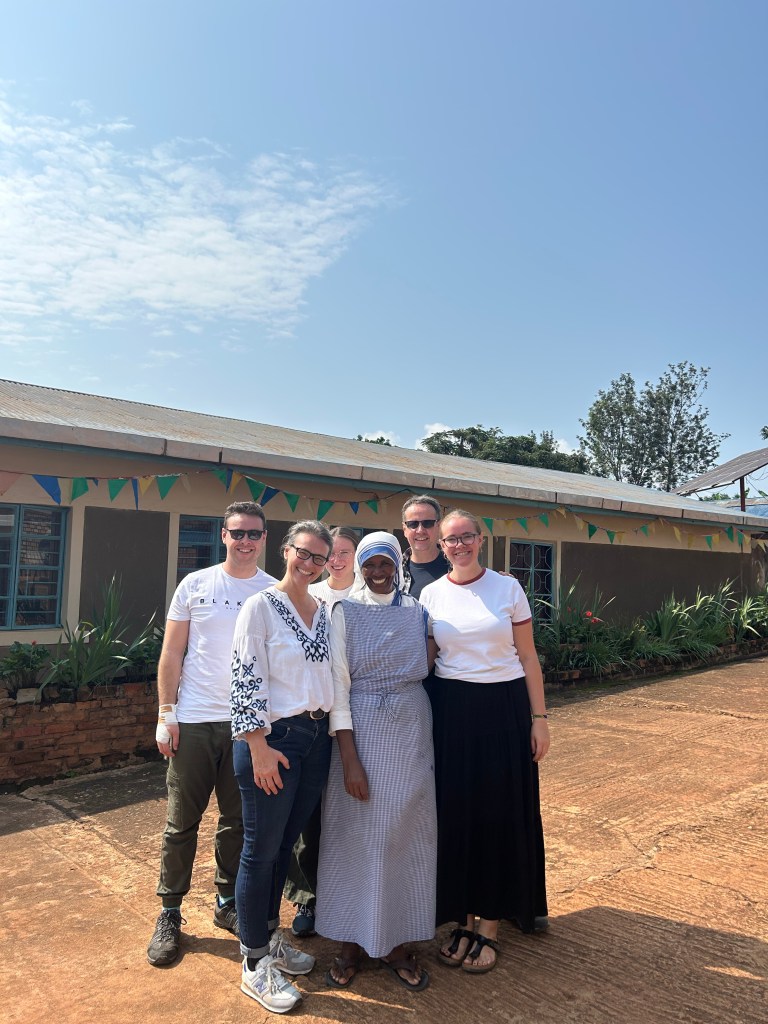
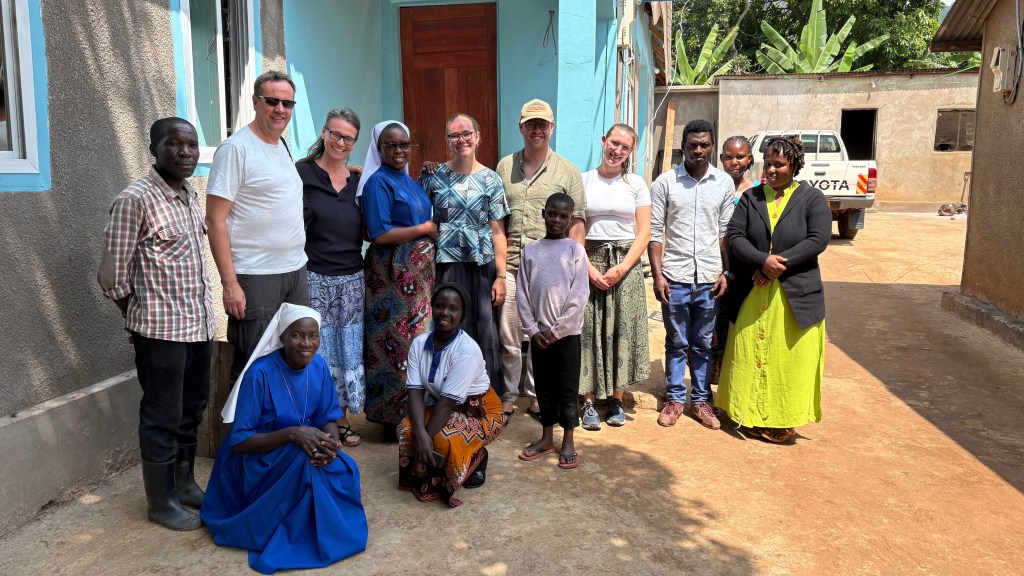
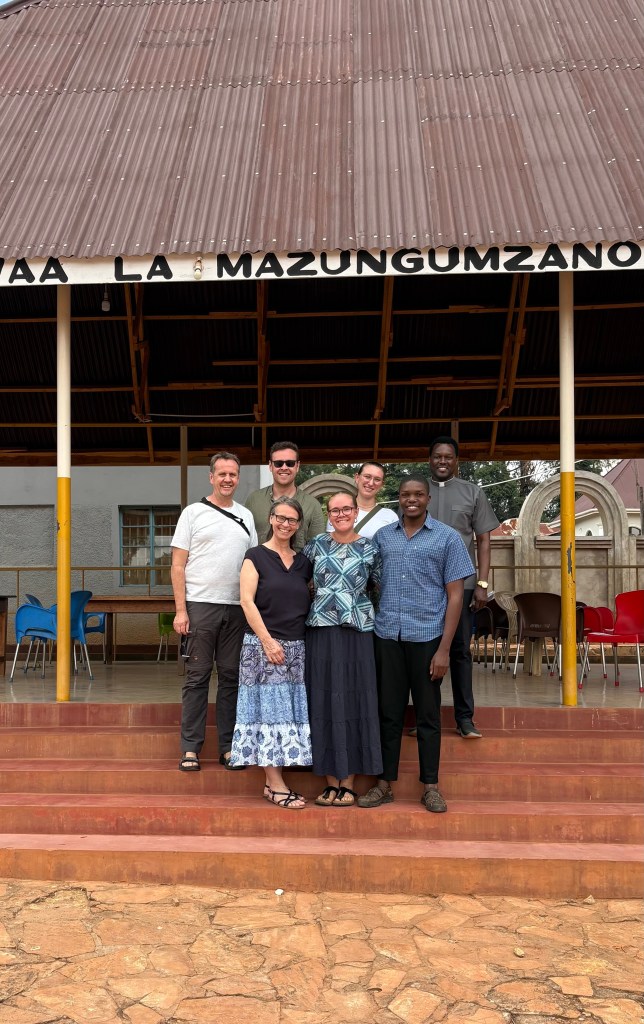
    The month began for me with a small change, as I did a two-week internship at Caritas. During this time, I got to know two teams: the Integrated Rural Family Development Programme, or IRFDP, and the Rulenge Community Based Rehabilitation Programme, RCBRP.

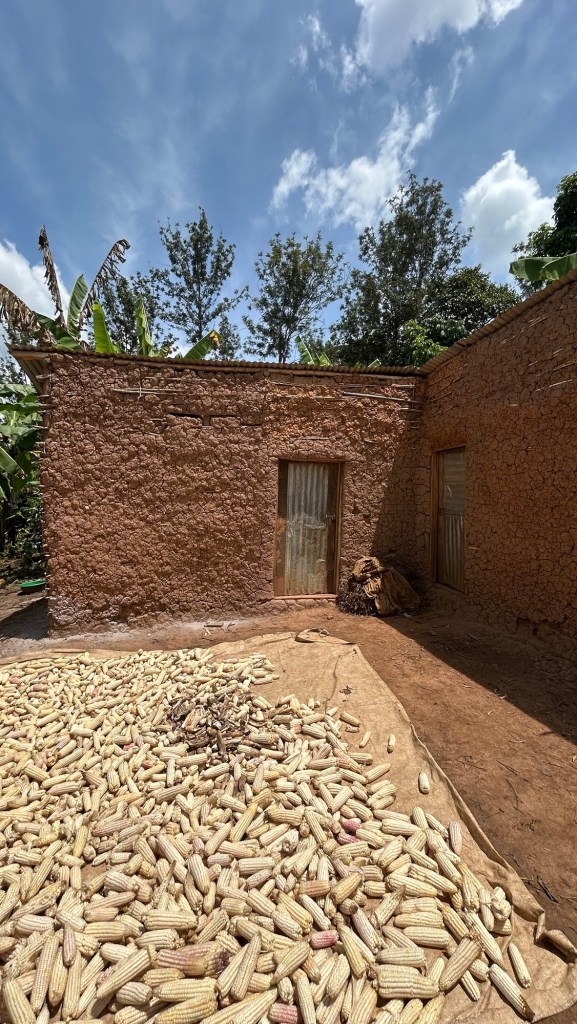
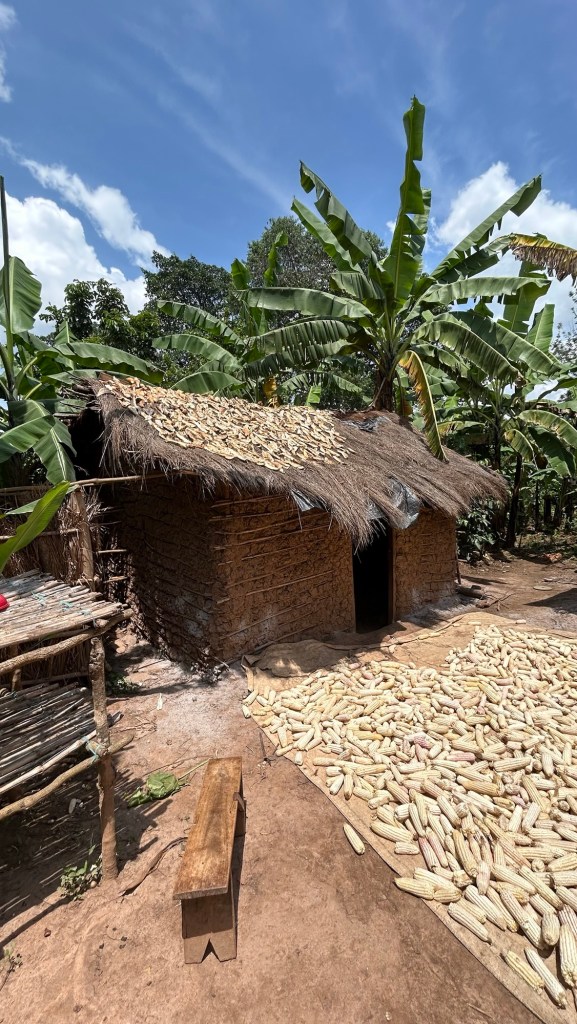
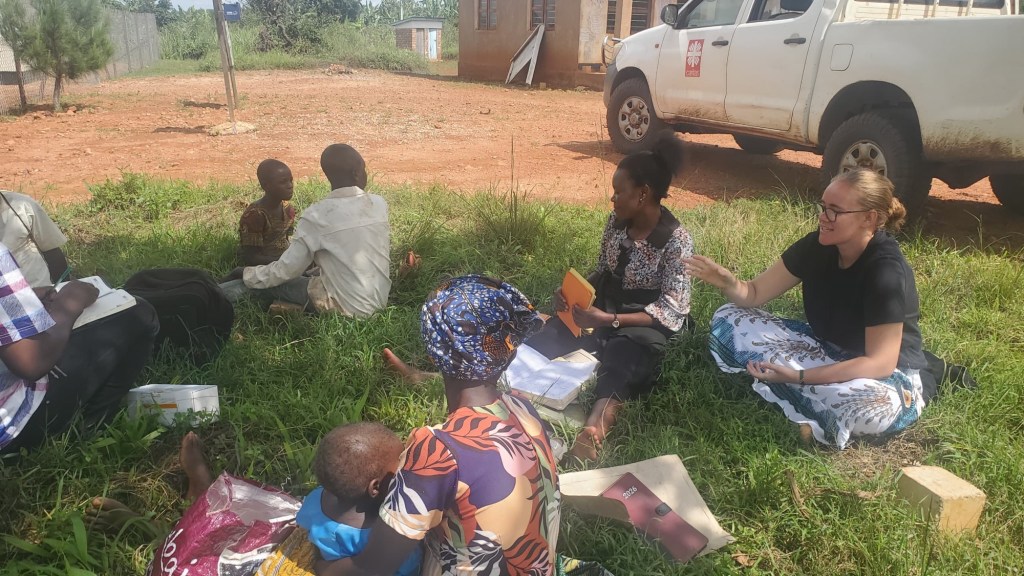
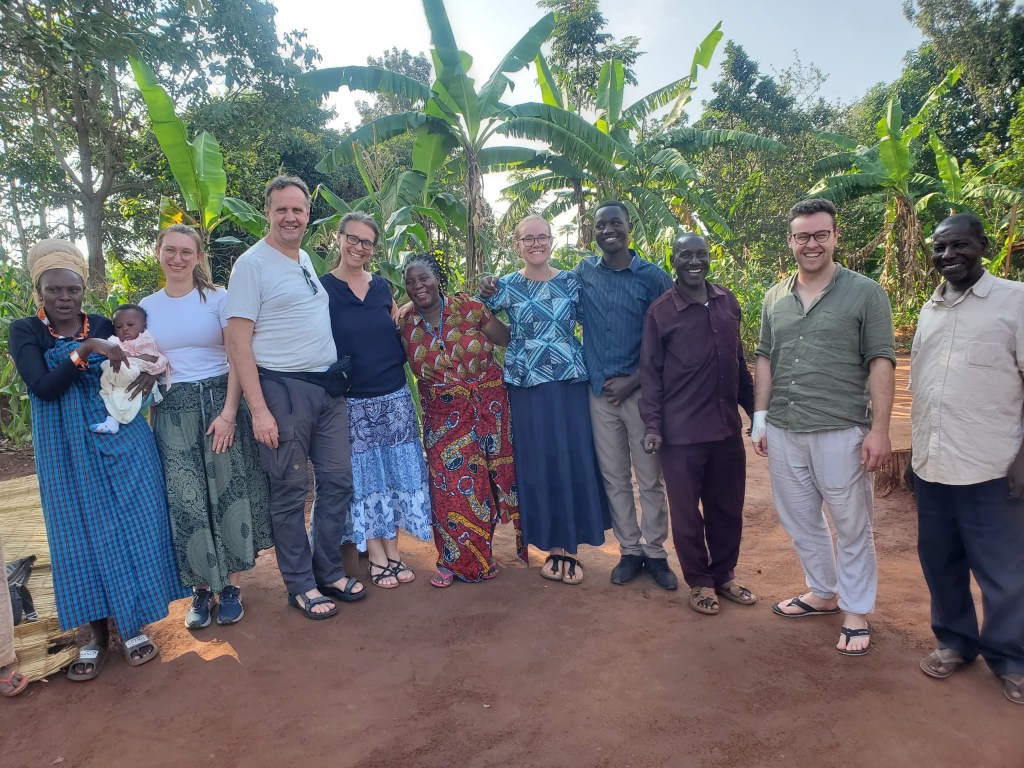
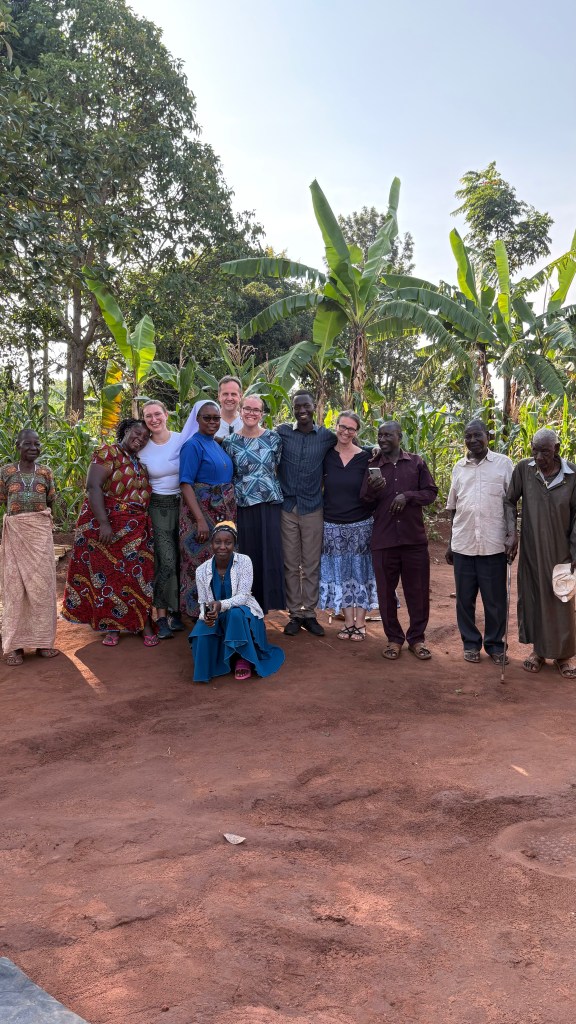
    In the first week with the IRFDP team, we traveled to different villages in the Rulenge-Ngara district every day and visited families. The project supports 808 households in 24 village communities and helps them improve their living conditions in the long term through better agriculture, a more stable income, improved health, hygiene, and good nutrition.

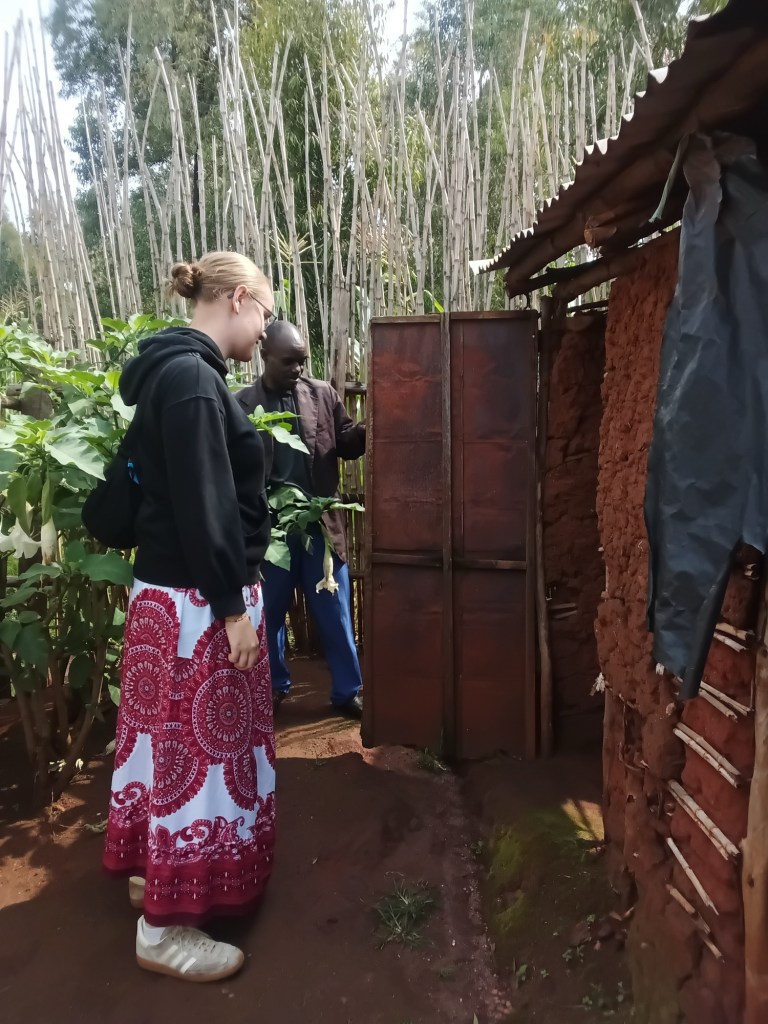
    Each day began with a two-hour meeting with the village community. What is already going well, and where is support still needed? After that, we went in small groups to the households. We looked at the fields, the animals, the houses, hygiene, and nutrition; everything that shapes the families’ daily lives. Using a questionnaire, we documented everything.

    An example: A few months ago, Caritas donated rabbits to one household. By now, there are many, whose urine is used as fertilizer, making the fields more productive. This allowed the family to sell more, acquire new livestock, and improve their income.
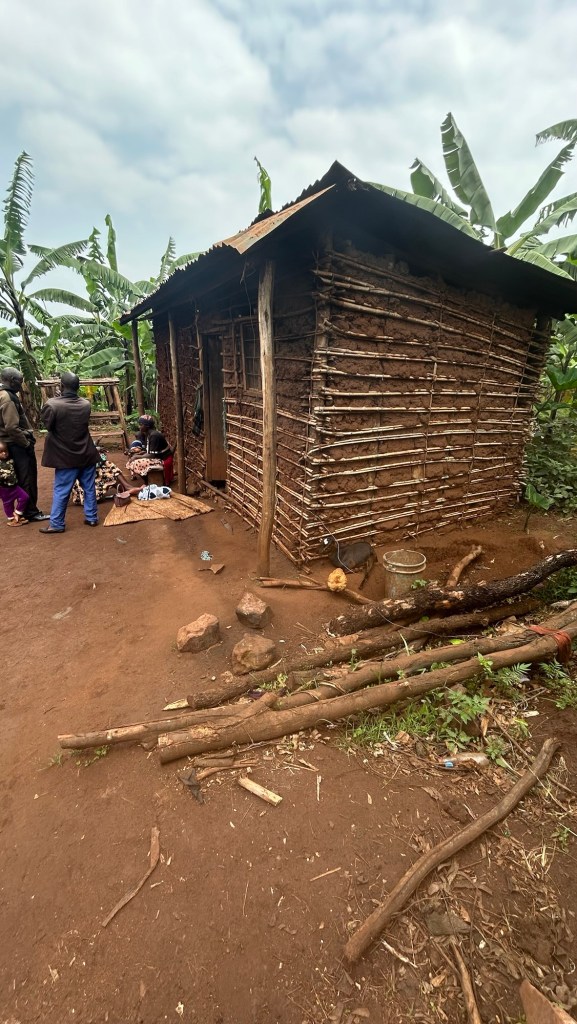
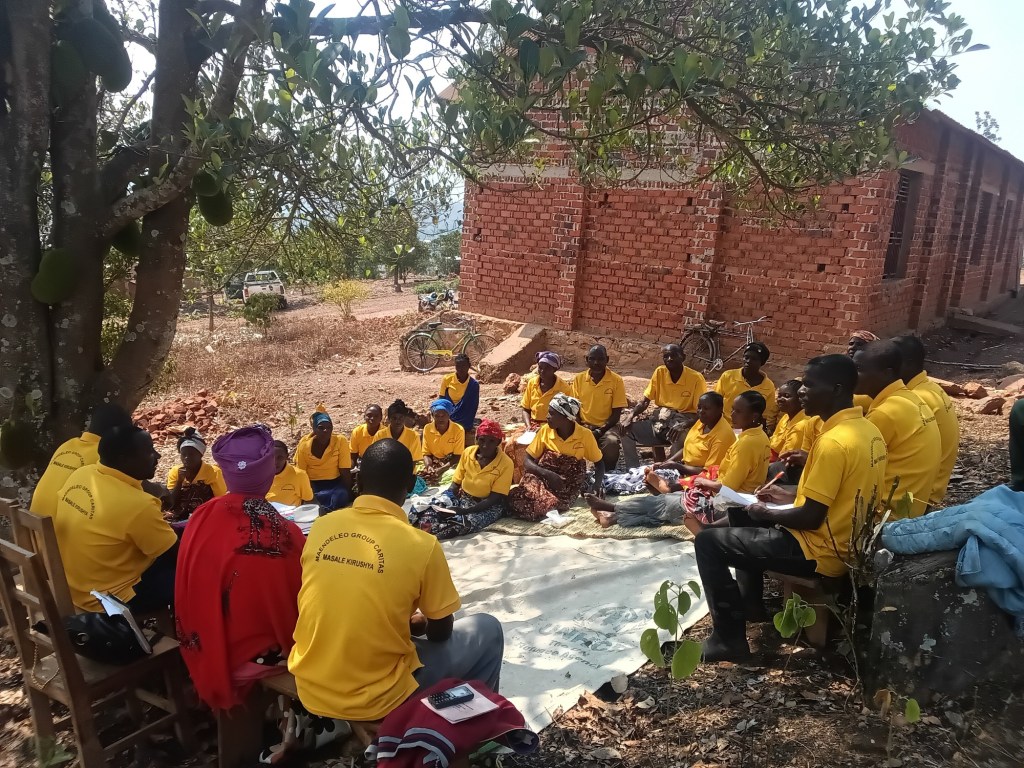
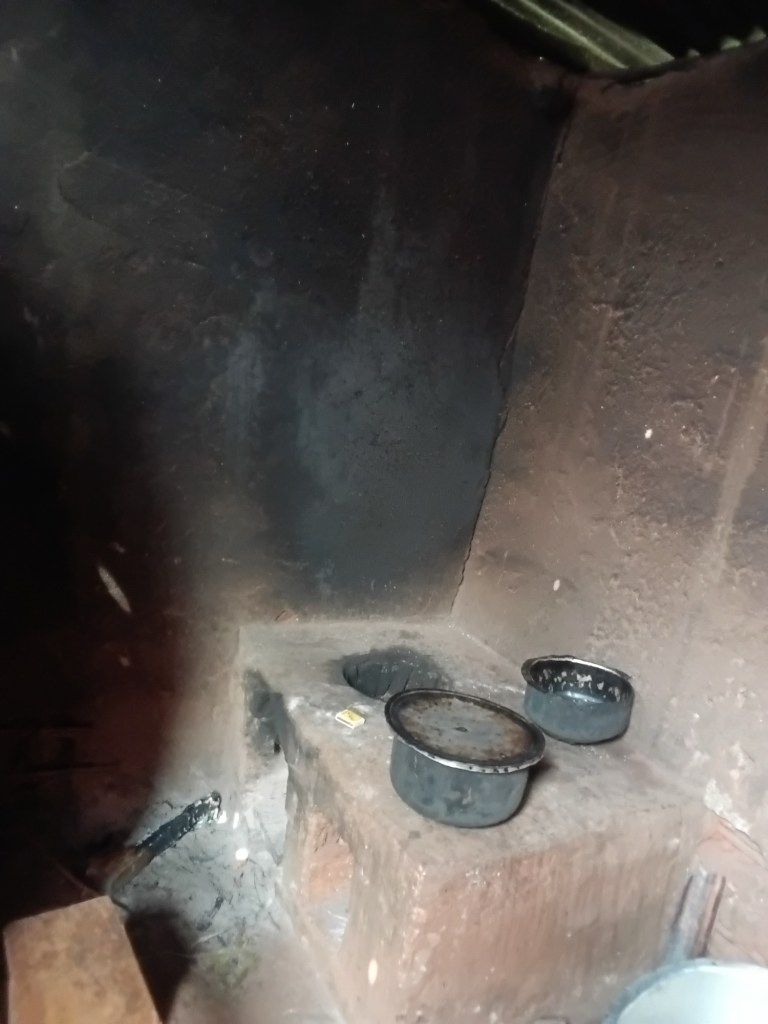
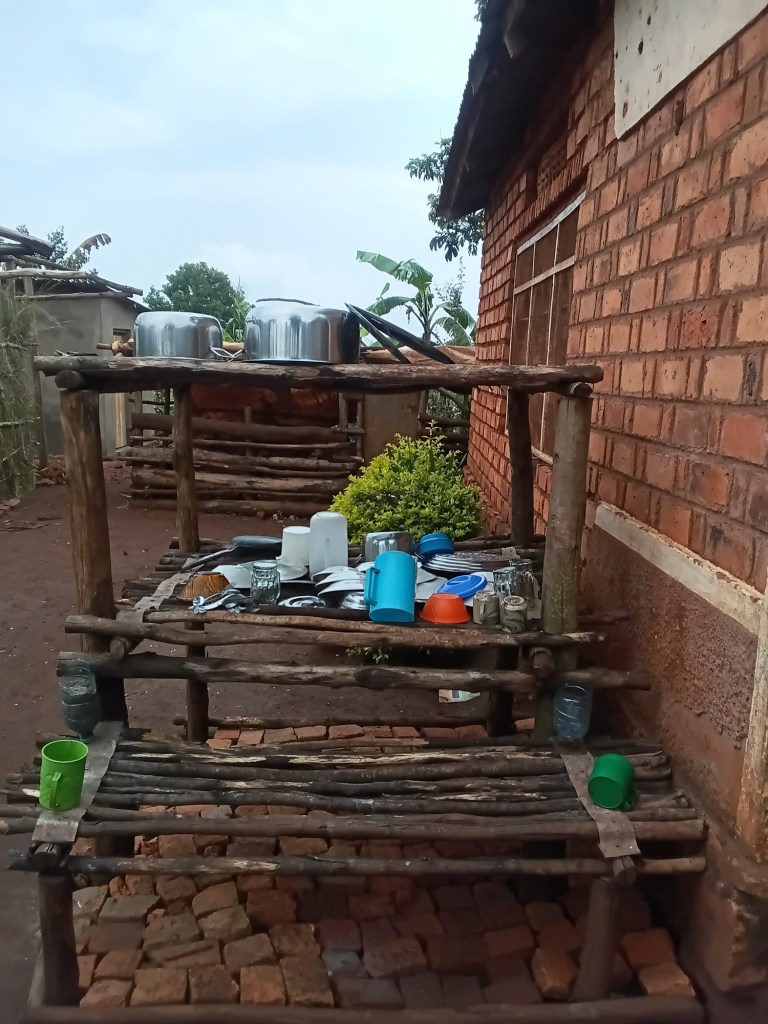
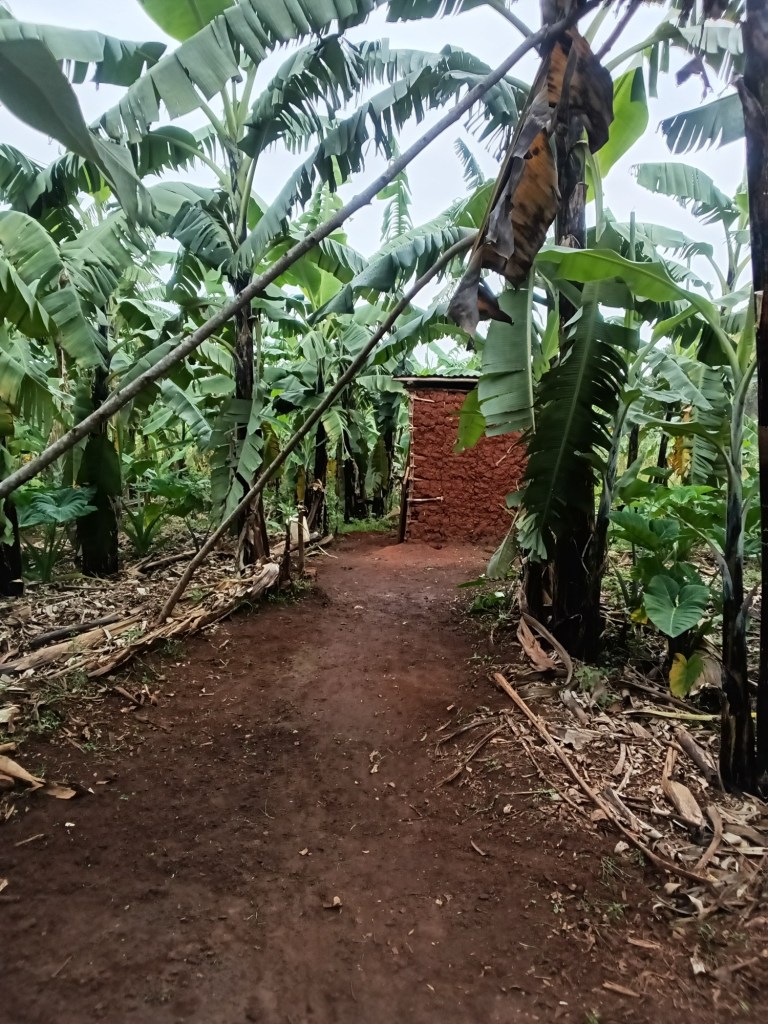
    Over the course of the week, it became increasingly clear to me how hard life can be here. Houses are on the verge of collapsing or get flooded during the rain. There are hardly any shower facilities, and no running water or electricity. Many people are completely dependent on their neighbors, who themselves often live about 15 minutes away. The week with the IRFDP team was very rewarding, but also sobering. It is important to get to know this part of the country, which often remains invisible otherwise. Because for me, I have never seen such a thing before.

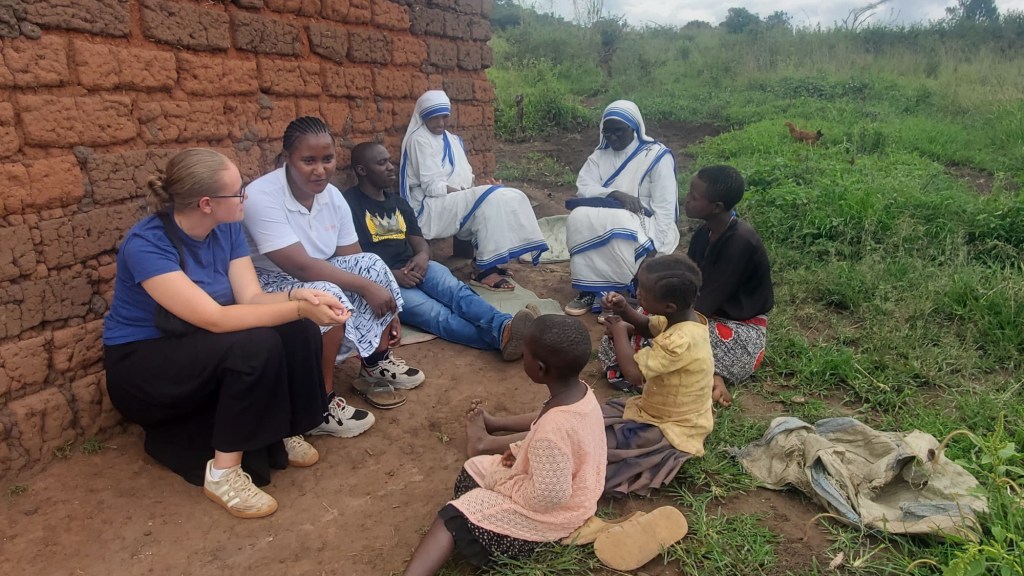
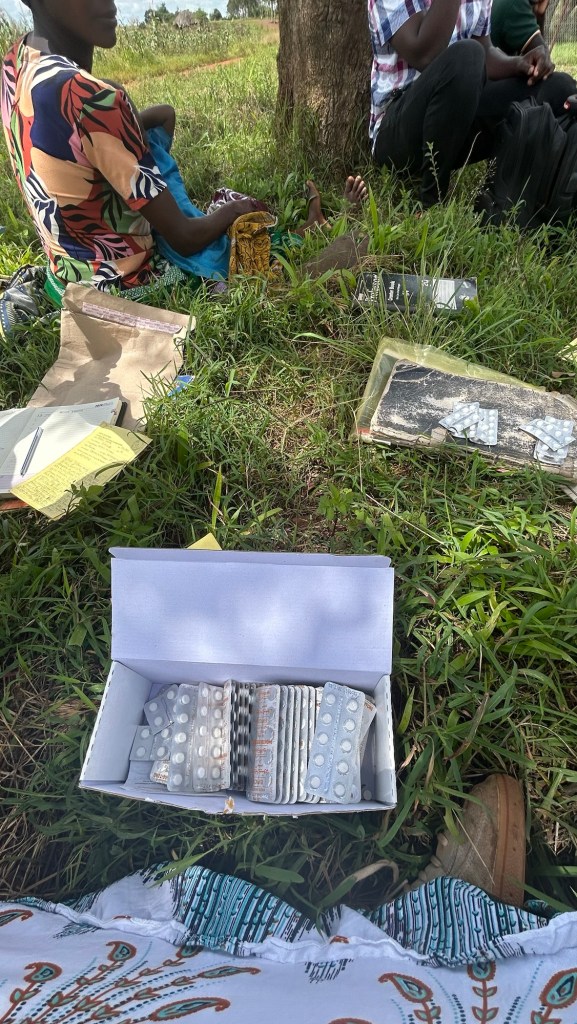
    In the second week, I worked with the RCBRP team. This program supports people with disabilities directly in their villages. Children receive encouragement, learn to walk, and get medicines, physiotherapy and aids such as crutches or wheelchairs. In addition, there is education about HIV and other diseases. The goal is to make Rulenge and the surrounding villages more inclusive and accessible.

    From the very beginning, I was able to actively participate: we reviewed files, organized materials, and called the communities to find out where there was urgent need. From the beginning I was allowed to work with them. But i also faced some language struggles because many people in the villages are speaking Kishubi and this i can’t understand. Still busy with Kiswahili😅

    Another nice thing were the visits to the hospital with Irene, the physiotherapist.

    Also we met a man suffering from elephantiasis. His feet are swollen, very heavy, and painful, making walking almost impossible. Millions of people in Tanzania are affected by this disease. But unfortunately it’s very hard to treat.

    During home visits, it became clear to me again how overwhelmed many families with a child with a disability are. Support services are often limited. All the more touching was seeing how much even small moments of attention can make a difference.
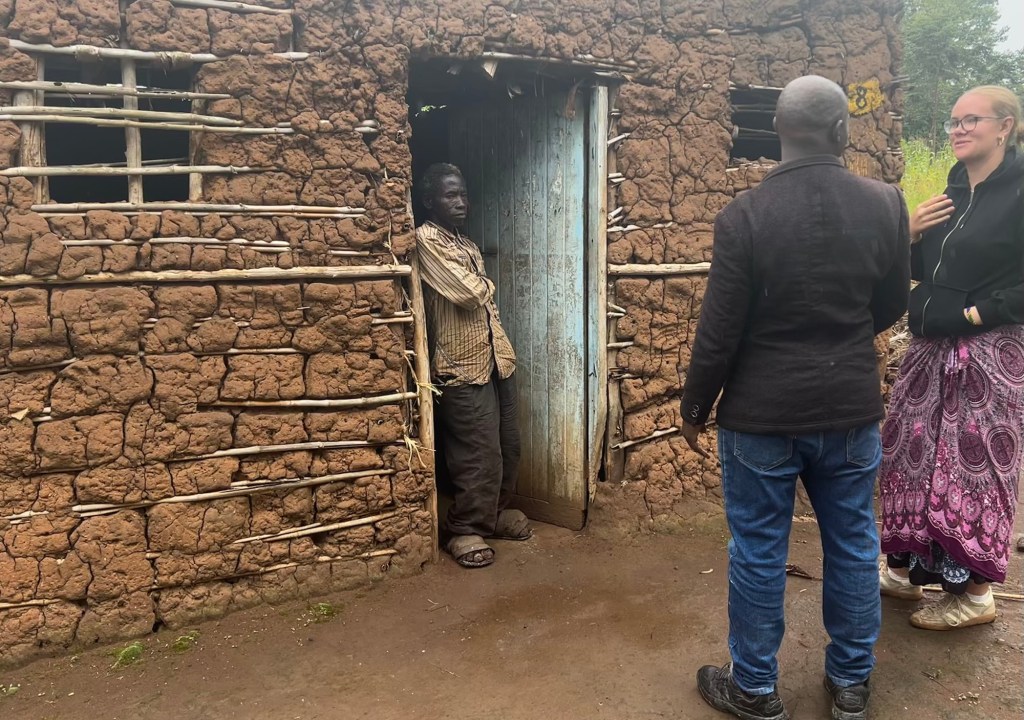
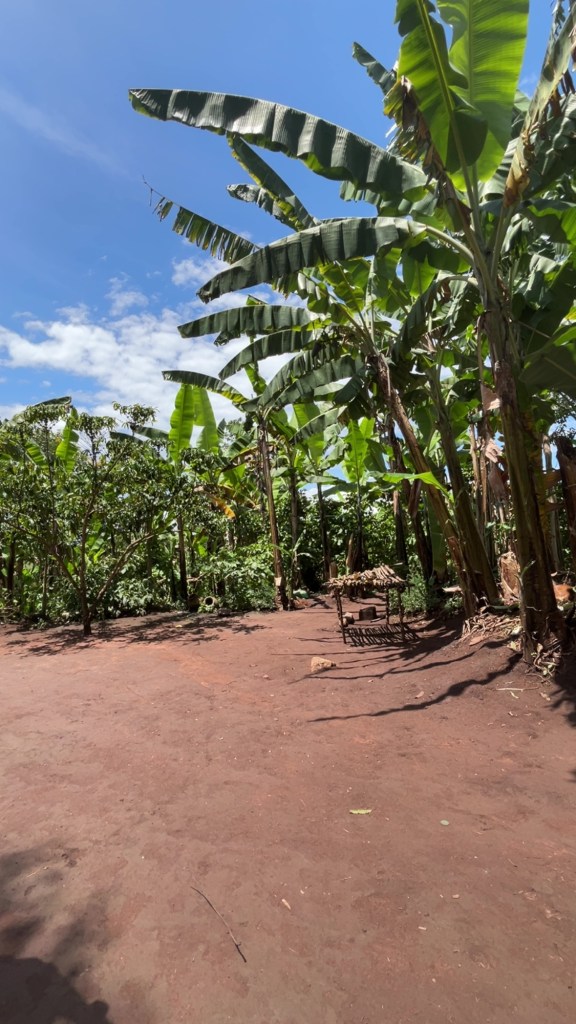
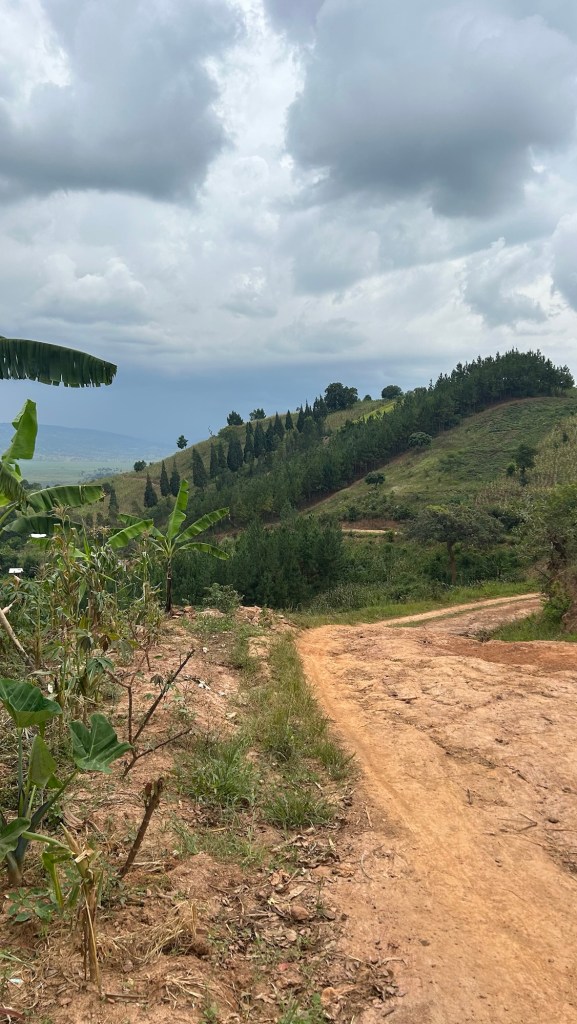
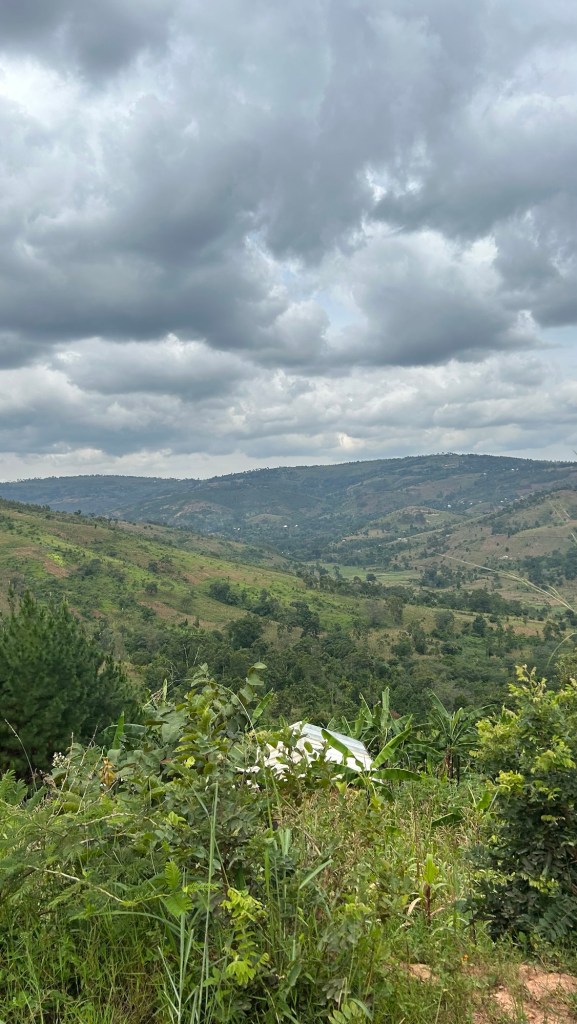
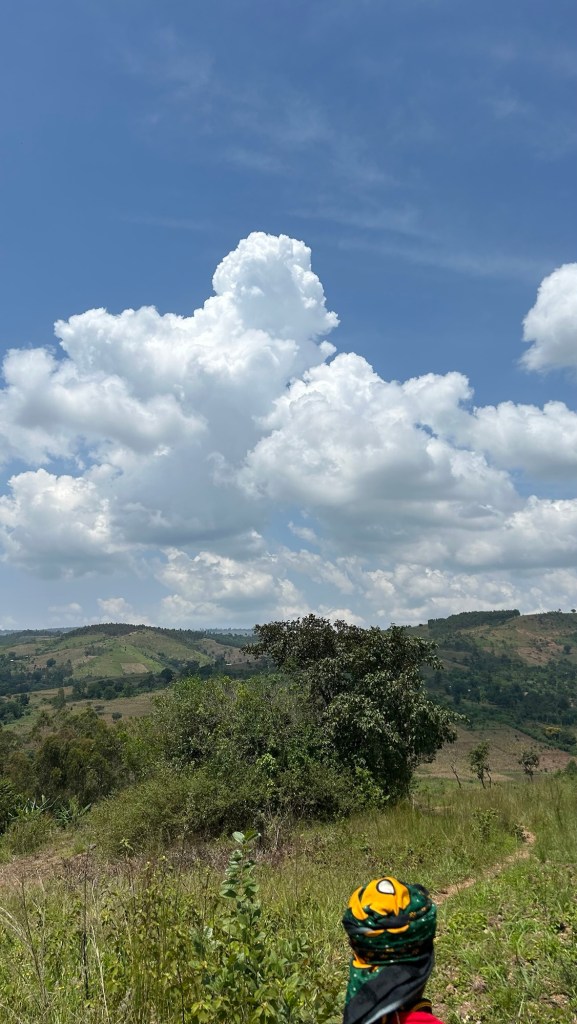
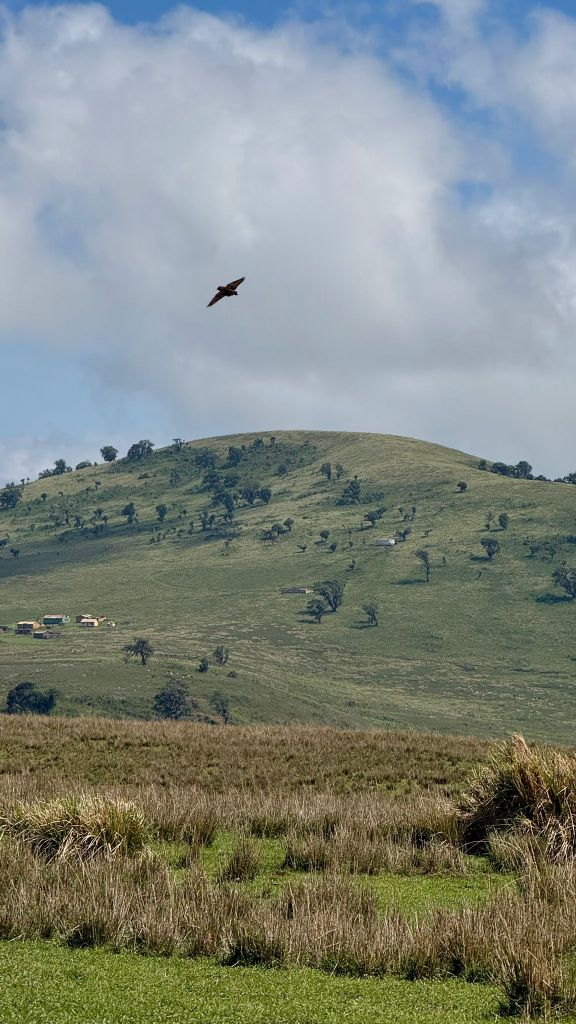
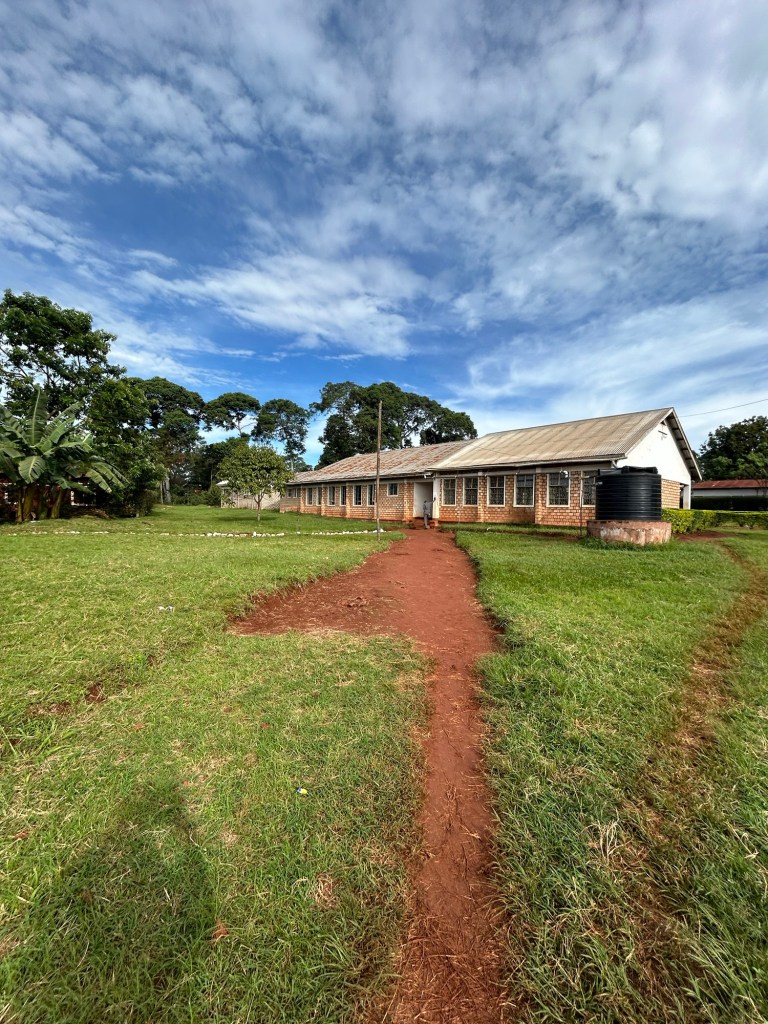
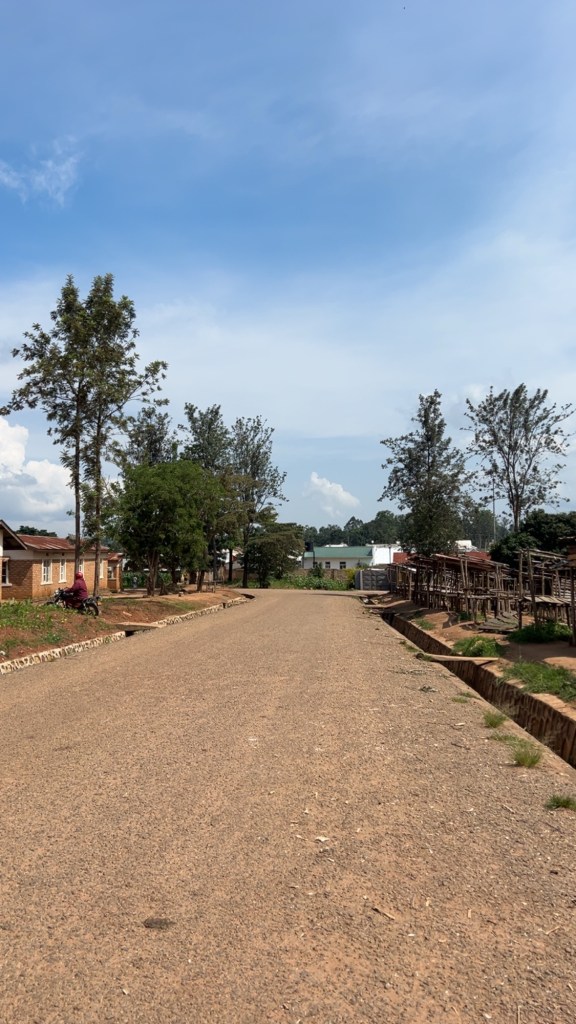
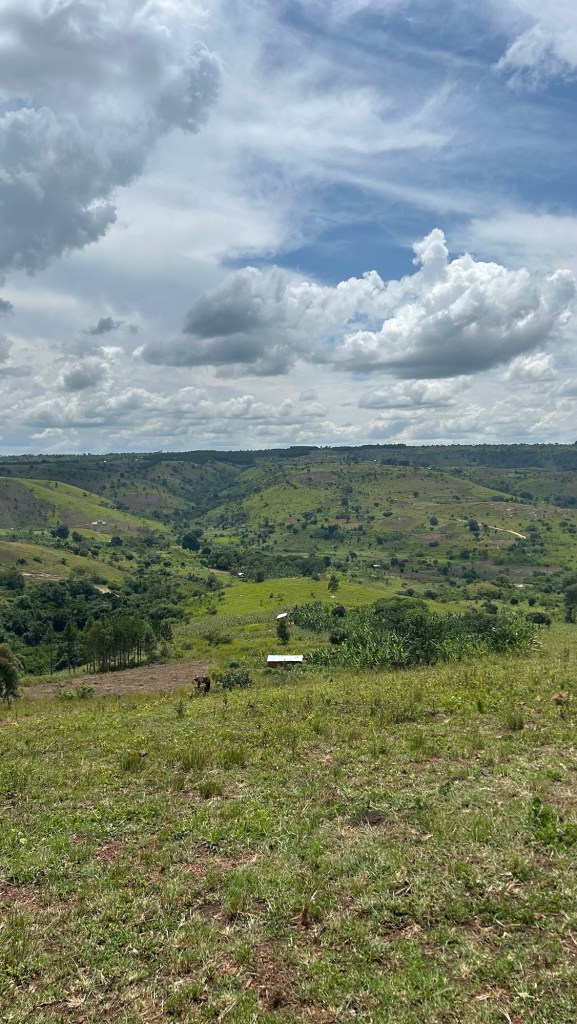
    Through all the trips, I got to know the area around Rulenge much better. The landscape here is simply beautiful. Thanks to Caritas’s documentation, I was later able to get photos of the visits without having to use my phone during the home visits. This was very important to me, because I want to approach the families with respect and not reach for my phone first.
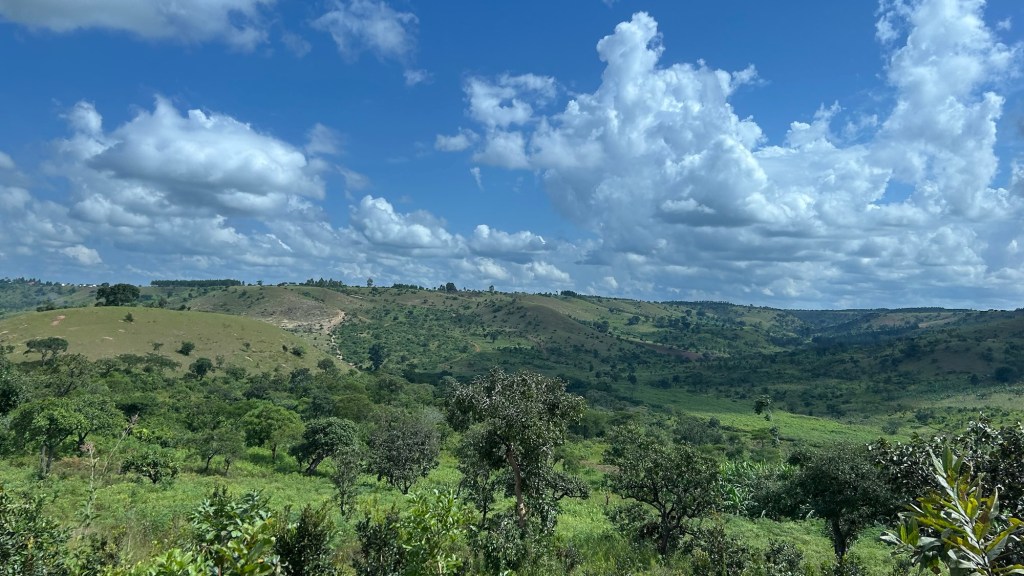
    What made these two weeks special was the structure and discipline of the work, combined with the great dedication of the staff. The day began at 7:30 a.m. with a prayer together with all Caritas employees and ended at 3:30 p.m. In practice, however, we often didn’t return from the villages until 4 or 5 p.m. The intense days and good organization made the work very demanding, but also incredibly instructive.

    These two weeks at Caritas were simply incredible. I experienced how strong, resilient, and joyful the people here are, and how much we can learn from each other when we interact openly and attentively. I am very grateful to the team for taking me everywhere and allowing me to learn so much. The work here is incredibly important and makes such a difference for the families on site. I was very happy to be able to see such a side of the country I am currently living in.
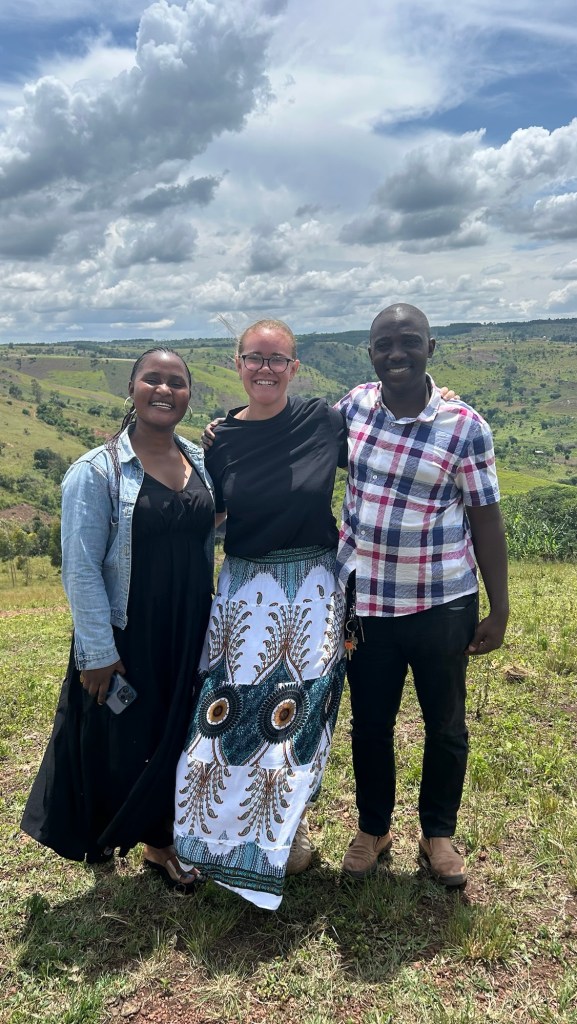
     

    Angels Home

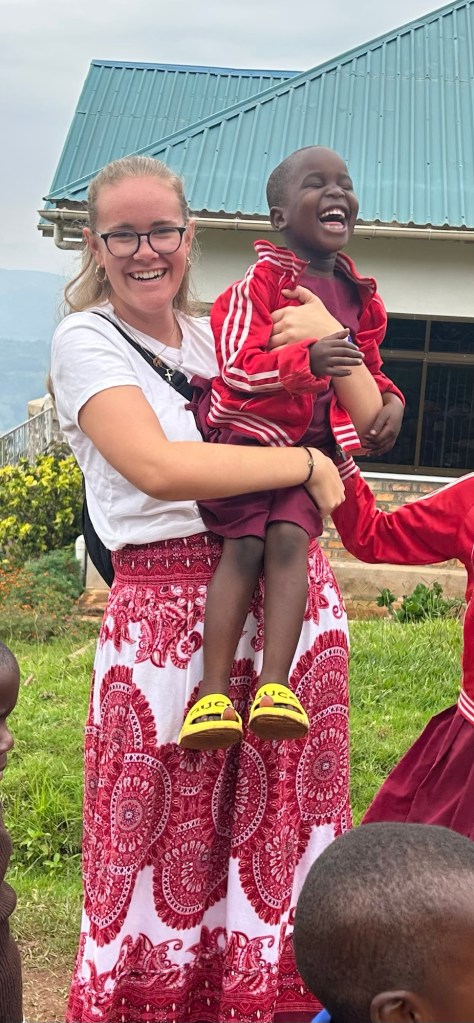
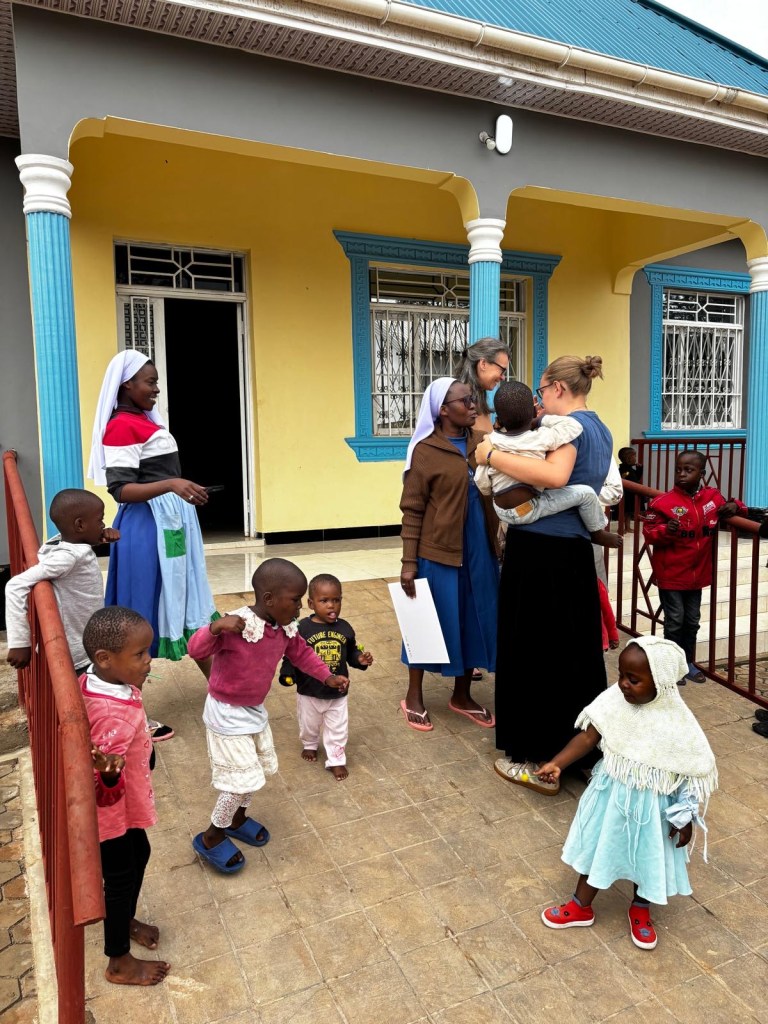
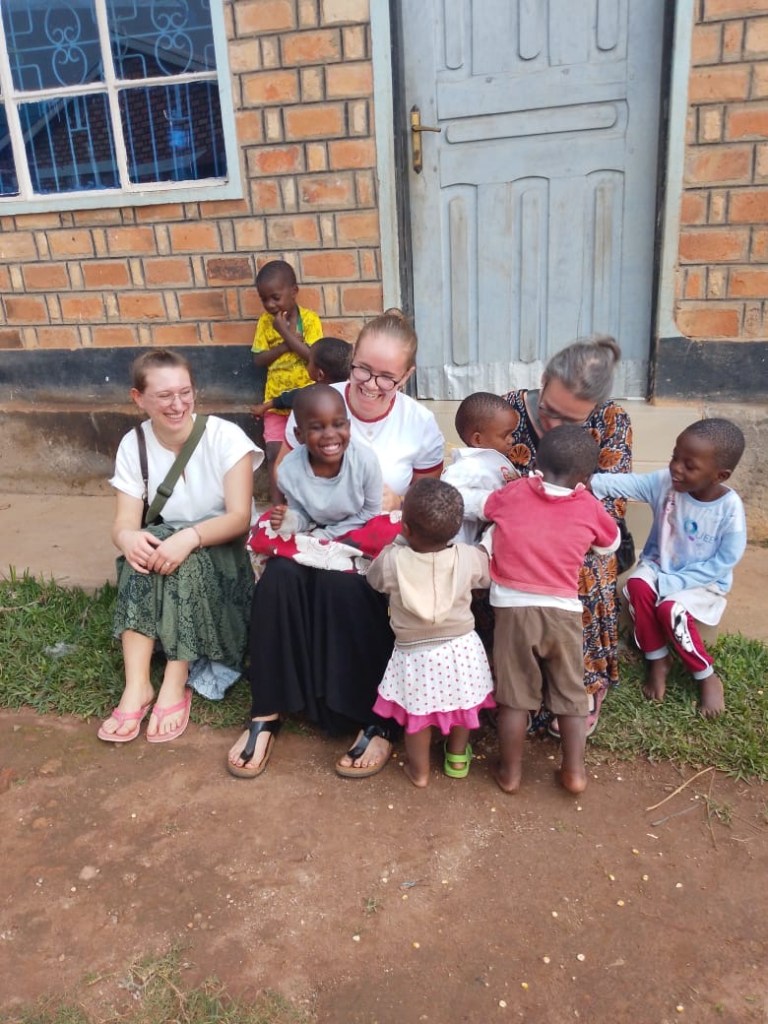
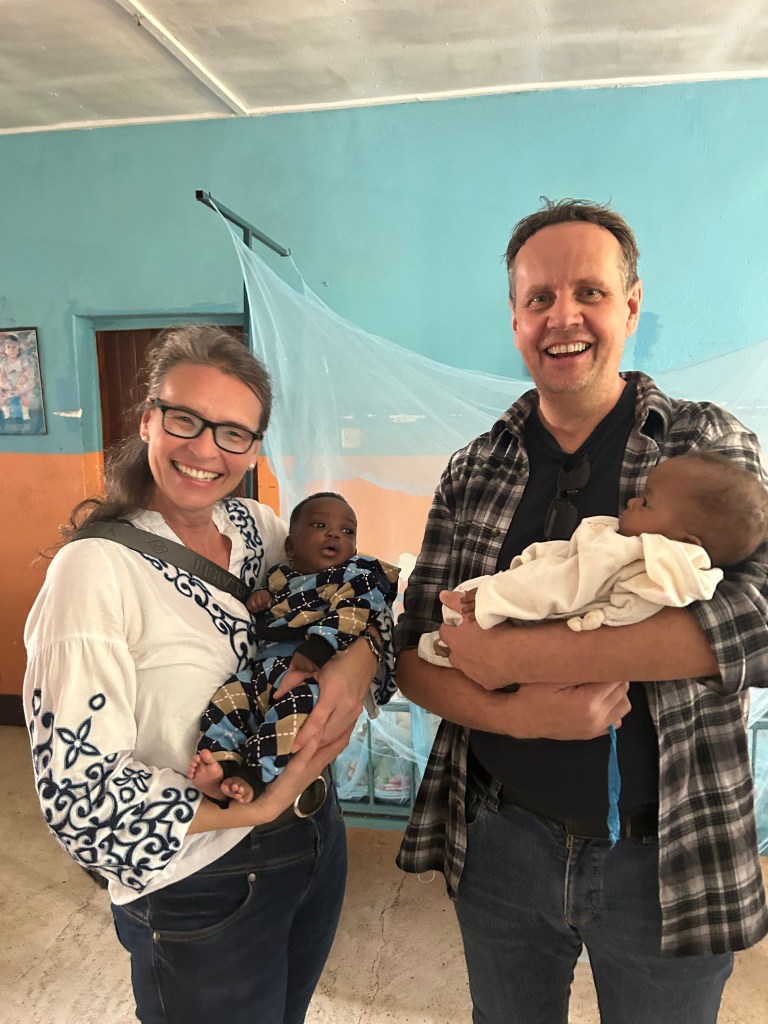
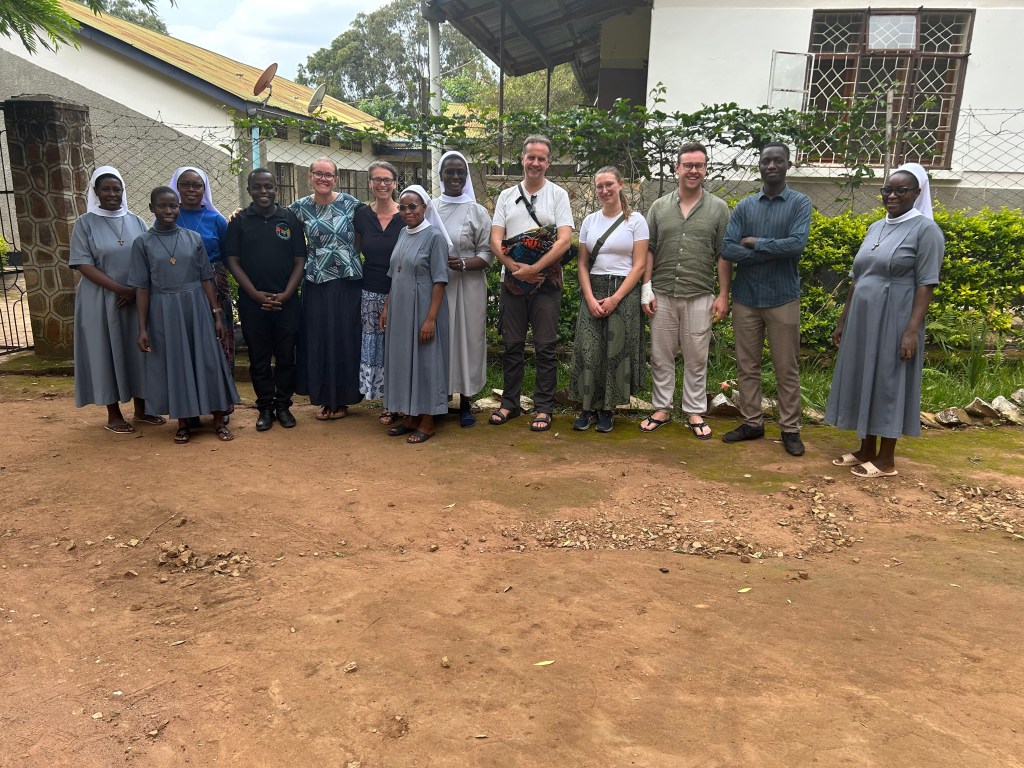
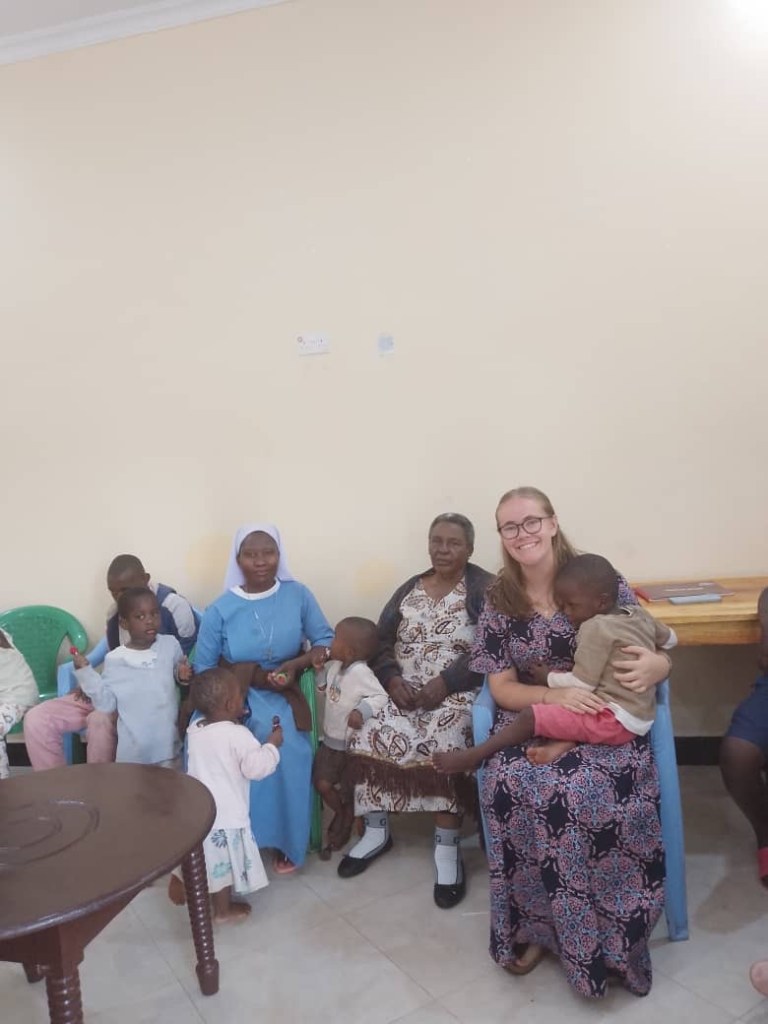
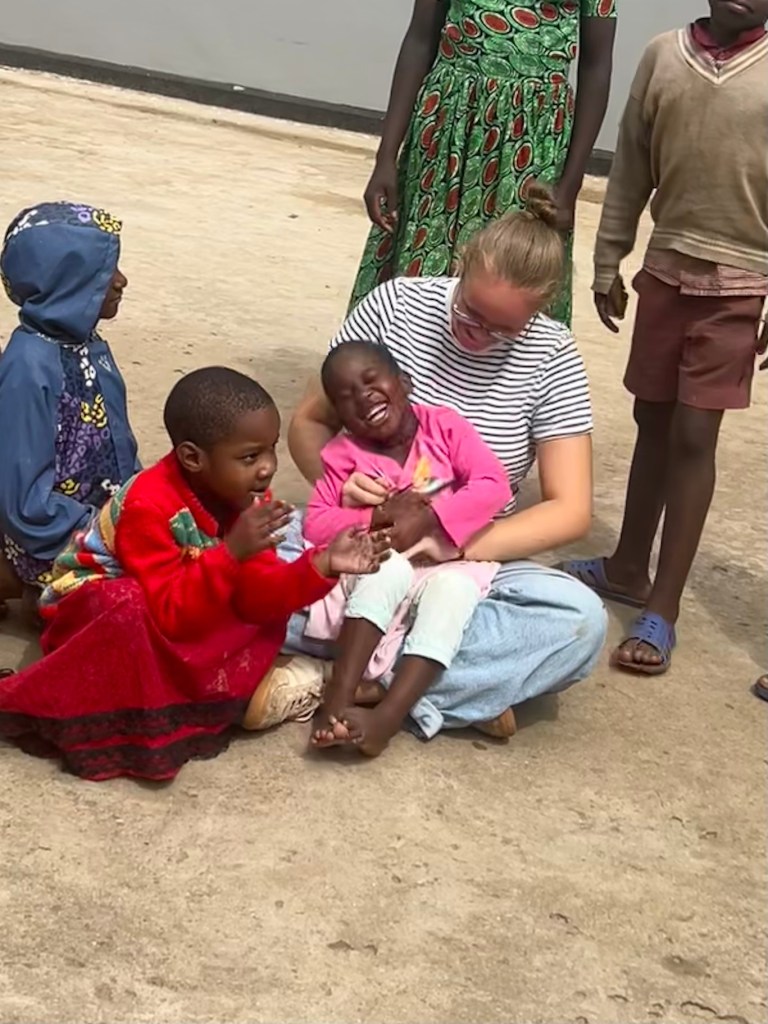
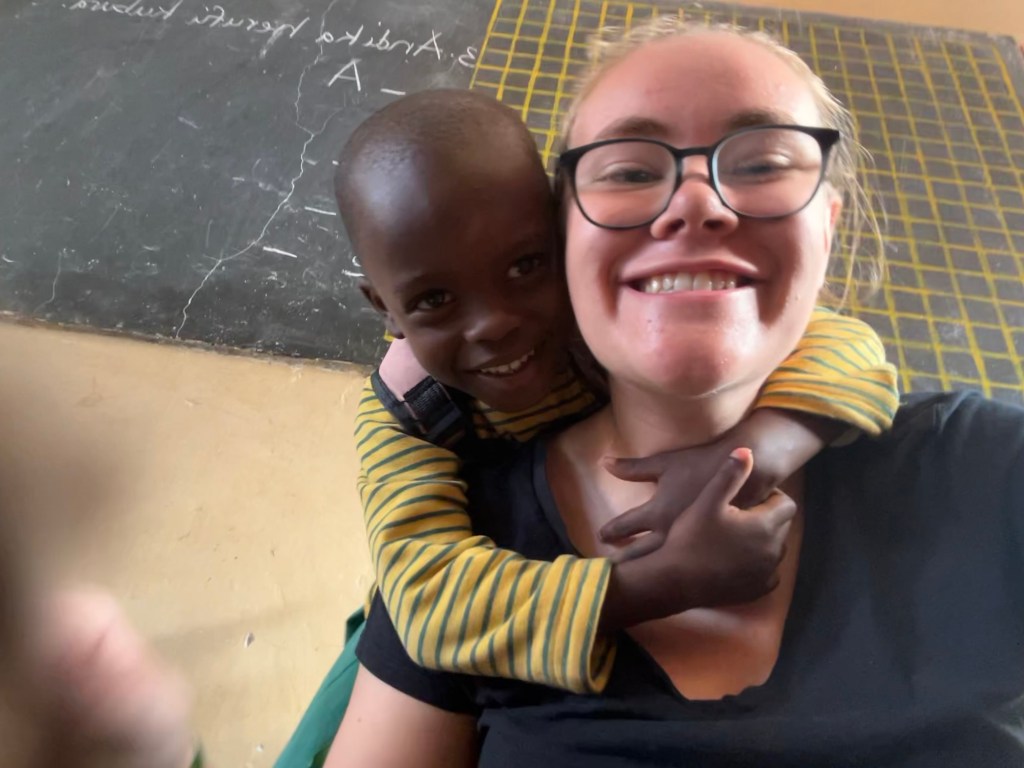
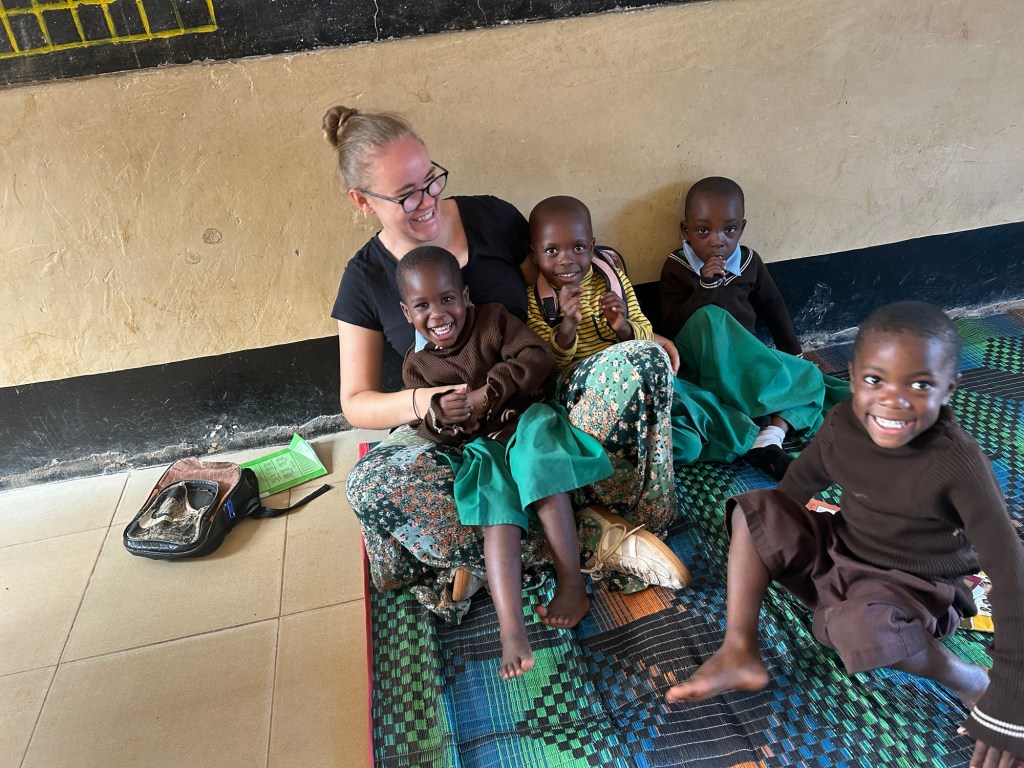
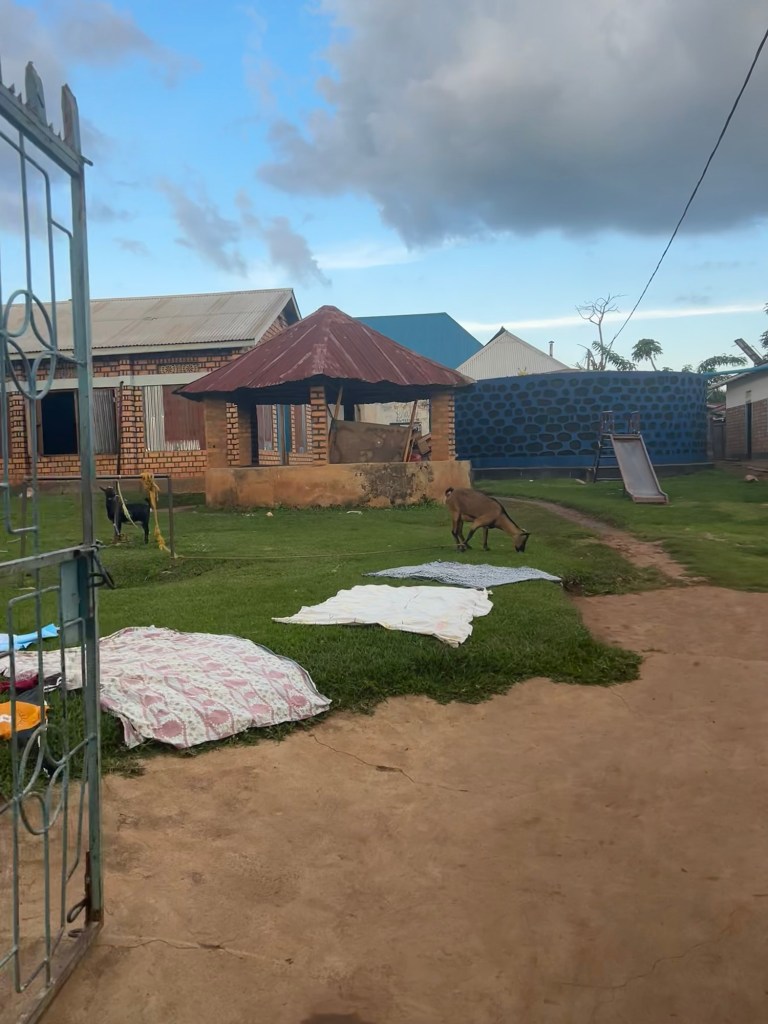
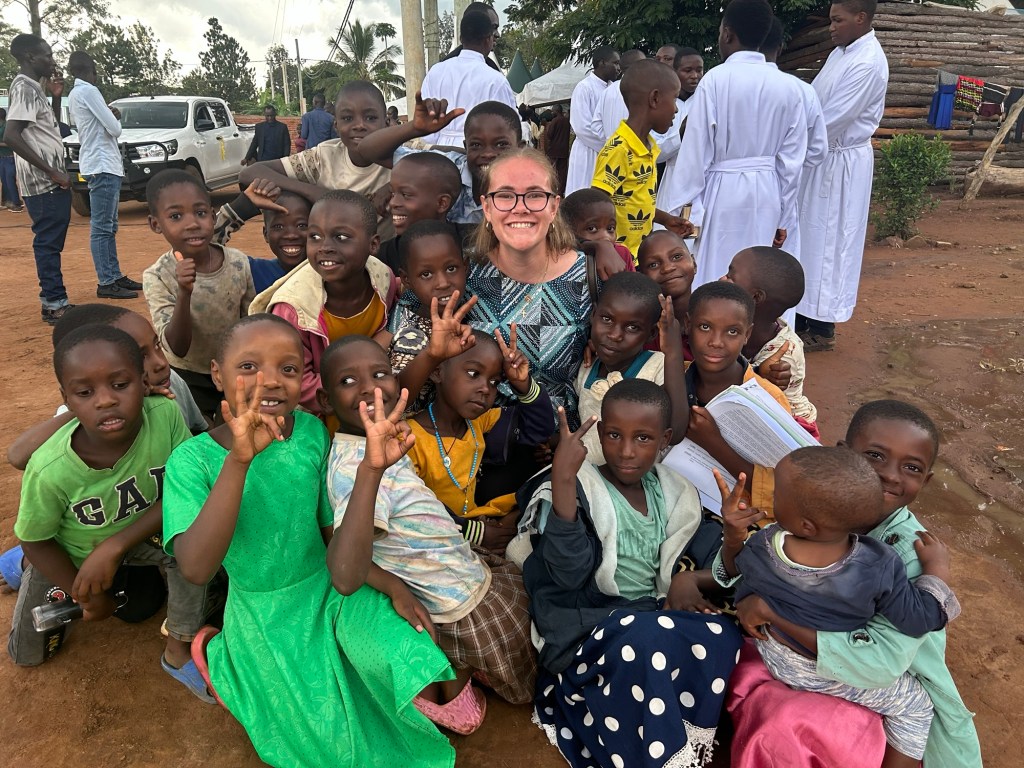
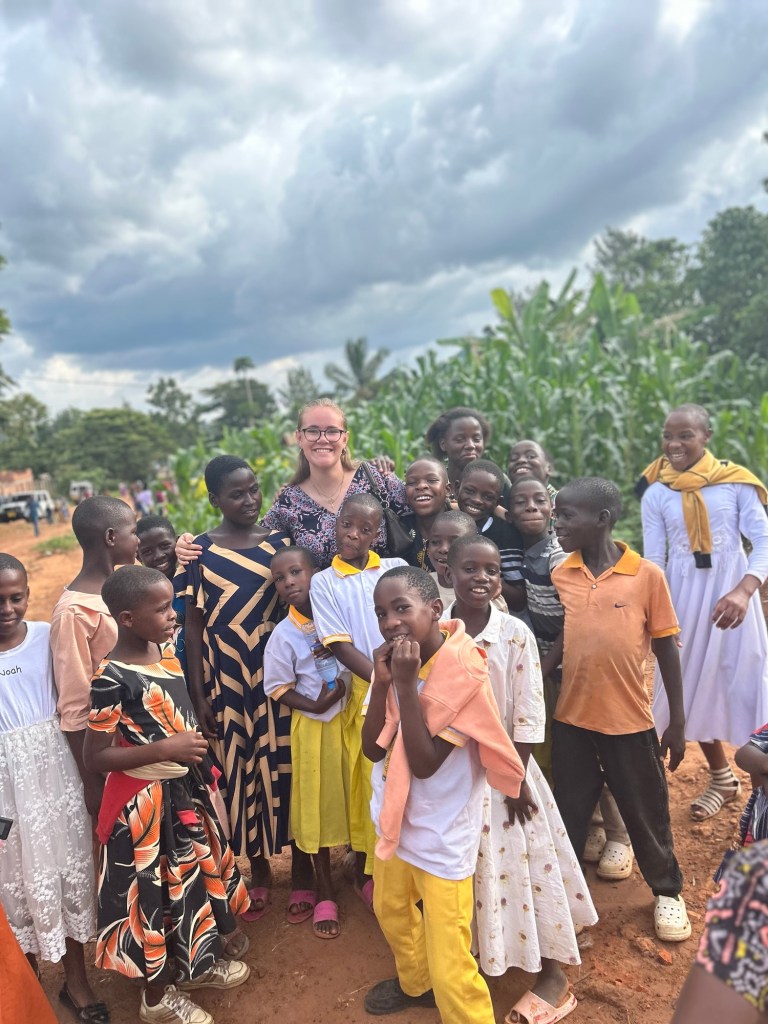
    After my internship at Caritas, I returned to Angels Home. Although I had visited the children almost every day after work during those two weeks, it was nice to be fully with them again. My daily work routine has changed, as many of the children are now in school, and currently there are only eight children left in the orphanage. As a result, my tasks have decreased significantly, and with the support of the sisters and dadas, I am needed less than at the beginning.
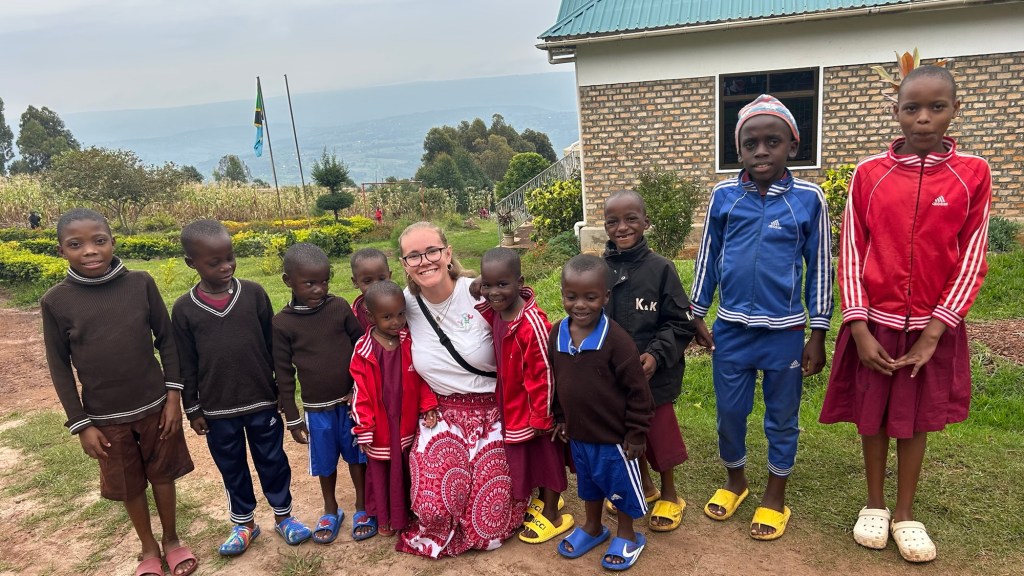
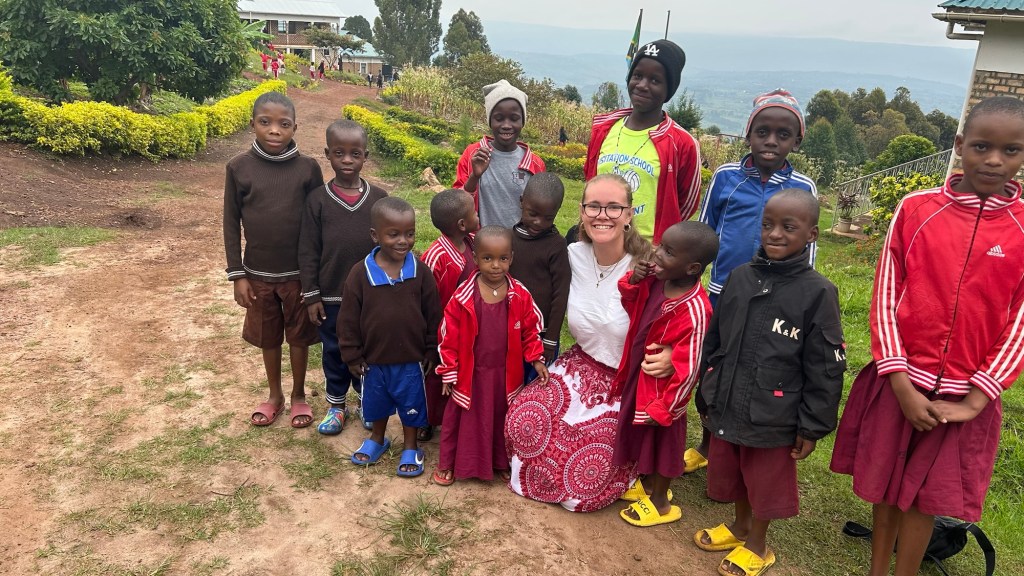
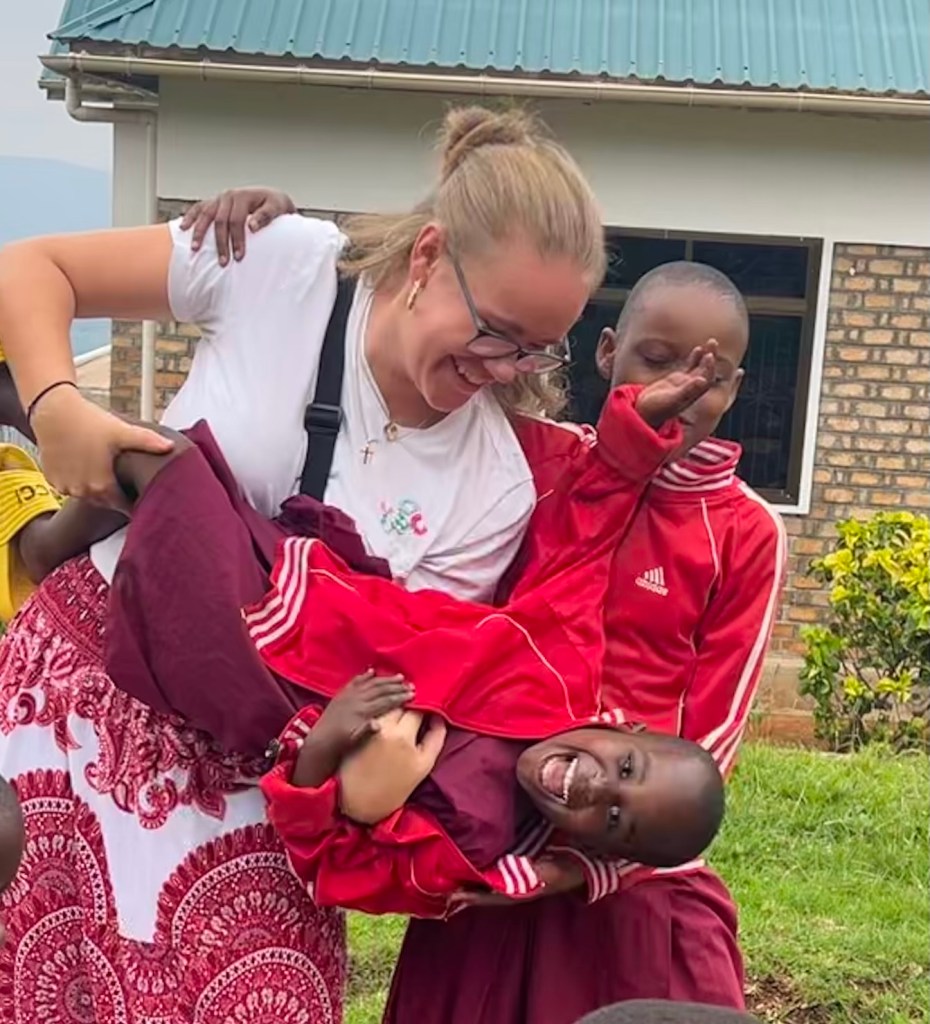
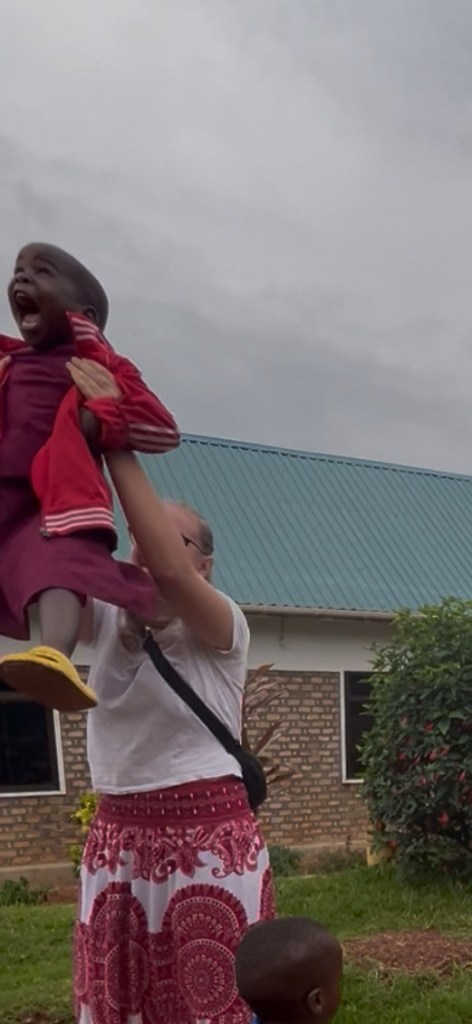
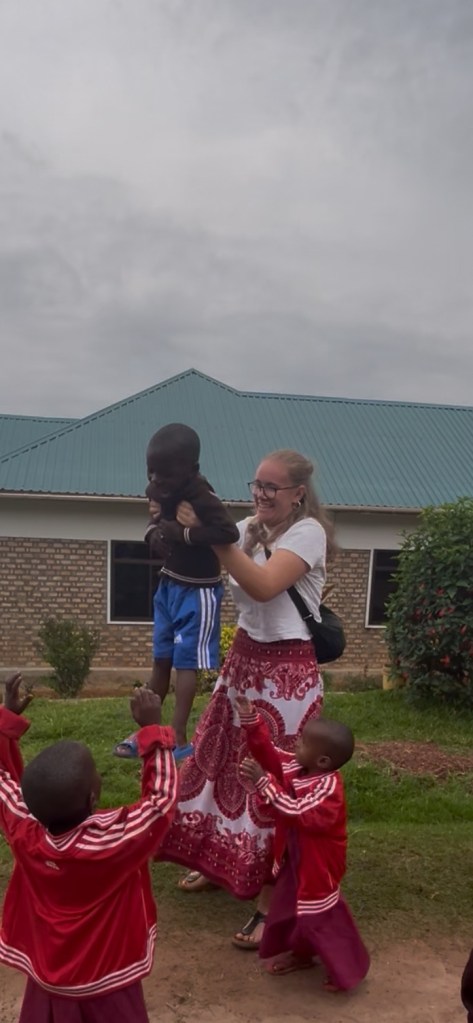
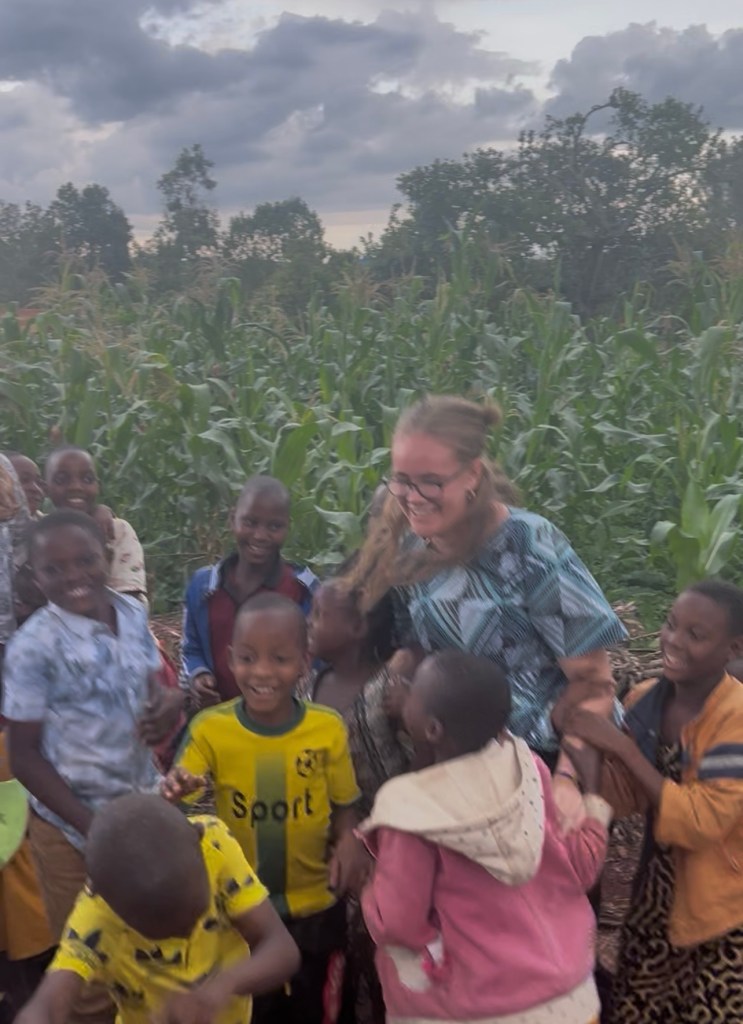
    Still, of course, I looked for activities and tasks to make the day great. Together, we built a drum and kept experimenting with the toys. I kept trying out new ways to play and noticed how quickly the children can get overwhelmed, but at the same time be incredibly grateful and full of joy.

    I just have to teach them that the building blocks aren’t really meant to be thrown at my face 😂😂. Otherwise, things are going surprisingly well with the new activities. The colorful diapers are especially fun, bringing the children great joy as they run around the garden with them. It’s a wonderful enrichment for everyone.


    Mwanza and Katoke Seminary Trip

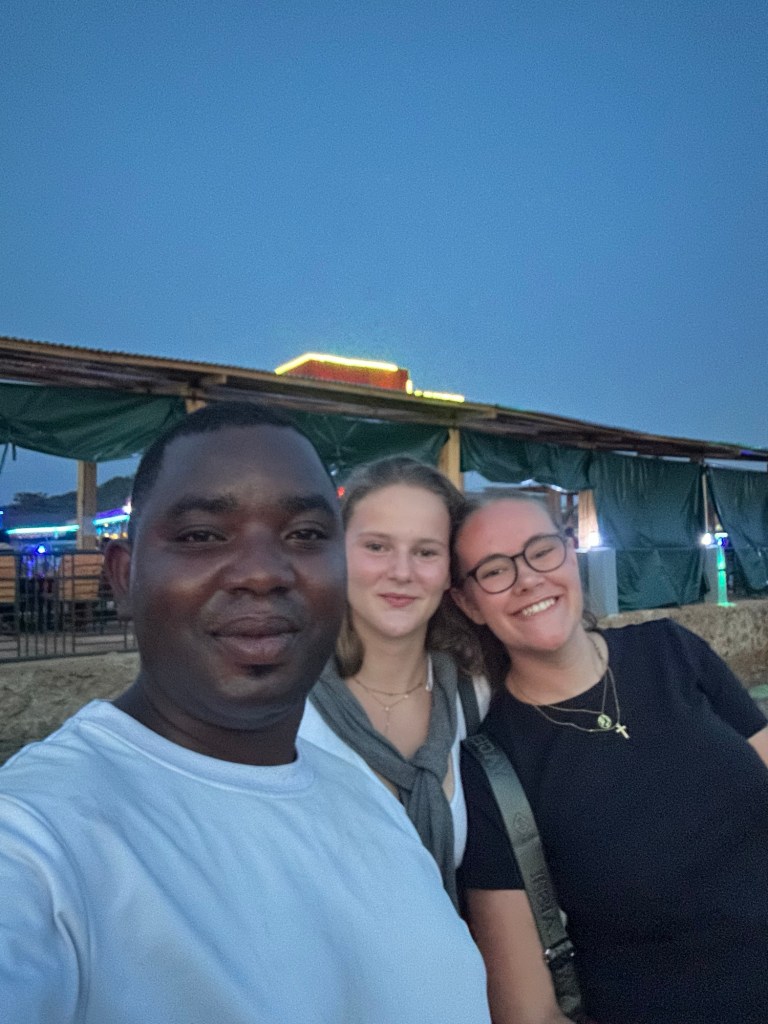
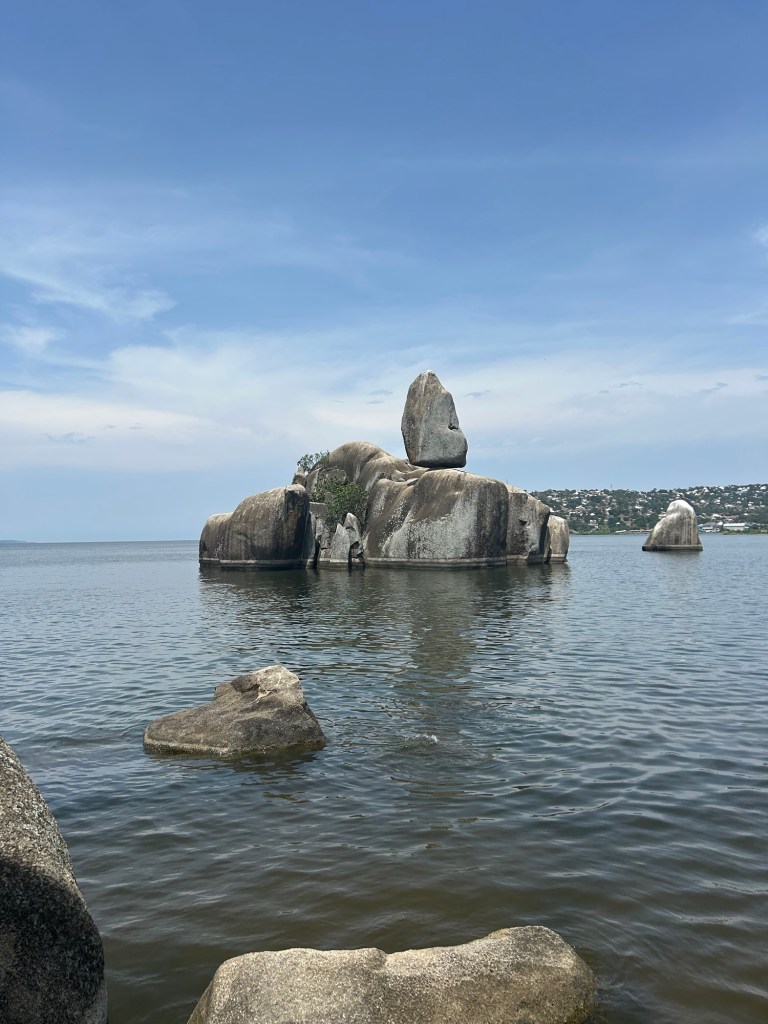
    During the mid term seminar in January, I had the opportunity to meet other volunteers. So, at the end of February, I visited Loana and Lennart in Mwanza. They live there and work in a hospital as well as in an NGO that supports mothers with sick children. It was exciting to get to know their lives, which in many ways are very different from mine here. The biggest difference is the environment. While it only takes them about 20 minutes to reach Tanzania’s second-largest city and have access to many things, like European food, large supermarkets, or well-known brands, I need around seven hours to get there.

    The living situation is different as well. We live in a more European-styled house, while they live in a small house, often without electricity or running water, cooking over an open fire, and using a bucket to shower. For me, it was very enriching to see all of this up close. Loana also showed me many corners of the city that a regular tourist would probably never discover. We had a wonderful time and a very meaningful exchange.❤️
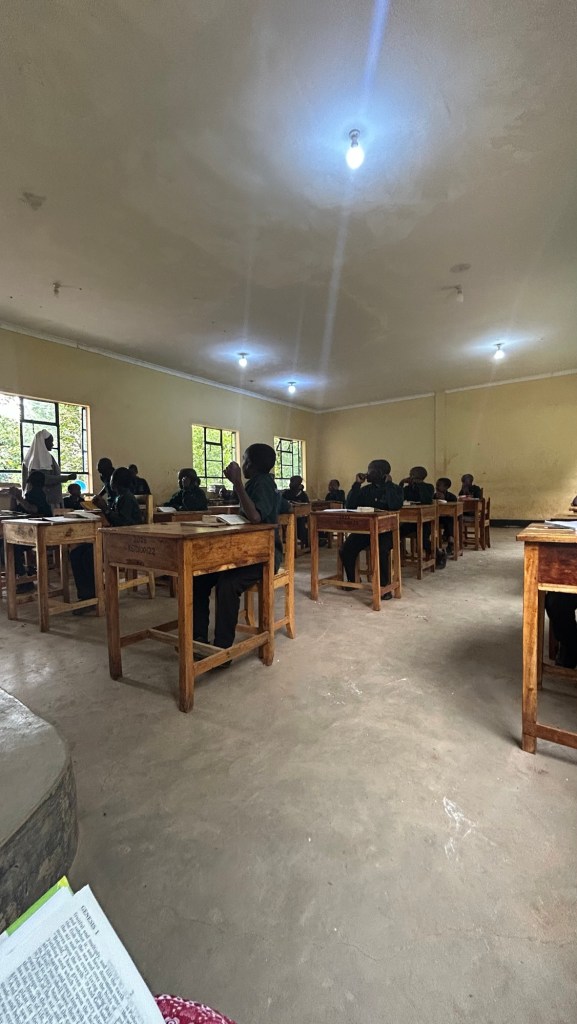
    On the way back to Rulenge, I went again to the Katoke seminary, this time for three days. I was able to teach English again, the students had many questions, and I had great conversations with the teachers, who were very interested in life in Germany, the school system, and much more. The big differences became particularly clear to me there once again.
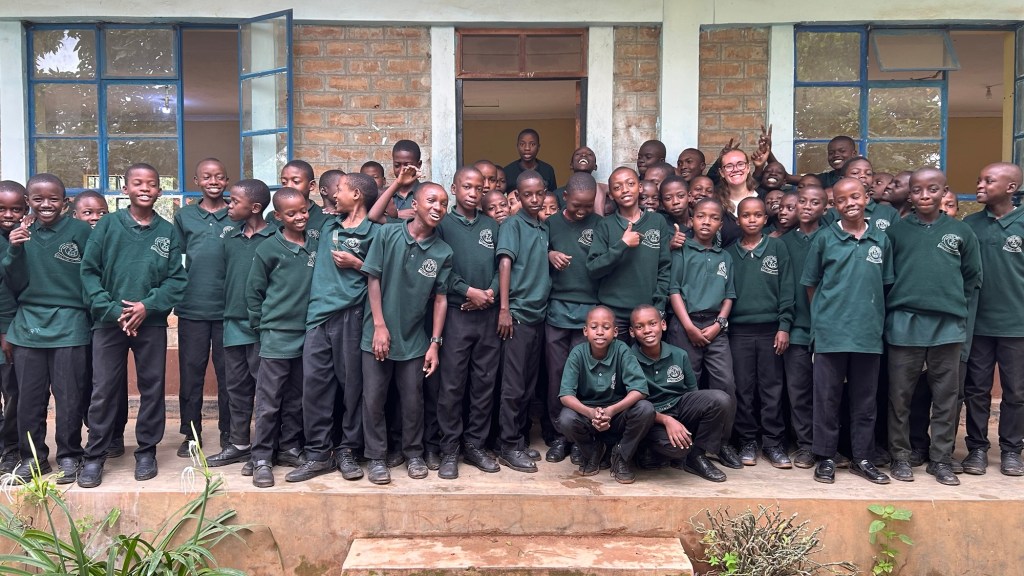
    Three seminarians from Rulenge now also work there, and it was nice to see them again and spend time with them. For me, it was also a place to relax and completely switch off.
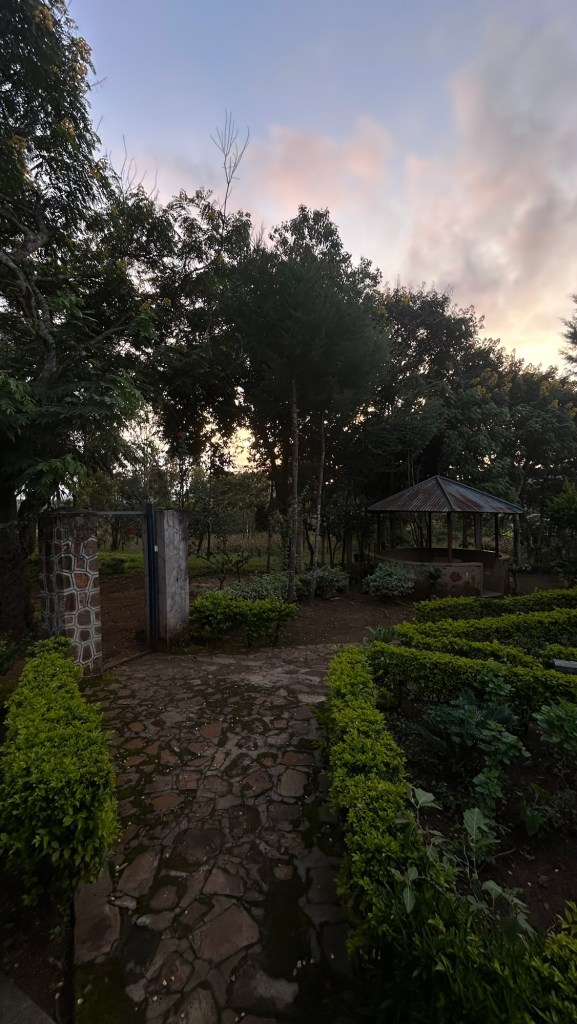
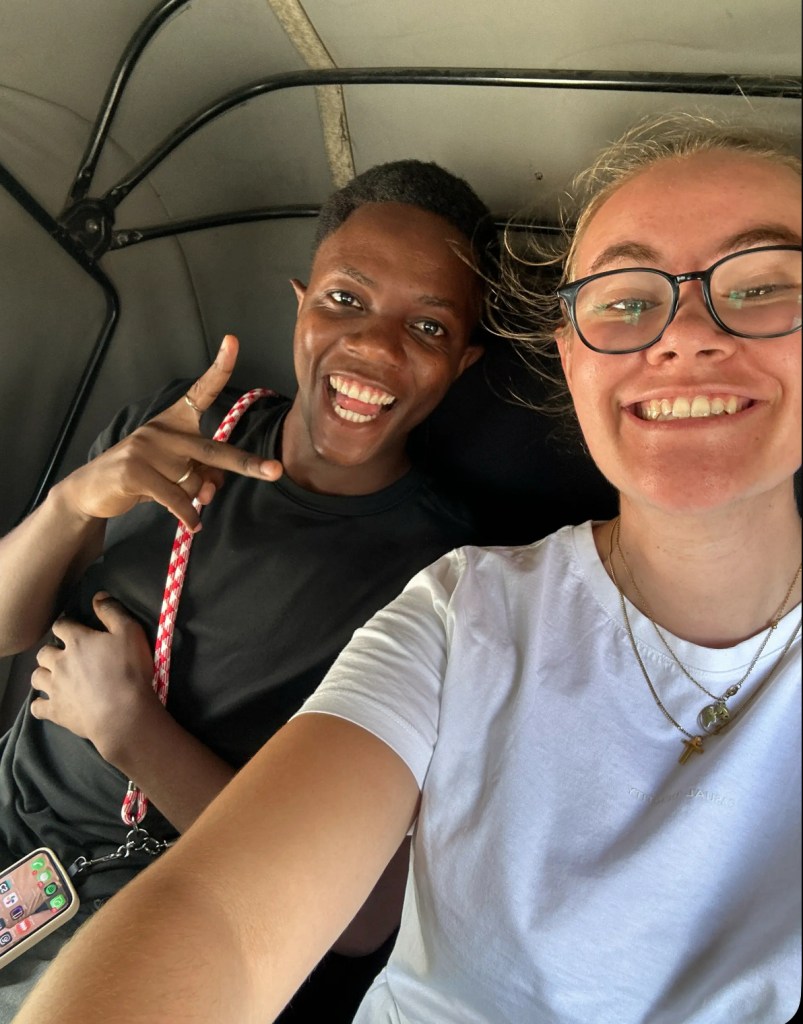
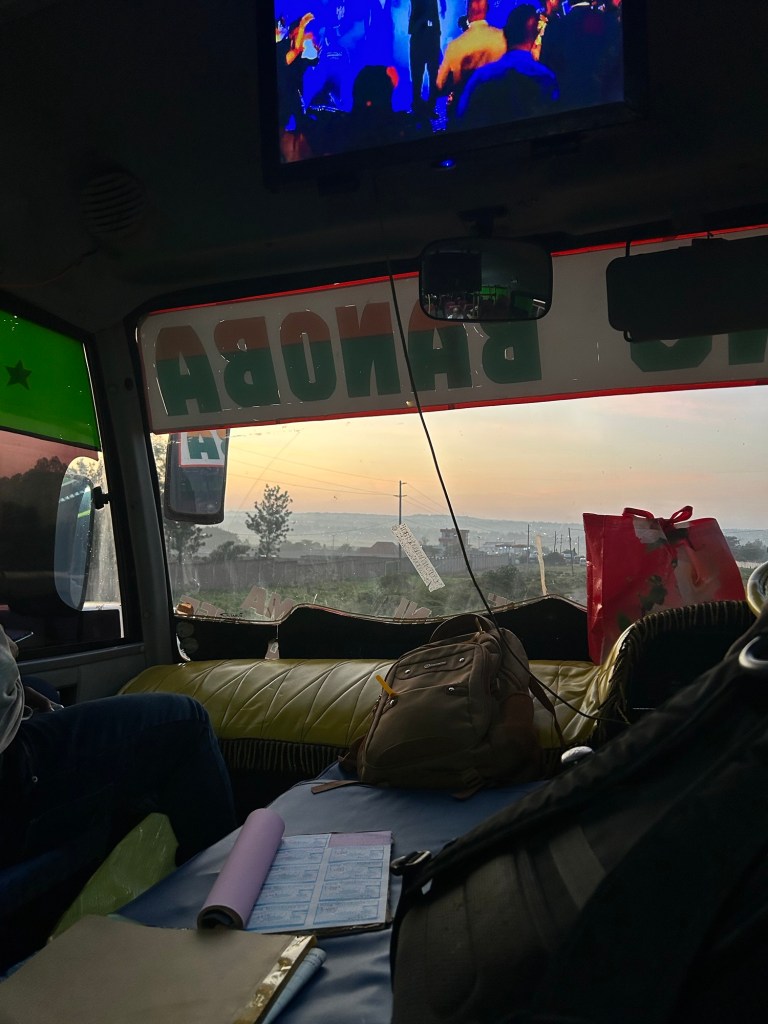
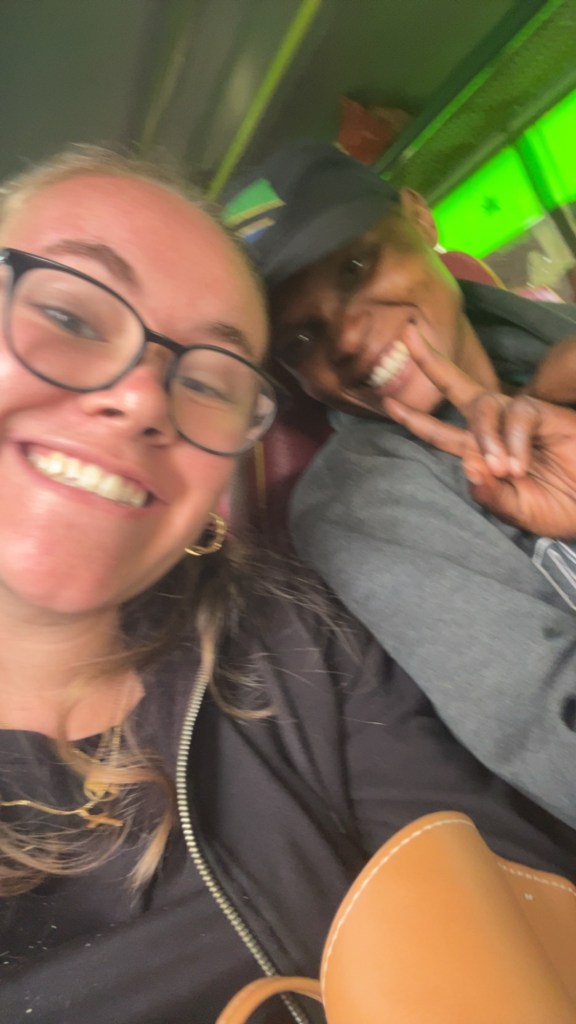
    The trips themselves were, of course, full of adventure, but also a lot of fun. The bus rides are an experience in themselves😅 On the way back from the Katoke seminary, I rode back with my friend Rose, which made the ride even more fun.
     

    What else was going on in Rulenge

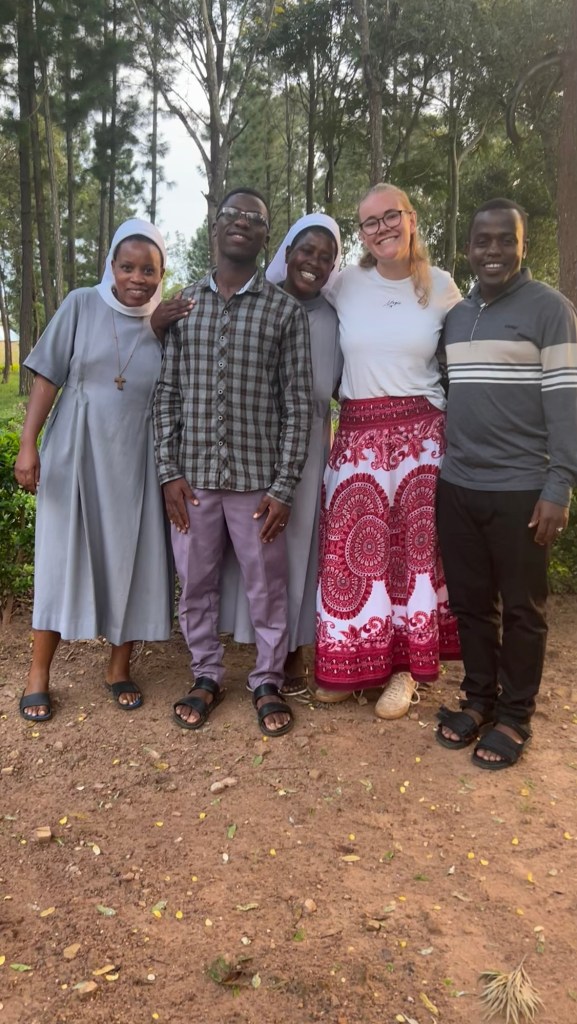
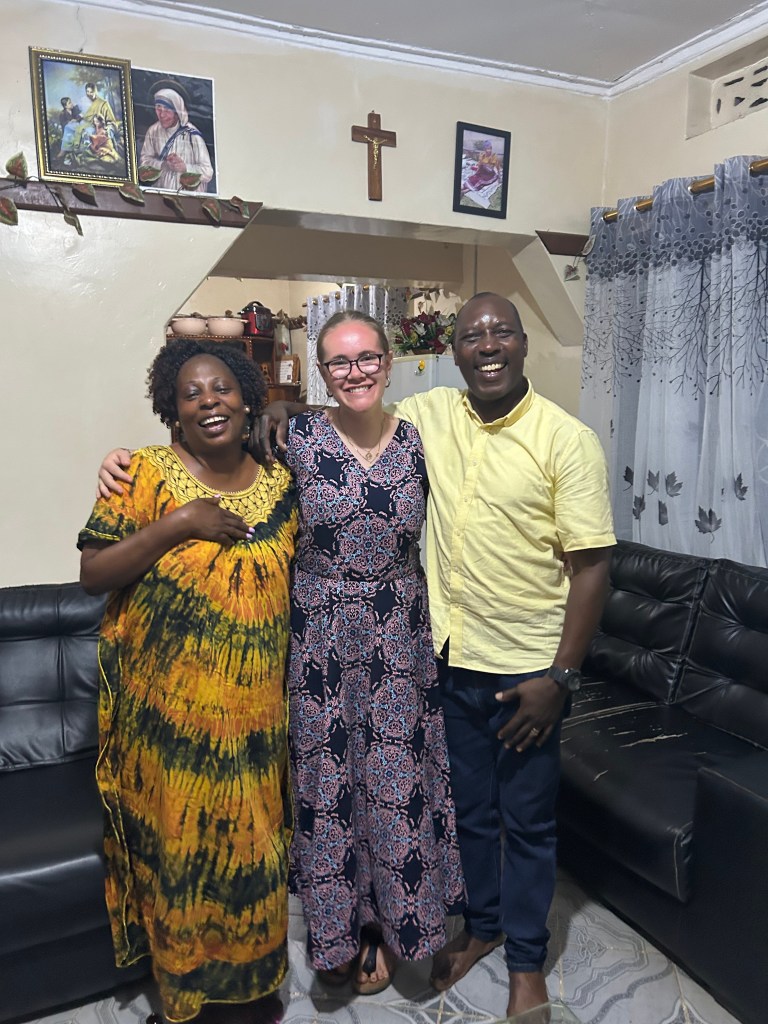
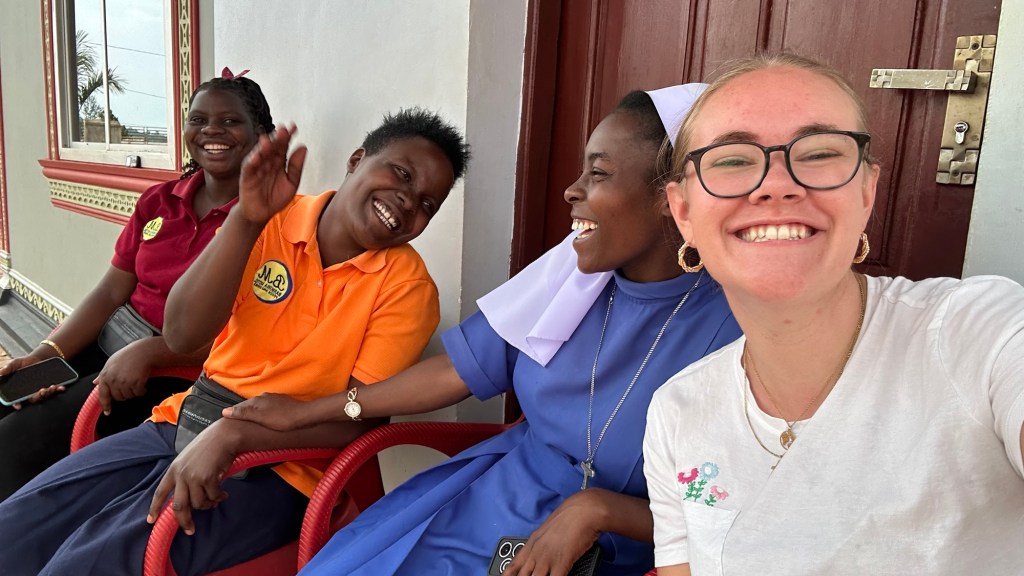
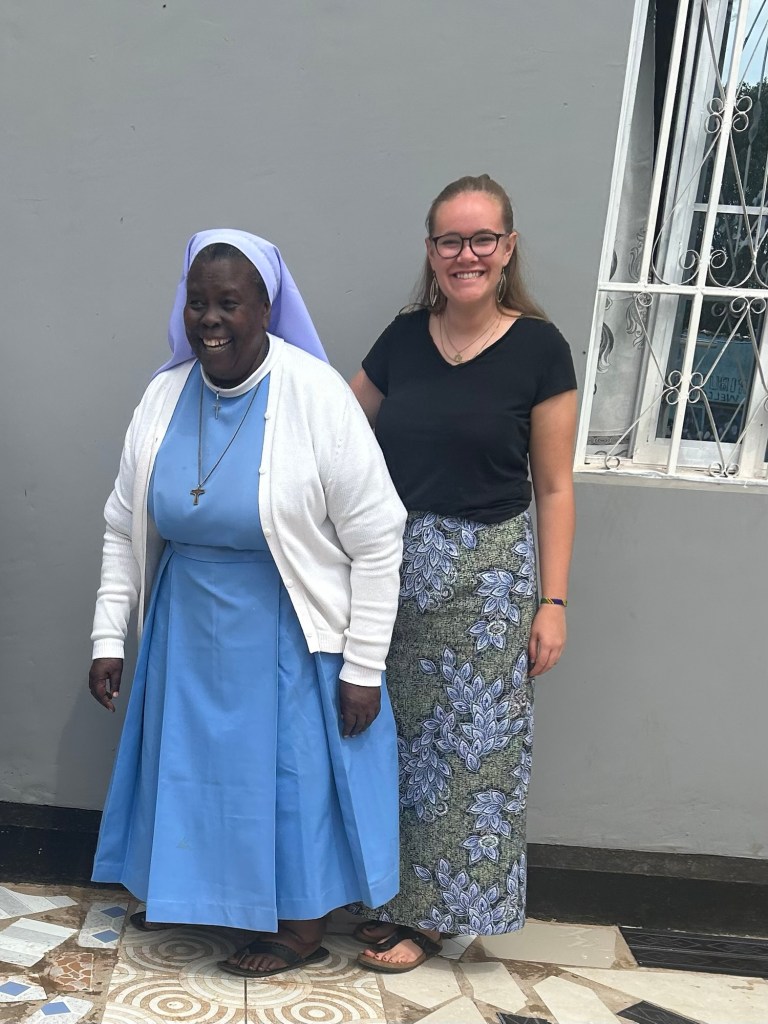
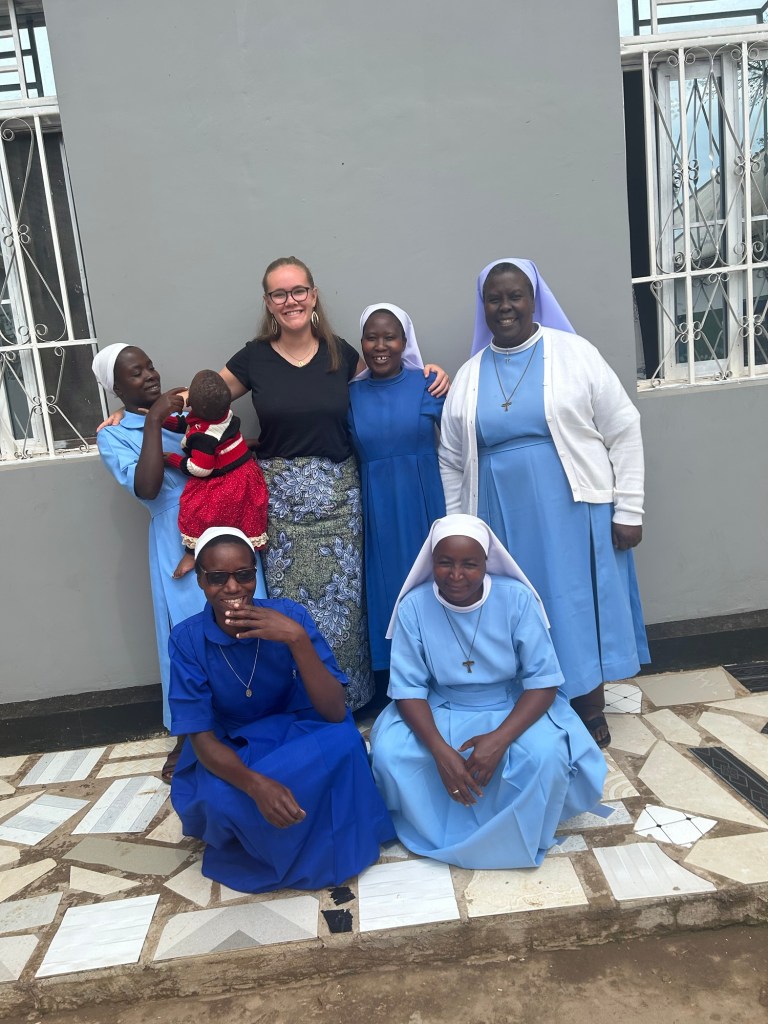
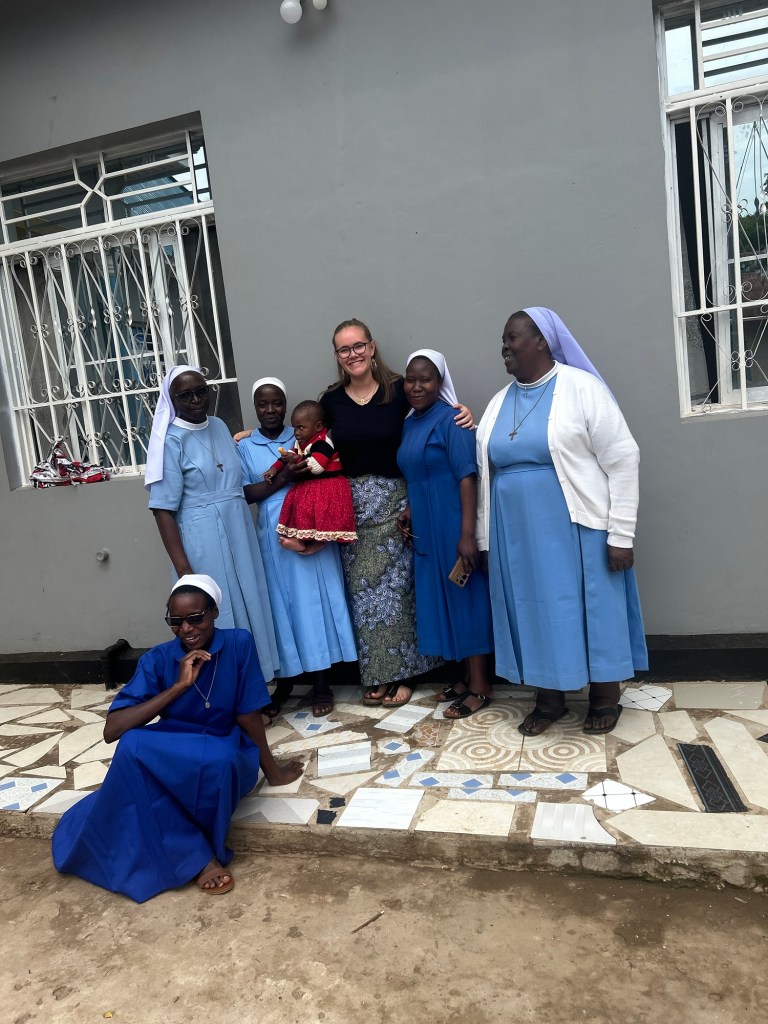
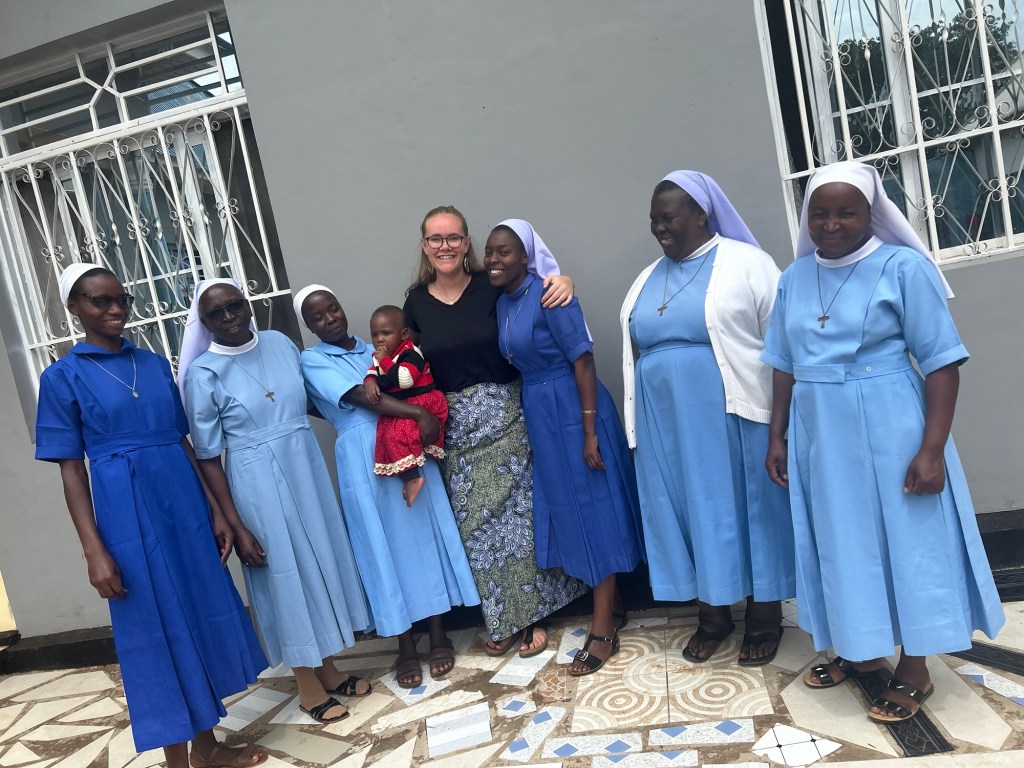
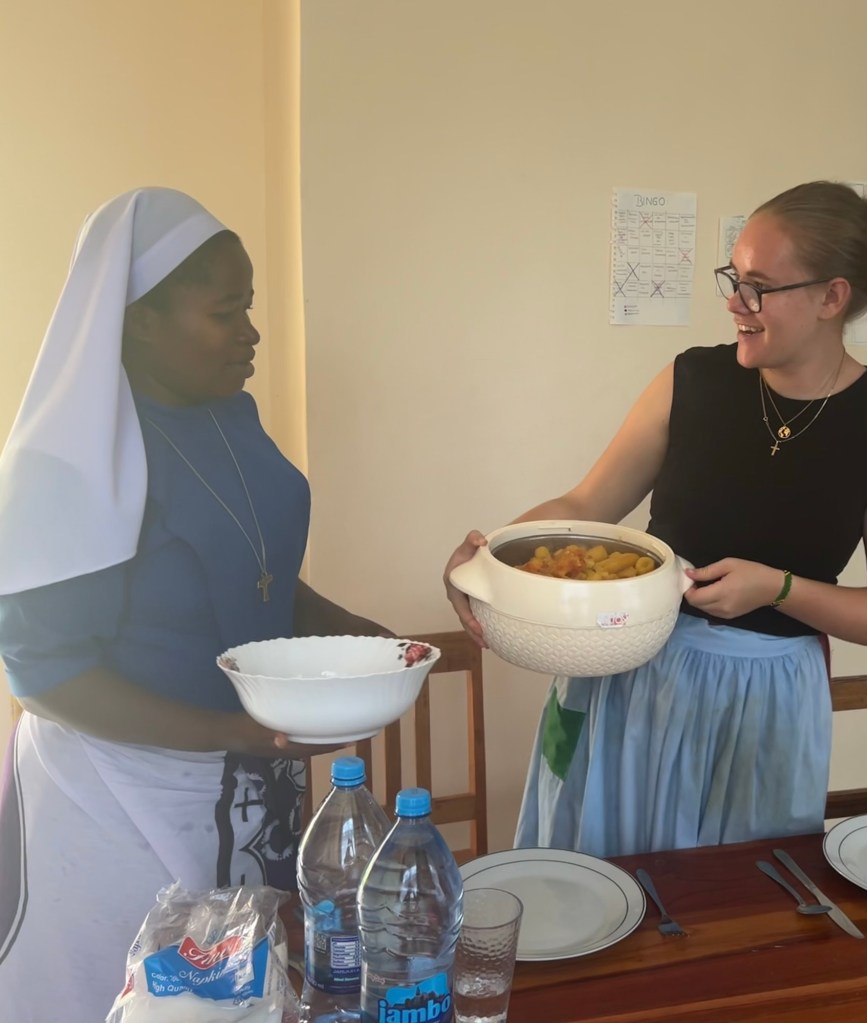
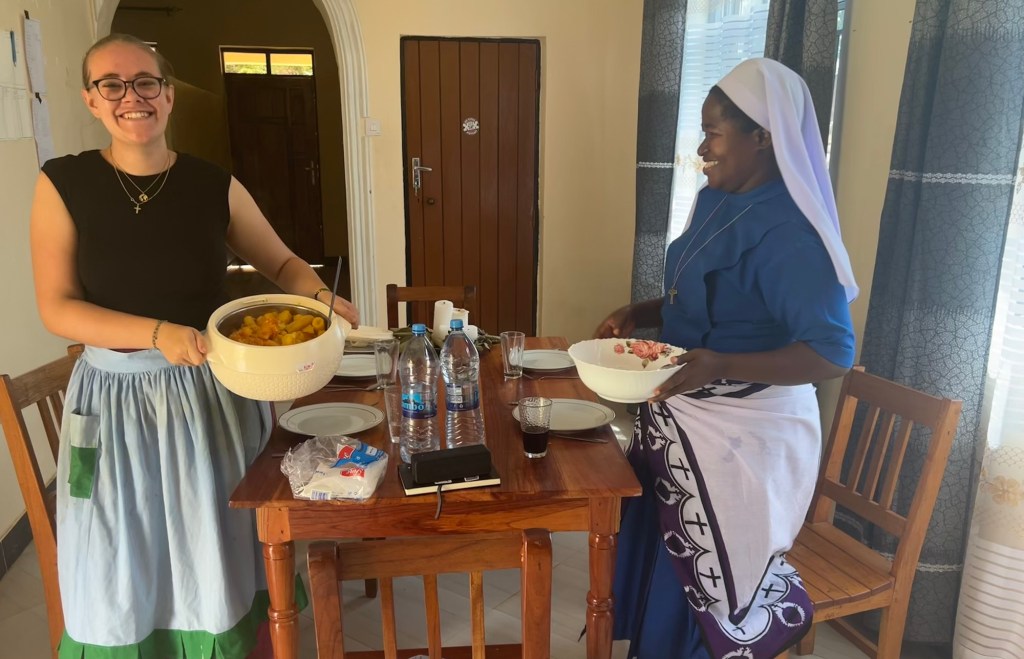
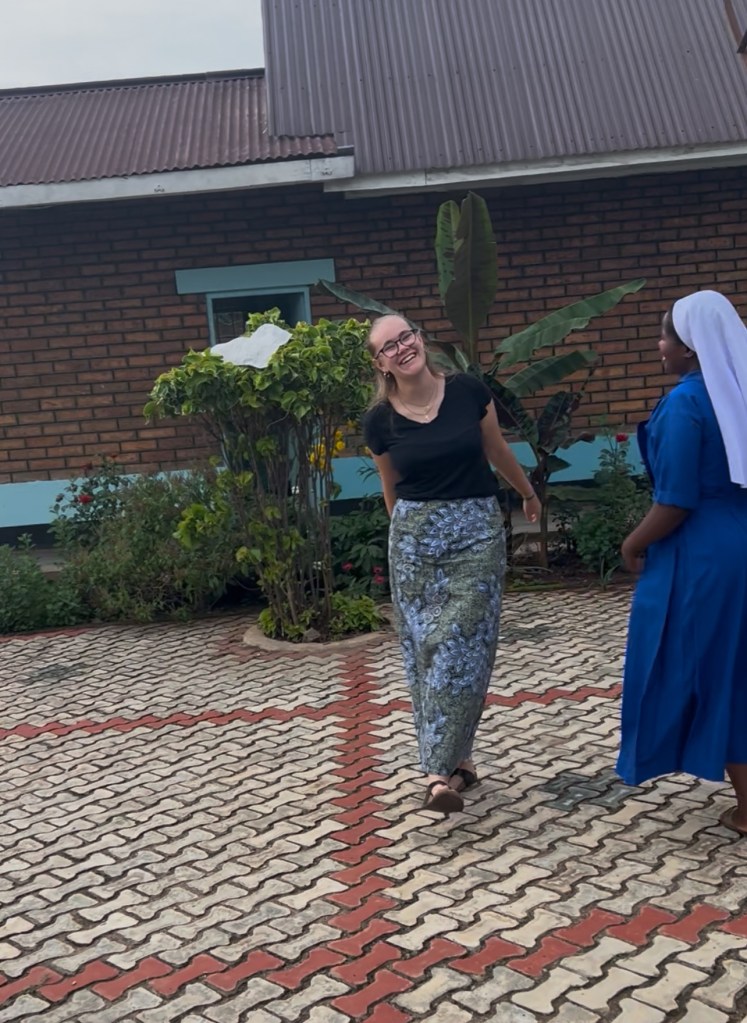
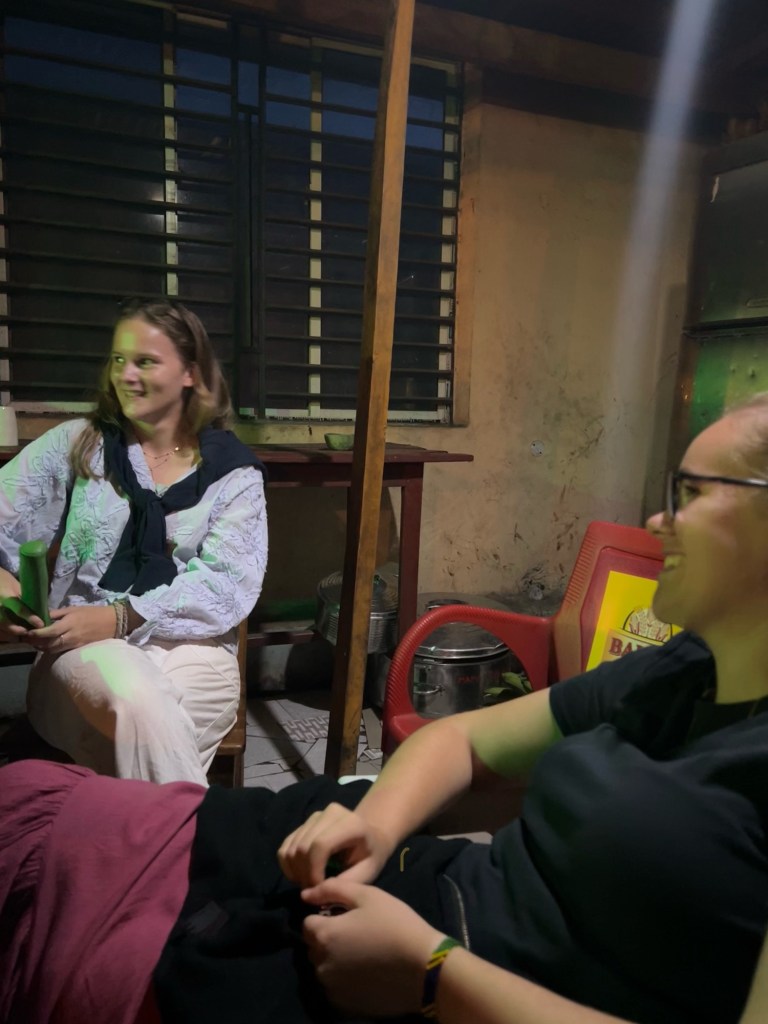
    Aside from work, there were so many wonderful moments in Rulenge again: evenings at the convent with the sisters which are always highlights.

    I worked again with „Kivuko“ together and visited with Martine some households.

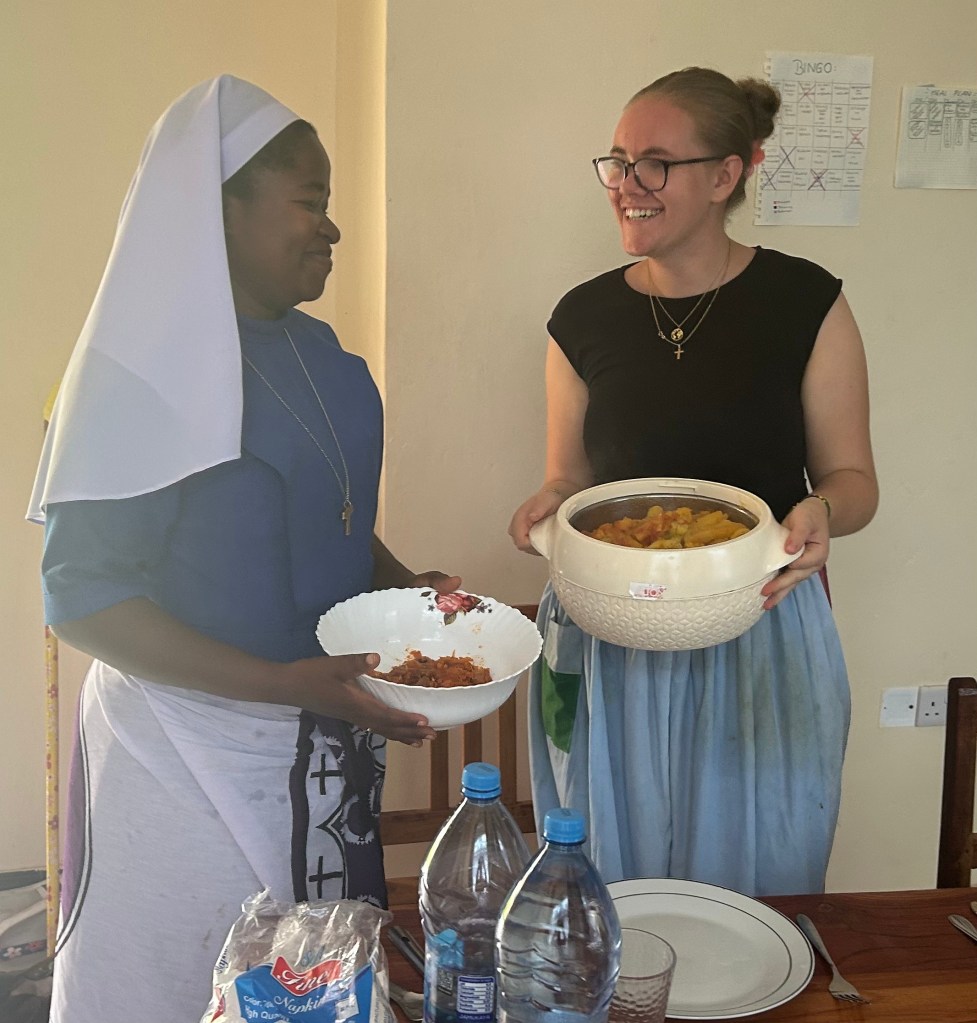
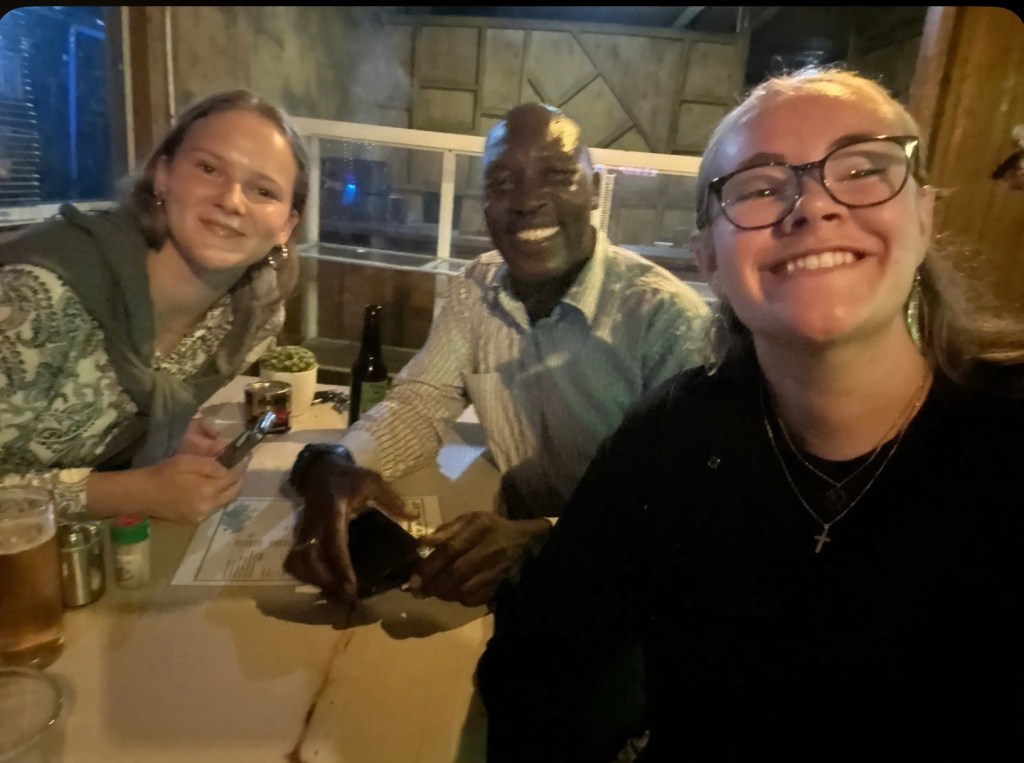
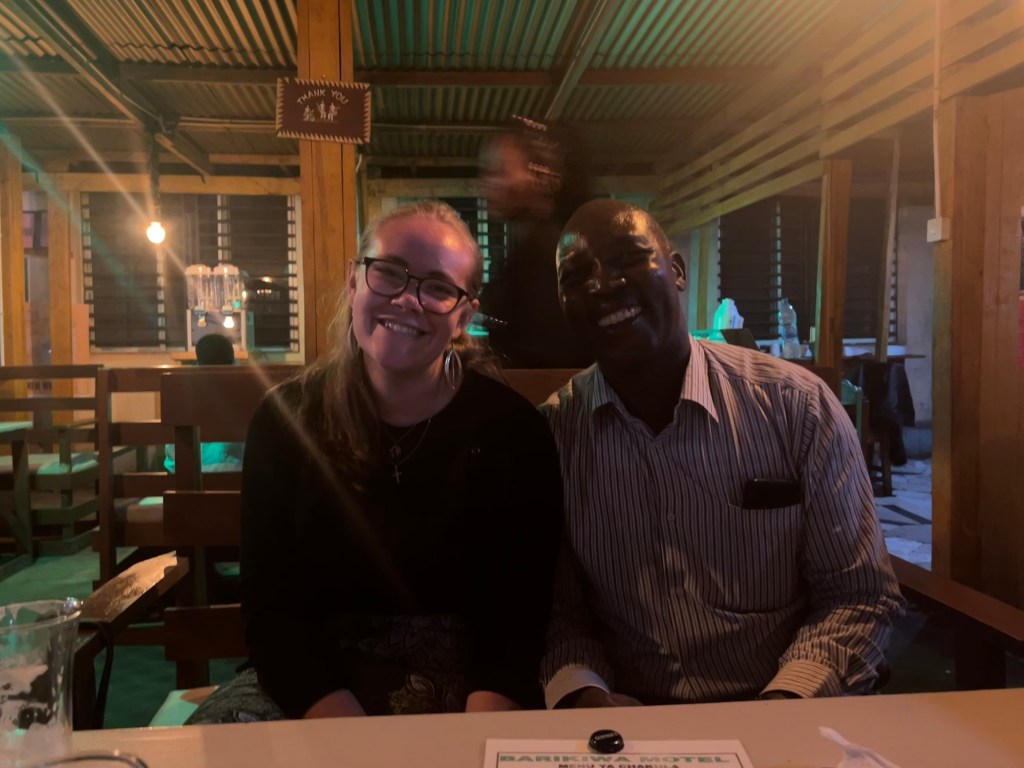
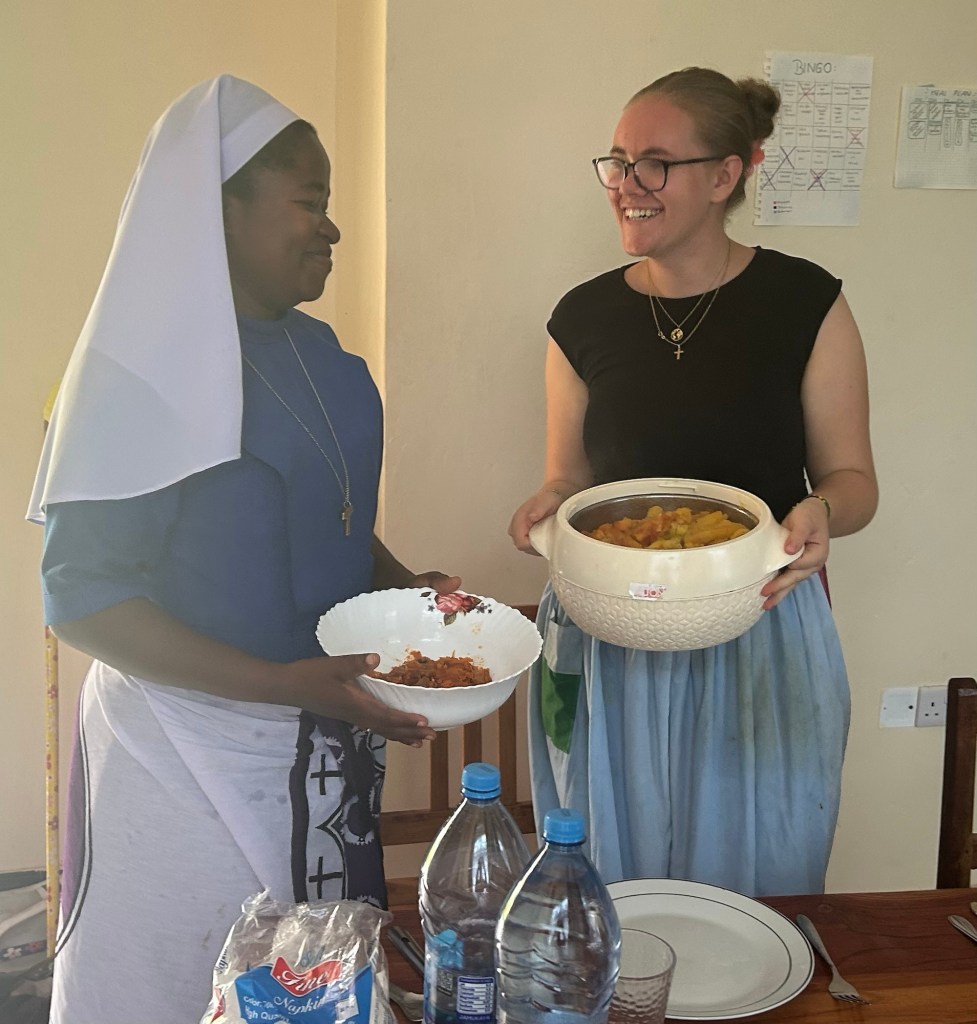
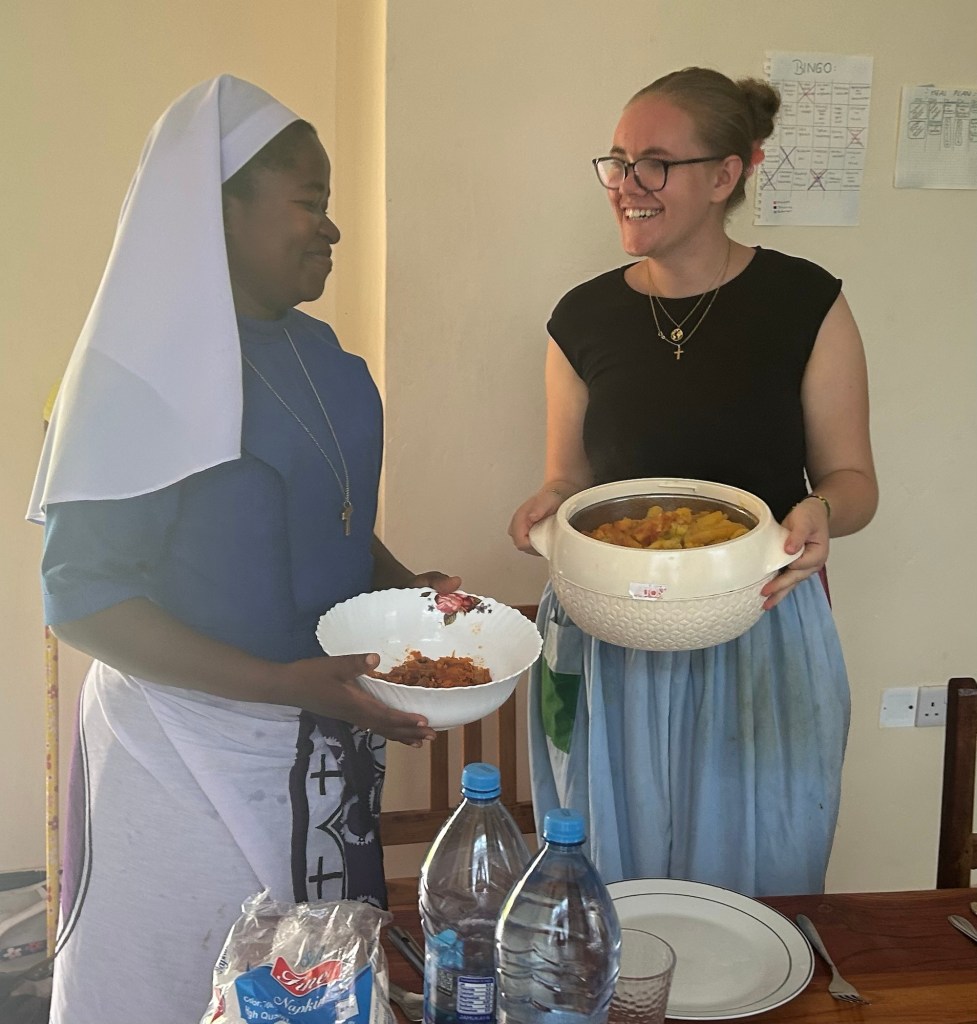
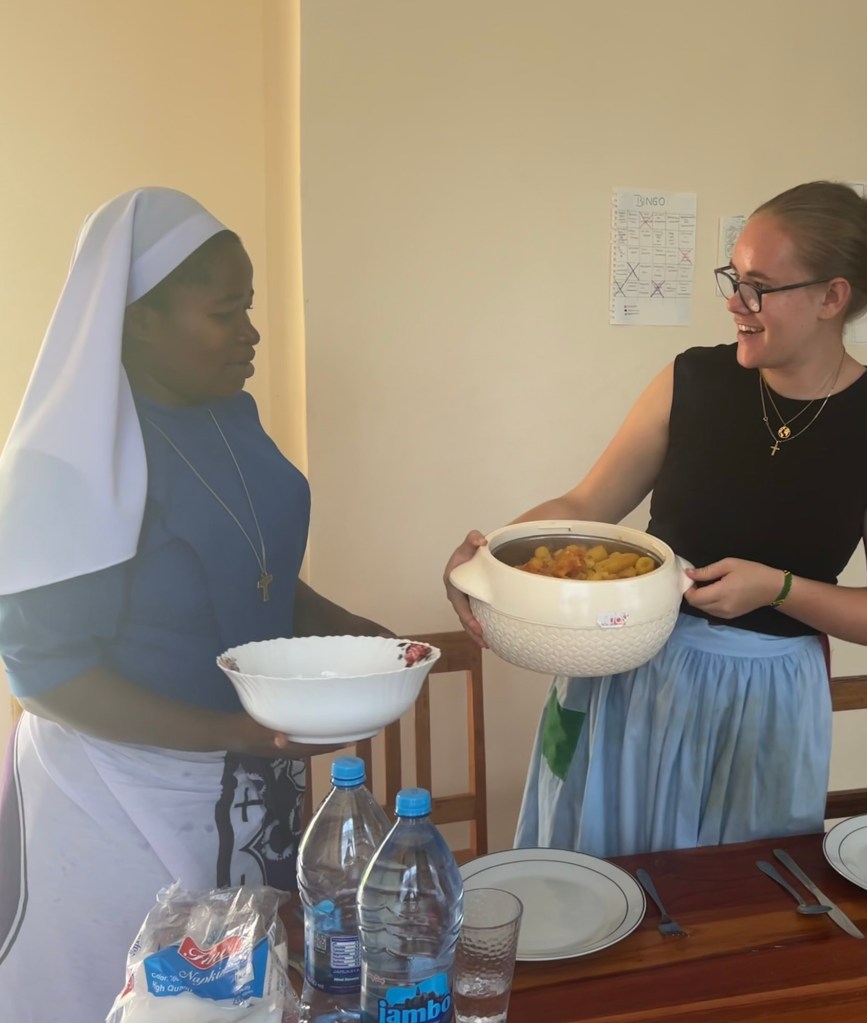
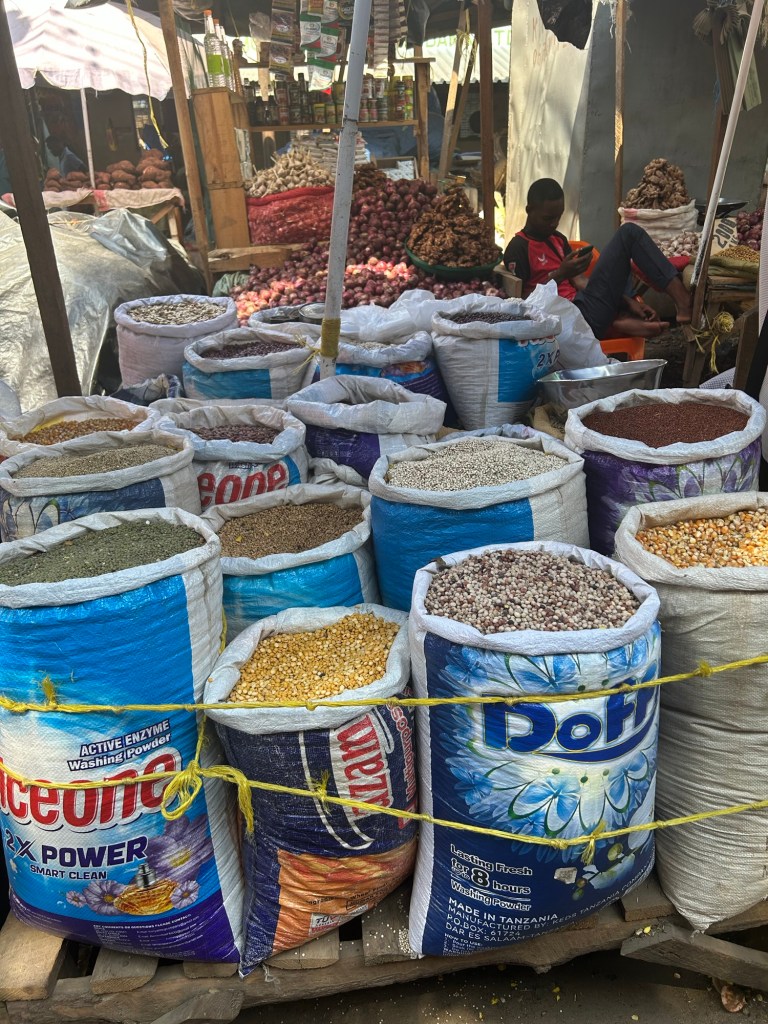
    Cooking with my friends was also a lot of fun. We prepared pilau with meat, danced, I got new Bongo music and simply enjoyed our time together. In general, I spent a lot of time with my friends from, whether just meeting, talking, teaching a friend German😅, or spending afternoons and evenings at Barikiwa, where many of my friends work.
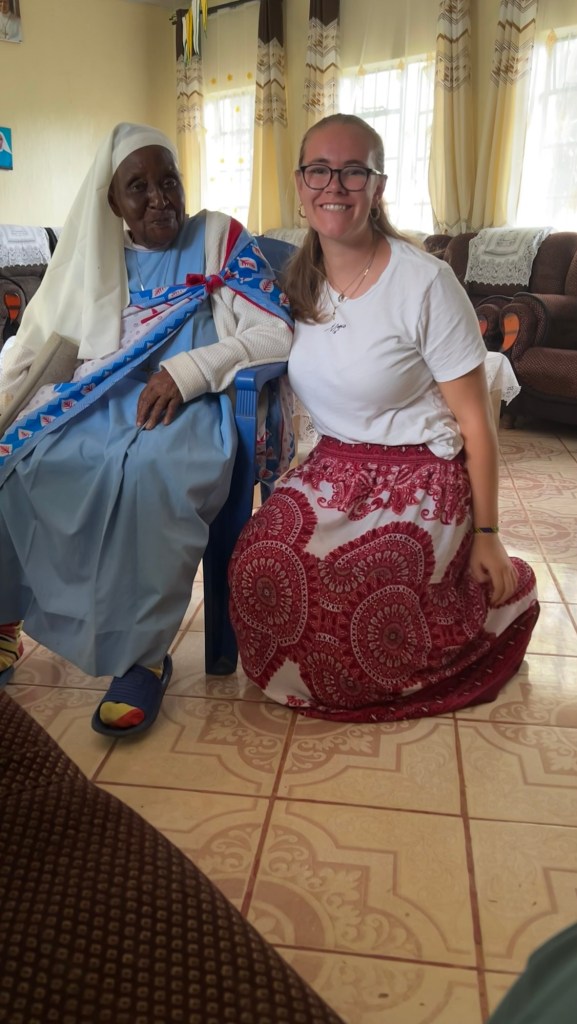
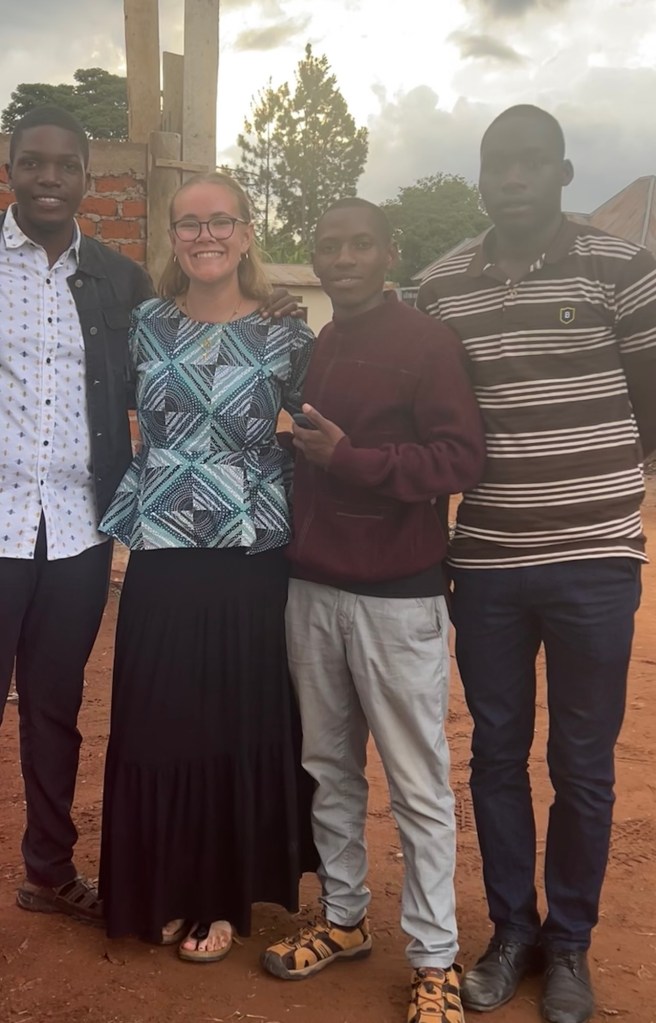
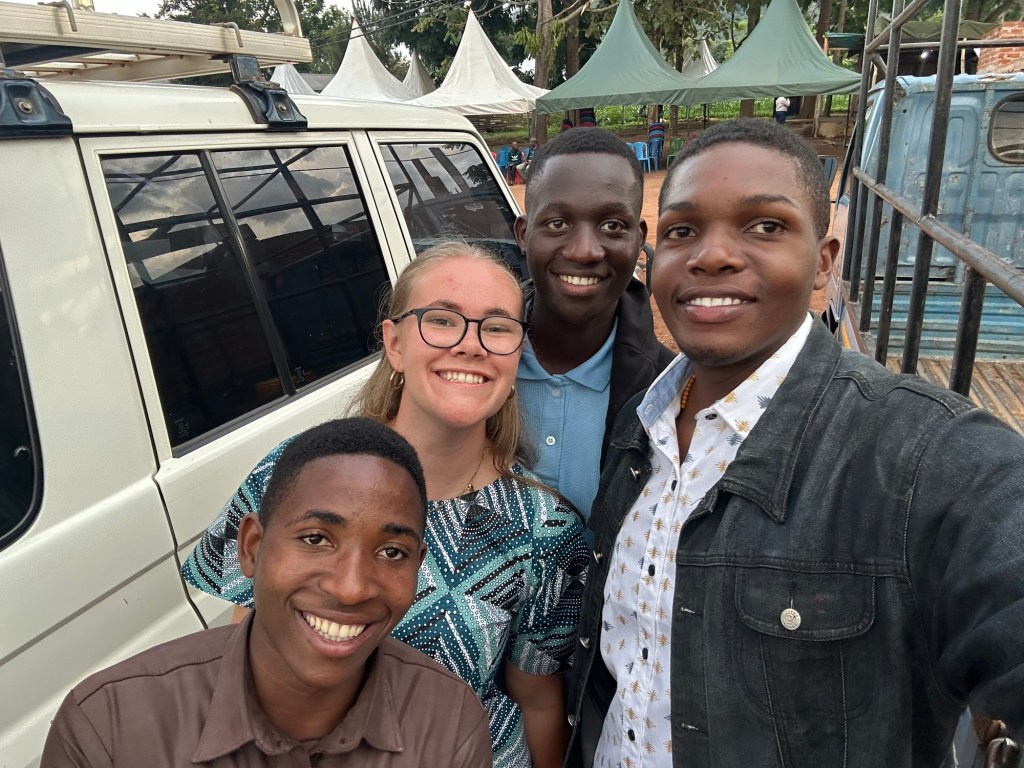
    The time with the seminarians was also very nice. Together, we visited people in the hospital and then the children at Angels Home. It’s simply joyful to be out all together.

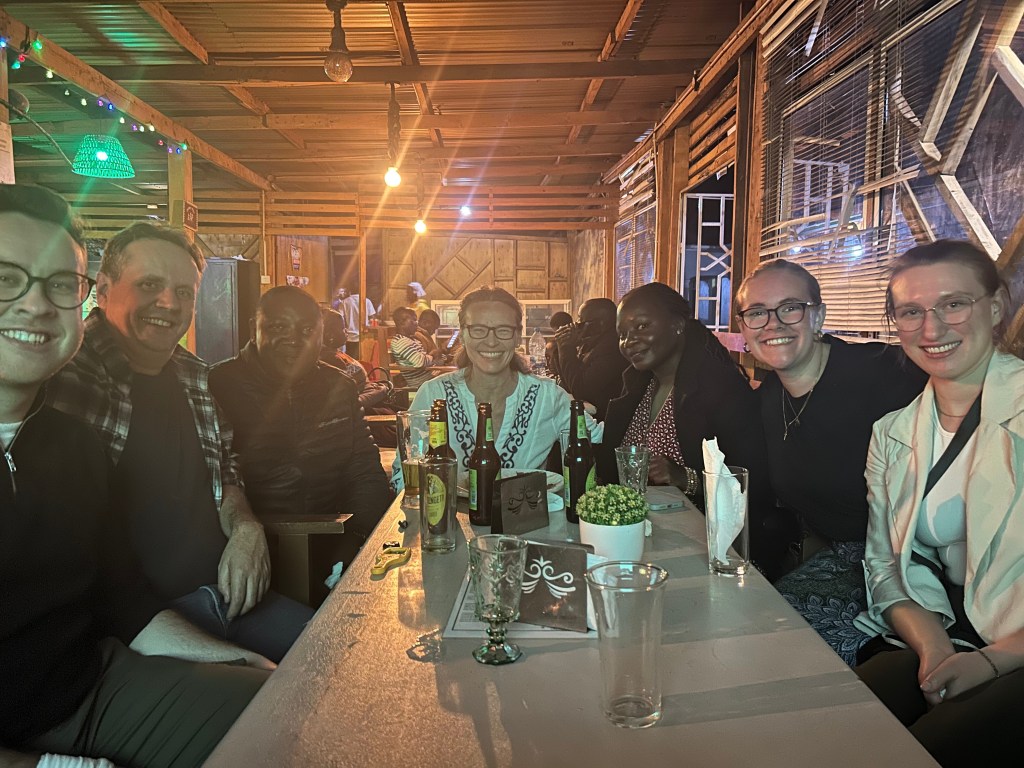
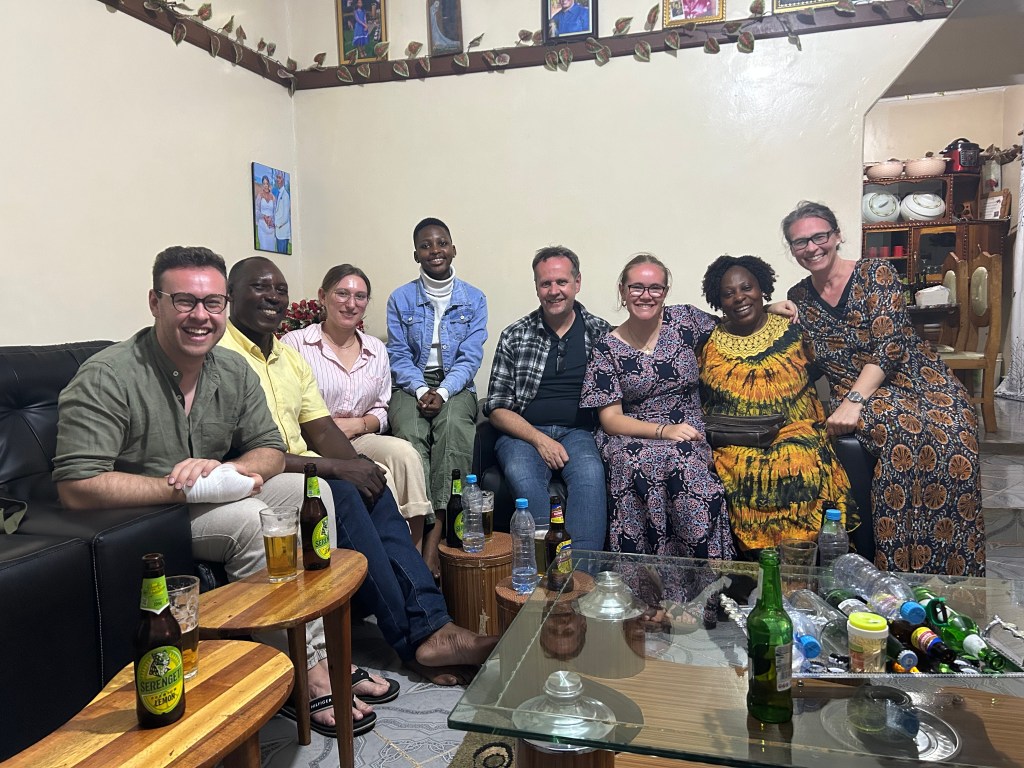
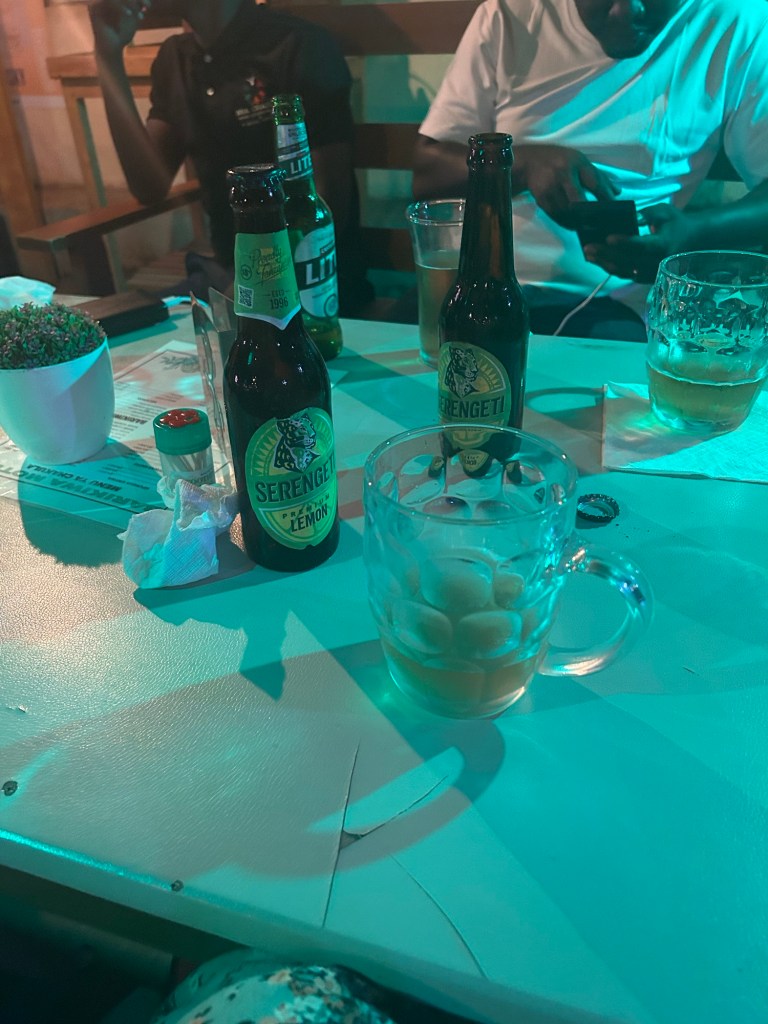
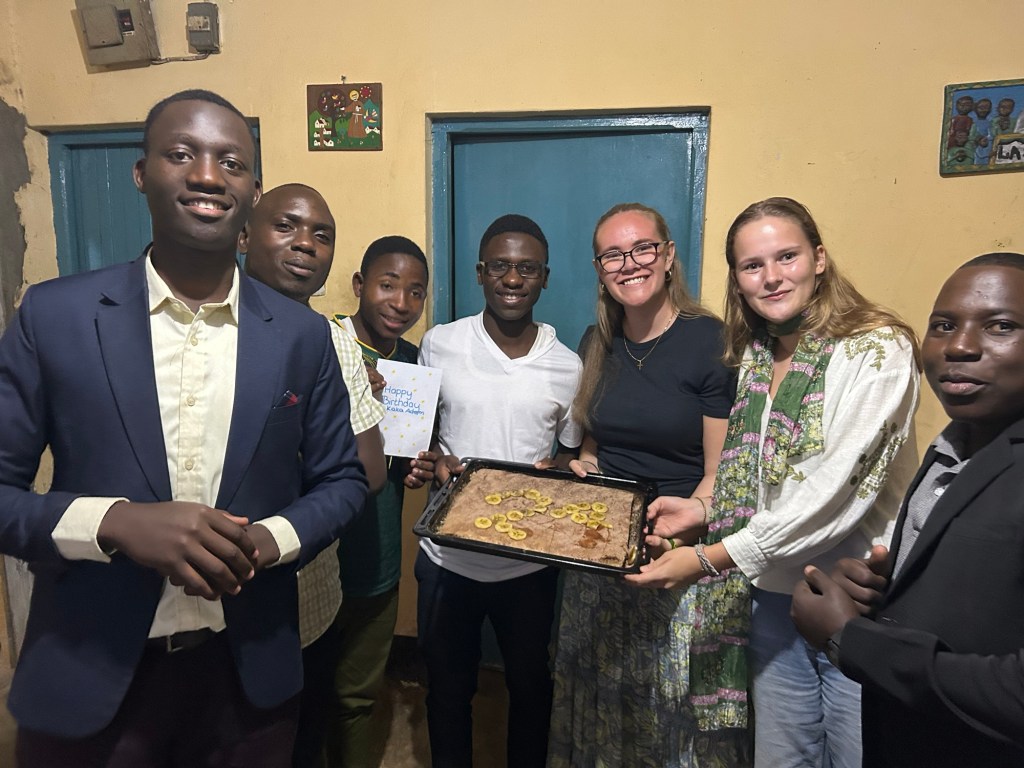
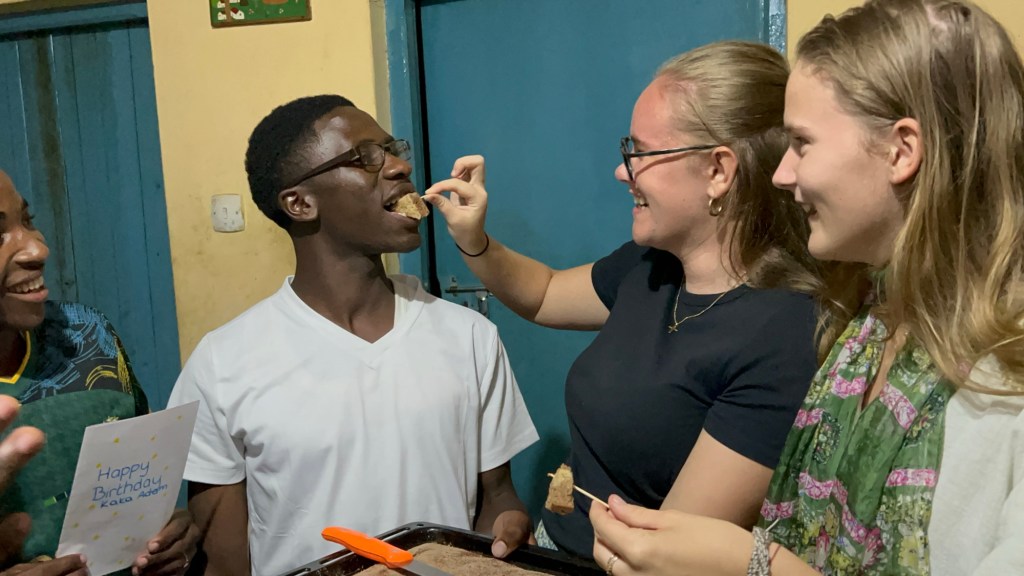
    We also celebrated my mentor’s birthday together, which was a very fun evening. And there I found germany beer, that was very nice though😂
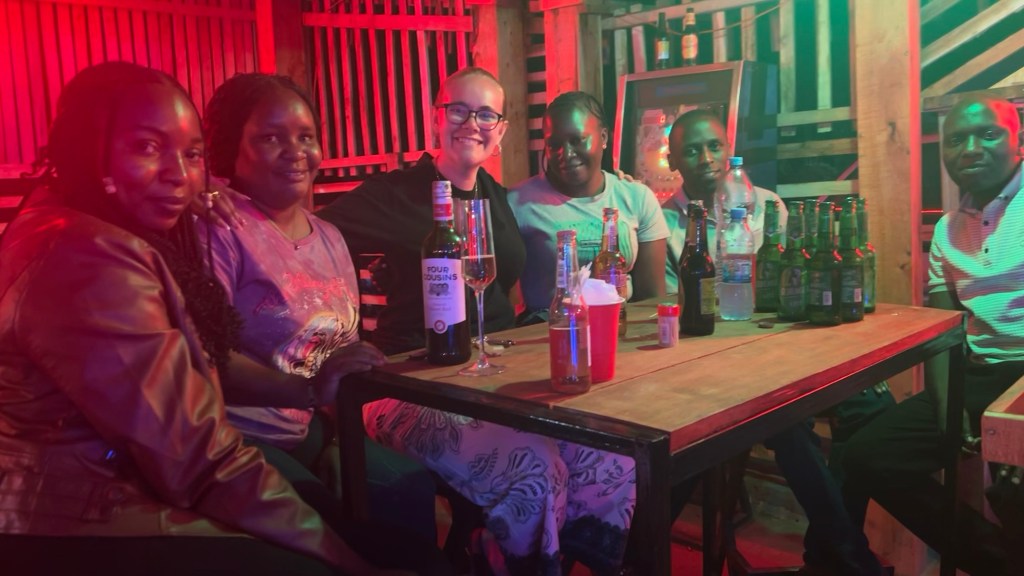
     

    So, as always, a really wonderful month and completely different from all the previous ones. I can only repeat how incredibly happy I am here and how grateful I am for all these experiences. 

    For the past few days, I’ve been working at the hospital to get to know another workplace, and I think this is the best place I’ve ever experienced. Wow wow wow. I have no words how happy I am there. It’s a completely different kind of learning than I’ve known so far, the people around me are incredible, and the work enriches me immensely. I really love this place, and I want to learn, see and explore as much as I can. Luckily, I have the best supporter by my side.🙏

    So much that it’s also influencing my study decisions after my volunteer year in a very different direction. But all about future, hospital work and what’s going on in March I’ll talk about it in the next blog post😉

    Sooo, stay healthy, take care of yourselves, enjoy the beautiful weather, and feel hugged😘

    Lots of love from now warm Rulenge ❤️


  • 9. Raus aus der Komfortzone, rein ins Leben. Meine größten Learnings bisher

    Hallo ihr Lieben, heute gibt es mal wieder einen etwas anderen Blogpost. Ich möchte mit euch meine größten Learnings teilen, die ich gemacht habe, seitdem ich in Tansania lebe.

    Alles, was ich hier teile, sind keine allgemeinen Fakten, sondern meine ganz persönlichen Erfahrungen, Eindrücke und Gedanken. Ich spreche nur für mich und meinen Alltag hier in Tansania.

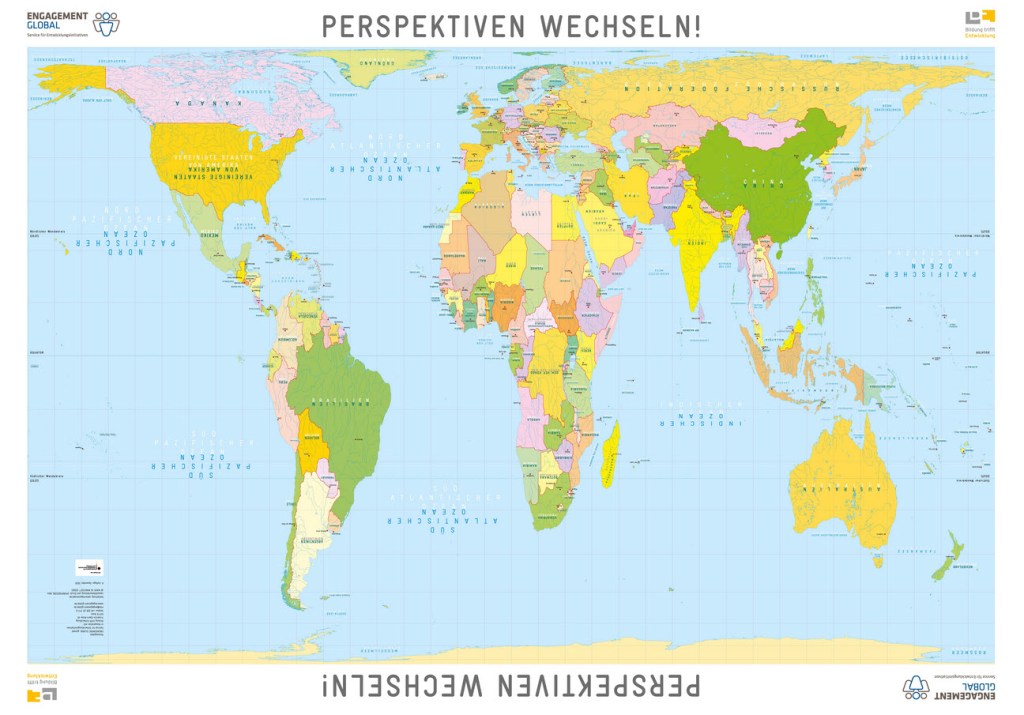
    Seit ich hier lebe, denke ich viel über meinen Alltag nach, über das, was ich wirklich brauche, und darüber, wie sehr meine Sicht auf die Welt von dem geprägt ist, wo ich herkomme. Vieles erschien mir früher selbstverständlich, ohne dass ich es je hinterfragt habe. Genau diese Denkweise verändert sich hier. Nicht in einem einzigen Moment, sondern Schritt für Schritt, durch Beobachtungen, Gespräche und kleine Situationen im Alltag, durch Perspektivwechsel, die manchmal ganz im Unterbewussten beginnen und dann plötzlich sehr präsent werden.

    Ich lerne Stück für Stück die westliche Brille, mit der ich durch die Welt gehe, abzulegen.

    Weniger haben, mehr wertschätzen, mehr leben

    Eines der Dinge, die mich hier besonders beschäftigen, ist unser Verhältnis zu Besitz, Konsum und ständiger Verfügbarkeit. In Deutschland war es für mich völlig normal, zwischen unzähligen Produkten und Marken zu wählen. Die Supermarktregale sind voller Optionen, es gibt ständig Neues und ständig mehr.

    Hier gibt es oft eine einzige Marke. Und davon sehr viel.
    Und irgendwann merkt man; es reicht.

    Dabei geht es nicht um Verzicht, sondern um Wertschätzung.

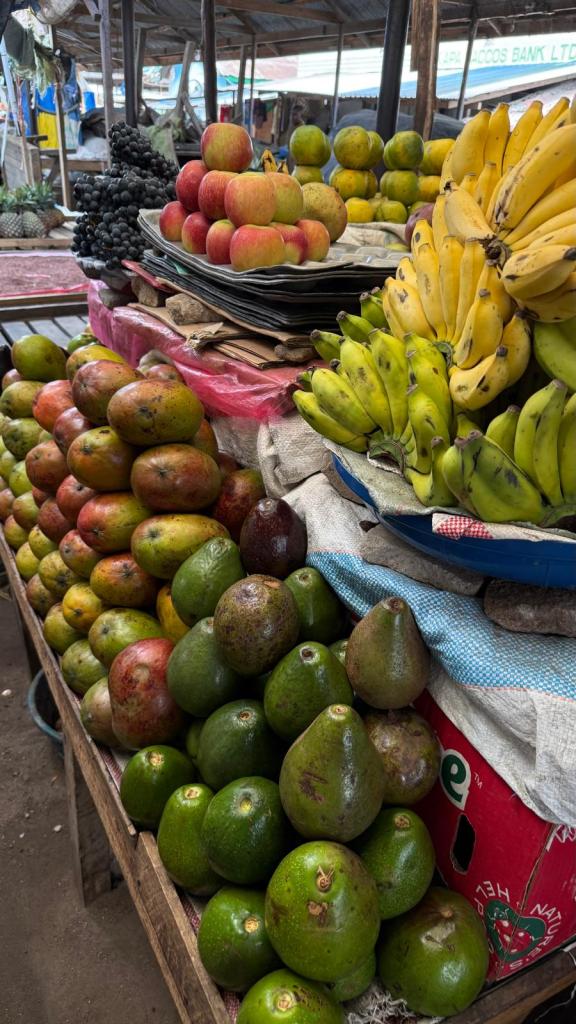
    Das zeigt mir die Mango-Saison ganz besonders. Wenn die Saison da ist, dann sind Mangos überall zu finden. Alle freuen sich und genießen sie bewusst, weil klar ist, dass es sie nur für eine begrenzte Zeit gibt. Und wenn die Saison vorbei ist, dann gibt es eben keine Mangos mehr. Kein Drama, kein Ersatz, kein Import. Man freut sich über andere Dinge und irgendwann wieder über die nächste Mango-Saison.

    Das hat mir gezeigt, wie sehr wir an ständige Verfügbarkeit gewöhnt sind und wie wenig wir Dinge manchmal noch wirklich genießen, gerade weil sie immer da sind.

    Das heißt nicht, dass ich hier alles romantisiere oder so tue, als wäre hier alles leicht. Das ist es nicht. Aber ich merke, wie absurd viel ich in Deutschland besessen habe und wie oft ich dachte, ich bräuchte Dinge, die mich am Ende gar nicht glücklicher gemacht haben. Weniger Auswahl, weniger Konsum und weniger ständige Verfügbarkeit nehmen mir hier nichts weg. Im Gegenteil. Ich nehme Dinge bewusster wahr und genieße, was gerade da ist.

    „Wenn du deine Sicht auf die Dinge änderst, verändern sich auch die Dinge, die du siehst.“ – Wayne Dyer

    Miteinander statt nebeneinander

    Was mich hier besonders berührt, ist die Art, wie Menschen miteinander umgehen. Man begrüßt sich ganz selbstverständlich, schaut sich an, lächelt, fragt nach. Man wird gesehen.

    Niemand läuft hier mit Kopfhörern durch den Alltag. Wenn Musik läuft, dann für alle. Man ist präsenter, ansprechbarer und mehr miteinander verbunden. Für mich fühlt sich das oft ungewohnt an, aber gleichzeitig unglaublich nah und warm.

    Gastfreundschaft ist hier nichts Besonderes, sie ist einfach da. Und zwar immer 100% echt! Hier ist es ganz normal, dass man sich gegenseitig einlädt, dass Essen, Zeit und Geld miteinander geteilt werden und dass das alles ohne viel Nachdenken passiert. Auch wenn sie schon wenig haben, teilen sie das, was sie noch haben. Unterstützung ist hier nicht einfach nur ein leeres Wort, sondern gelebter Alltag! Auch ich erlebe das hier jeden Tag: Ich werde sehr oft einfach überall mithingenommen und darf teilhaben an Familien, Gesprächen und am tagtäglichen Leben. Ich gehöre einfach dazu, ohne etwas leisten oder beweisen zu müssen. Dieses Miteinander hat mir gezeigt, wie sehr mein Alltag in Deutschland von Individualismus geprägt war, ohne dass ich mir dessen früher bewusst war.

    Sprache

    Ein Punkt, der mich weiterhin besonders fasziniert, ist die Sprache. Kiswahili hat mir gezeigt, wie viel Werte, Haltung und Denken in Worten stecken können.

    Im Deutschen oder Englischen, sage ich „Danke“, dann antwortet mein Gegenüber mit „Bitte“.

    Im Kiswahili sage ich „Danke“ und mein Gegenüber sagt: „Danke, dass du dich bedankst“

    Der Unterschied wirkt auf den ersten Blick vielleicht klein, aber ich finde er sagt unglaublich viel über gegenseitige Wertschätzung aus.

    Und sobald ich Kiswahili spreche, passiert etwas bei den Menschen: Türen öffnen sich, Menschen lachen, helfen sofort, nehmen mich mit. Nicht, weil ich perfekt spreche, sondern weil ich es versuche, und das freut alle immer sofort. Mich natürlich mit am meisten.

    Und sogar meine Fehler sorgen für Freude, wenn ich aus Versehen erzähle, ich hätte mich in Ziegen verliebt oder sage, ich hätte heute zum Mittagessen das Caritas-Büro gegessen.😂

    Vielfalt statt Einheitsbild

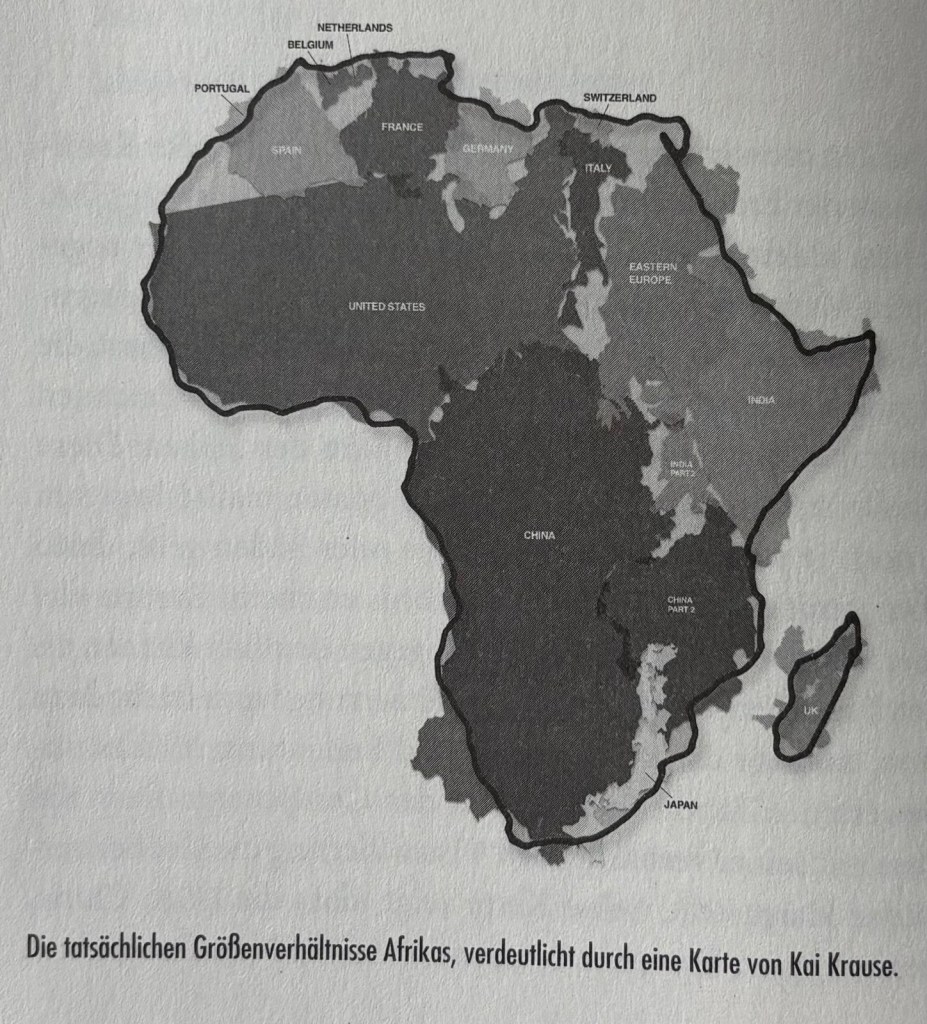
    Ein weiteres großes Learning für mich ist die unglaubliche Vielfalt. Afrika wird oft als ein Land wahrgenommen, dabei ist es ein Kontinent mit 54 Ländern, tausenden Kulturen und über 3.000 Sprachen.

    Allein Tansania vereint über 100 Sprachen und mehr als 130 ethnische Gruppen. Innerhalb eines einzigen Landes wechseln Landschaften, Traditionen und Lebensweisen ständig, was mir besonders auf der Safari noch einmal bewusst geworden ist.

    Deshalb stören mich Fragen wie „Na, wie ist es da unten in Afrika so?“ Ich würde schließlich auch nie fragen: „Wie ist es da oben in Europa so?“

    Häufig gehen wir von „einem homogenen Afrika“ aus oder sagen Dinge, wie „Das ist typisch Afrika“. Jedoch ist hier wirklich nichts homogen und ganz besonders: nichts ist typisch Afrika. Afrika ist wahrscheinlich sogar der vielfältigste Kontinent überhaupt und das gerät leider schnell in Vergessenheit. Diese Vielfalt hier zu erleben, hat mir gezeigt, wie sehr vereinfachte Bilder unsere Wahrnehmung prägen und wie wichtig es ist, sie immer wieder zu hinterfragen.

    „Wir sehen die Dinge nicht so, wie sie sind, sondern so, wie wir sind.“ – Anaïs Nin

    Vorurteile gegenüber des Weltfreiwilligendienstes

    Im Laufe meines Freiwilligendienstes bin ich immer wieder mit Vorurteilen konfrontiert worden, z.B. dass ich hier bin, um zu helfen, Probleme zu lösen oder etwas zu retten. Das entspricht aber nicht meiner Realität.

    Ich arbeite mit Menschen, nicht für sie. Die Projekte werden seit Jahren von den Menschen vor Ort getragen. Meine Rolle ist es zuzuhören, zu unterstützen und mitzuarbeiten, wo ich kann und vor allem zu lernen, und nicht zu belehren oder über jemandem zu stehen. Als ich neulich eine Schwester fragte, ob ich noch eine andere Arbeitsstelle kennenlernen darf, sagte sie zu mir: „Joana, geh raus, entdecke alles und lerne.“ Genau darum geht es!

    Ich bringe meine Perspektive und mein Wissen ein, aber ich kann keine Systeme verändern. Echte, nachhaltige Veränderung braucht Zeit und ist nicht die Aufgabe eines/r Freiwilligen. Das zu akzeptieren war und ist ebenfalls eines meiner größten Learnings.

    Abschluss Gedankenanstoß

    Wenn ich zum Schluss noch einen Gedanken loswerden darf, dann diesen: Vielleicht lohnt es sich, öfter bewusst die eigene westliche Brille abzusetzen. Nicht um alles zu idealisieren oder zu romantisieren, sondern um zu merken, wie sehr unsere Sicht auf die Welt von dem geprägt ist, was wir kennen und wie oft wir unsere westlichen Ideen anderen Kulturen „überstülpen“ wollen, ohne zu merken, dass das gar nicht angebracht ist. Ausländer:innen in Deutschland würden ja auch nicht einfach hergehen und sagen: „Wir machen das jetzt so wie in meinem Heimatland.“ Kulturen und Systeme sind verschieden und das ist auch gut so!

    Ich lerne gerade, geduldiger zu sein, weniger zu bewerten, dankbar zu sein und die kleinen Dinge bewusster wahrzunehmen. Ich merke, wie sehr Gewohnheiten und Erwartungen unsere Wahrnehmung bestimmen und wie befreiend es sein kann, manches loszulassen. Nicht alles muss schnell gehen. Nicht alles muss nach Plan laufen. Nicht alles muss optimiert werden. Nicht alles muss perfekt sein. Nicht alles muss so sein, wie wir es gewohnt sind.

    Mich berührt immer wieder, wie selbstverständlich hier geteilt, unterstützt und miteinander gelebt wird. Das hinterfragt meine eigene Vorstellung von Glück und dem, was wirklich zählt, und hilft mir, die kleinen Momente wieder mehr zu genießen.

    Vielleicht könnt ihr davon etwas mit in euren Alltag nehmen. Ein Lächeln am Morgen, ein netter Gruß, eine herzliche Einladung. Es kostet nichts, aber macht unglaublich glücklich!!

    Ganz liebe Grüße aus Tansania❤️

    Joana

    „Die kleinste Veränderung der Perspektive kann ein ganzes Leben verändern.“ Oprah Winfrey

  • 9. Out of your comfort zone, into life. My biggest learnings so far

    Hello my dears,

    Today’s blog post is a little different again. I would like to share with you the most important lessons I have learned since moving to Tanzania.

    Everything I share here is not general facts, but my own personal experiences, impressions and thoughts. I speak only for myself and my everyday life here in Tanzania.

    Since I’ve been living here, I’ve been thinking a lot about my everyday life, about what I really need, and about how much my view of the world is shaped by where I come from. Many things used to seem self-evident to me, without me ever questioning them. It is precisely this way of thinking that is changing here. Not in a single moment, but step by step, through observations, conversations and small situations in everyday life, through changes in perspective that sometimes begin completely subconsciously and then suddenly become very present.

    Bit by bit, I am learning to take off the Western glasses through which I view the world.

    Have less, appreciate more, live more

    One of the things that particularly concerns me here is our relationship with possessions, consumption and constant availability. In Germany, it was completely normal for me to choose between countless products and brands. Supermarket shelves are full of options, there is always something new and always more.

    Here, there is often only one brand. And a lot of it.

    And at some point, you realise that enough is enough.

    It’s not about doing without, but about appreciation.

    The mango season shows me this particularly well. When the season is here, mangoes are everywhere. Everyone is happy and enjoys them consciously because it’s clear that they are only available for a limited time. And when the season is over, there are no more mangoes. No drama, no substitutes, no imports. People enjoy other things and eventually look forward to the next mango season.

    This showed me how accustomed we are to constant availability and how little we sometimes really enjoy things precisely because they are always there.

    That doesn’t mean I’m romanticizing everything here or pretending that everything is easy. It’s not. But I realize how absurdly much I owned in Germany and how often I thought I needed things that didn’t make me any happier in the end. Less choice, less consumption, and less constant availability don’t take anything away from me here. On the contrary. I perceive things more consciously and enjoy what is there at the moment.

    “When you change your view of things, the things you see also change.” – Wayne Dyer

    Together instead of side by side

    What particularly touches me here is the way people interact with each other. They greet each other as a matter of course, look at each other, smile, ask how they are doing. You are seen.

    No one here goes about their daily business wearing headphones. If music is playing, it’s for everyone. People are more present, more approachable, and more connected to each other. For me, this often feels unfamiliar, but at the same time incredibly close and warm.

    Hospitality is nothing special here, it’s just there. And it’s always 100% genuine! Here, it’s completely normal to invite each other over, to share food, time, and money, and to do so without giving it much thought. Even if they don’t have much, they share what they do have. Support isn’t just an empty word here, it’s part of everyday life! I experience this every day: I am often taken along everywhere and allowed to participate in family life, conversations, and everyday activities. I simply belong, without having to achieve or prove anything. This togetherness has shown me how much my everyday life in Germany was shaped by individualism, without me being aware of it before.

    Language

    One thing that continues to fascinate me is language. Kiswahili has shown me how much value, attitude, and thought can be contained in words.

    In German or English, when I say “thank you,” the other person responds with “you’re welcome.”

    In Kiswahili, I say “thank you” and the other person says, “Thank you for saying thank you.”

    At first glance, the difference may seem small, but I think it says a lot about mutual appreciation.

    And as soon as I speak Kiswahili, something happens to people: doors open, people laugh, help me immediately, take me with them. Not because I speak perfectly, but because I try, and that always makes everyone happy right away. Me most of all, of course.

    And even my mistakes bring joy when I accidentally say that I fell in love with goats or that I ate the Caritas office for lunch today.😂

    Diversity instead of uniformity

    Another big lesson for me is the incredible diversity. Africa is often perceived as a single country, but it is actually a continent with 54 countries, thousands of cultures, and over 3,000 languages.

    Tanzania alone has over 100 languages and more than 130 ethnic groups. Within a single country, landscapes, traditions, and ways of life are constantly changing, which I realized once again on safari.

    That’s why questions like “So, what’s it like down there in Africa?” bother me. After all, I would never ask, “What’s it like up there in Europe?”

    We often assume that Africa is homogeneous or say things like “That’s typical Africa.” However, nothing here is really homogeneous, and especially nothing is typical of Africa. Africa is probably the most diverse continent of all, and unfortunately, this is quickly forgotten. Experiencing this diversity here has shown me how simplified images shape our perception and how important it is to question them again and again.

    “We don’t see things as they are, but as we are.” – Anaïs Nin

    Prejudices against international volunteer service

    During my volunteer service, I have repeatedly been confronted with prejudices, e.g., that I am here to help, solve problems, or save something. But that is not my reality.

    I work with people, not for them. The projects have been supported by local people for years. My role is to listen, support, and collaborate where I can, and above all to learn, not to lecture or stand above anyone. When I recently asked a sister if I could get to know another workplace, she said to me, “Joana, go out, discover and learn.” That’s exactly what it’s all about!

    I contribute my perspective and my knowledge, but I cannot change systems. Real, sustainable change takes time and is not the job of a volunteer. Accepting that was and still is one of my biggest lessons.

    Final thoughts

    If I may conclude with one final thought, it would be this: perhaps it is worthwhile to consciously remove our Western lens more often. Not to idealize or romanticize everything, but to recognize how much our view of the world is shaped by what we know and how often we want to impose our Western ideas on other cultures without realizing that this is not appropriate. Foreigners in Germany wouldn’t just go around saying, “We’re going to do it the way we do it in my home country.” Cultures and systems are different, and that’s a good thing!

    I am currently learning to be more patient, to judge less, to be grateful, and to be more aware of the little things. I realize how much habits and expectations determine our perception and how liberating it can be to let go of some things. Not everything has to happen quickly. Not everything has to go according to plan. Not everything has to be optimized. Not everything has to be perfect. Not everything has to be the way we are used to it being.

    I am always touched by how naturally people share, support, and live together here. It challenges my own idea of happiness and what really matters, and helps me enjoy the little moments more again.

    Maybe you can take some of this with you into your everyday life. A smile in the morning, a friendly greeting, a warm invitation. It costs nothing, but makes you incredibly happy!

    Warm regards from Tanzania❤️

    Joana

    “The smallest change in perspective can change your whole life.” Oprah Winfrey

  • 8. Mein Januar in Tansania

    Hallo ihr Lieben,

    Im letzten Blogpost habe ich schon angekündigt, dass bald der ausführliche Bericht über meinen Januar kommt. Und ehrlich gesagt hätte dieses Jahr kaum besser starten können. Wowwww. Was für ein unglaublicher Monat. Diesmal wird es viele Bilder geben, damit ihr hautnah miterleben könnt, wie besonders diese Zeit war.😍

    Die ersten Tage begannen schon perfekt: Ich habe viel Zeit im Angels Home verbracht, bei meinen Freunden und zusammen mit Sister Macrina tansanisch gekocht.

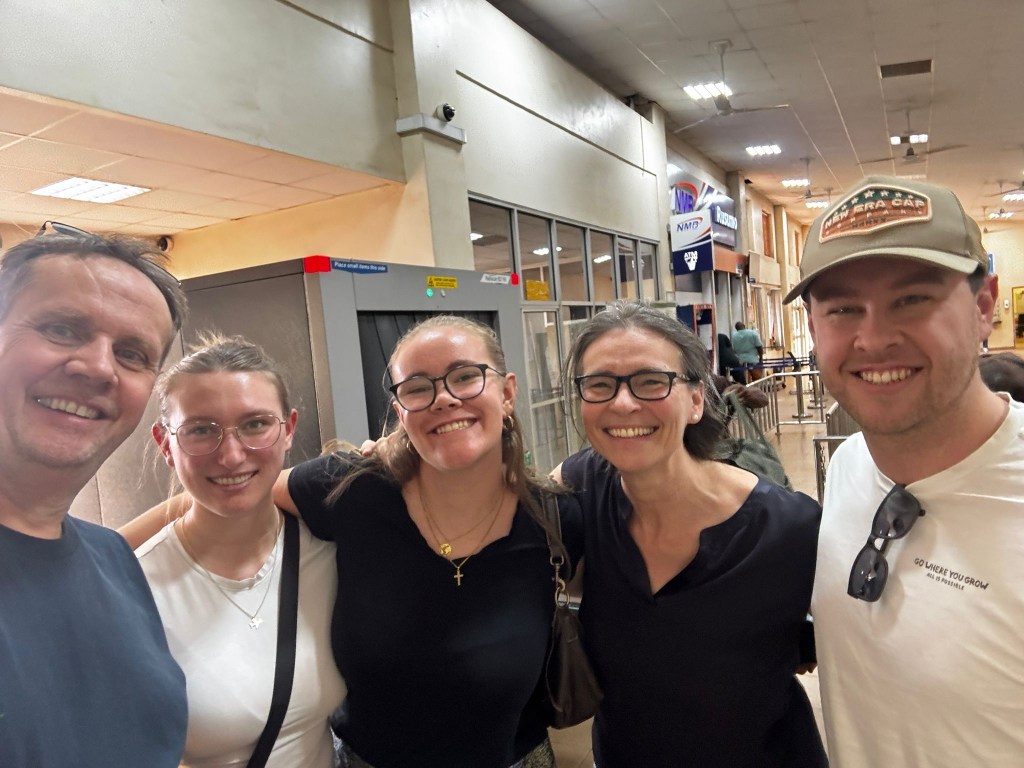
    Dann begann die Vorbereitung auf den Besuch meiner Familie (Mama, Papa, Bruder und die Freundin meines Bruders). Die Aufregung hielt sich lange in Grenzen, bis auf die letzten zwanzig Minuten vor dem großen Wiedersehen. Ich erinnere mich noch genau, wie wir den Fahrer meiner Eltern anriefen, weil so viel Stau war, und plötzlich standen sie da, auf der anderen Straßenseite, stiegen aus dem Auto und waren einfach da. Es fühlte sich unwirklich und gleichzeitig unglaublich vertraut an.

    Visum abholen in Rusumo (Grenze Tansania-Ruanda)

    Nach vielen Umarmungen ging es gemeinsam zum Immigration Office, um ihre Visa abzuholen und danach nach Kasulo zum Mittagessen. Dort trafen wir Sister Dativa, die Oberin der Schwestern in Rulenge, sowie Sister Thea.

    Ich glaube, genau in diesem Moment hat meine Familie verstanden, was ich mit der großen Gastfreundschaft in Tansania meine: eine überwältigende Herzlichkeit, ganz viel Essen, tiefe Dankbarkeit, dass sie da sind, und wunderschöne Gespräche.

    Und dann hieß es: Abfahrt und ab nach Rulenge. Alle waren echt aufgeregt und ich noch mehr. Da ich ihnen endlich zeigen konnte, wo ich lebe und mit welchen wunderbaren Menschen ich im Dorf zusammen-leben darf. Ich glaube, sie haben sofort verstanden, wieso ich hier so unfassbar glücklich bin.

    Und ich kann nur sagen: Jeder Tag hier in Rulenge war so voll und intensiv und wurde nur noch besser. 😍

    Am ersten Abend sind wir dann noch ins Barikiwa essen gegangen, ich habe ihnen erste Orte gezeigt und sie haben Father Denis (meinen Mentor) kennengelernt.

    Mitbringsel aus Deutschland

    Am Montag ging es zuerst ins Angels Home. Ich habe mich riesig gefreut, meiner Familie meine Einsatzstelle zu zeigen. Die Kinder waren alle auch ganz begeistert und aufgeregt. Besonders spannend fand ich, wie viel Respekt die Kinder meiner Familie zeigten. Zwei Männer dabei und alle deutlich älter als ich.

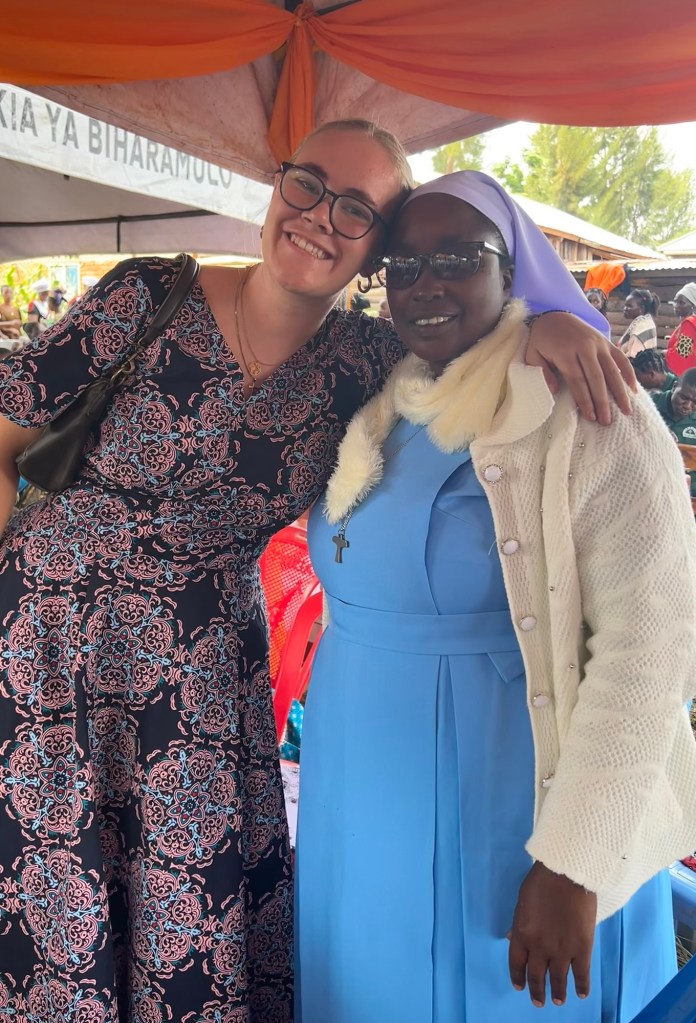
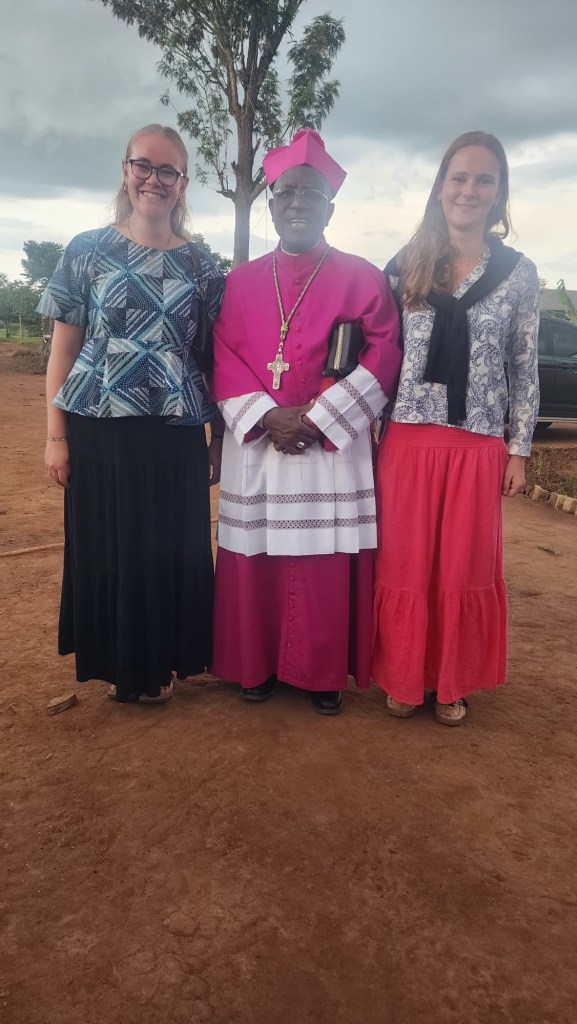
    Danach besuchten wir den Orden der Bernadetten-Schwestern, liefen über den Markt und fuhren anschließend nach Ngara, um den Bischof zu treffen. Er nahm sich super viel Zeit für uns, es gab leckeres Essen und super spannende Geschichten. Den Abend haben wir gemeinsam mit meinen Mentoren im Barikiwa verbracht. Ein wirklich schöner Tagesabschluss.

    Am Dienstagmorgen ging es zur Messe in Rulenge, gehalten von Father Denis, das war etwas ganz Besonderes. Am Ende durfte ich meine Familie sogar vorstellen. Nach dem Frühstück ging es ins andere Waisenhaus „Goya-Goya“. Für meine Familie war es eine ähnliche Überraschung wie für mich damals, vielleicht auch ein kleiner Schock, zu sehen, wie unterschiedlich zwei Waisenhäuser in einem Dorf sein können und welche deutlich besseren Arbeitsbedingungen es dort gibt. Auch dort führten wir ein sehr schönes Gespräch mit der Oberin.

    Danach ging es ins Krankenhaus, und der Arzt dort nahm sich richtig Zeit für uns. Ich habe mich sehr gefreut, ihn meiner Familie vorstellen zu können, da er mittlerweile auch eine sehr wichtige Person für mich hier ist.

    Mittags verabschiedete ich mich von den Kindern im Angels Home. Es fiel mir unheimlich schwer, denn einige gehen jetzt zur Schule, und ich werde sie eine Zeit lang nicht sehen. Gleichzeitig freue ich mich riesig für sie, dass sie diese Chance bekommen.

    Am Abend wartete dann das große Highlight: ein Abendessen bei Mama Claudi und Baba Karisti, die hier wie meine Eltern sind. Es wurde ein unfassbar lustiger, schöner und hundertprozentig tansanischer Abend. Die Gastfreundschaft war einfach unglaublich: Einladungen, Essen, Geschenke, einfach alles für ihre Gäste.

    Ja, und am Mittwochmorgen ging’s schon los nach Mwanza. Damit die Reise nicht zu langweilig wurde, sorgte ich dafür, dass wir unterwegs noch einige Menschen trafen.

    Besuch bei Sister Dativas Familie in Lusahunga
    Besuch der Gemeinde in Biharamulo und Joseph (Seminarist in Rulenge, rechts neben mir)
    Evodius‘ Familie in Katahoka besuchen (Seminarist in Rulenge, rechts neben mir)

    Beim Mittagessen im Katoke Seminar (vielleicht erinnert ihr euch noch an die Schule, in der ich nach der Pilgerfahrt einen Tag gearbeitet habe), wurden wir wieder reichlich mit selbst geschneiderter Kitenge-Kleidung beschenkt. Sie sangen für uns und freuten sich so sehr über unseren Besuch. Ein unvergesslicher Moment.🧡

    Franziskanerinnen in Katoke Seminar

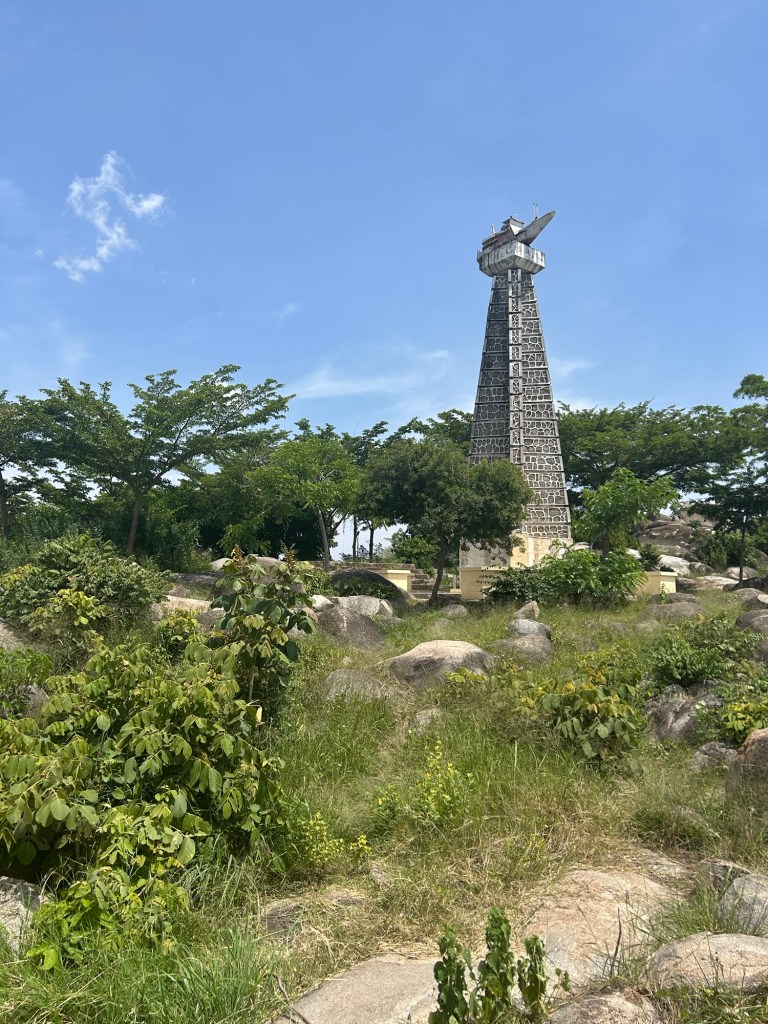
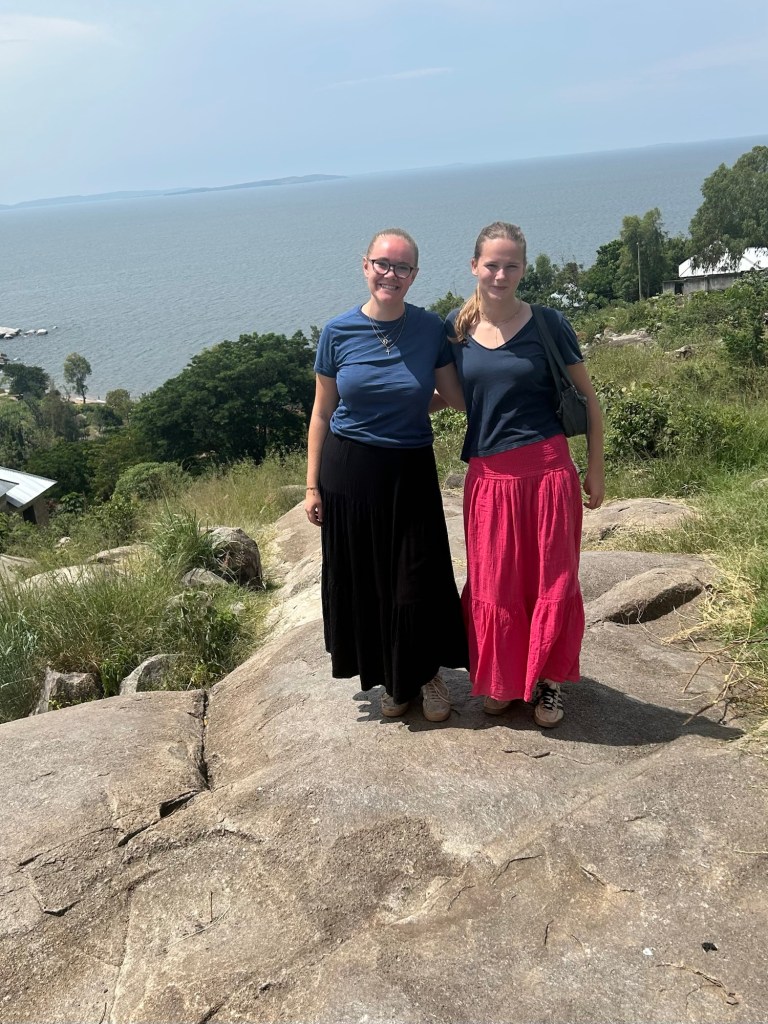
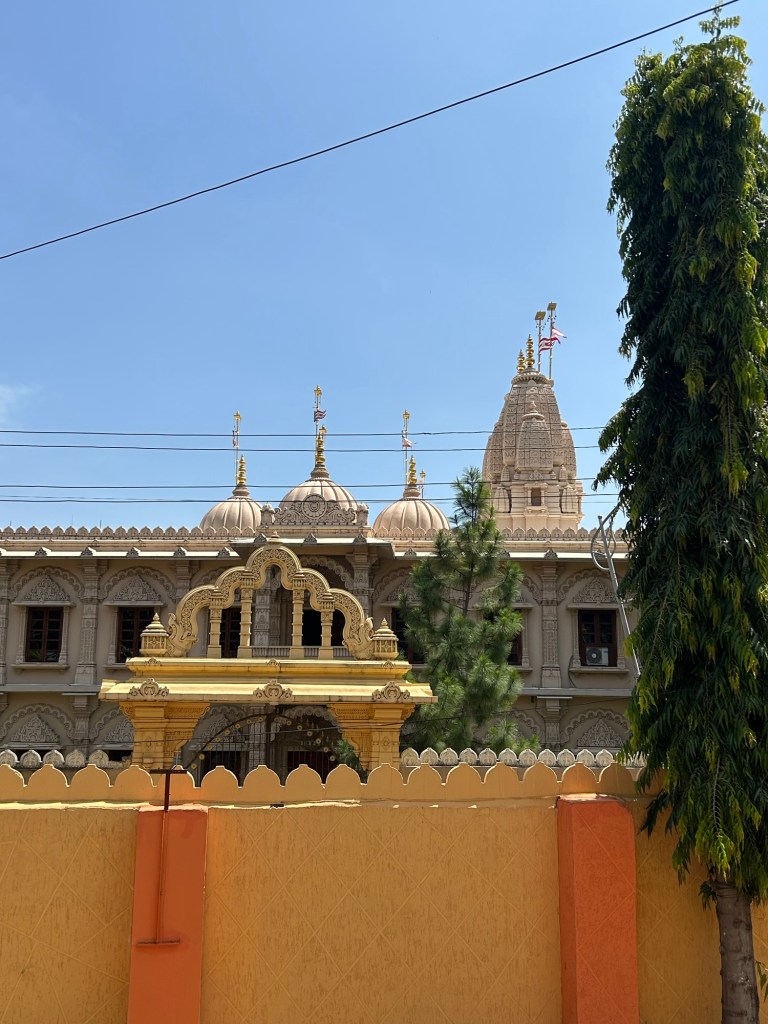
    In Mwanza zeigte ich meiner Familie die Stadt: Bismarck Rocks, einen großen Markt, das Bukoba-Monument, Rooftop-Mittagessen, zwei Tempel und mal wieder Boda-Boda-Fahren, in das sie sich erneut verliebten. Abends genossen wir ein Abschiedsessen mit Fahrer Lennard und Sister Dativa, ein wunderschöner Abschluss, bevor wir in ein ganz anderes Tansania weiterreisten.

    Tansanische Safari

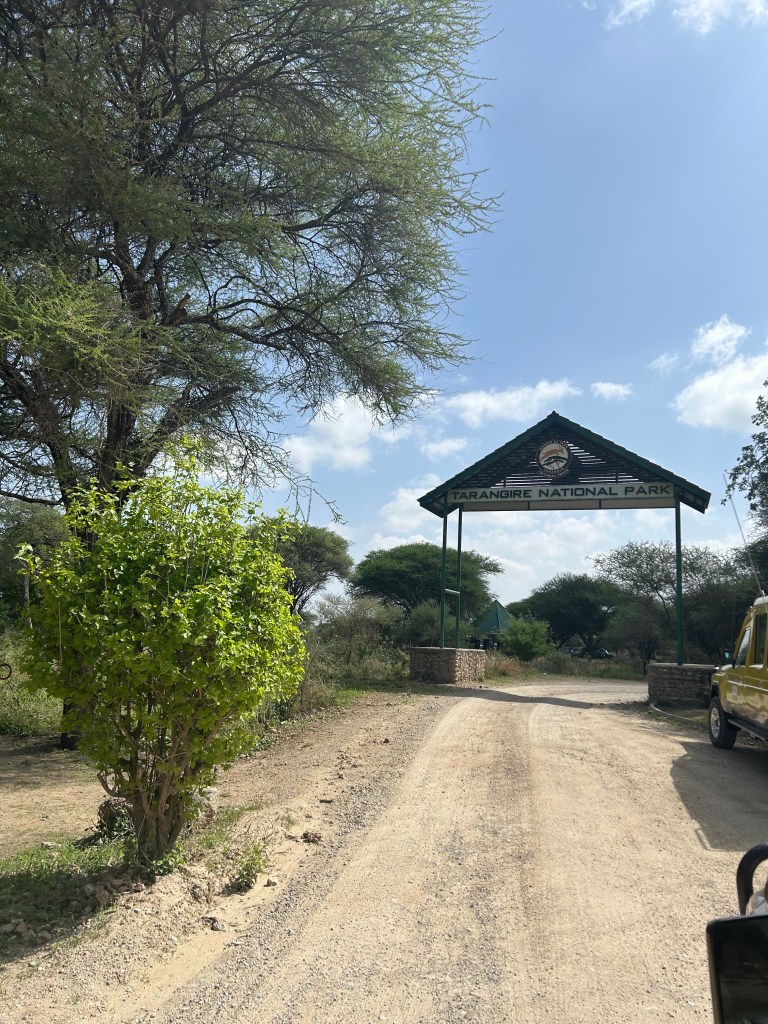
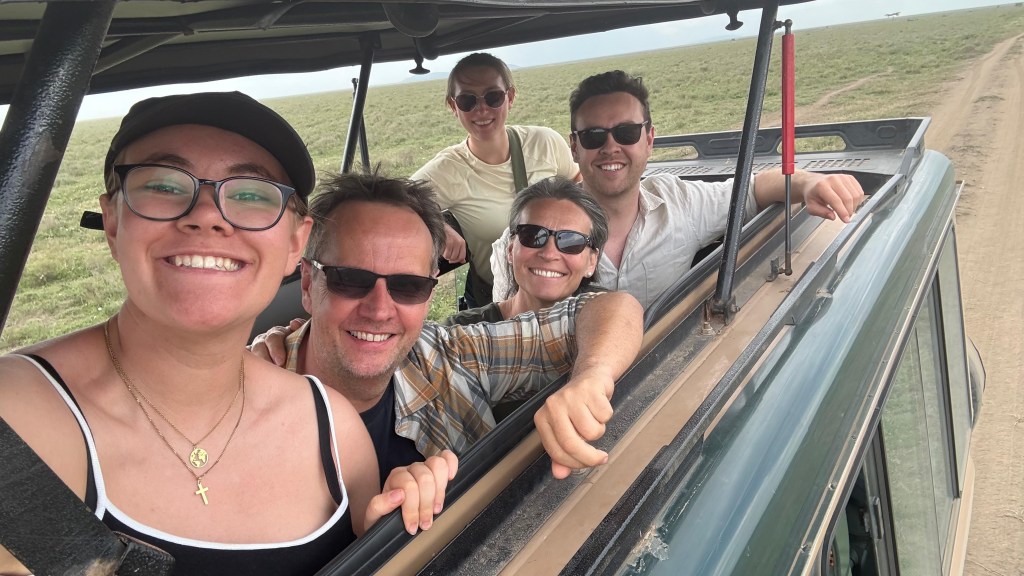
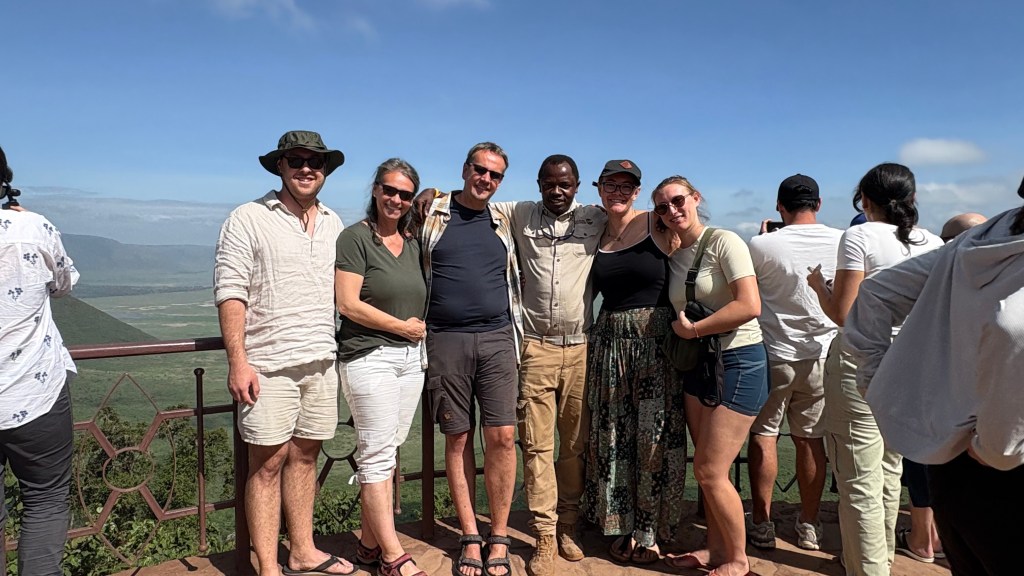
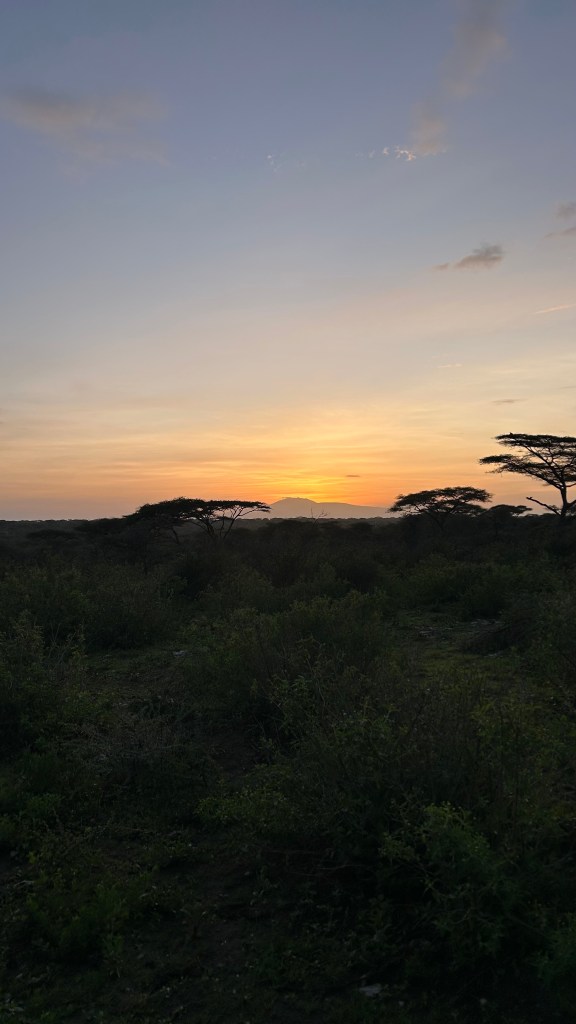
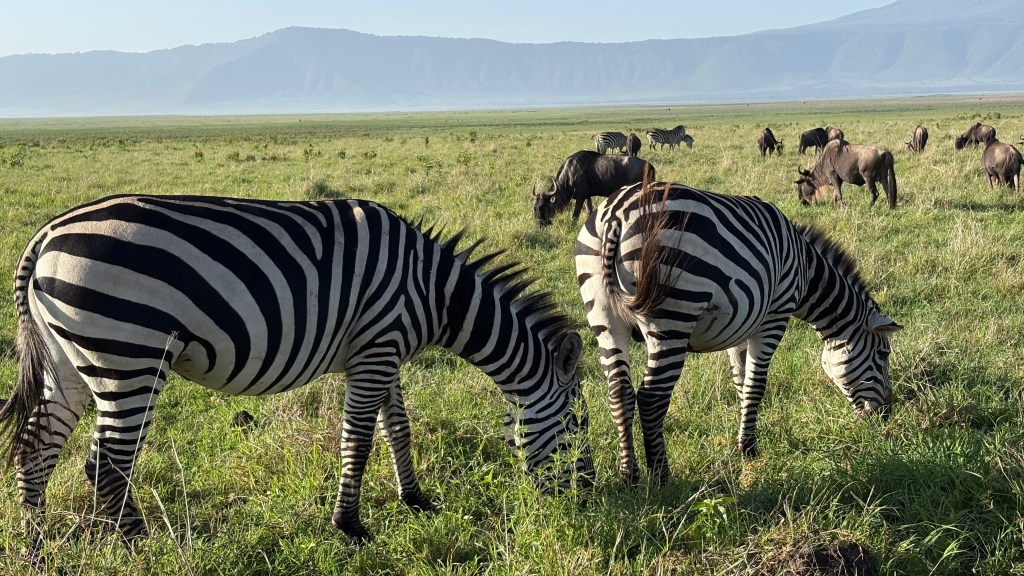
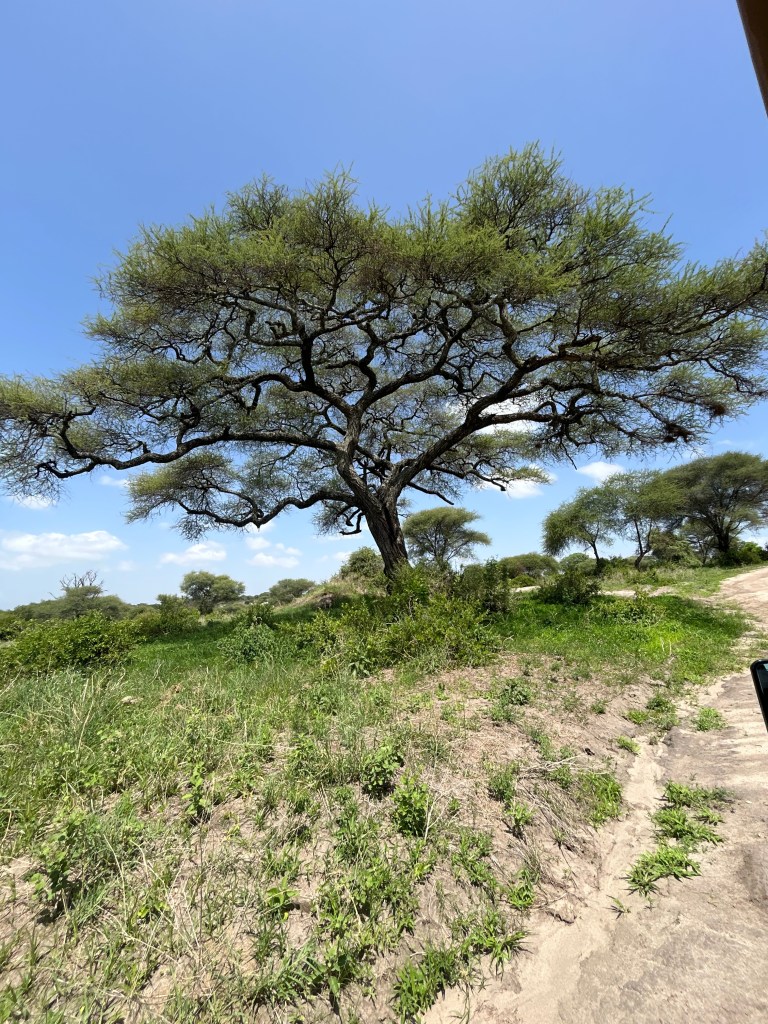
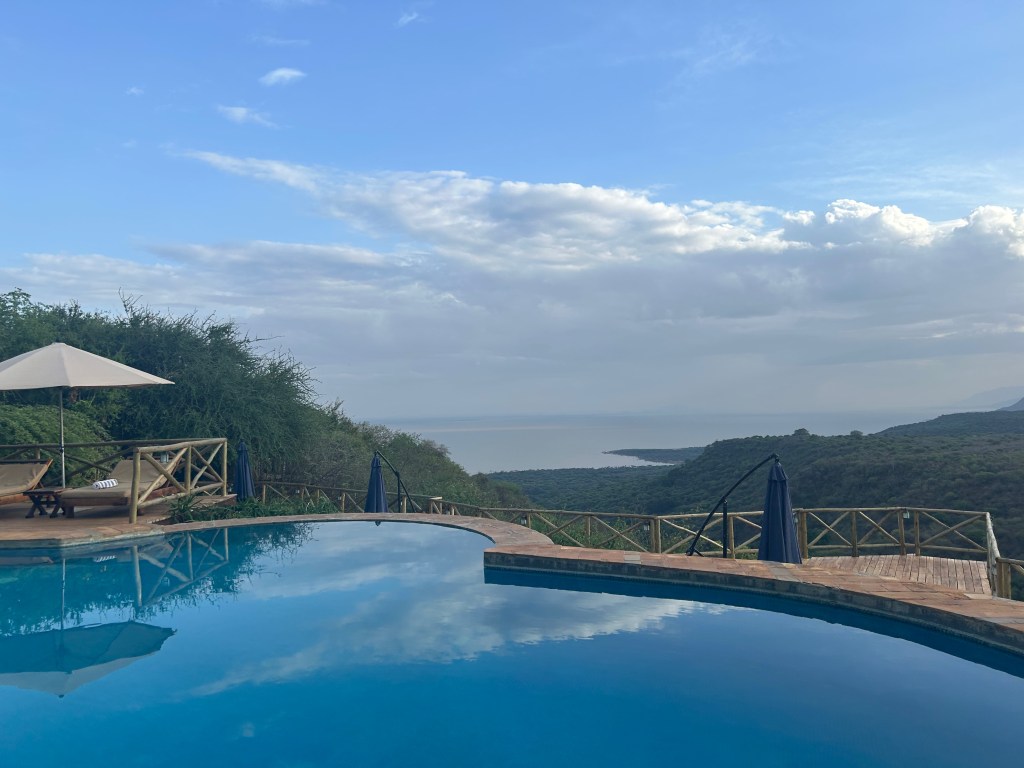
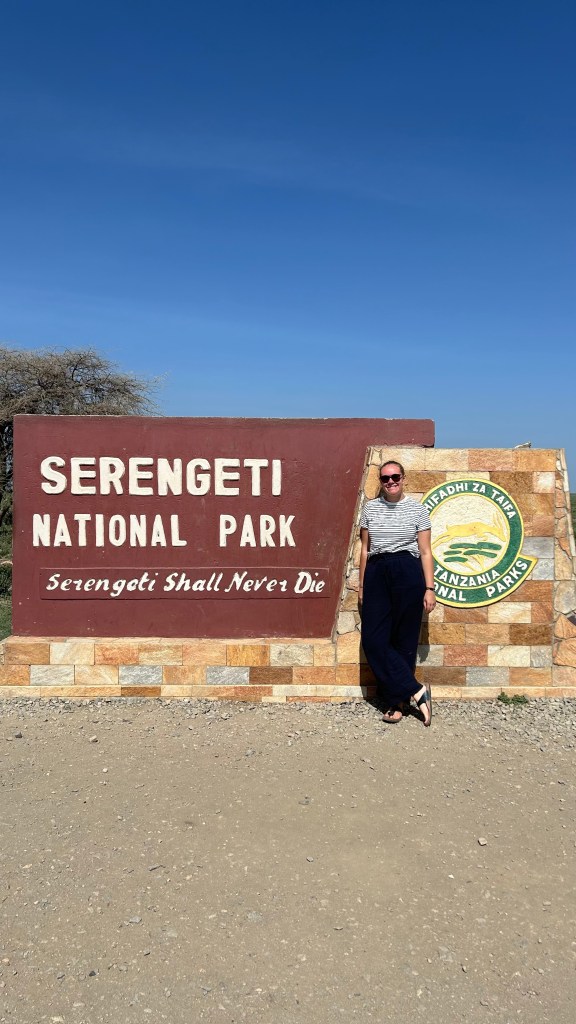
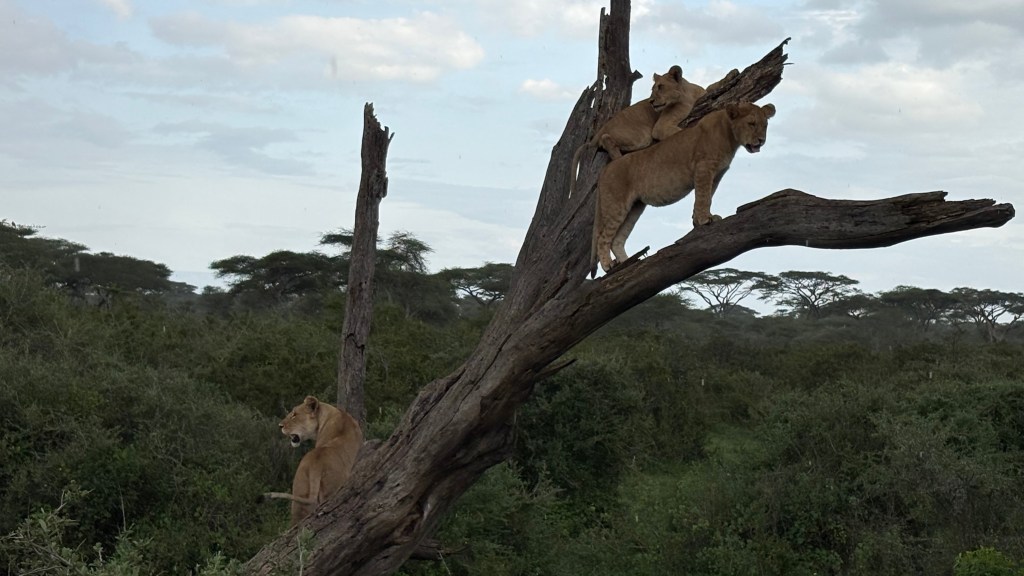
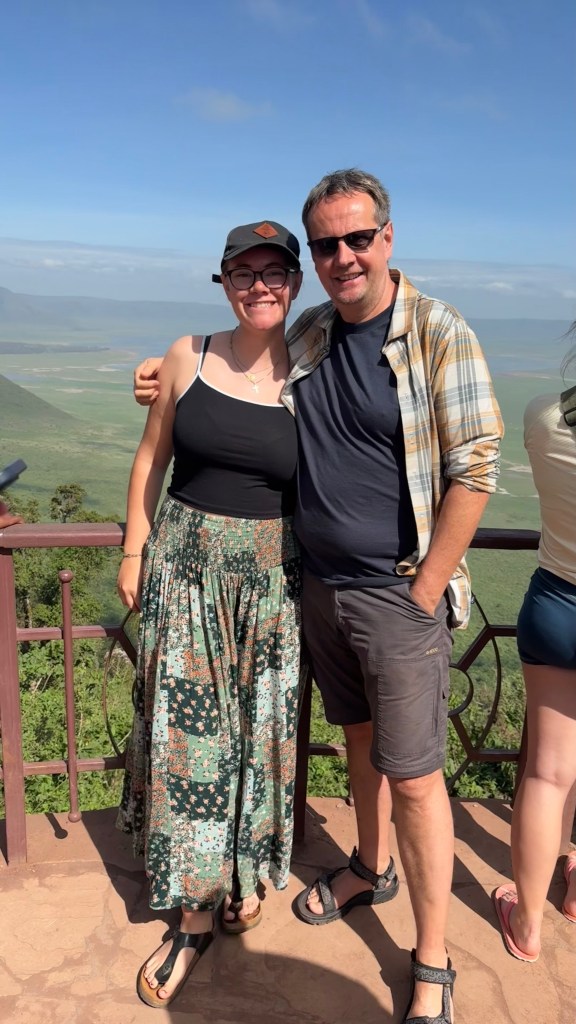
    Unsere Safari war ein unvergessliches Abenteuer. Wir starteten in Arusha und besuchten den Tarangire-Nationalpark, den Ngorongoro-Krater, die südliche Serengeti und das Ndutu-Gebiet. Anfangs war es für mich etwas herausfordernd. Ich kam direkt aus Rulenge, wo mein Leben deutlich einfacher und ruhiger ist, und plötzlich standen wir in Lodges mit Pool, Klimaanlage und Rundum-Service. Mir fiel es total schwer, das anzunehmen, wo ich doch tagtäglich sehe, wie die Menschen im Dorf leben und oft für Essen und Wasser kämpfen müssen.

    Durch Gespräche mit meinen Eltern habe ich dann aber verstanden, dass die Menschen hier vom Tourismus, von Safaris, Lodges und allem, was Besucher in dieses Land bringt, leben. Genau das ist ihr Alltag und ihr Lebensunterhalt. Das half mir sehr.

    Trotzdem war es ein ganz anderes Tansania als ich es vorher kannte. Überall waren Touristen, viele Deutsche und Weiße, die meisten konnten Englisch. Die Landschaft war weitläufiger, offener und alles war auf Besucher ausgelegt, von den Lodges über die Straßen bis zu den Aktivitäten.

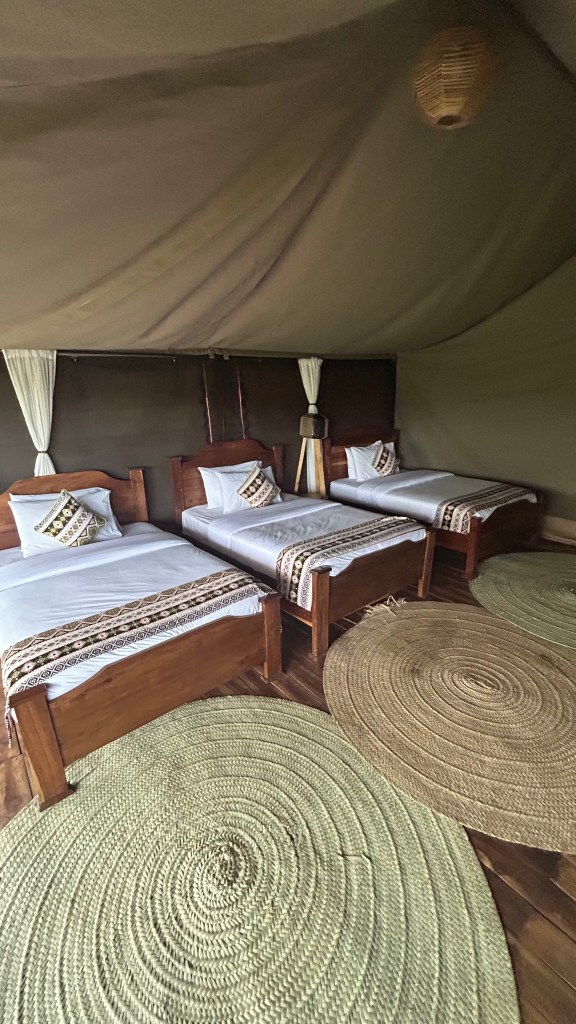
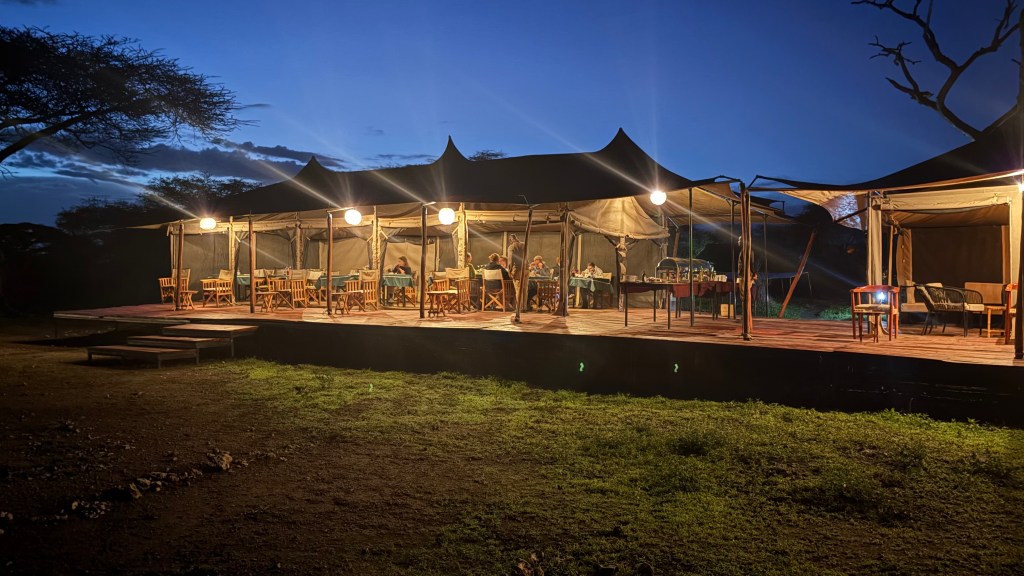
    Ein weiteres großes Highlight war das Schlafen in Zelthütten, wo man die Elefanten und Löwen aus seinem Bett hören konnte.

    Außerdem hatten wir einen fantastischen Guide, der wirklich alles wusste, Deutsch sprach und so super lustig war. Seine erste Frage morgens: „Alles tiptop?“

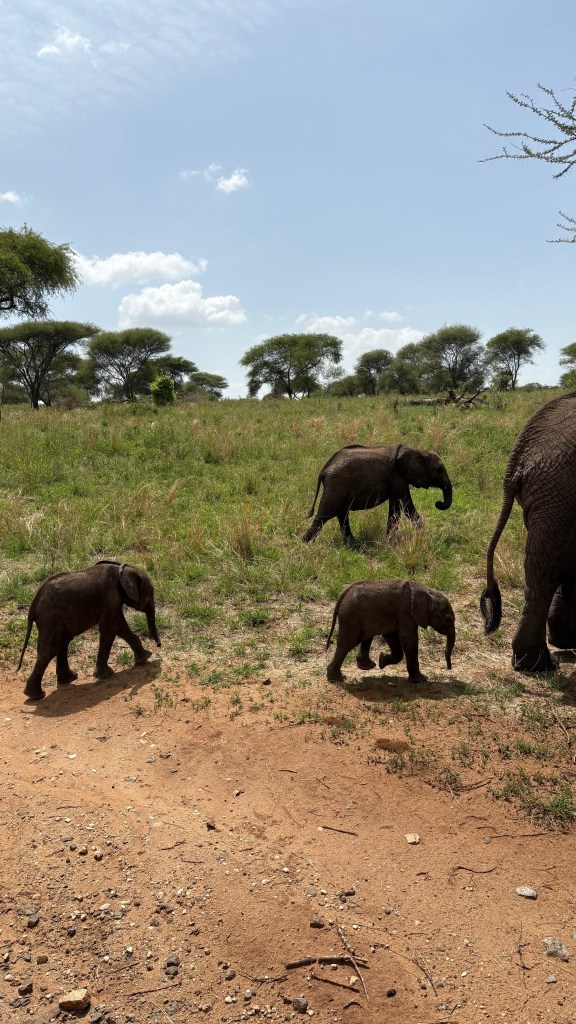
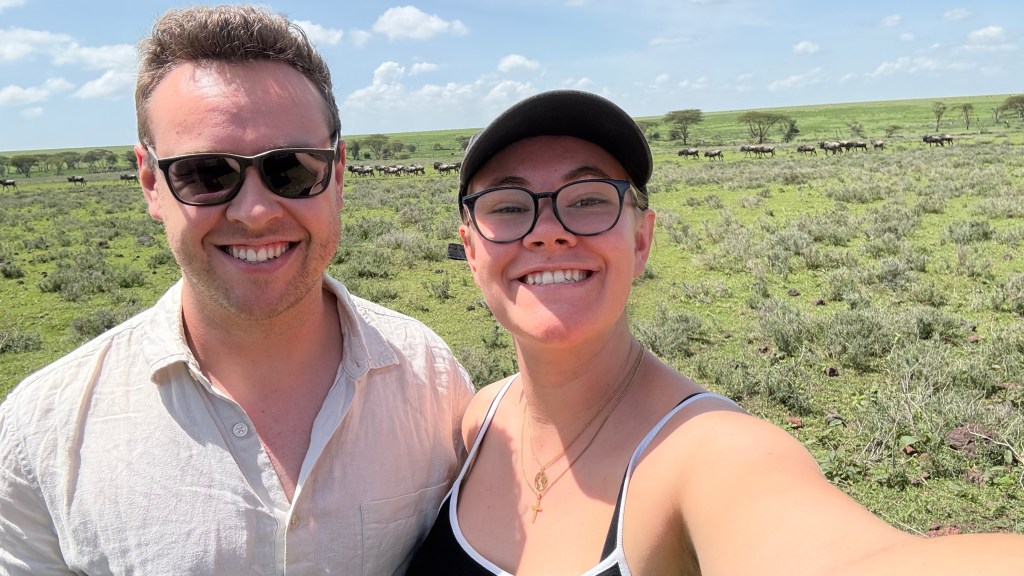
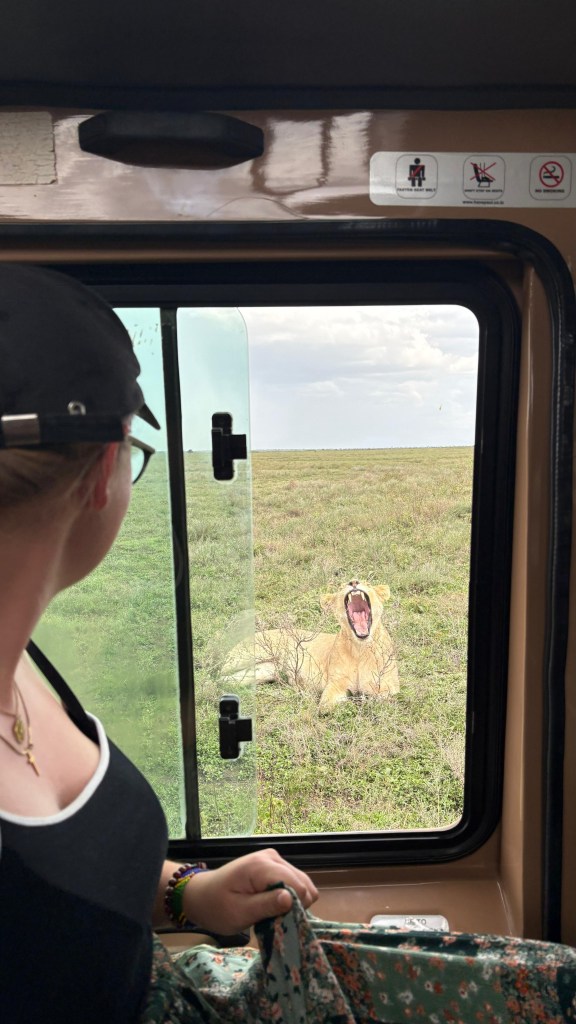
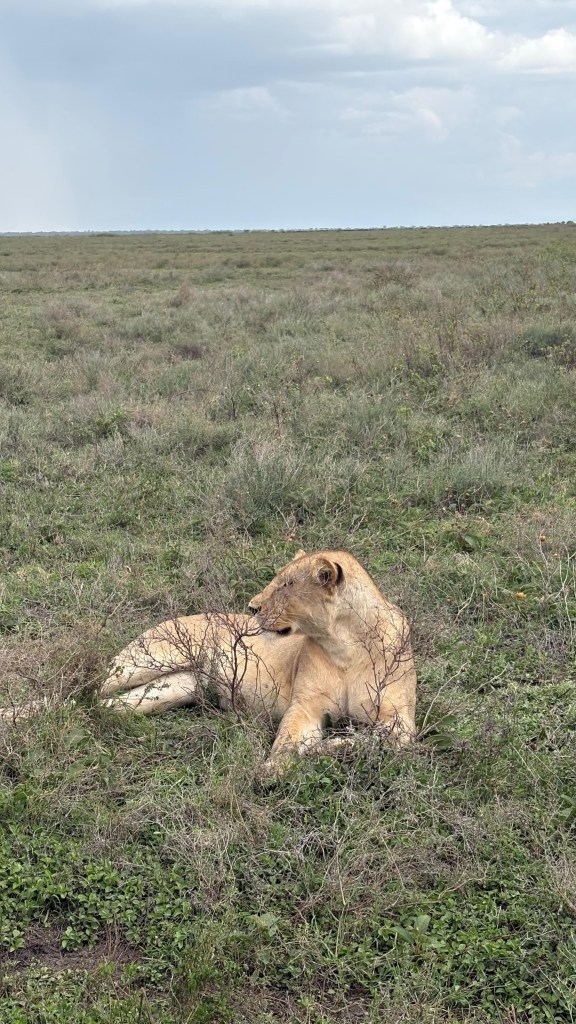
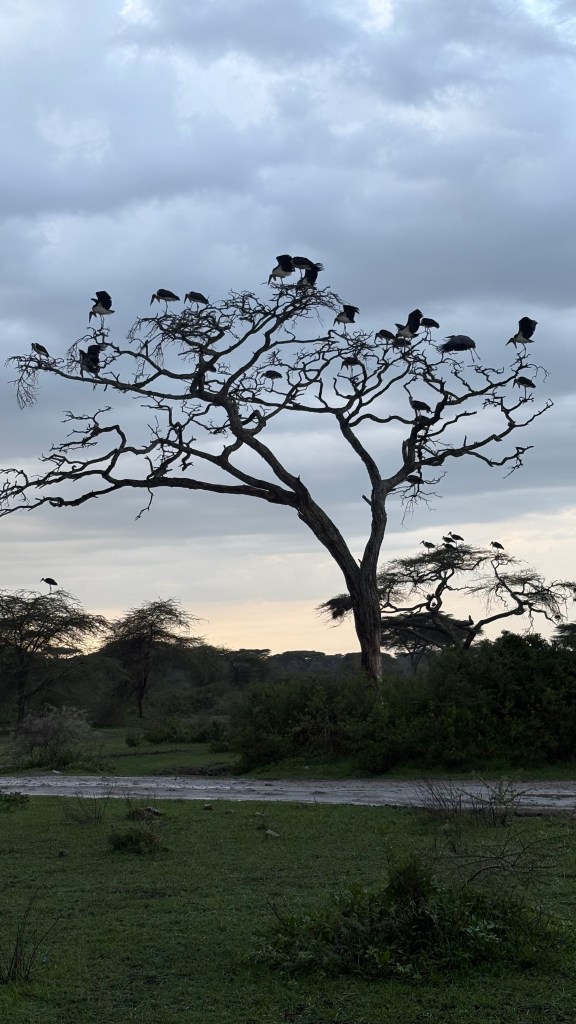
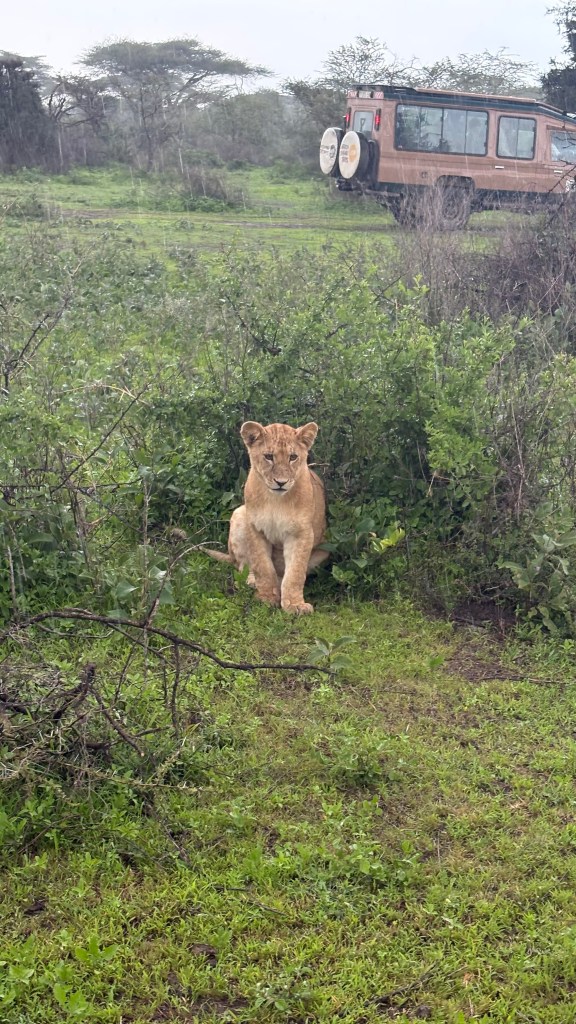
    Wir sahen die Big Five und unzählige andere Tiere und entdeckten jeden Tag neue Wunder der Natur. Das Glück war definitiv auf unserer Seite.

    Ich habe die Zeit mit meiner Familie sehr genossen und ich bin unendlich dankbar, dass ich diesen Teil von Tansania erleben durfte und dass mir meine Eltern das ermöglicht haben.❤️

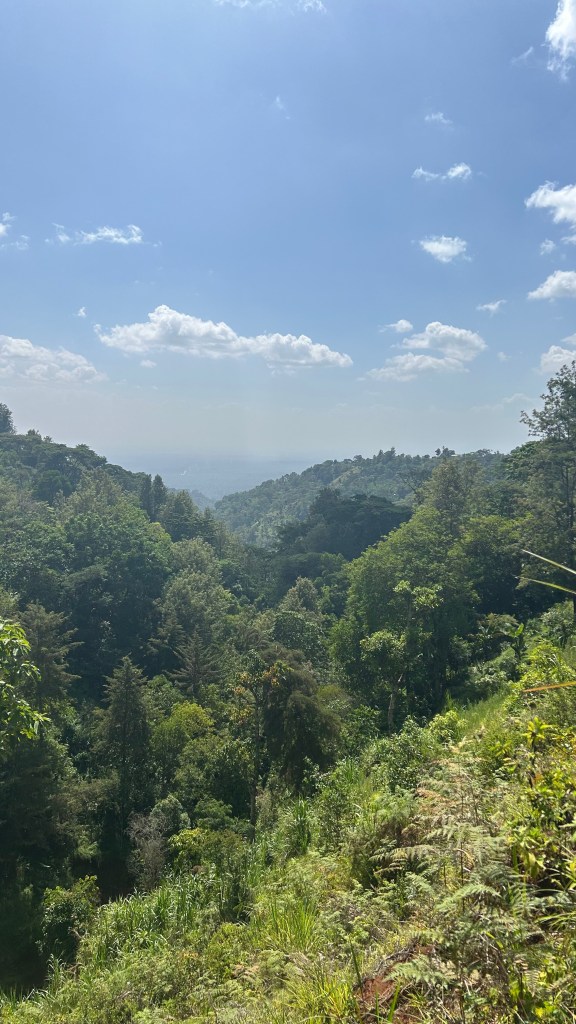
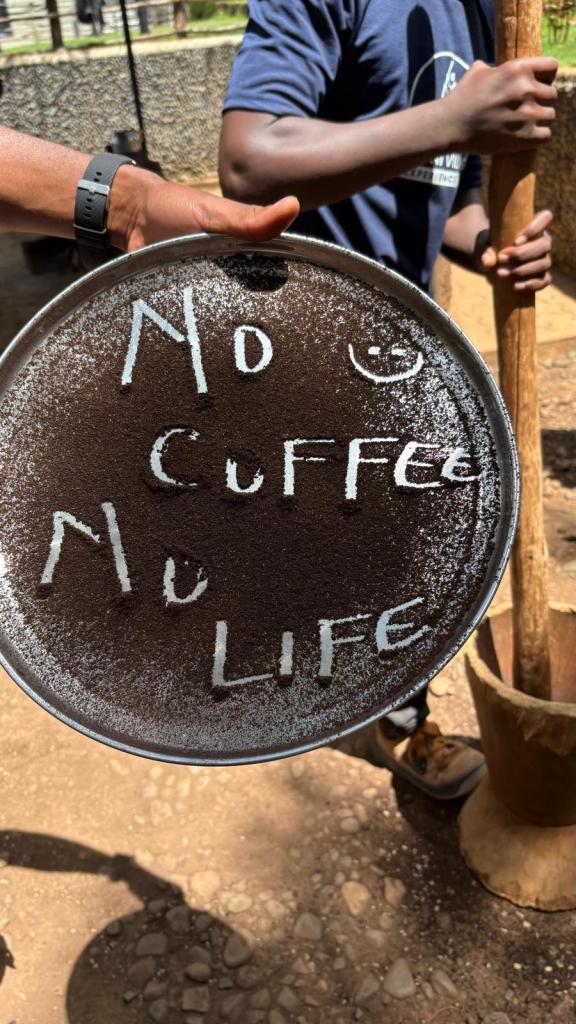
    Zurück in Arusha haben wir am Geburtstag meines Papas noch einen Wasserfall und eine Kaffeefarm besucht.

    Leider endete die Safari nicht ganz so schön, denn ich wurde krank. Trotzdem musste ich weiterreisen, um in mein Zwischenseminar in der Nähe von Dar es Salaam zu kommen. Die Reise war anstrengend, aber schließlich habe ich es sicher ins Hotel geschafft.

    Zwischenseminar

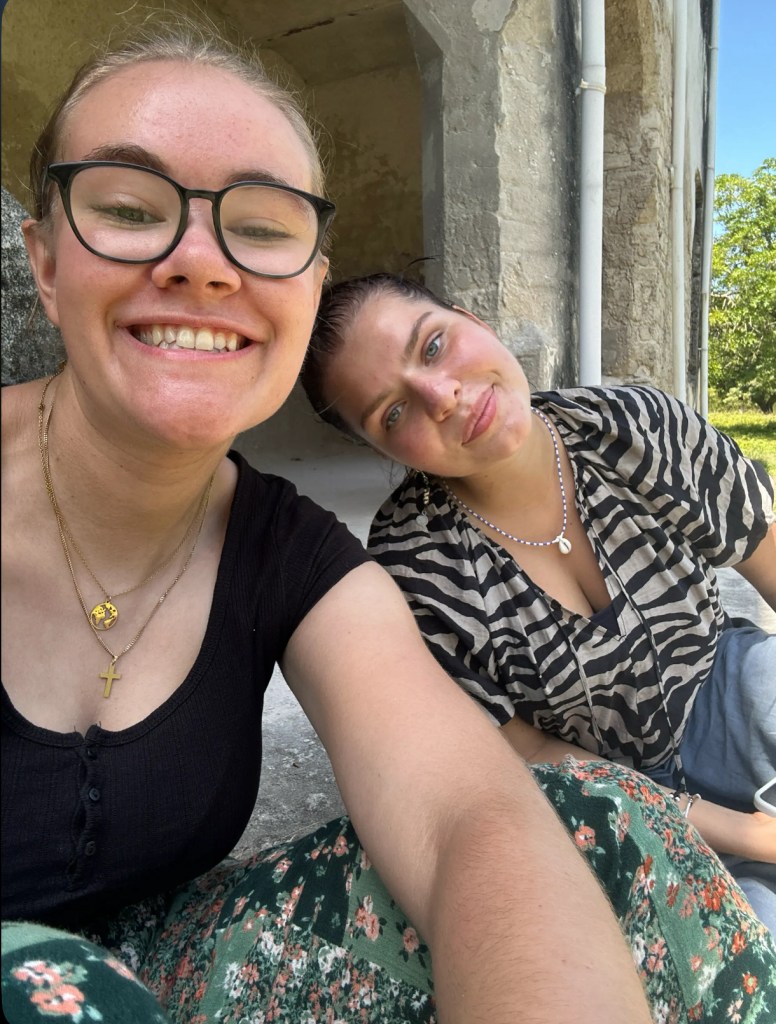
    Vom 16. bis 23. Januar fand unser Zwischenseminar in Bagamoyo statt. Mein Zustand hatte sich soweit gebessert, dass ich am zweiten Tag teilnehmen konnte. Bei einem „kulturbewussten Spaziergang“ lernte ich zusammen mit Loana, einer anderen Freiwilligen, Fatuma kennen. Der Austausch über ihr Leben und ihre Arbeit war gleichzeitig erschreckend und unglaublich bereichernd. Später saßen wir an einer alten Kirche am Meer, redeten lange und tauschten Erfahrungen aus. Ich war sehr dankbar für ihre Perspektiven, die viele Parallelen zu meinen eigenen Erfahrungen zeigten.🫶

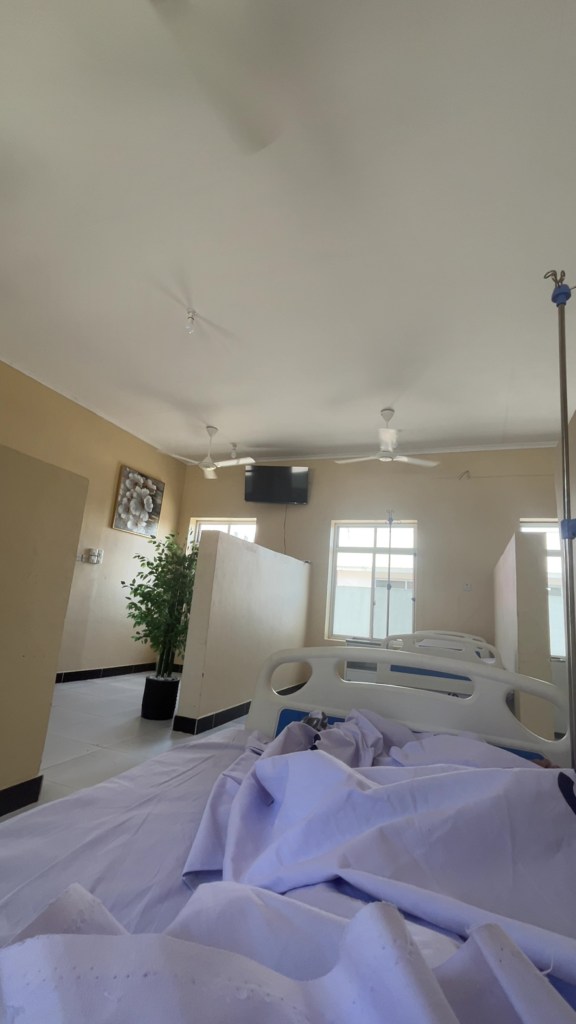
    Über Nacht verschlechterte sich mein Zustand leider, sodass ich ins Krankenhaus musste und am restlichen Seminar nicht mehr teilnehmen konnte.

    Die anderen Freiwilligen nahmen an spannenden Einheiten teil, zu Themen wie Geschlechterrollen, Kulturaustausch oder der „Ich-und-Wir“-Kultur, und genossen gemeinsame Abende im Pool oder am Meer.

    Trotz meiner Krankheit nahm ich viel für mich mit. In einem „Lebensfluss“ blickte ich auf mein erstes halbes Jahr in Tansania zurück, bekam wertvolle Denkanstöße von der Seminarleitung, besonders zum Konzept der „Ich-und-Wir“-Kultur, und konnte einiges mitnehmen, vor allem im Hinblick auf meine Mitfreiwillige, mit der ich zurzeit einige Schwierigkeiten habe.

    Ich wurde liebevoll versorgt, konnte tolle neue Menschen kennenlernen, sowie die Freiwilligen aus Würzburg wiedersehen.

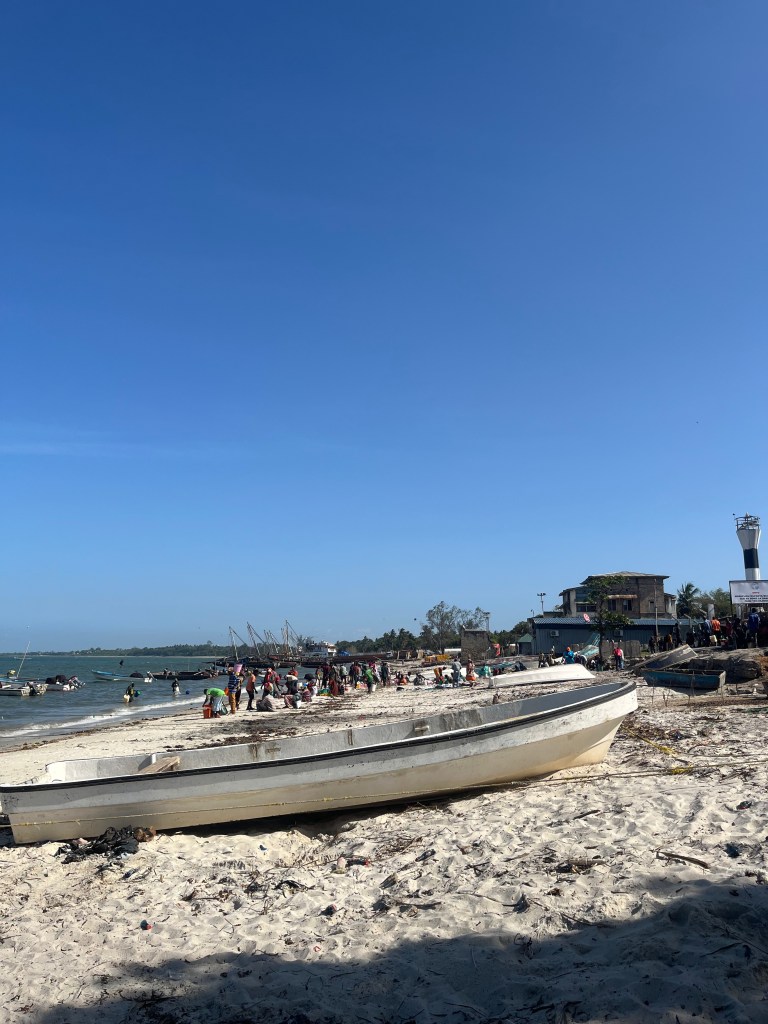
    Nach anderthalb Tagen Erholung in Dar es Salaam, inklusive eines kleinen Spaziergangs am Strand, ging es sonntags früh zum Flughafen und weiter nach Mwanza. Dort wurde ich von Baba Karisti abgeholt. Wir aßen noch eine Runde Ugali mit Bohnen, natürlich mit den Händen, und sofort stellte sich wieder dieses vertraute Gefühl ein, wieder in dem Tansania zu sein, das ich kenne. Ja, und dann ging’s zusammen zurück nach Rulenge.🥰

    bye bye Dar es Salaam

    Zurück in Rulenge

    Nach einer sehr anstrengenden Reise war ich so froh, wieder zu Hause zu sein. Ich wurde von allen so liebevoll empfangen und konnte erstmal Zeit alleine genießen, da Philippa noch im Urlaub ist. Ich habe alle meine Freunde getroffen, ganz viele Aktivitäten unternommen und einfach meinen Alltag gelebt, ohne jeglicher Einschränkungen. Das tat mir unglaublich gut.

    In dieser Zeit durfte ich auch die NGO „Kivuko“ kennenlernen, die sich für eine bessere medizinische Versorgung in Rulenge einsetzt. Ich begleitete einen der Gründer, besuchte Haushalte und traf Kinder mit Handicap, arme Familien sowie schwer kranke, ältere Menschen. Trotz der schwierigen Lebensbedingungen beeindruckten mich ihre Wärme, Stärke und Lebensfreude total. Besonders berührt haben mich die Begegnungen und Gespräche, die Offenheit der Menschen und ihre Dankbarkeit für die kleinsten Dinge. Kiswahili zu sprechen öffnete mir dabei mal wieder alle Türen und ermöglichte echte Verbindungen. Ich freue mich sehr, „Kivuko“ in der kommenden Zeit weiter begleiten, noch mehr lernen und erleben zu dürfen. 🫶

    Leider gab es auch eine große Tragödie: Die kleine Tochter meiner Freundin, 1,5 Jahre alt, starb plötzlich. Ich war mit ihr im Krankenhaus, und die Trauer mitzuerleben war unglaublich schwer für mich, besonders da ich das Kind gut kannte und am Tag vorher noch mit ihr im Hof gespielt hatte. Am nächsten Tag half ich bei den Vorbereitungen der Trauerfeier, die sehr traurig und zugleich bewegend war. Ich war sehr dankbar, dass ich da sein und meiner Freundin beistehen konnte. ❤️‍🩹

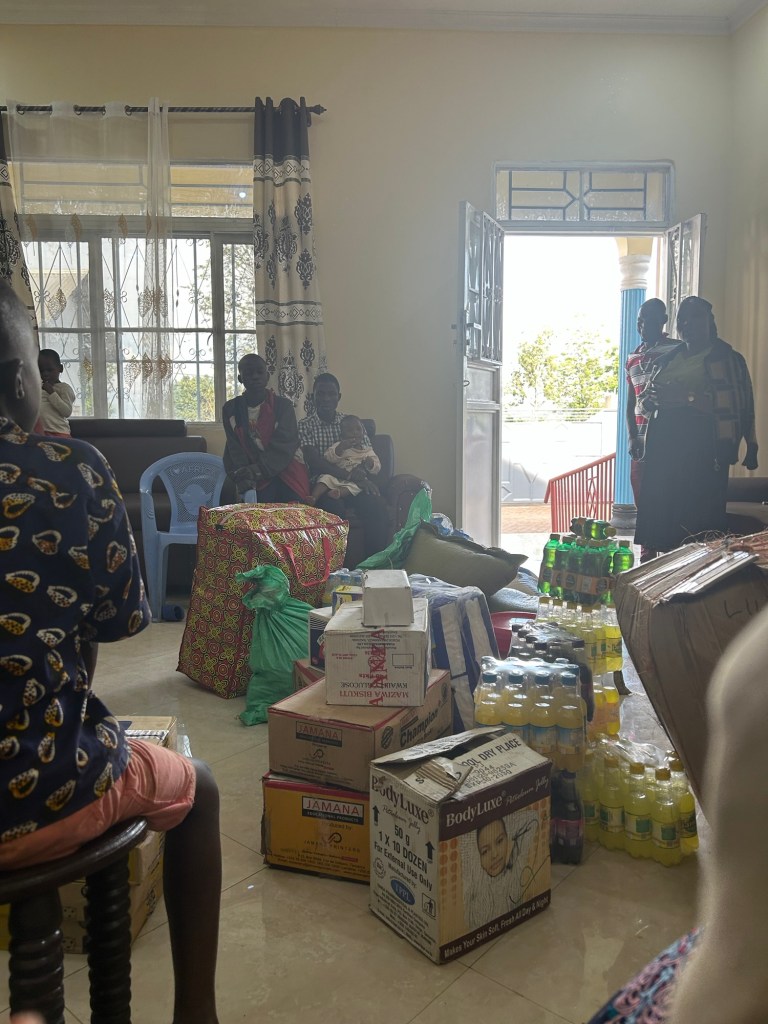
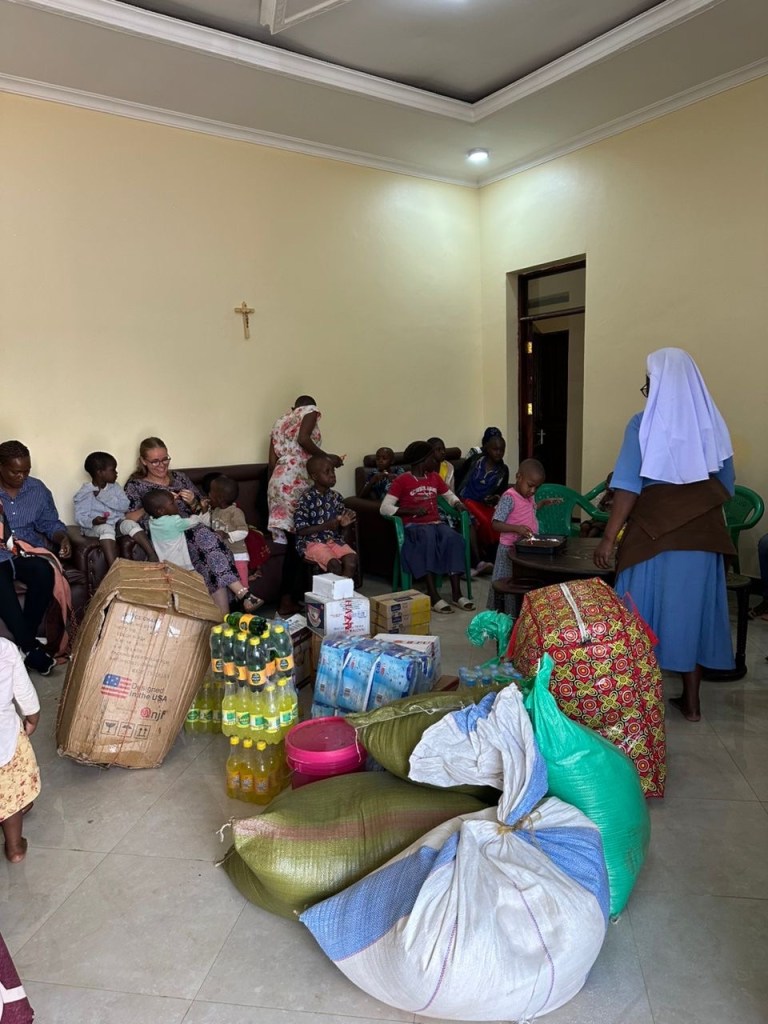
    Trotz allem erlebte ich hier so viele schöne Momente, da ich einfach das beste Umfeld habe: die Spenden ins Angels Home bringen, Zeit mit den Kindern und Schwestern, Hausbesuche mit „Kivuko“, Kochen mit meiner Mentorin, viel Zeit mit meinen Freunden und besonders viele Stunden bei Mama Claudi und Baba Karisti. Als dann noch die Seminaristen nach vier Wochen zurückkamen, war ich noch glücklicher. ❤️
    Seminaristen sind zurück😍
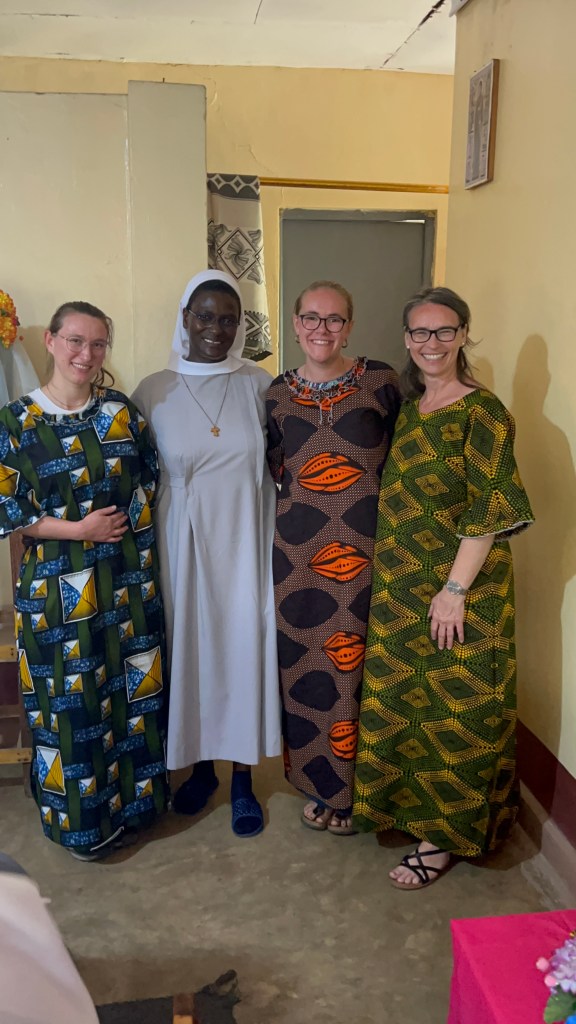
    Lydia, Sarah, Sister Anita und ich
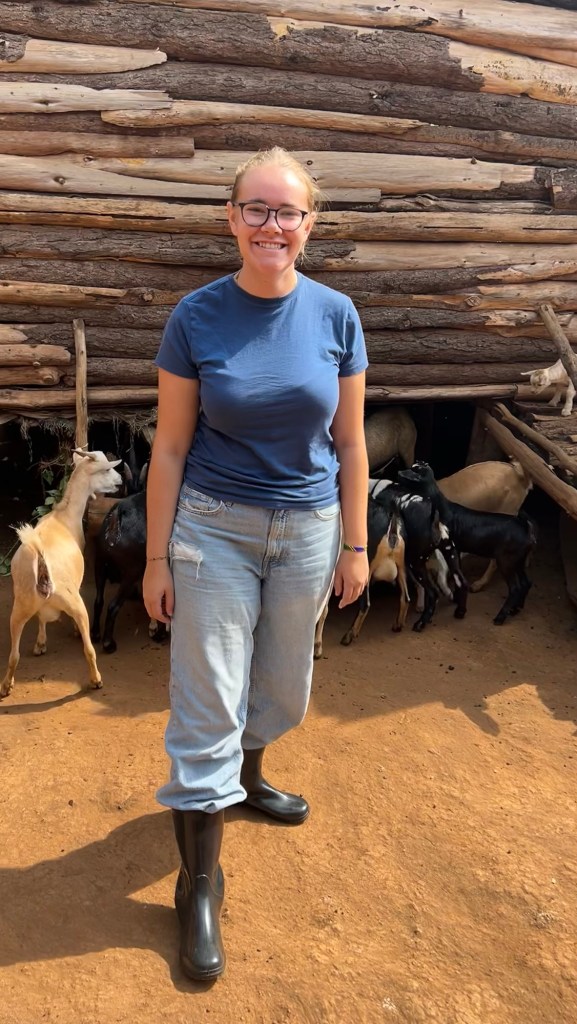
    Besuch auf der Farm von Baba Karisti (ich hatte seit langem mal wieder eine lange Hose an, und es war sehr heiß 😅)

    In den kommenden Monaten werde ich verschiedene Arbeitsstellen kennenlernen: zwei Wochen bei der Caritas arbeiten, ab März dann immer drei Tage im Krankenhaus und zwei Tage im Angels Home tätig sein und im Sommer in einer Schule unterrichten. Ich bin unglaublich dankbar für all diese Erfahrungen und die besonderen Menschen, die ich hier treffe. Ich bin immer noch so glücklich wie zu Beginn und in manchen Dingen sogar noch glücklicher.🤭😉

    So, jetzt habe ich sehr viel erzählt, und mit all diesen wunderbaren Aussichten sage ich jetzt „bis bald“. Bleibt gesund und alles Liebe!💛

    Joana

    ❤️
  • 8. My January in Tansania

    Hello my dears,

    In my last blog post, I already mentioned that a detailed report about my January would be coming soon. And honestly, this year couldn’t have started any better. Wowww!!What an incredible month. This time, there will be lots of pictures so you can experience just how special this time was. 😍

    The first few days were already perfect: I spent a lot of time at Angels Home, with my friends, and cooked traditional Tanzanian food together with Sister Macrina.

    Then the preparations for my family’s visit began (Mom, Dad, my brother, and my brother’s girlfriend). The excitement stayed under control for a long time, until the last twenty minutes before the big reunion.😅 I still remember exactly how we called my parents’ driver because of all the traffic, and then suddenly, they were there, on the other side of the street, got out of the car, and were just there. It felt surreal and at the same time incredibly familiar.

    After many hugs, we went together to the Immigration Office to pick up their visas and then on to Kasulo for lunch. There, we met Sister Dativa, the mother of general of the sisters in Rulenge, as well as Sister Thea.

    I think, in that exact moment, my family understood what I mean by the great hospitality in Tanzania: an overwhelming warmth, plenty of food, deep gratitude that they are there, and beautiful conversations.

    And then it was time to leave for Rulenge. Everyone was really excited and I even more because I finally got to show them where I live and the wonderful people I get to live with in the village. I think they immediately understood why I am so incredibly happy here.

    And I can only say: Every day here in Rulenge was so full and intense, and each day just got even better.😍

    On the first evening, we went to Barikiwa for dinner, I showed them some of the first places, and they met Father Denis, my mentor.

    gifts from germany

    On Monday, we first went to Angels Home. I was so excited to show my family my work placement. The children were all really enthusiastic and excited too. What I found especially striking was how much respect the children showed toward my family. Two men among them, and all clearly older than me.

    After that, we visited the Bernadette Sisters’ convent, walked through the market, and then went to Ngara to meet the bishop. He took a lot of time for us, we got delicious food, and we heard really fascinating stories. In the evening, we spent time together with my mentors at Barikiwa, a truly beautiful way to end the day.

    On Tuesday morning, we went to the mass in Rulenge, led by Father Denis, which was something really special. At the end, I even got to introduce my family. After breakfast, we went to the other orphanage, “Goya-Goya.” For my family, it was a similar surprise to what I experienced back then, maybe even a small shock, to see how different two orphanages in the same village can be and what much better working conditions exist there. We also had a very nice conversation with the head of the orphanage there.

    After that, we went to the hospital, and the doctor there took a lot of time for us. I was very happy to introduce him to my family as well, as he has also become an important person for me here.

    At noon, I said goodbye to the children at Angels Home. It was incredibly hard for me, as some of them are now going to school, and I won’t see them for a while. At the same time, I’m sooo happy for them that they have this opportunity.

    In the evening, the big highlight awaited us: a dinner at Mama Claudi and Baba Karisti’s, who are like my parents here. It was an incredibly fun, beautiful, and completely Tanzanian evening. The hospitality was simply amazing: invitations, food, gifts, just everything for their guests.

    On Wednesday morning, we were already off to Mwanza. To make sure the journey wasn’t boring, I made sure we met a few people (in the end many many haha) along the way.

    Visit to Sister Dativa’s family in Lusahunga
    Visit to the parish in Biharamulo and Joseph (seminarian in Rulenge, to my right)
    Visiting Evodius’ family in Katahoka (seminarian in Rulenge, to my right)

    At lunch at Katoke Seminar (maybe you remember the school where I worked for a day after the pilgrimage), we were once again generously gifted with hand-sewn Kitenge clothing. They sang for us and were so happy about our visit. An unforgettable moment.🧡

    Franciscan Sisters at Katoke Seminar

    In Mwanza, I showed my family around the city: Bismarck Rocks, a large market, the Bukoba Monument, a rooftop lunch, two temples, and another round of Boda-Boda rides, which they fell in love with all over again.😅 In the evening, we enjoyed a farewell dinner with our driver Lennard and Sister Dativa, a beautiful way to end the day before we continued on to a completely different part of Tanzania.

    Tanzanian Safari

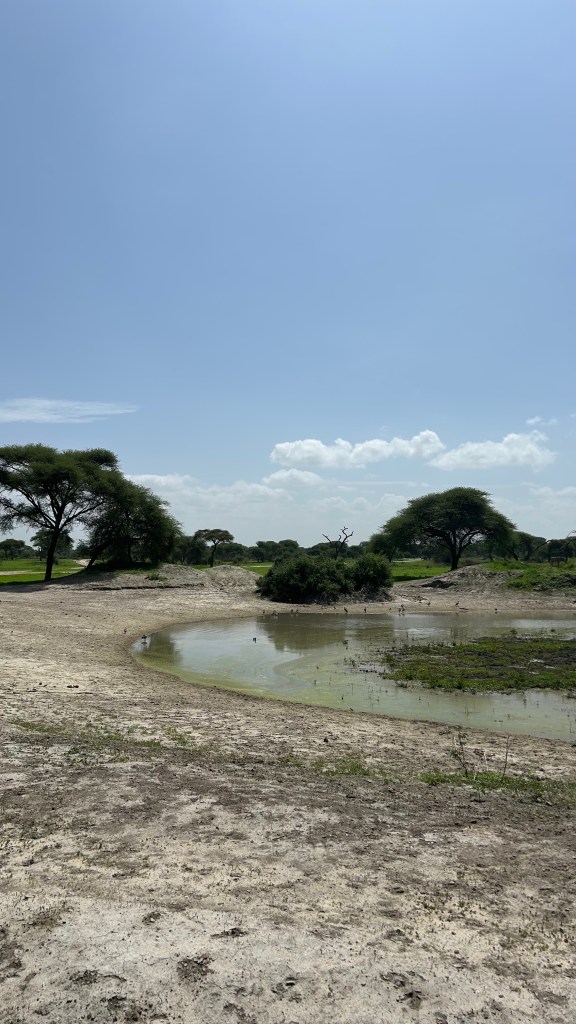
    Our safari was an unforgettable adventure. We started in Arusha and visited Tarangire National Park, the Ngorongoro Crater, the southern Serengeti, and the Ndutu area. At first, it was a bit challenging for me. I had come straight from Rulenge, where my life is much simpler and calmer (and still compared to other I have a own house, so should not complain about anything!!), but suddenly we were staying in lodges with pools, air conditioning, and full-service amenities. It was really hard for me to accept, especially since I see every day how people in the village live and often have to struggle for food and water.

    Through conversations with my parents, I came to understand that the people here make their living from tourism, safaris, lodges, and everything that brings visitors to this country. This is exactly their everyday life and their livelihood. That really helped me a lot.

    Still, it was a completely different Tanzania than I had known before. Tourists were everywhere, many Germans and white people, most of whom spoke English. The landscape was more expansive and open, and everything was designed for visitors, from the lodges to the roads and the activities.

    Another big highlight was sleeping in tent huts, where you could hear elephants and lions right from your bed.

    We also had a fantastic guide who really knew everything, spoke German, and was so incredibly funny. His first question in the morning: „Alles tip-top?”. German saying which basically means: „Everything tiptop/fresh?“

    We saw the Big Five and countless other animals, discovering new wonders of nature every day. Luck was definitely on our side.

    I really enjoyed the time with my family, and I am infinitely grateful that I got to experience this part of Tanzania and that my parents made it possible for me.❤️
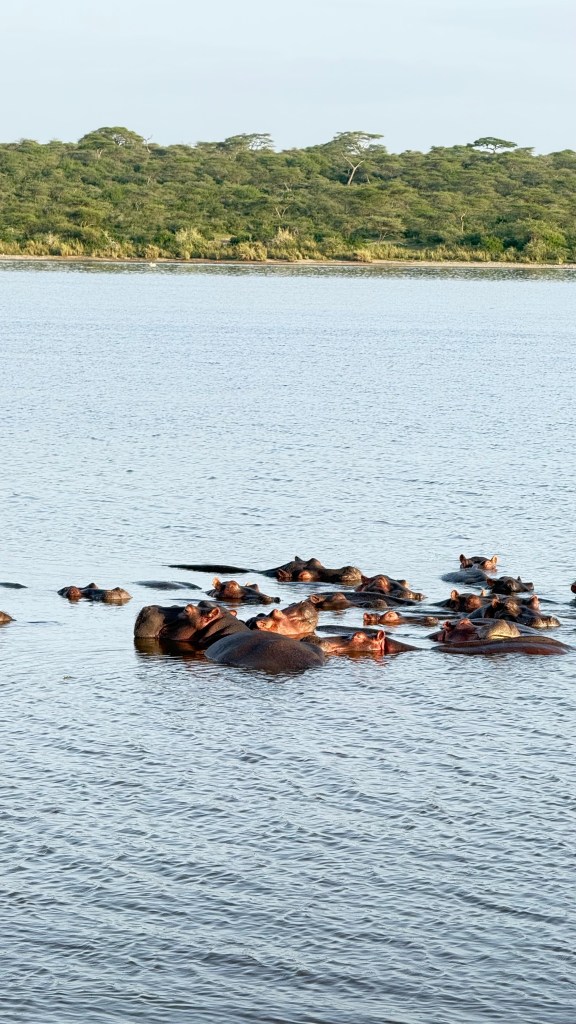
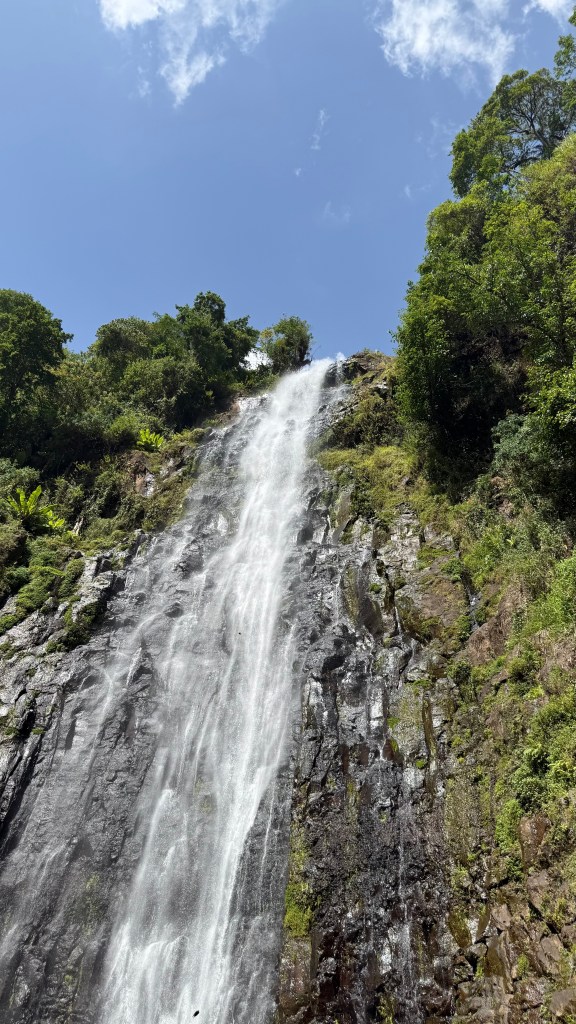
    Back in Arusha, on my dad’s birthday, we also visited a waterfall and a coffee farm.

    Unfortunately, the safari didn’t end on such a high note, as I got sick. I still had to continue my journey to reach my midterm seminar near Dar es Salaam. The trip was exhausting, but in the end, I made it safely to the hotel.

    Mid-term Seminar

    From January 16 to 23, our midterm seminar took place in Bagamoyo. My condition had improved enough for me to participate on the second day. I got to know Fatuma together with Loana, another volunteer. The exchange about her life and work was both shocking and incredibly enriching. Later, we sat by an old church by the sea, talked for a long time, and shared experiences. I was very grateful for her perspectives, which showed many parallels to my own experiences.🫶

    Overnight, my condition unfortunately worsened, so I had to go to the hospital and could no longer participate in the rest of the seminar.

    The other volunteers took part in exciting sessions on topics such as gender roles, cultural exchange and the „me and us“ culture, and enjoyed evenings together in the pool or by the sea.

    Despite my illness, I gained a lot from the experience. I reflected my last months in Tanzania, received valuable food for thought from the seminar leaders and was able to take away a lot, especially with regard to my fellow volunteer, with whom I am unfortunately facing some difficulties at the moment.

    Nevertheless I was very happy I could meet wonderful new people, and saw the volunteers from Würzburg (german city but we had our preparation seminar together in Germany and did the language course in Dar es Salaam together).

    After a day and a half of relaxation in Dar es Salaam, including a short walk on the beach and visiting some hospitals with a friend who’s working there. (just looking and exploring no treatment for me😅). This was very interesting, especially the national hospital of Tanzania. I think my plans for what I want to study later on are changing more and more.😅

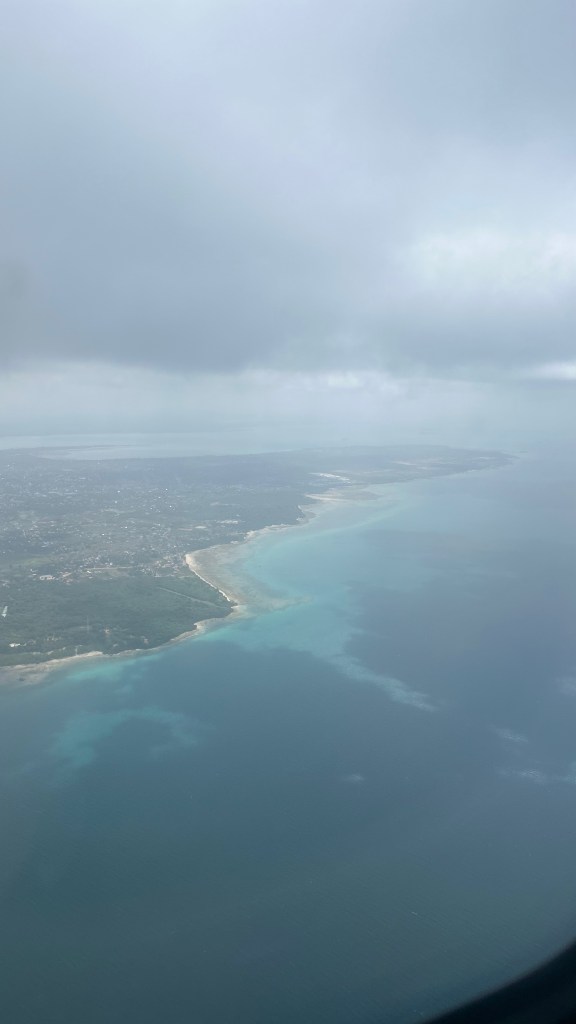
    I headed to the airport early on Sunday morning and flew on to Mwanza. Baba Karisti picked me up there. We ate a round of ugali with beans, and immediately that familiar feeling returned, of being back in the Tanzania that I know and fell in love with. And then we headed back to Rulenge together.🥰

    bye bye Dar es Salaam

    Back in Rulenge

    After a very exhausting journey, I was so happy to be back home. Everyone gave me such a warm welcome and I was able to enjoy some time on my own. I met up with all my friends, did lots of activities and just got on with my everyday life. It did me a world of good. I enjoyed like I always do😂

    During this time, I also had the opportunity to get to know the NGO „Kivuko“, which is committed to improving medical care in Rulenge. I accompanied one of the founders, visited households and met children with disabilities, poor families and seriously ill elderly people. Despite the difficult living conditions, I was totally impressed by their warmth, strength and zest for life. I was particularly touched by the encounters and conversations, the openness of the people and their gratitude for the smallest things. Speaking Kiswahili once again opened all doors for me and enabled me to form genuine connections. I am very much looking forward to continuing to accompany Kivuko in the coming period, learning even more and gaining further experience. 🫶

    Unfortunately, there was also a great tragedy: my friend’s little daughter, aged 1.5, died suddenly. I was with her in the hospital, and witnessing the grief was incredibly difficult for me, especially since I knew the child well and had played with her in the courtyard the day before. The next day, I helped with the preparations for the funeral service, which was very sad and moving at the same time. I was very grateful that I could be there and be with my friend.❤️‍🩹

    Despite everything, I experienced so many wonderful moments here because I simply have the best environment: bringing donations to Angels Home, spending time with the children and sisters, visiting homes with „Kivuko“, cooking with my mentor, spending lots of time with my friends and, in particular, spending many hours with Mama Claudi and Baba Karisti. When the seminarians returned after four weeks, I was even happier.❤️

    Visit to Baba Karisti’s farm (I wore long trousers for the first time in ages, and it was very hot😅)

    In the coming months, I will be getting to know different workplaces: two weeks working at Caritas, then from March onwards at the hospital, and in the summer I will be teaching at a school. I am incredibly grateful for all these experiences and the special people I am meeting here. I am still as happy as I was at the beginning, and in some ways even happier.🤭😉

    So, I’ve told you a lot, and with all these wonderful prospects, I’ll say „see you soon“. Stay healthy and all the best!💛

    Joana

    ❤️
  • 7. Christmas and New Year at 27 degrees?

    Hello my dears,

    Heri ya krismasi na heri ya mwaka mpya! Natumai nyote hamjambo na mlikuwa na siku nzuri za bure!

    Merry Christmas and a Happy New Year! I hope you are all well and had a few nice days off!

    Once again, there is a lot to tell!

    Christmas without traditions

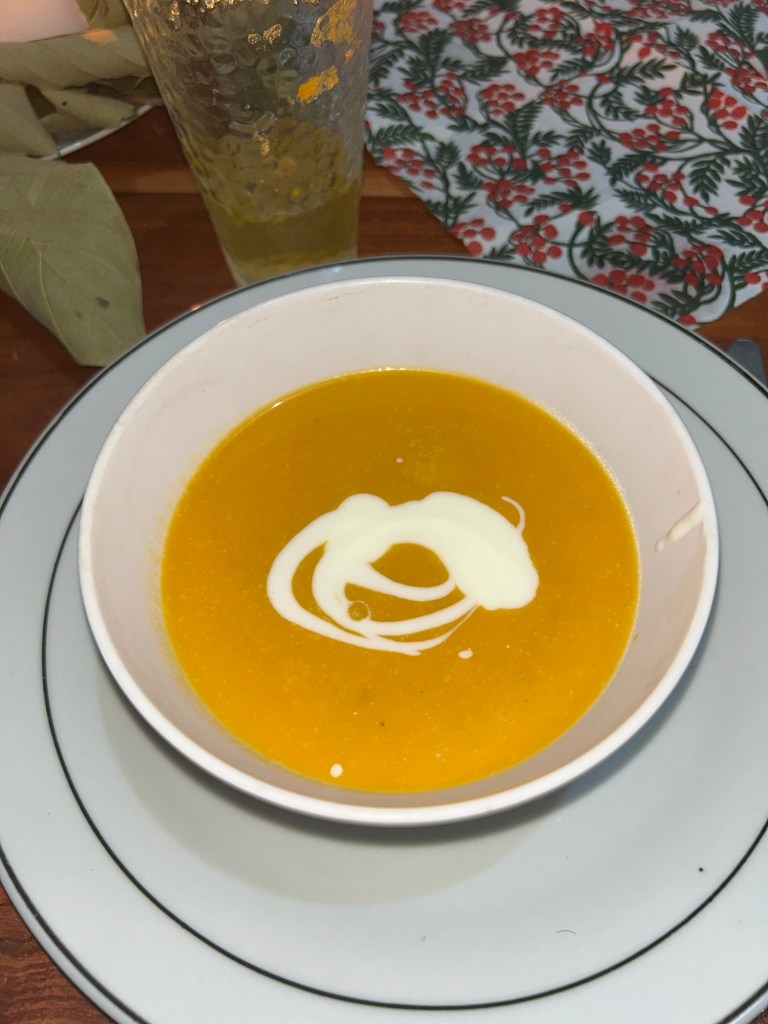
    Christmas and New Year’s Eve are usually one of the most intense family times for me, but this year that didn’t happen. The pre-Christmas period was also completely different. No Christmas markets, no cookies, no Sunday coffee with punch, no wrapping up warm, no open fire, no snuggling up with a blanket and tea on the sofa. All these traditions were not here this year.

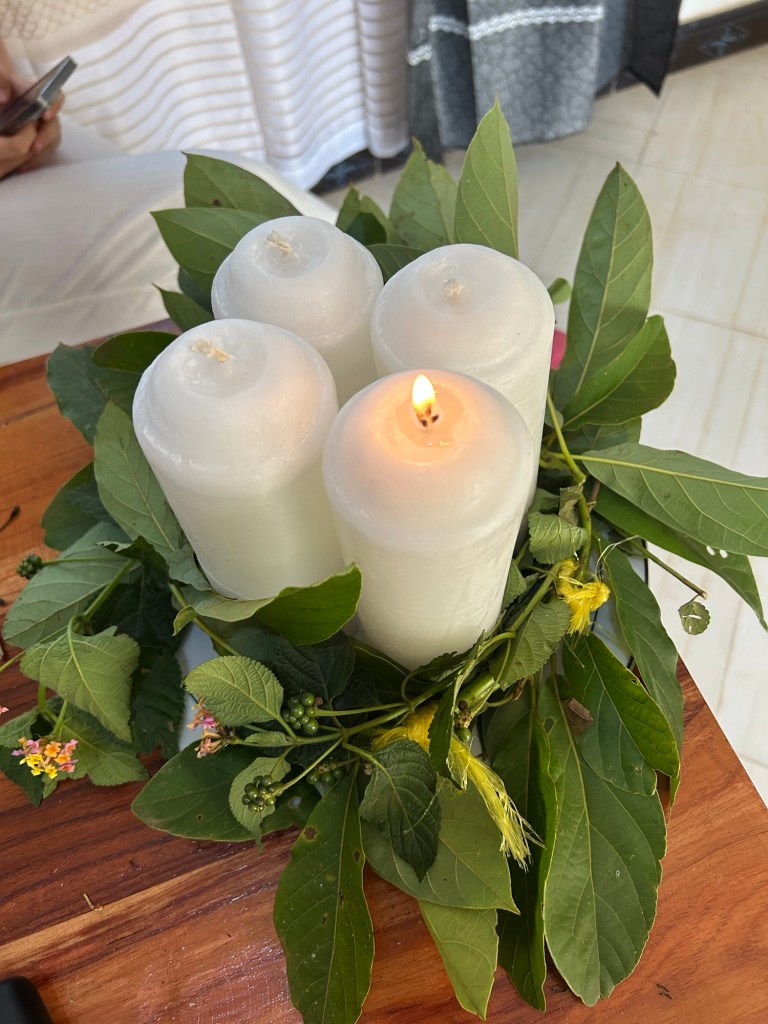
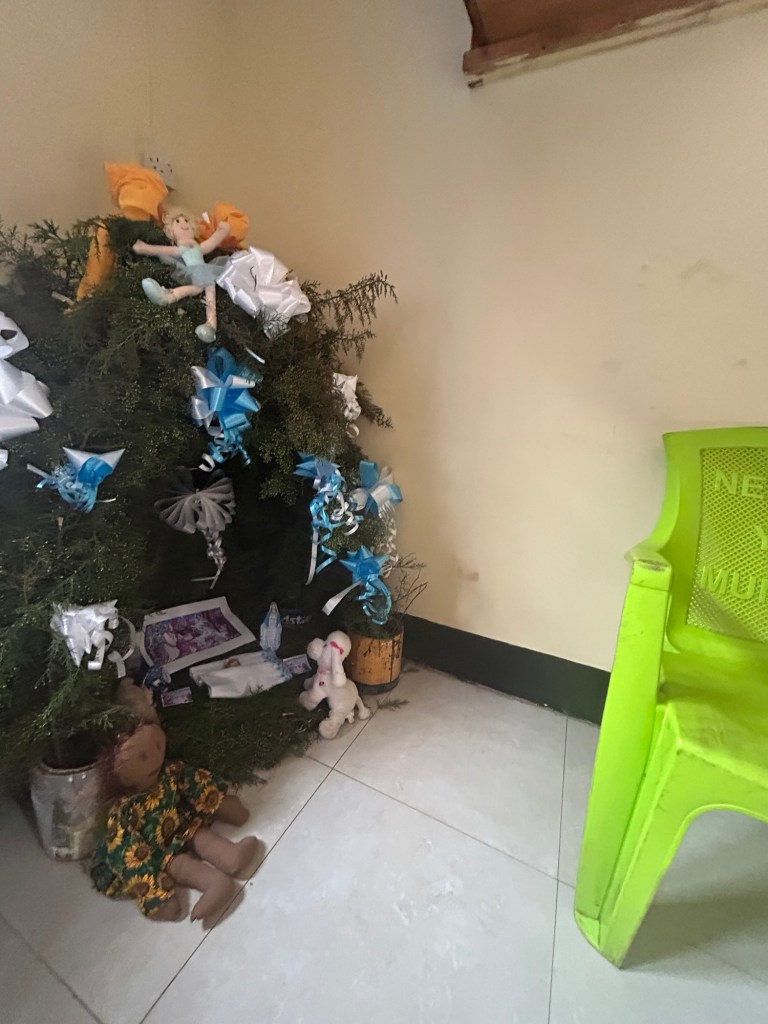
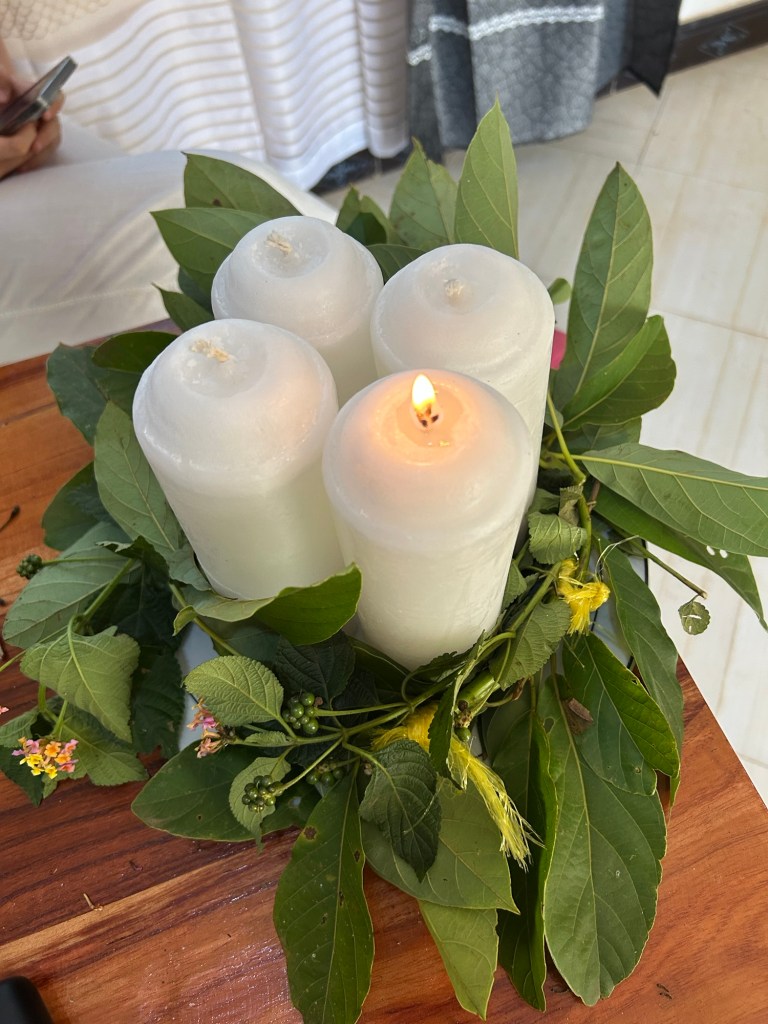
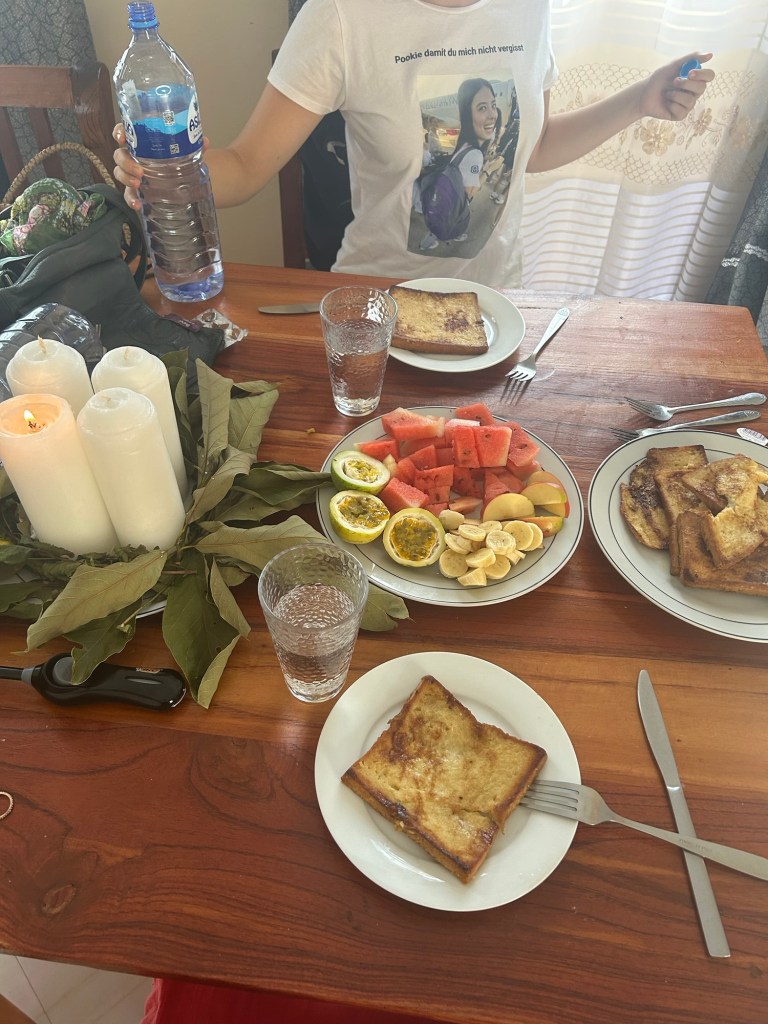
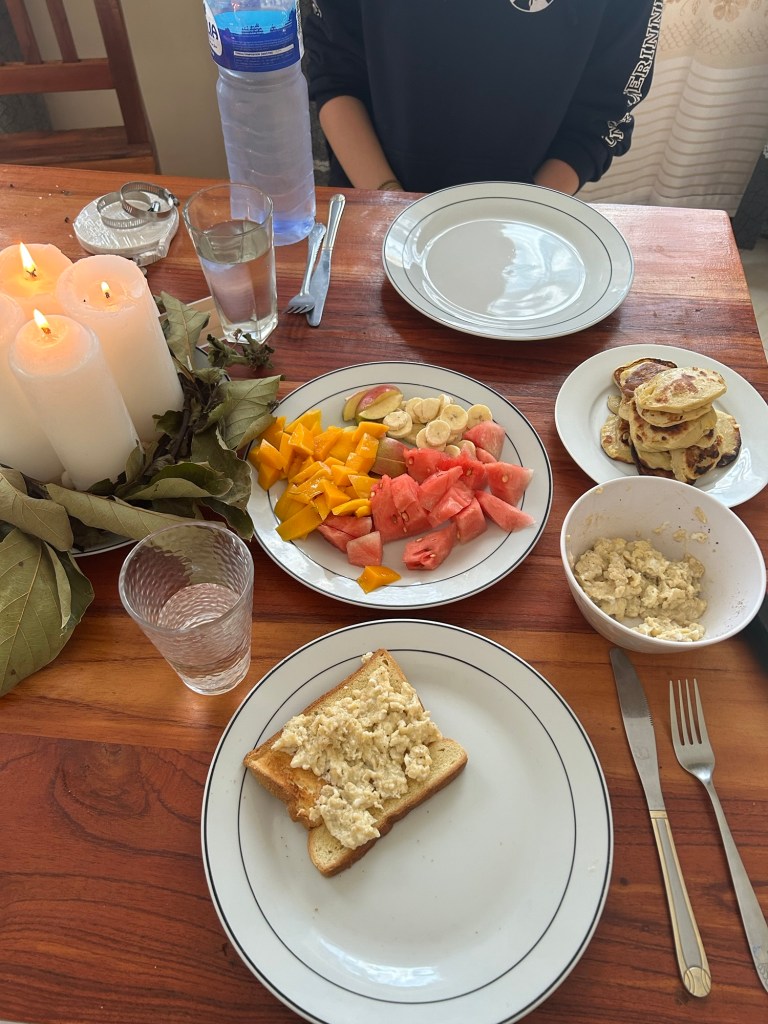
    But what we really wanted was an Advent wreath in our home, just to get a little Christmas spirit. So we made a very improvised wreath.

    This year, everything was different. It was the first time I hadn’t spent Christmas with my family. The first time without bells, without a marathon of church services as an altar girl, and without presents within the family.

    I have now been over 10,000 kilometres away from home for four months. And yet I am still as excited and happy as I was on day one. That is precisely why this Christmas was incredibly wonderful, even though I did not feel in the Christmas spirit at all. Because I celebrated it with my new family in Rulenge💛

    Christmas Eve in Tanzania

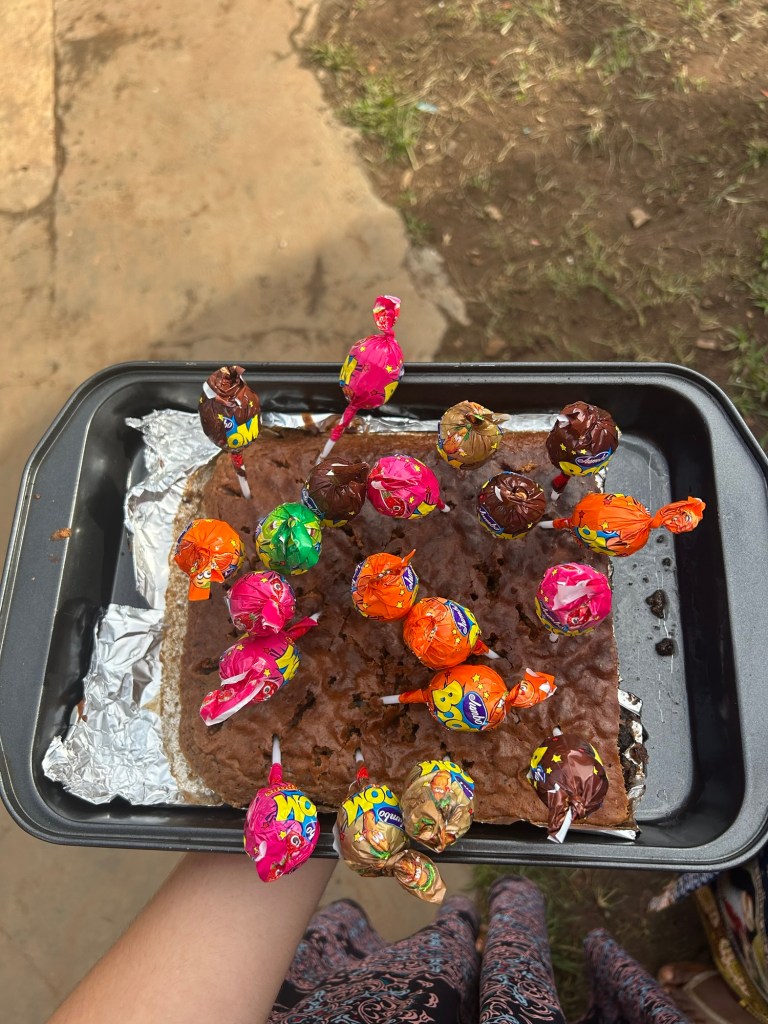
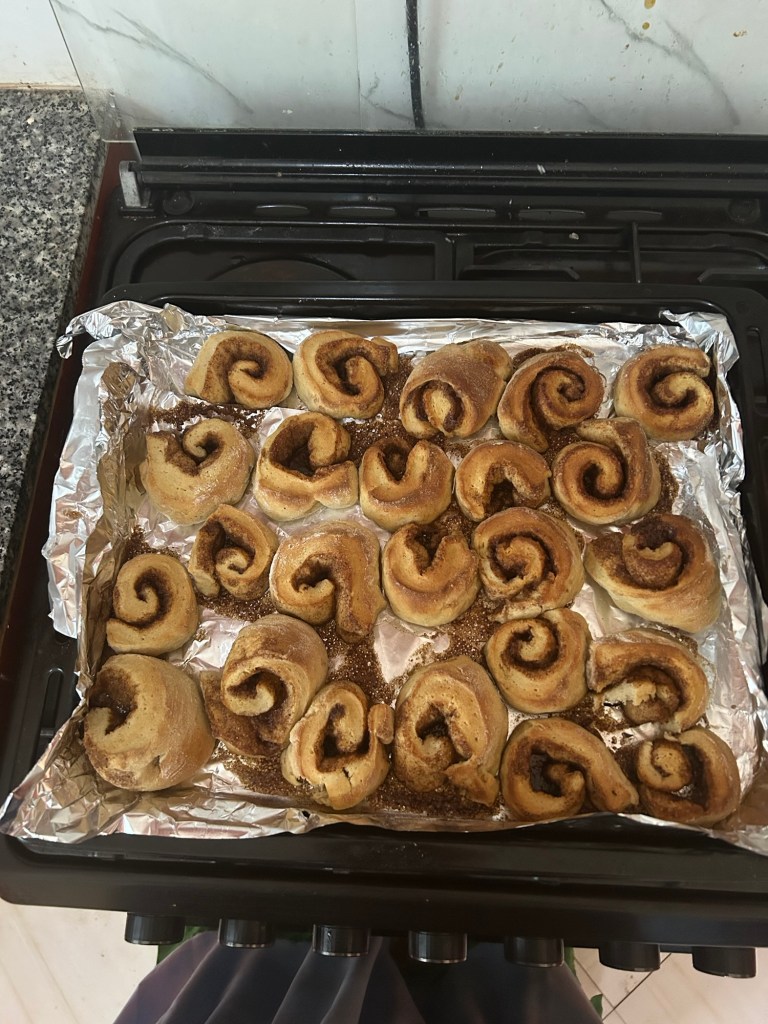
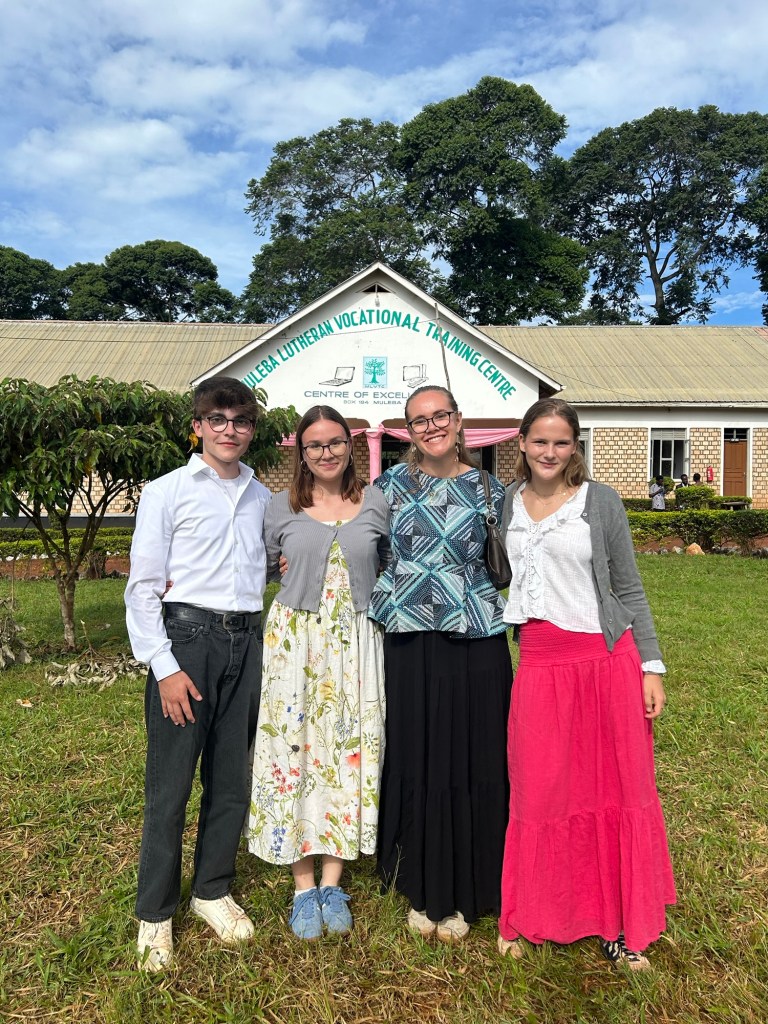
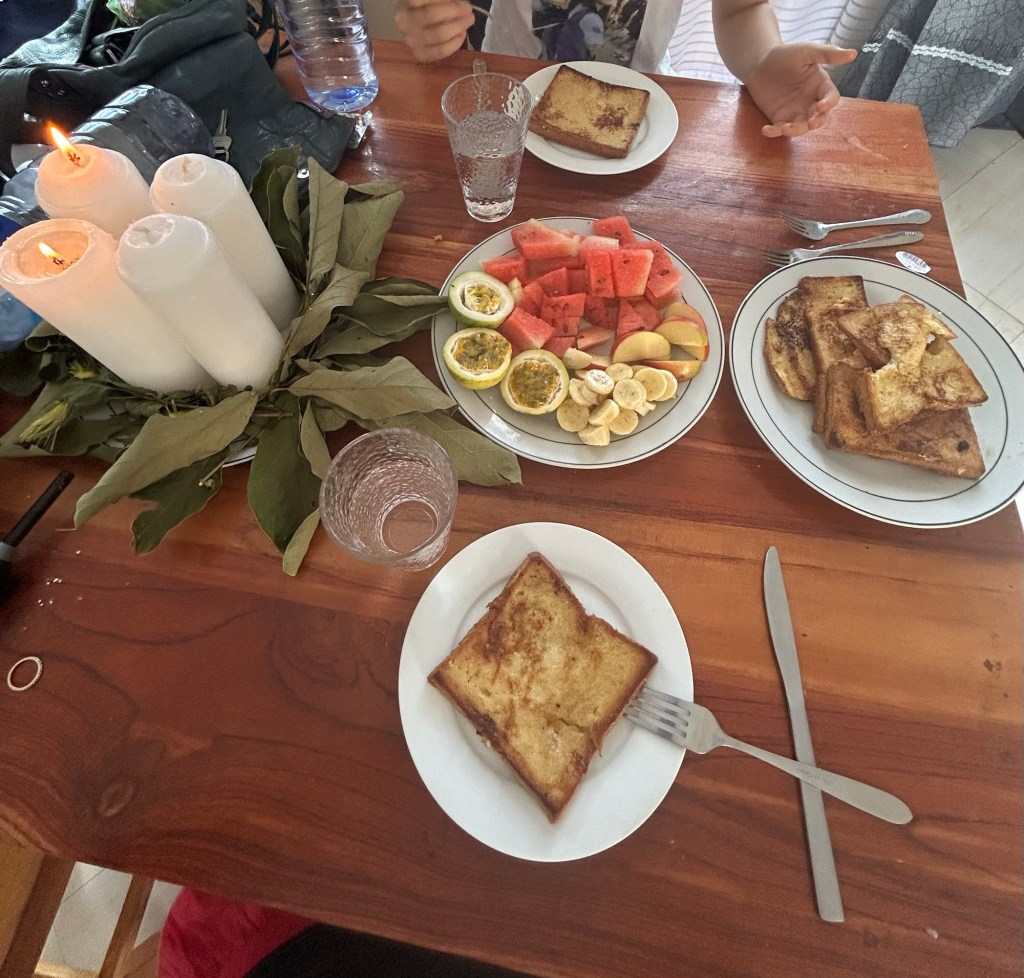
    The 24th was quite stressful and hectic. Shopping, cooking, cleaning and preparing were on the agenda. During this time, we had visitors from Muleba, Leni and Jason. In the morning, I baked cinnamon rolls and cake with a sister, which I took to Angels Home in the afternoon to give the children a little treat.

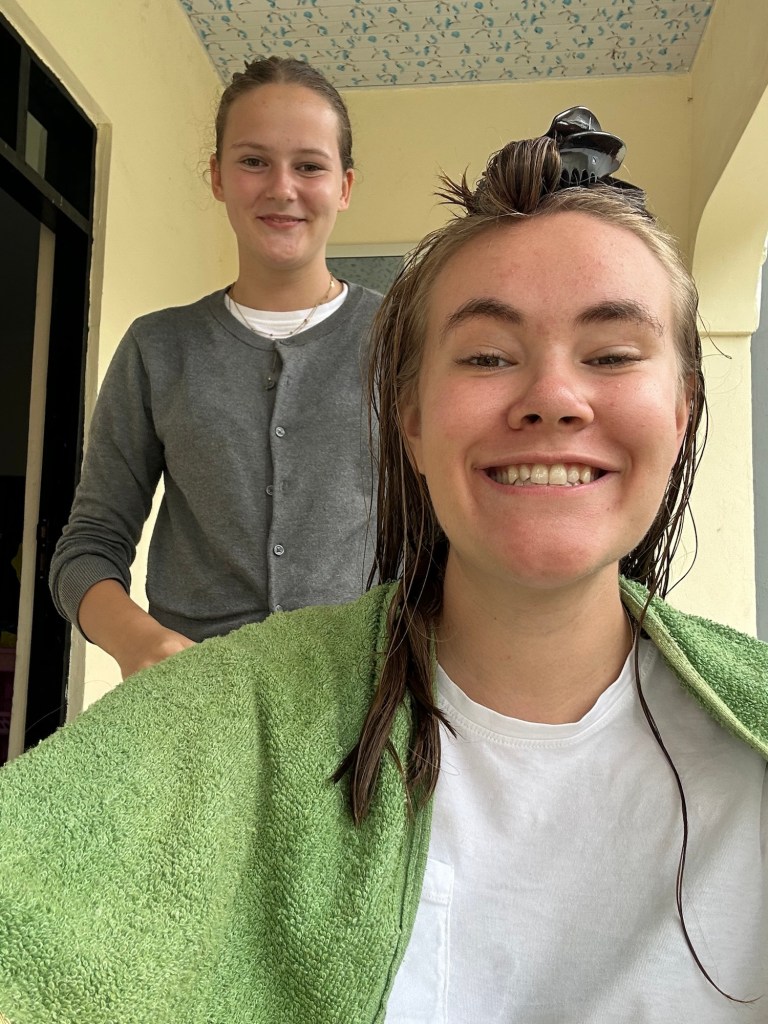
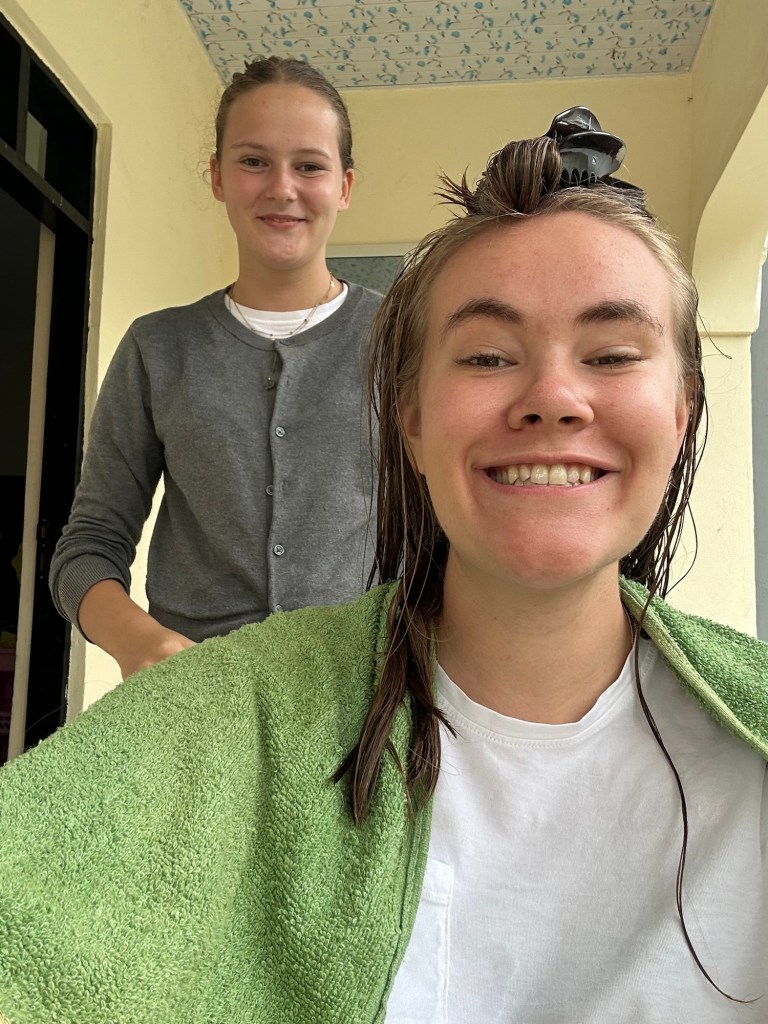
    Philippa cut my hair😅 (a bit toooo short) hahaha

    On this day, a large family also visited the orphanage, who donate money, food and pampers every year on the 24th. I got to meet them and it was really lovely.

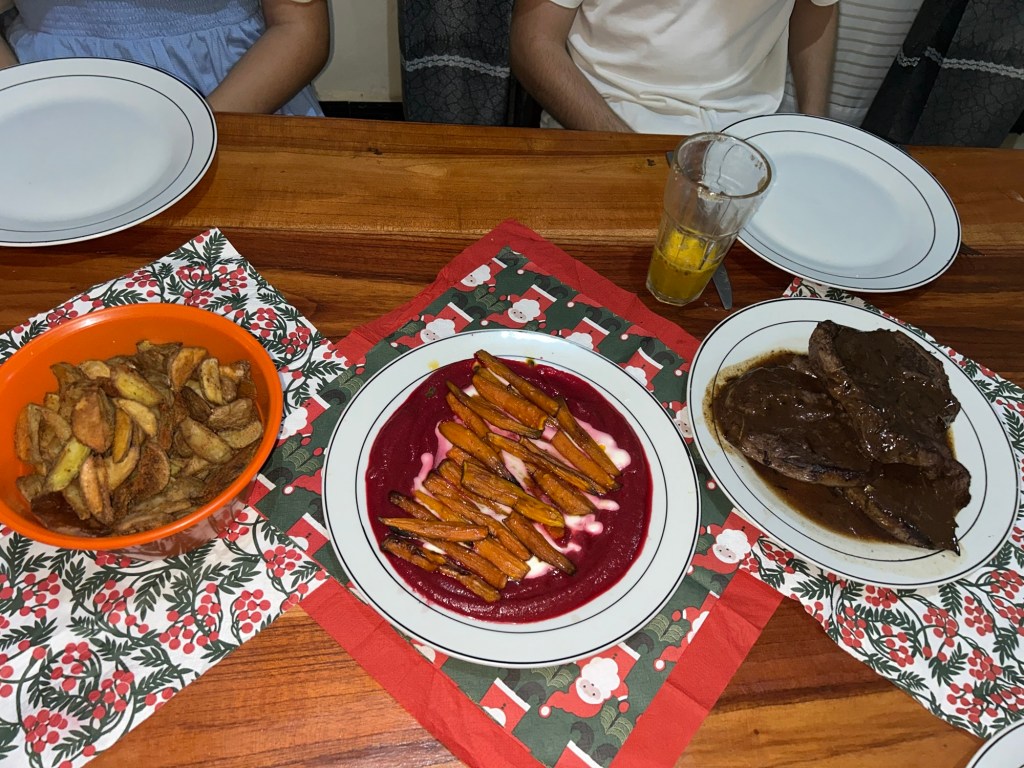
    In the evening, we had a delicious Christmas dinner which also took us the whole day to cook, before going to midnight mass at 8 pm.

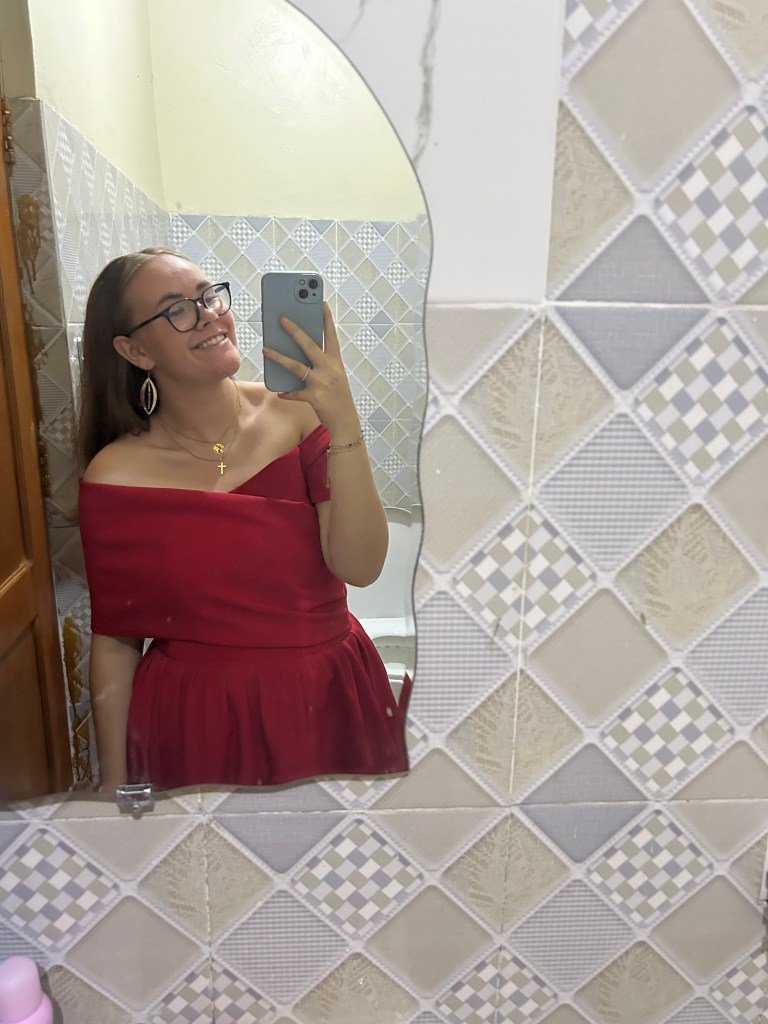
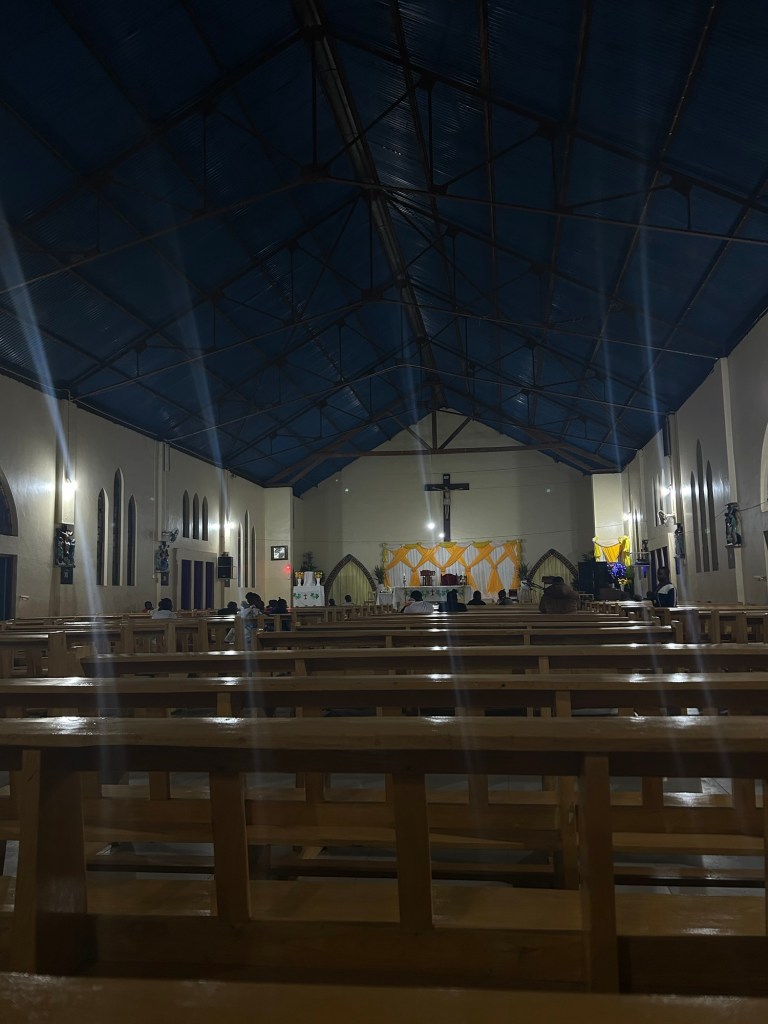
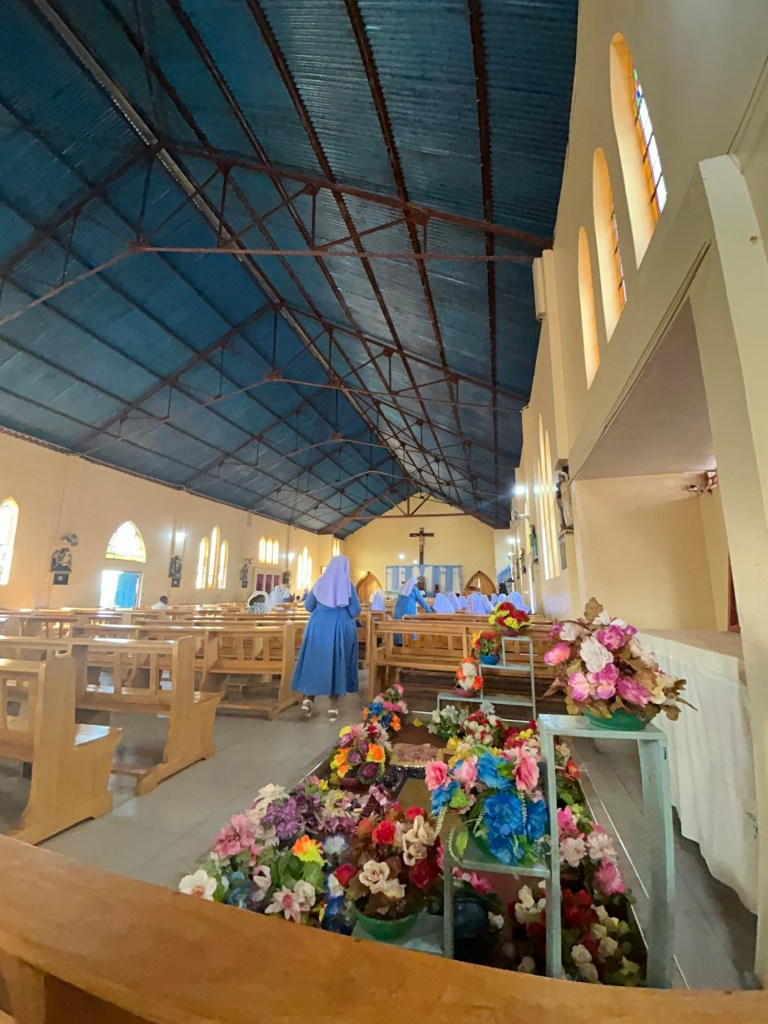
    The mass was very beautiful and contemplative, but even during the Gloria, I didn’t feel any Christmas spirit. I sat in the church wearing a dress and open-toed shoes, which just didn’t seem quite right.

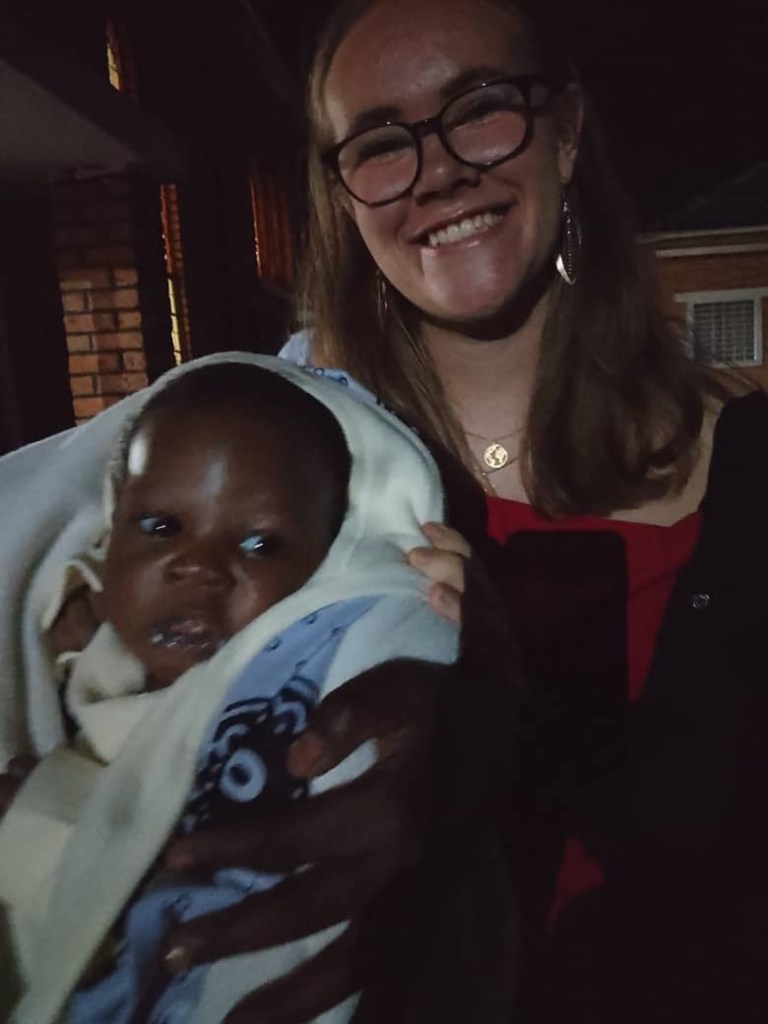
    It was a great gift for me to become the godmother of a baby from Angels Home, with whom I have spent a lot of time in recent weeks due to a hospital stay. When the sisters asked me, I was incredibly moved, grateful and overjoyed.

    Christmas days full of encounters

    After mass, we celebrated with the seminarians before falling into bed late and exhausted. The next morning, we went to mass again early. This was also very special, with wonderful music, beautiful prayers and even more beautiful encounters afterwards.

    At lunchtime, I was invited to Angels Home to have lunch with the sisters. It is soo lovely to feel like a part of the family. In the afternoon, I played with the children. In the evening, Philippa and I went to Barikiwa for dinner. There, too, we met lots of people and had a great chat with them.

    On the 26th, I had the opportunity to experience something very special again. Over 20 sisters from the Bernadette Order (also the sisters from Angels Home) provided musical accompaniment for the church service. They sang and danced, and I was right in the middle of it all. It was an incredibly beautiful experience and it showed me once again why I love life here so much. Everything is so easy; you just do things without thinking too much about it. 

    At lunchtime, we had a visit from two friends. It’s really nice to see how much is now possible in Kiswahili. I can hold most conversations and if I don’t know a word, I can use my hands, feet or my best friend „Google Translator“ to help me.

    The days that followed were still very busy. Meeting friends, spending time with the seminarians, baking, cleaning, cooking, visiting markets, lunch at the bishops house and spending a lot of time with the sisters and children.

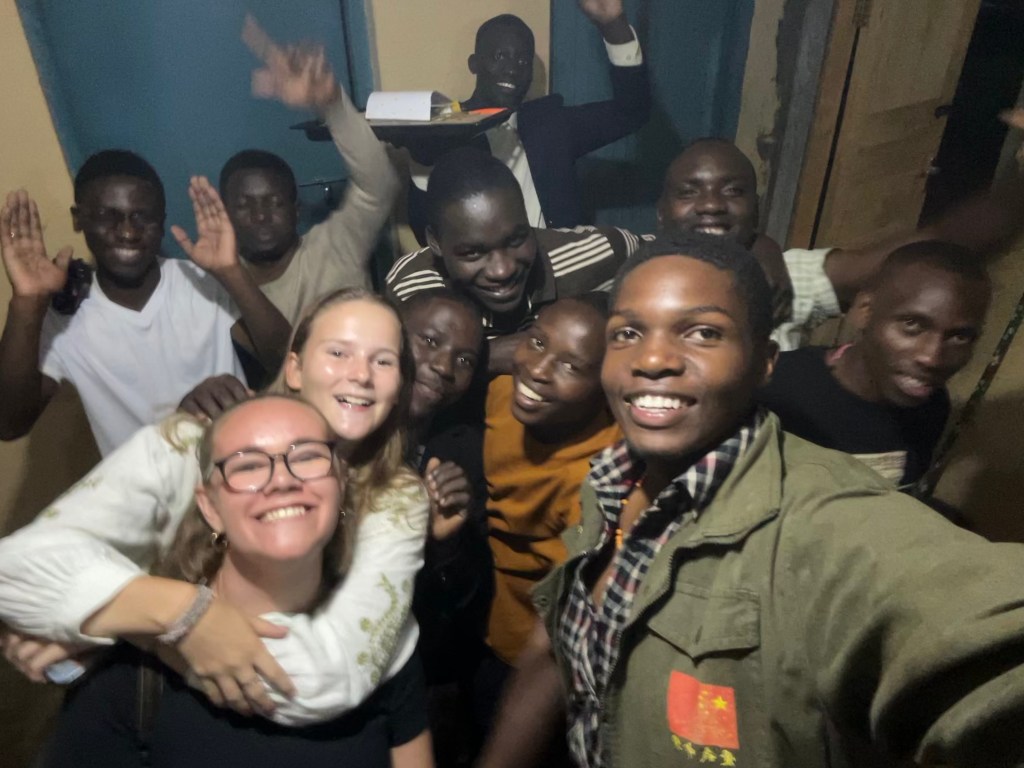
    The seminarians have been on holiday since the 29th, which feels quite unusual and quiet. Normally, I am woken up every day at 6:30am by the seminarians singing, I leave the house and am greeted by loud voices. It’s always fun with them, and suddenly everything was quiet around the house. Saying goodbye was really hard for me as well, because everyone has grown so close to my heart, and we truly are one big family.

    New year’s eve in Rulenge

    On the 31st, I was at work in the morning, spent the evening with friends at Barikiwa and then went to the mass. This New Year’s Eve was also very different, but still incredibly beautiful. It was simply good, relaxed, cheerful, fun and full of great conversations. Very much in the Tanzanian way. It was a totally amazing experience, because the mass started at 10:30pm and went on until after midnight. Shortly before midnight, everyone started singing, dancing and clapping, and at the stroke of midnight, everyone went wild, shouting loudly and celebrating together. Everyone ran around wishing each other a Happy New Year. Totally unfamiliar, but really, really nice! It was also really strange to wish my family a Happy New Year when I was already in 2026 and they still had to wait two hours.

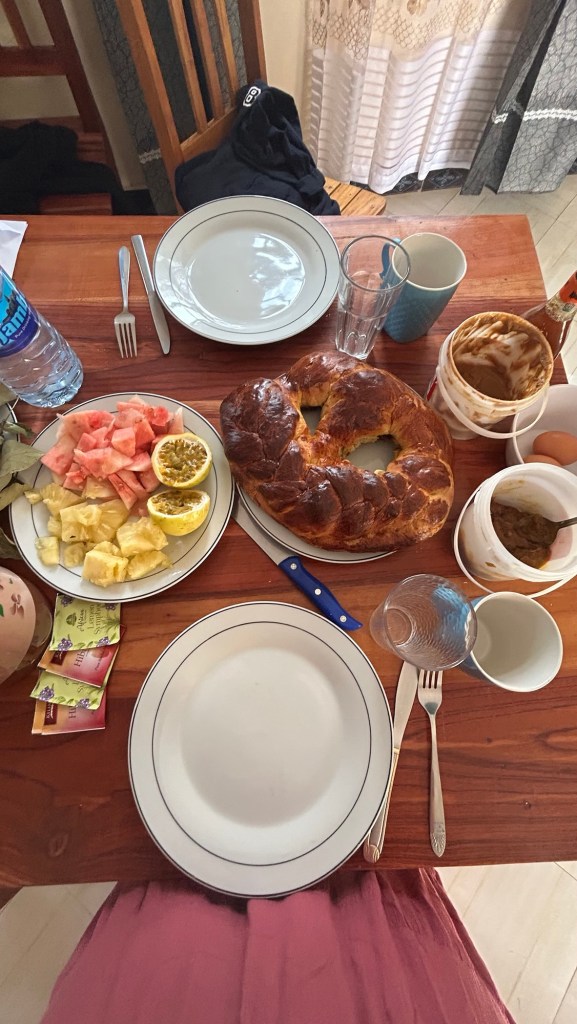
    We spent the 1st in a very relaxed manner. We had a long breakfast, of course with „New Year’s pretzels“, which I had baked the day before, and mango jam, which I also made myself. Afterwards, we went for a long walk and at lunchtime and in the evening I met up with some friends again.

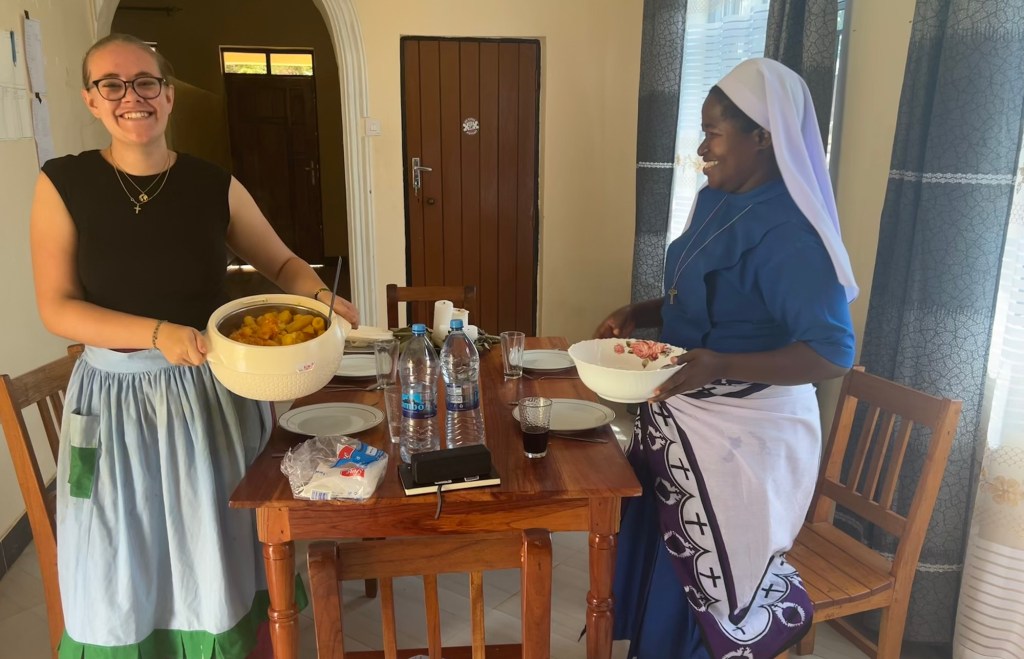
    Another big highlight was the Tanzanian cooking session with my friend. We cooked bananas, meat with a tomato/carrot sauce. Soo delicious. I invited my mentor for lunch as well and he was really happy about the food😅

    pealing the bananas

    My personal thoughts

    You know how important transparency is to me, so I would like to conclude by sharing a few very personal thoughts with you.

    I can only say it again, time is flying. I experience so much here every day that I often can’t keep up. 89 unread WhatsApp chats, no free slots for phone calls and hardly any time to just do nothing. Even though I enjoy every single visit, encounter and I am happy about every message/question from my friends some germany but sometimes it all gets to be too much. Still. I can’t remember a single or half day when I just stayed at home and lazed around.

    Then there’s the language learning process. I learned Kiswahili quite quickly, but of course I’m still learning so much, new stuff every day. My brain only processes a lot of it at night. On the one hand, that’s really cool and wonderful, but on the other hand, it’s also exhausting because I don’t always get a good night’s sleep. But some good news: I dreamed for the first time in Kiswahili a few days ago😍

    And then there is something else that has been on my mind a lot in recent weeks and that I find difficult to put into words. I feel incredibly comfortable here and hardly feel homesick at all, not even for my family, even though I am actually a big family person. At the same time, my home in Germany sometimes feels strangely far away, almost foreign. 

    I feel like I am changing a lot right now and getting to know a new side of myself. That I can live out sides of myself here that I couldn’t live out in Germany in this way. Not in a negative sense, but rather in a way that is unfamiliar and very unsettling. I always thought this realisation would only come at the end of my year here, but it’s already here. And that’s exactly what’s so intense about my time and experience here right now, which is why it was important for me to share it. 

    Currently I wish, I could hold on the time a bit. The time is flying and going back to germany is coming closer and closer and i don’t want to go. I am having the best time of my life here and I want that this stays longer, as long as possible!!! Extending my time here is definitely not out of the question😅

    Right then, I’ve been chatting away again, and now for some really good news to finish with: my family is coming in two days. I’m so incredibly excited to show them everything, introducing them to my friends and just see them again. But it’s so crazy how quickly time has flown by. Only 2 days to go!!!🥳🥳

    After a long trip with my family, I will continue on to the mid-term seminar in Bagamoyo.

    That’s why I won’t be in touch for a while. But it was important to me to write again now.💛

    All the best to you, stay healthy and cheerful.

    Hugs to you all.😘❤️
    Love you and best wishes from Tanzania

  • 7. Weihnachten und Neujahr bei 27 Grad?

    Hallo ihr Lieben,

    Heri ya krismasi na heri ya mwaka mpya! Natumai nyote hamjambo na mlikuwa na siku nzuri za bure!

    Fröhliche Weihnachten und ein gutes neues Jahr! Ich hoffe, es geht euch allen gut und ihr hattet ein paar schöne freie Tage!

    Es gibt mal wieder viel zu erzählen!

    Ein Weihnachten ohne Traditionen

    Weihnachten und Silvester sind für mich eigentlich eine der intensivsten Familienzeiten, dieses Jahr blieb das aber aus. Auch die Vorweihnachtszeit war komplett anders. Keine Weihnachtsmärkte, keine Plätzchen, kein Sonntagskaffee mit Punsch, kein Einmummeln, kein Ofenfeuer, kein Kuscheln mit Decke und Tee auf dem Sofa. All diese Traditionen waren dieses Jahr nicht da.

    Was wir aber unbedingt wollten, war ein Adventskranz bei uns zuhause, einfach um ein bisschen Weihnachtsstimmung zu bekommen. Also haben wir einen sehr improvisierten Kranz gebastelt.

    Dieses Jahr war einfach alles anders. Es war das erste Mal, dass ich Weihnachten nicht bei meiner Familie war. Das erste Mal ohne Glöckchen, ohne Gottesdienst Marathon im Ministrieren und ohne Geschenke innerhalb der Familie.

    Seit fast vier Monaten bin ich nun über 10.000 Kilometer von zuhause entfernt. Und trotzdem bin ich immer noch so aufgeregt und glücklich wie an Tag 1. Genau deshalb war auch dieses Weihnachten, obwohl ich kein bisschen in Weihnachtsstimmung kam, unglaublich schön. Weil ich es mit meiner neuen Familie in Rulenge gefeiert habe💛

    Heiligabend in Tansania

    Der 24. war ziemlich stressig und wuselig. Einkaufen, kochen, putzen und vorbereiten standen auf dem Plan. Für die Zeit hatten wir Besuch von Leni und Jason aus Muleba. Morgens habe ich mit einer Schwester Zimtschnecken und Kuchen gebacken, den ich nachmittags ins Angels Home gebracht habe, um den Kindern eine kleine Freude zu machen.

    An diesem Tag kam auch eine große Familie im Waisenhaus vorbei, die jedes Jahr am 24. Geld, Essen und Windeln spendet. Ich durfte sie kennenlernen und das war echt total schön.

    Abends gab es dann ein großes Weihnachtsessen, bevor wir um 20 Uhr in die Christmette gegangen sind.

    Die Messe war sehr schön und besinnlich, aber selbst beim Gloria kam bei mir keine Weihnachtsstimmung auf. Ich saß mit Kleid und offenen Schuhen in der Kirche, das hat einfach nicht so ganz zusammengepasst.

    Ein riesengroßes Geschenk für mich war, dass ich Taufpatin eines Babys aus dem Angels Home geworden bin, das ich die letzten Wochen im Krankenhaus sehr stark begleitet habe. Als die Schwestern mich gefragt haben, war ich unglaublich berührt, dankbar und total glücklich.

    Weihnachtstage voller Begegnungen

    Nach der Messe haben wir noch mit den Seminaristen gefeiert, bevor wir spät und totmüde ins Bett gefallen sind. Am nächsten Morgen ging es früh wieder in die Messe. Auch diese war total besonders, mit toller Musik, schönen Gebeten und noch schöneren Begegnungen danach.

    Mittags war ich im Angels Home zum gemeinsamen Essen mit den Schwestern eingeladen. Es war einfach schön, sich so als Teil der Familie zu fühlen. Nachmittags habe ich noch mit den Kindern gespielt. Abends ging es dann mit Philippa ins Barikiwa zum Abendessen. Auch da haben wir wieder super viele Menschen getroffen, mit denen wir uns dann unterhalten haben.

    Am 26. durfte ich nochmal etwas ganz Besonderes erleben. Über 20 Schwestern aus dem Bernadette Orden (die Schwestern aus dem Angels Home) haben den Gottesdienst musikalisch begleitet. Sie haben gesungen und getanzt und ich war einfach mitten drin. Es war ein unglaublich schönes Erlebnis und es hat mir mal wieder gezeigt, wieso ich das Leben hier so liebe. Alles ist einfach so leicht, man macht einfach mal, ohne viel nachzudenken. 

    Mittags hatten wir dann noch Besuch von zwei Freundinnen. Es ist total schön zu merken, wie viel mittlerweile auf Kiswahili möglich ist. Alle Gespräche kann ich führen und wenn Wörter fehlen, helfen Hände, Füße oder der Google Übersetzer.

    Die Tage danach waren weiterhin gut gefüllt. Freunde treffen, Zeit mit den Seminaristen, backen, kochen, Marktbesuche, Mittagessen beim Bischoff und viel Zeit bei den Schwestern und Kindern.

    Die Seminaristen sind seit dem 29. in den Ferien, was sich ziemlich ungewohnt und leise anfühlt. Sonst werde ich täglich um 6:30 Uhr mit singen der Seminaristen geweckt, gehe aus dem Haus und werde mit lauten Stimmen begrüßt. Mit ihnen hat man einfach immer Spaß und plötzlich war alles still ums Haus rum. Der Abschied ist mir dann auch echt schwer gefallen, weil mir alle mittlerweile so stark ans Herz gewachsen sind und wir einfach einen ganz große Familie sind.

    Silvester in Rulenge

    Silvester haben wir in Rulenge verbracht.

    Am 31. haben wir noch gearbeitet, waren abends mit Freunden im Barikiwa und danach in der Messe Auch dieses Silvester war ganz anders und trotzdem unglaublich schön. Einfach gut, entspannt, fröhlich, lustig und mit tollen Gesprächen. Ganz auf die tansanische Art und Weise. Es war ein total tolles Erlebnis, denn die Messe begann um 10:30 und ging bis nach Mitternacht. Um kurz vor 12 Uhr haben alle angefangen zu singen, tanzen, klatschen und um Punkt sind alle echt ausgerastet, haben laut gerufen und alle haben einfach zusammengefeiert. Alle sind rumgelaufen und haben sich ein frohes Neues Jahr gewünscht. Total ungewohnt, aber richtig richtig schön! Es war auch total seltsam meiner Familie dann schon frohes Neues Jahr zu wünschen, während ich schon in 2026 war und sie noch 2 Stunden warten mussten.

    Den 1. haben wir dann ganz entspannt verbracht. Wir haben lange gefrühstückt, natürlich mit Neujahrsbrezel, die ich am Tag davor gebacken hatte, und mit Mangomarmelade, die ich auch selbst gekocht habe. Danach haben wir einen langen Spaziergang gemacht und mittags sowie abends habe ich mich wieder mit meinen Freunden getroffen.

    Ein weiteres großes Highlight war das tansanische Kochen mit meiner Freundin. Wir haben Kochbanane und Fleisch mit Tomaten/Karottensauce gekocht. Das war super lustig, mega lecker und mein Mentor war auch sehr begeistert, als er fürs Mittagessen vorbeikam.

    Bananen schälen (deutlich schwerer als gedacht und es aussieht)

    Meine persönlichen Gedanken

    Ihr wisst, wie wichtig mir Transparenz ist, deshalb möchte ich zum Schluss noch ein paar sehr persönliche Gedanken mit euch teilen.

    Ich kann es nur wieder sagen, die Zeit rennt. Ich erlebe hier tagtäglich so viel, dass ich oft gar nicht hinterherkomme. 89 ungelesene WhatsApp Chats, keine „freien Termine“ für Telefonate und kaum Zeit, einfach mal nichts zu tun. Manchmal ist das alles dann doch einfach zu viel, auch wenn ich mich über jeden einzelnen Besuch und jede Begegnung freue. Trotzdem erinnere ich mich an keinen Tag, wo ich einfach mal einen Tag nur zuhause war und gefaulenzt habe.

    Dazu kommt der Sprachprozess. Ich habe Kiswahili zwar relativ schnell gelernt, aber ich lerne jeden Tag so viel Neues dazu. Vieles davon verarbeitet mein Kopf erst nachts. Das ist auf der einen Seite total cool und schön, auf der anderen Seite aber auch anstrengend, weil ich selbst nachts dann nicht immer richtig zur Ruhe komme.

    Und dann gibt es da noch etwas, das mich in den letzten Wochen sehr beschäftigt und das ich gar nicht so leicht in Worte fassen kann. Ich fühle mich hier unglaublich wohl und habe kaum Heimweh, nicht einmal nach meiner Familie, obwohl ich eigentlich ein totaler Familienmensch bin. Gleichzeitig fühlt sich mein Zuhause in Deutschland manchmal seltsam weit weg an, fast schon fremd. 

    Ich habe das Gefühl, dass ich mich gerade stark verändere und eine neue Seite an mir kennenlerne. Dass ich hier Seiten ausleben kann, die ich in Deutschland auf diese Art und Weise nicht ausleben konnte. Nicht im negativen Sinne, eher ungewohnt und sehr irritierend machend. Ich dachte immer, diese Erkenntnis kommt erst am Ende meines Jahres hier, aber sie ist schon jetzt da. Und genau das gehört gerade ganz intensiv zu meiner Zeit und meiner Erfahrung hier dazu, deshalb war es mir wichtig das zu teilen. 

    Zurzeit wünschte ich mir, ich könnte die Zeit einfach mal anhalten. Die Zeit vergeht viel zu schnell. Ganz bald ist schon Halbzeit😢

    Ich habe hier die beste Zeit meines Lebens und möchte, dass das so lange wie nur möglich so bleibt!!!

    Sodele, jetzt habe ich wieder viel erzählt und jetzt noch richtig schöne Nachrichten zum Schluss: In zwei Tagen kommt meine Familie. Ich freue mich so unglaublich, ihnen alles zu zeigen, ihnen alle vorzustellen und sie wiederzusehen. Aber auch da ist es sooo verrückt, wie schnell die Zeit verflogen ist.

    Nur noch 2 Tage!!!🥳🥳

    Nach einer großen Reise mit meiner Familie geht es dann für mich weiter ins Zwischenseminar nach Bagamoyo.

    Deshalb werde ich mich erstmal eine Weile nicht melden. Mir war es aber wichtig, jetzt nochmal zu schreiben.💛

    Alles Liebe an euch, bleibt gesund und munter.

    Fühlt euch gedrückt.😘

    Liebste Grüße aus Tansania

  • 6. Deutschland vs. Tansania Teil 2

    Hallo ihr Lieben,

    ich hoffe es geht euch allen gut.

    Wie versprochen gibt es den zweiten Teil über die größten Unterschiede, die mir hier in Tansania bisher aufgefallen sind. Dinge, die ich mitbekomme, erlebe und sehe, und die im Vergleich zu Deutschland einfach ganz anders sind. Auch diesmal gilt natürlich wieder, dass alles, was ich im Folgenden schreibe, auf meinen persönlichen Eindrücken, Erfahrungen basiert, sowie aus Gesprächen mit locals. Vieles trifft sicherlich nicht auf ganz Tansania zu, sondern vor allem auf meine Region. Und genauso beziehen sich meine Gedanken zu Deutschland nur auf das, was ich selbst kenne und bisher erlebt habe.

    Und bald wird es dann wieder einen „typischen“ Blog Eintrag geben, mit ganz vielen Bildern und Geschichten aus meinem Alltag.

    1.Mein Haus = Dein Haus

    Bisher habe ich noch nirgendwo Türklingeln entdeckt. Wenn man jemanden besuchen will, ruft man manchmal vorher an, aber meistens klopft man nur kurz an, sagt „hodi hodi“ und geht dann einfach rein. Das hat mich am Anfang echt Überwindung gekostet, weil dieses spontane Betreten von Häusern in Deutschland völlig unvorstellbar ist. Noch überraschender ist es, wenn man selbst entspannt auf dem Sofa liegt und plötzlich jemand in deiner Küche steht.

    Hier gehört das einfach so zum Alltag dazu und schafft ein besonderes Gefühl von Nähe und Vertrauen. Mittlerweile habe ich mich daran gewöhnt und freue mich über jeden Besuch, egal ob angekündigt oder nicht.

    2. Zeit

    In Tansania beginnt die Woche offiziell mit dem Samstag. Im Kiswahili heißt der Samstag „Jumamosi“, also „erster Tag der Woche.“ Damit startet die Woche mit dem Wochenende. Es kommt aber immer darauf an, mit wem man spricht. Für viele Menschen, die arbeiten gehen, beginnt die Woche trotzdem am Montag.

    Diese Zählweise kommt vom arabischen Einfluss auf Sprache und Kultur. „Juma“ bedeutet Woche und bezieht sich auf den Freitag, der eine besondere Rolle spielt. Von dort aus werden die Tage einfach weitergezählt.

    Auch die Zeitangabe ist im Kiswahili anders. Es gibt die sogenannte Swahili-Zeit. Sie funktioniert mit einem 12-Stunden-System und liegt immer sechs Stunden hinter unserer Zeit. Das bedeutet zum Beispiel, dass 7 Uhr morgens nach unserer Zeit hier 1 Uhr morgens ist.

    Das kann manchmal ziemlich verwirrend sein. Oft ist nicht ganz klar, ob gerade die englische Zeit oder die Swahili-Zeit gemeint ist. Besonders dann, wenn jemand „am“ oder „pm“ sagt, aber eigentlich die Swahili-Zeit benutzt. Manche Menschen wissen auch gar nicht, dass es diesen Unterschied von sechs Stunden gibt, obwohl die Uhren nach der englischen Zeit eingestellt sind.

    Der Grund dafür ist ganz einfach: Der Tagesablauf richtet sich hier nach dem Sonnenaufgang und dem Sonnenuntergang. Da es in der Nähe des Äquators fast immer gegen sechs Uhr hell wird, beginnt der Tag in der Swahili-Zeit einfach um diese Uhrzeit.

    3. Gesundheits- und Sozialsystem

    Das Gesundheits- und Sozialsystem in Tansania unterscheidet sich in einigen Punkten von dem, was wir aus Deutschland kennen. Eine Krankenversicherung gibt es grundsätzlich für alle. Entweder wird der Beitrag direkt vom Gehalt abgezogen oder man schließt eine private Krankenversicherung ab, die meist einmal im Jahr bezahlt wird. Trotzdem gibt es viele Menschen, die sich diese Versicherung nicht leisten können und medizinische Behandlungen deshalb selbst bezahlen müssen. Das kann schnell teuer werden und stellt für viele eine große Herausforderung dar.

    Als Alternative gibt es staatliche Krankenhäuser und Gesundheitszentren, in denen Behandlungen kostenlos oder sehr günstig angeboten werden. Die medizinische Versorgung ist dort meist einfacher als in privaten Kliniken und vor allem in ländlichen und ärmeren Regionen nicht immer flächendeckend verfügbar. Gleichzeitig arbeitet die Regierung daran, das staatliche Krankenversicherungssystem weiter auszubauen. Ziel ist es, langfristig allen Menschen eine Krankenversicherung zu ermöglichen.

    Auch im Bereich Rente und soziale Absicherung gibt es staatliche Systeme. Für Angestellte existieren Rentenkassen, in die während des Arbeitslebens eingezahlt wird. Bei Arbeitsunfällen oder dem Verlust des Arbeitsplatzes kann unter bestimmten Voraussetzungen Unterstützung aus dem Workers Compensation Fund erfolgen.

    Das Notrufsystem ist ganz anders als in Deutschland. Es gibt zwar eine Notrufnummer, aber sie funktioniert nicht zuverlässig. Neulich habe ich mit einem Freund versucht, diese Nummer anzurufen, sie war jedoch nicht erreichbar. In ländlichen Regionen klappt das noch seltener als in größeren Städten. Das bedeutet auch, dass man bei einem Unfall auf dem Land stark auf sich selbst und auf seine Angehörigen angewiesen ist. Im Notfall kann man nur hoffen, dass Hilfe aus der Familie oder der direkten Umgebung nicht weit entfernt ist.

    4. Trinkwasser

    In Deutschland kommt jederzeit sauberes, leckeres Trinkwasser aus dem Hahn, auch etwas, das mir hier erst richtig bewusst geworden ist. In Tansania kann man Leitungswasser nicht einfach trinken. Für alles, sogar fürs Zähneputzen oder Gemüsewaschen, benutze ich gekauftes oder abgekochtes Wasser. Selbst beim Reis kochen sind wir manchmal vorsichtig und greifen lieber zu Trinkwasser, weil über Leitungswasser trotz Kochen Tropenkrankheiten und Infektionen übertragen werden können. Das macht vieles aufwendiger und zeigt mir erneut, wie privilegiert wir Zuhause mit Wasser versorgt sind. Nach einigen Regentagen, können dann auch mal die Wasserleitungen verstopft sein, sodass dann aus dem Wasserhahn dreckiges Wasser rauskommt.

    5. Frauenbild

    Mir ist hier in Tansania besonders aufgefallen, wie stark traditionelle Rollenbilder noch leben. Eine Frau steht in der Gesellschaft immer unter einem Mann und muss ihm jederzeit Respekt erweisen. Beziehungen dürfen zwar öffentlich ausgelebt werden, aber eigentlich nur, wenn klar ist, dass die Hochzeit bald stattfindet. Ein Mann darf mehrere Frauen gleichzeitig haben, denn hier heißt es: ein Mann kann mehrere Frauen gleichzeitig schwängern, eine Frau kann jedoch nur von einem Mann schwanger sein.

    Auch Kleidung spielt eine große Rolle: Frauen tragen selten Hosen und müssen sich immer bedeckt anziehen. Dazu kommt, dass sie den Haushalt schmeißen, Kinder versorgen und arbeiten, quasi Familienbeschützerin, Alltagsmanagerin und Arbeitnehmerin in einem. Vor der Hochzeit muss ein Mann einer Frau zudem Geld bezahlen, in manchen Regionen noch Kühe oder Ziegen dazu, abhängig davon, was die Familie der Frau möchte.

    Im Vergleich dazu wirkt Deutschland wie eine andere Welt: Gleichberechtigung wird gesetzlich unterstützt, Frauen entscheiden selbst über Beziehungen, Kleidung und Berufsleben. Natürlich ist auch bei uns nicht alles perfekt, aber die Unterschiede sind mir hier sehr deutlich geworden.

    6. Bezahlung

    Was mir hier sofort aufgefallen ist: Digitalisierung spielt beim Bezahlen praktisch keine Rolle. Fast alles läuft noch mit Bargeld. Es gibt zwar M-Pesa, ein System, bei dem man Geld über die Telefonnummer an Personen schicken kann, aber um es zu nutzen, muss man zuerst Bargeld an einem Stand auf sein Handy laden. Kartenzahlung findet man nur selten, und dann meistens nur in großen Städten, und selbst dort vor allem in europäischen oder touristischen Vierteln. Im Vergleich zu Deutschland, wo fast überall kontaktlos gezahlt werden kann, fühlt sich das hier richtig „analog“ an, und man merkt sofort, wie stark Bargeld den Alltag bestimmt.

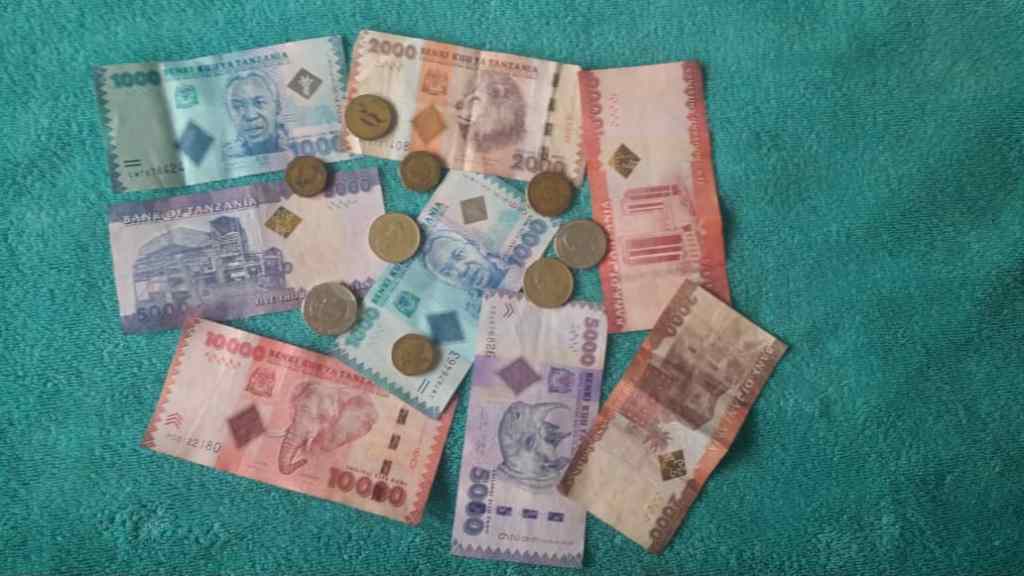
    Hinzu kommt, dass die Währung hier ganz anders ist als in Deutschland. Der größte Schein, 10.000 tansanische Schillings entsprechen gerade einmal etwas über 2,5 Euro. Die kleinste Münze ist 200 Schilling, was man in Euro oder Cent nicht ausdrücken kann. Wenn man zur Bank geht, kann man maximal 400.000 TZS auf einmal abheben, also etwa 140 Euro. Das reicht zwar für lange Zeit, trotzdem läuft man ständig mit einem Stapel Geld herum, was sich echt seltsam anfühlt. Als ich einmal im Krankenhaus eine Rechnung von zwei Millionen Schilling bezahlen musste, musste ich gleich fünfmal zur Bank und mehrere Banken nutzen, sonst hätte ich gar nicht genug Bargeld bekommen.

    Aber die Scheine sehen hier unglaublich schön aus.

    7. Klima

    Das Klima hier in Tansania ist total anders als in Deutschland. In meiner Region rund um Rulenge, Ngara im Kagera-Distrikt merkt man die Jahreszeiten vor allem an Regen- und Trockenzeit. Gerade sind wir in der kleinen Regenzeit, und es regnet tatsächlich fast jeden Tag 1–3 Stunden richtig heftig, ein Wolkenbruch, den wir aus Deutschland kaum kennen. Davor und danach scheint die Sonne wieder verlässlich, als wäre nichts gewesen. Der Regen kommt einfach, manchmal echt in den ungünstigen Momenten, und angekündigt wird er nicht. Tagsüber liegt die Temperatur zurzeit bei 25-30Grad, manchmal ist es sehr schwül, drückend oder heiß, nachts kühlt es aber deutlich ab. Wenn es länger regnet, kann es sogar richtig kalt werden. (Kühle 12 Grad, haha.) Trotzdem sieht man eigentlich jeden Tag die Sonne.

    Ganz anders ist es in Dar es Salaam an der Küste: Dort hat man praktisch das ganze Jahr über Temperaturen um die 30 Grad, Regen fällt unregelmäßig, und die Luft ist oft feucht und tropisch warm.

    Ich bin wirklich froh, dass ich gerade im Dezember, um Weihnachten, keine Winterjacke, Schal, Mütze und Handschuhe brauche, sondern einfach im T-Shirt und Rock draußen rumlaufen kann. Großes Beileid an euch alle, wenn ich den Wetterbericht in Deutschland manchmal anschaue und -4 Grad sehen.

    8. Glaube

    Der Glaube spielt hier in Tansania eine viel größere Rolle im Alltag als in Deutschland. Er wird komplett in der Gemeinschaft gelebt. Es besteht aus gemeinsamen Beten, Kirchenbesuchen, religiösen Festen und Ritualen. Mir ist aufgefallen, dass die Gewohnheiten hier manchmal aber anders sind, als ich es aus Deutschland kenne. Viele beten für wirklich alles, vor dem Essen, vor der Schule, vor jeder Autofahrt und gehen regelmäßig in die Messe, empfangen dann aber keine Eucharistie. Für mich wirkt das etwas ungewöhnlich.

    Ein Satz, den ich hier besonders oft gehört habe, lautet „You have my prayers“. Im Deutschen würden wir so etwas eher mit „Ich denke an dich“ oder „Ich glaube an dich“ ausdrücken. Trotzdem ist es beeindruckend zu sehen, wie sehr Glaube hier den Alltag prägt und wie stark er Menschen miteinander verbindet.

    Die Kirche in Rulenge

    So und damit beende ich vorerst auch wieder die Deutschland vs. Tansania Reihe. Es gibt wirklich sehr viele Unterschiede, aber gerade das macht es ja so spannend.

    Passt weiterhin gut auf euch auf. Der nächste Blogeintrag kommt dann erst wieder im neuen Jahr. 😍

    Deshalb sage ich jetzt schon mal: Heri ya Krismasi na mwaka mpya wenye furaha! = Fröhliche Weihnachten und einen guten Rutsch ins neue Jahr.

    Lasst es euch gutgehen und genießt die freien Tage.

    Fühlt euch gedrückt, alles Liebe zu euch ❤️
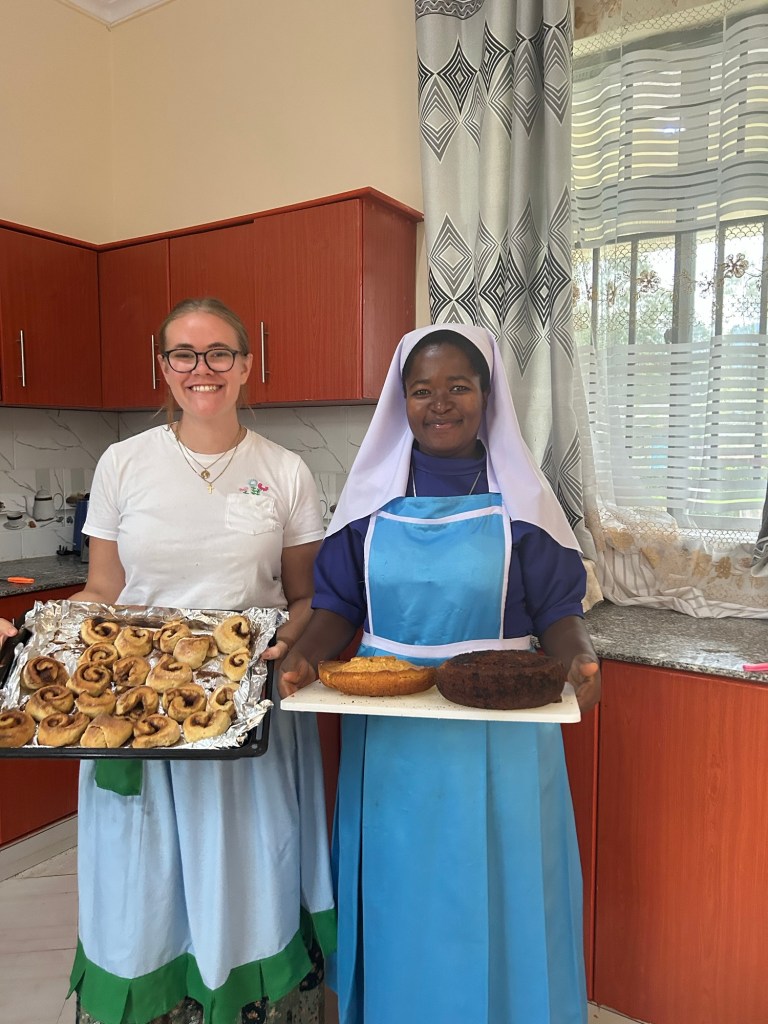
    Eure Joana (mein neuer Name, seitdem ich hier bin😉)

  • 6. Germany vs. Tanzania Part 2

    Hello my dears,

    I hope you are all well.

    As promised, here is the second part about the biggest differences I have noticed here in Tanzania so far. Things that I notice, experience and see, and which are simply very different compared to Germany. Once again, everything I write below is based on my personal impressions and experiences, as well as conversations with locals. Much of it certainly does not apply to Tanzania as a whole, but mainly to my region. And in the same way, my thoughts on Germany only refer to what I myself know and have experienced so far.

    And soon there will be another ‘typical’ blog entry, with lots of pictures and stories from my everyday life.

    1. My house = your house

    So far, I haven’t seen any doorbells anywhere. If you want to visit someone, you sometimes call ahead, but most of the time you just knock briefly, say ‘hodi hodi’ and then simply walk in. At first, this took a lot of effort on my part, because this spontaneous entering of houses is completely unimaginable in Germany. It’s even more surprising when you’re relaxing on the sofa and suddenly someone is standing in your kitchen.

    Here, it’s just part of everyday life and creates a special feeling of closeness and trust. I’ve gotten used to it now and am happy about every visit, whether announced or not.

    2. Time

    In Tanzania, the week officially begins on Saturday. In Kiswahili, Saturday is called ‘Jumamosi,’ meaning ‘first day of the week.’ This means that the week starts with the weekend. However, it depends on who you talk to. For many people who go to work, the week still starts on Monday.

    This way of counting comes from the Arabic influence on language and culture. ‘Juma’ means week and refers to Friday, which plays a special role. From there, the days are simply counted on.

    The time is also different in Kiswahili. There is what is known as Swahili time. It uses a 12-hour system and is always six hours behind our time. This means, for example, that 7 a.m. German time is 1 p.m. here.

    This can sometimes be quite confusing. It is often not entirely clear whether English time or Swahili time is meant. Especially when someone says ‘am’ or ‘pm’ but is actually using Swahili time. Some people are not even aware that there is a six-hour difference, even though their clocks are set to English time.

    The reason for this is quite simple: the daily routine here is based on sunrise and sunset. Since it almost always gets light around six o’clock near the equator, the day simply begins at this time in Swahili time.

    3. Health and social welfare system

    The health and social welfare system in Tanzania differs in some respects from what we are familiar with in the Germany. Health insurance is available to everyone. Contributions are either deducted directly from salaries or people take out private health insurance, which is usually paid for once a year. Nevertheless, there are many people who cannot afford this insurance and therefore have to pay for medical treatment themselves. This can quickly become expensive and poses a major challenge for many.

    As an alternative, there are state hospitals and health centres where treatment is offered free of charge or at very low cost. Medical care there is usually more basic than in private clinics and, especially in rural and poorer regions, is not always available everywhere. At the same time, the government is working to further expand the state health insurance system. The long-term goal is to provide health insurance for everyone.

    There are also state systems for pensions and social security. For employees, there are pension funds such as the NSSF and the PSSF, into which contributions are paid during their working life. In the event of accidents at work or loss of employment, support can be provided by the Workers Compensation Fund under certain conditions.

    The emergency call system is very different from that in Germany. There is an emergency number, but it does not work reliably. I recently tried to call this number with a friend, but it was unavailable. In rural areas, it works even less frequently than in larger cities. This also means that in the event of an accident in the countryside, you are heavily reliant on yourself and your relatives. In an emergency, you can only hope that help from family or those in your immediate vicinity is not far away.

    4. Water

    In Germany, clean, delicious drinking water comes out of the tap at any time, something I only really became aware of here. In Tanzania, you can’t just drink tap water. I use bottled or boiled water for everything, even brushing my teeth or washing vegetables. Even when cooking rice, we are sometimes cautious and prefer to use drinking water because tropical diseases and infections can be transmitted via tap water despite boiling. This makes many things more complicated and shows me once again how privileged we are to have a water supply at home. After a few days of rain, the water pipes can become blocked, causing dirty water to come out of the tap.

    5. Image of women

    Here in Tanzania, I have noticed how strongly traditional role models still prevail. In society, a woman is always subordinate to a man and must show him respect at all times.

    A man is allowed to have several wives at the same time, because here the saying goes: a man can impregnate several women at the same time, but a woman can only be pregnant by one man.

    Clothing also plays an important role: women rarely wear trousers and must always dress modestly. In addition, they run the household, look after the children and work, acting as family protector, daily manager and employee all in one. Before the wedding, a man must also pay money to a woman, and in some regions cows or goats as well, depending on what the woman’s family wants.

    In comparison, Germany seems like a different world: equality is supported by law, and women make their own decisions about relationships, clothing and professional life. Of course, not everything is perfect here either, but the differences have become very clear to me here.

    6. Payment

    What immediately struck me here was that digitalisation plays virtually no role in payments. Almost everything is still done with cash. There is M-Pesa, a system that allows you to send money to people via their telephone number, but to use it, you first have to load cash onto your mobile phone at a kiosk. Card payments are rare, and then mostly only in large cities, and even there mainly in European or tourist districts. Compared to Germany, where contactless payment is possible almost everywhere, it feels really ‘analogue’ here, and you immediately notice how much cash dominates everyday life.

    In addition, the currency here is very different from that in Germany. 10,000 Tanzanian shillings are just over 2.5 euros, and that’s the largest note. The smallest coin is 200 shillings, which cannot be expressed in euros or cents. When you go to the bank, you can withdraw a maximum of 400,000 TZS at a time, which is about 140 euros. That’s enough to last a long time, but you’re constantly walking around with a wad of cash, which feels really strange. Once, when I had to pay a bill for two million shillings at the hospital, I had to go to the bank five times and use several different banks, otherwise I wouldn’t have been able to get enough cash.

    But… the banknotes here are incredibly beautiful.

    7. Climate

    The climate here in Tanzania is completely different from that in Germany. In my region around Rulenge, Ngara in Kagera district, the seasons are mainly marked by the rainy and dry seasons. We are currently in the short rainy season, and it actually rains really heavily for 1–3 hours almost every day, a downpour that we hardly ever experience in Germany. Before and after that, the sun shines reliably again as if nothing had happened. The rain just comes, sometimes at really inconvenient moments, and there is no warning. During the day, the temperature is currently around 25 degrees, sometimes it is very humid, oppressive or hot, but at night it cools down significantly. When it rains for a long time, it can even get really cold. (A chilly 12 degrees, haha.) Nevertheless, you can actually see the sun every day.

    It’s completely different in Dar es Salaam on the coast: there, temperatures are around 30 degrees practically all year round, rain falls irregularly, and the air is often humid and tropically warm.

    I am really glad that I don’t need a winter coat, scarf, hat and gloves in December, around Christmas, but can simply walk around outside in a T-shirt and skirt. My heart goes out to all of you when I sometimes look at the weather forecast in Germany and see -4 degrees.

    8. Faith

    Faith plays a much greater role in everyday life here in Tanzania than it does in Germany. It is lived out completely within the community. It consists of communal prayer, church attendance, religious festivals and rituals. I have noticed that the customs here are sometimes different from what I am used to in Germany. Many people pray for absolutely everything: before eating, before school, before every car journey, and they attend mass regularly, but do not receive the Eucharist. This seems a little unusual to me.

    One phrase I have heard particularly often here is ‘You have my prayers’. In German, we would express something like this more as ‘I am thinking of you’ or ‘I believe in you’. Nevertheless, it is impressive to see how much faith shapes everyday life here and how strongly it connects people.

    And with that, I’ll conclude the Germany vs. Tanzania series for now. There are indeed many differences, but that’s what makes it so exciting.

    Continue to take good care of yourselves. The next blog entry will be in the new year. 😍

    So I’d like to say: Heri ya Krismasi na mwaka mpya wenye furaha! – Merry Christmas and a Happy New Year.

    Have a good time and enjoy the holidays.

    All the best to you and big hugs❤️

    All my love, Joana

  • 5. Germany vs. Tanzania

    Hello my dears,

    I hope you are all well. I have been in Tanzania for over three months now and I still can’t believe how quickly time is passing. I actually wanted to tell you again today about everything that has happened in the last few weeks, because of course there has been a lot to experience: a visit to other volunteers in Muleba, a trip to Mwanza, a priest ordination, many wonderful moments at work, countless moments with my friends here in Rulenge and much more.

    But first, a photo recap of the last few weeks:

    Today, I am focussing on something completely different. I will talk about the biggest differences I have noticed here in Tanzania so far. Things that I notice, experience and see, and which are simply very different compared to Germany. Everything I write below is based on my personal impressions, experiences and talks to locals. Much of it certainly does not apply to Tanzania as a whole, but mainly to my region. And in the same way, my thoughts on Germany only refer to what I myself know and have experienced so far. And I can already say that there are so many impressions that there will definitely be a second part to this type of blog.


    1. Hospitality and openness

    The hospitality here has impressed me deeply from day one. All doors are open, you are constantly invited to eat, and as a guest you are often treated as if you have always been part of the family. I encounter this warmth every day in a very special way that really moves me. Everyone greets each other on the street, you immediately become part of the village community, and I felt like I belonged right from the start.

    What I also find exciting is that no one walks around with headphones on. When music is playing, it’s for everyone, whether you’re on your bike or walking. You’re always together in some way. For me as a German, this is unusual because in Germany, even acquaintances don’t always greet each other, people are often more reserved, and I wear headphones wherever I go. Here, everything feels so much more open and connected.


    2. Big families

    Families with fewer than three children are very rare here. A small family tends to start at four or five people. Having lots of children is seen as something very good and important, and often when I say that I ‘only’ have two siblings, I hear: ‘Oh, I’m so sorry.’ Family plays a much deeper and more significant role here than what I know from Germany. Family is everything! And besides the close-knit nuclear family and immediate relatives, it feels to me as if everyone is one big family.

    It impresses me every day because you automatically call the younger ones brother and sister and address the older ones as Mama and Baba. It doesn’t matter whether you really know them or not. This creates a closeness that I have never experienced before, although it was very unusual at first.

    3. Loud music on the bus

    Something else that immediately struck me here is the music on the buses. It’s always playing, no matter what time of day, even at five in the morning when you just want to sleep. And it’s very loud! In Germany, I’m used to quiet bus journeys where everyone keeps to themselves and wears headphones.

    Here, music is shared, filling the entire bus and creating a really cool atmosphere. People sing along to some songs, and in larger or more modern buses there is even a television showing music videos. At first I was surprised and sometimes a little annoyed because I just wanted to sleep and you can’t really call the music quiet. Now I think it’s really nice because it allows me to get to know a lot more Tanzanian music and every bus journey has become a real highlight.

    4. Transport

    Transport here works on the principle that there is always room somewhere, no matter how full it already is. Buses and cars are filled to capacity until it is truly impossible to fit anyone else in. And I don’t mean the German ‘five people in a car’. Somehow, four people sit in the two front seats, five in the back seat and another three in the boot. And the luggage? It just ends up on the roof!

    At first, I was really sceptical because I’m used to German safety standards. But they don’t exist here, and so far nothing has fallen off our luggage. Now I admire this relaxed attitude and the creativity with which solutions are found. The main thing is that it’s practical and everyone and everything can come along!


    5. Education system

    In Germany, public schools are free, and although I used to get so upset about everyday school life, it was only in Tanzania that I really realised how different education can be around the world.

    Although there are state schools, school attendance is not free. Parents have to pay for uniforms, notebooks, paper and other materials themselves. For many families, this is hardly feasible, which is why some children cannot go to school at all and have to start working at an early age. Even though school attendance is compulsory here, some families cannot afford it.

    There are two types of primary schools: Swahili schools, which are funded by the state, and English medium schools, which are private and more expensive. Children who attend a Swahili school receive less English instruction.

    Studying at university is also a major financial burden. Some universities are very expensive. It is possible to get a loan, so state support but its not easy to receive it and many people are getting declined. It also depends on the parents‘ income. After graduation by starting to work it must be repaid in full.

    While attending school is taken for granted in Germany, families in Tanzania often have to fight to give their children any chance of an education at all.

    6. Consumption

    The selection of products is much smaller than in Germany and depends heavily on what is currently available and in season. When mangoes are in season, they are everywhere; when they are out of season, you can’t find them anywhere. There is only a small selection of shampoos, oils and cleaning products. There are generally no ready-made products here; everything is freshly cooked and prepared from simple ingredients. It took some getting used to at first, but it just makes you more creative.

    At the same time, it makes me realise even more how overloaded we are in Germany. The excessive consumption and the constant possibility of ordering everything online seem totally exaggerated here. It’s only here that you really notice how accustomed we have all become to this abundance and how little we actually need.

    7. Rubbish

    Rubbish disposal is handled very differently here. We simply throw it into the ditch in front of the house, which is then set alight once a week. Proper bin bags are not available to buy, and rubbish collection or waste separation as in Germany would be completely unthinkable here.


    Rubbish ditch in front of our house

    8. People’s spontaneity

    Planning and spontaneity have a completely different meaning here. Many things happen spontaneously during the course of the day. For example, you can only buy bus tickets 24 hours before departure. In Germany, everything is planned much further in advance, and for me, who always planned my appointments months in advance, it’s really nice to just live in the moment and see what happens spontaneously today. That way, it always stays exciting!


    9. Child labour

    I must admit that this issue shocked me somewhat, because I hadn’t realised how prevalent it actually is here. Young children, no older than ten, stand on the street and sell things to support their families. Anyone can simply go to the market and sell their goods, as is the case in Germany, but there is no requirement to register a stall. In Germany, this would be completely unthinkable, but here it is part of everyday life and you are confronted with it time and time again.

    10. City vs. village

    I have noticed that the disparities between urban and rural areas are particularly evident in child labour. Poverty is much greater in rural areas, the standards in services are lower, especially the equipment in hospitals and also the transport system is worse. I have also noticed that I’ve not been checked since I arrived in Rulenge, no one here wants to see my passport. I hardly see any police officers here either. In Dar es Salaam or Mwanza, I was constantly stopped and had to show my passport and visa.

    11. Streets

    When travelling in Tanzania, you really have to practise patience. Most of the roads are poorly constructed, especially in my region, which means that even short distances often take a very long time to cover. In Germany, we are used to smooth, safe roads and motorways. Here, a journey often turns into a little adventure, sometimes annoying, sometimes great fun, but always unforgettable. Some cars get stuck because the potholes are too deep, and when it rains, the roads become so muddy that traffic comes to a standstill. Sometimes even buses tip over because they are simply not made for the poor roads.


    When I summarise all these differences, I realise just how many new impressions I gather here every day. Many things surprise me, some are shocking me, some make me think and others simply make me laugh. It’s nice to see how different everyday life can be on the other side of the world and how much these experiences shape me. I love every conversation and exchange with people when they talk about life here, even if I do sometimes bombard my friends here with questions. (Sorry to you all of you at this point😂🫶)

    My volunteering year has made me much more aware. I notice many more things that I previously took for granted, and I appreciate the privileged life in Germany more and more. Even though I used to get upset about little things so often, I now realise how unimportant they actually are when compared to real problems and challenges. I am incredibly grateful for this, because this learning process is also a huge gift.

    I am very grateful for all the moments I get to experience here and look forward to everything that is yet to come.🥰

    For now, I wish you all a wonderful pre-christmas season and hope you make yourselves comfortable, wherever you are.🤩❤️

    See you very soon and lots of love from Tanzania💛🇹🇿

    Big hugs to you all❤️

    Yours, Joana